Walking often gets harder with age, but that does not mean you should brush it off as “just getting older.” Slower steps, tired legs, stiffness, and feeling less steady can all show up over time, and they usually happen for a reason.
In many cases, the cause is a mix of muscle loss, joint pain, balance changes, and lower endurance. The good news is that these problems can often improve when you know what is driving them.
That matters more than most people think. When walking feels harder, everyday things like shopping, getting around the house, or going out with family can start to feel like work.
For older adults in Salem, Oregon, catching these changes early can help protect mobility, confidence, and independence. In this article, you’ll learn why walking may be getting harder, which signs should not be ignored, and what steps can help you move more safely and comfortably again.
Why Walking Gets Harder With Age and What Your Body May Be Telling You
Many people notice that walking feels different as they get older. Steps may feel slower, legs may tire faster, or balance may not feel as steady as it once did.
These changes often happen gradually. Understanding what is causing them can help you take the right steps to stay active and confident.
A Direct Answer to the Question
Walking can become harder with age because the body changes in ways that affect movement. Muscles lose strength, joints become less flexible, and balance can decline over time.
Endurance also tends to drop. As a result, activities that once felt easy may start to require more effort.
Why This Change Feels So Frustrating
Walking is closely tied to independence. It allows people to run errands, stay social, exercise, and move comfortably through daily life.
When walking becomes difficult, even small tasks can feel challenging. This is why many older adults feel concerned or discouraged when they notice these changes.
Is It Normal for Walking to Get Harder With Age?
Some changes are normal. Many adults naturally walk a little slower or feel slightly stiff after sitting for a while.
However, walking should not become painful, unsafe, or extremely difficult. Frequent stumbling, growing weakness, or needing support while walking may signal a problem that deserves attention.
The good news is that many walking difficulties can improve with the right exercises and guidance.
Common Causes of Difficulty Walking in Older Adults
Walking problems rarely come from just one issue. In most cases, several small changes in the body combine to make walking feel slower, harder, or less stable.
Strength, joint health, balance, and endurance all play a role in how easily a person moves. When one or more of these areas declines, walking can start to feel different.
Age-Related Muscle Loss and Lower Body Weakness
As people age, they naturally lose muscle mass. This process is called sarcopenia, and it can affect the muscles used for walking.
The hips, thighs, and calves play a major role in moving the body forward. When these muscles weaken, steps may feel shorter, slower, or more tiring.
Weak muscles can also make it harder to recover balance if you trip or step on uneven ground.
Joint Stiffness, Arthritis, and Reduced Mobility
Stiff or painful joints can change the way a person walks. Many older adults experience discomfort in the knees, hips, ankles, or feet.
Conditions like arthritis can reduce joint movement. When joints do not move smoothly, walking may feel slower, painful, or uneven.
Over time, people may adjust their walking pattern to avoid pain, which can place extra stress on other parts of the body.
Balance and Coordination Changes With Aging
Balance naturally becomes less reliable with age. The body may react more slowly when adjusting to movement or uneven surfaces.
Small balance changes can make walking feel less safe. This often leads people to walk more cautiously or avoid certain activities.
Poor Endurance and Faster Fatigue
Many people notice they tire more quickly when walking long distances. This can happen when overall activity levels drop.
Less movement leads to reduced stamina. When endurance decreases, walking for longer periods can feel exhausting.
Other Health Issues That Can Affect Walking
Some medical conditions can also influence walking ability.
Examples include:
- Nerve problems
- Inner ear issues that affect balance
- Vision changes
- Past injuries
- Medication side effects
- Chronic health conditions that affect mobility
These factors can combine to make walking feel harder than it once did.
How Walking Changes Can Affect Daily Life for Older Adults
When walking becomes harder, the impact often shows up in everyday routines. Tasks that once felt simple can start to require more effort and planning.
These changes may happen slowly. Over time, they can affect how comfortable and confident someone feels moving through their day.
Everyday Tasks That Start to Feel Harder
Many daily activities rely on steady walking and strong legs. When mobility declines, these tasks can feel more challenging.
Common examples include:
- Getting up from a chair
- Climbing stairs
- Walking through grocery stores
- Moving around the house
- Keeping up during outings with friends or family
Even small mobility changes can make these activities feel tiring or uncomfortable.
How Mobility Problems Can Affect Independence
Walking difficulty can also affect confidence. Some people begin avoiding activities because they worry about falling or becoming tired too quickly.
This may lead to:
- Staying home more often
- Asking for help with simple tasks
- Feeling less independent
Why Small Changes Can Become Bigger Problems
When walking feels harder, people often move less. Less movement can lead to weaker muscles and stiffer joints.
Over time, this cycle can make walking even more difficult. Taking action early can help prevent these problems from growing.
Signs Walking Difficulty May Be More Than Normal Aging
Some changes in walking are common with age. Many people move a little slower or feel stiff when they first get up.
Still, certain symptoms can signal a bigger problem. Knowing the difference can help you take action before mobility declines further.
When Slower Walking Is Probably Age-Related
A small change in pace is normal for many older adults. People may take slightly shorter steps or move more carefully on uneven ground.
Mild stiffness after sitting is also common. Once the body warms up, walking usually becomes easier again.
Warning Signs You Should Not Ignore
Some walking problems deserve attention. These symptoms may suggest weakness, balance issues, or another underlying problem.
Watch for signs like:
- Frequent stumbling
- Feeling unsteady while walking
- Needing walls or furniture for support
- Sudden changes in walking ability
- Ongoing leg weakness
- Dizziness during movement
- Pain that keeps getting worse
These signs should not be ignored, especially if they appear suddenly.
Fear of Falling Can Change the Way You Move
Many older adults begin to worry about falling. This fear can cause people to walk slower or take very small steps.
Over time, that caution can lead to less movement. Less activity often leads to weaker muscles and poorer balance.
When to Worry About Walking Problems in Older Adults
Walking difficulty should not interfere with normal daily life. If you avoid walks, struggle with basic movement, or feel unsafe while walking, it may be time to seek help.
Early support can often prevent more serious mobility problems later.
Why Do My Legs Feel Weak When I Walk as I Age?
Many older adults notice their legs feel heavy, shaky, or tired during walks. This can happen even if the distance is short.
Leg weakness during walking often comes from changes in strength, joint comfort, and balance. Understanding the cause can help you address the real problem.
Muscle Loss and Strength Decline
Muscle strength naturally decreases with age. The muscles in the hips, thighs, and calves play a major role in supporting the body while walking.
When these muscles weaken, each step requires more effort. This can make the legs feel tired or unstable, especially during longer walks.
Less physical activity can make this problem worse. Muscles that are not used regularly lose strength faster.
Pain Can Change How the Legs Work
Pain in the knees, hips, or feet can change how someone walks. Many people shift their weight or adjust their steps to avoid discomfort.
These changes can cause other muscles to work harder than usual. Over time, this can make the legs feel weaker or more fatigued.
Balance Problems Can Feel Like Weakness
Sometimes the issue is not strength alone. Balance problems can make the body feel unstable during movement.
When balance feels uncertain, the legs may tense up to compensate. This can create the sensation of weakness even when the muscles are still fairly strong.
Balance Problems and Walking Difficulty in Seniors
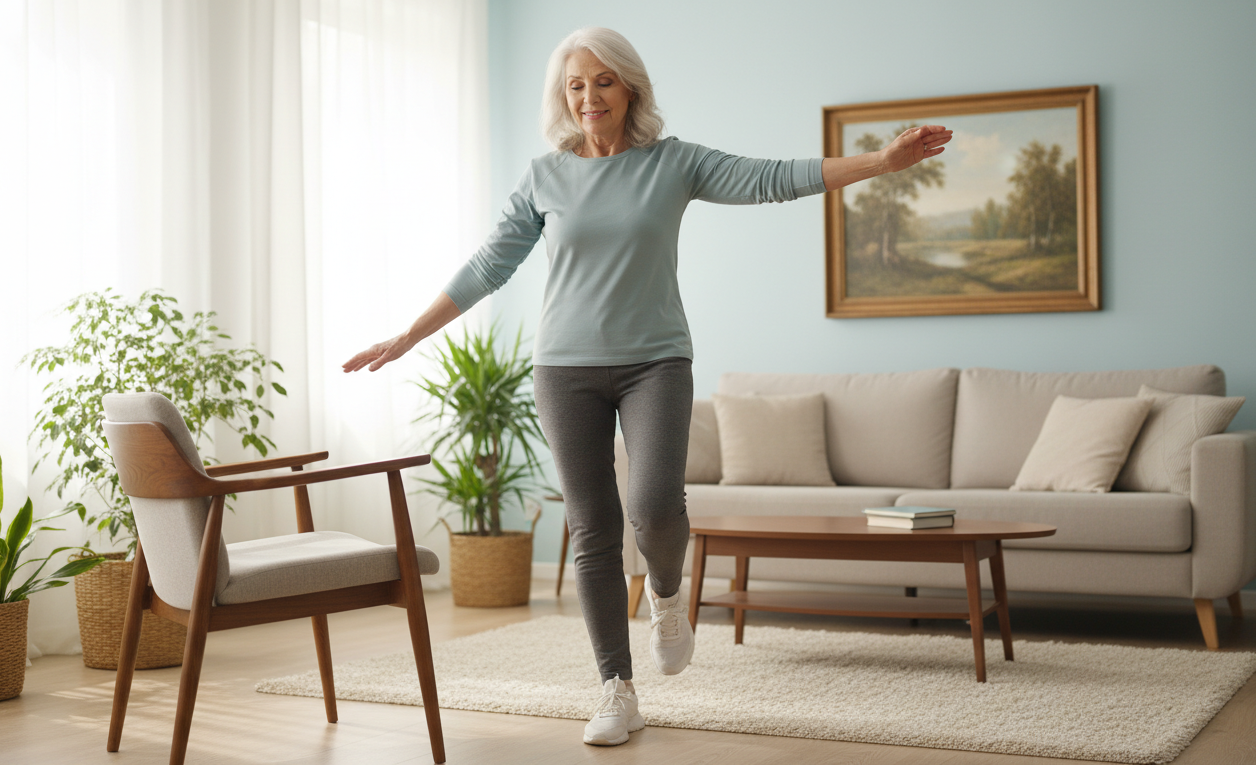
Balance plays a major role in how safely and comfortably a person walks. When balance changes, walking can start to feel slower, less stable, or more tiring.
Many older adults notice they feel less steady than before. This can make them cautious about walking, especially on uneven ground or in crowded places.
Why Balance Matters So Much for Safe Walking
Walking requires the body to shift weight from one leg to the other. Good balance helps keep these movements smooth and controlled.
When balance declines, people may take shorter steps or walk more slowly. These adjustments often happen without realizing it.
Common Reasons Balance Gets Worse Over Time
Several factors can affect balance as people age. These changes can make walking feel less secure.
Common causes include:
- Reduced muscle strength
- Slower reflexes
- Vision changes
- Inner ear balance issues
- Spending less time moving and exercising
Each of these factors can affect how well the body stays stable during movement.
How Fear of Falling Can Make Walking Worse
When someone feels unsteady, they may begin to worry about falling. This fear can cause people to move less or avoid walking longer distances.
Less activity can lead to weaker muscles and poorer balance. Over time, this cycle can make walking feel even more difficult.
How to Improve Walking Ability in Older Adults
Walking can often improve with the right approach. Small changes in strength, flexibility, balance, and daily habits can make a big difference over time.
The key is to work on the parts of the body that support steady movement. When these areas get stronger and more flexible, walking usually feels easier and safer.
Build Strength in the Right Areas
Strong muscles help support the body during every step. The hips, thighs, core, and calves are especially important for walking.
Helpful strength exercises may include:
- Sit-to-stands from a chair
- Step-ups on a low step
- Heel raises for calf strength
- Gentle squats with support nearby
Improving strength in these areas can help increase walking stability.
Improve Flexibility and Joint Mobility
Stiff joints can limit how smoothly the legs move. When joints move better, steps tend to feel more natural and comfortable.
Simple mobility exercises can help, such as:
- Gentle calf stretches
- Hip stretches
- Ankle circles
- Light knee range-of-motion movements
These exercises help the joints move through a fuller range of motion.
Work on Balance and Coordination
Balance exercises help the body react better while walking. They also build confidence when moving on uneven surfaces.
Examples include:
- Standing on one foot while holding a support
- Walking heel-to-toe in a straight line
- Practicing slow weight shifts from side to side
Practicing balance regularly can help improve stability.
Increase Walking Endurance Gradually
Endurance improves when walking becomes a consistent habit. Starting small often works best.
Helpful tips include:
- Begin with short walks
- Increase distance slowly
- Take breaks when needed
- Walk on safe, even surfaces
Consistency matters more than pushing too hard.
Support Better Walking Habits Every Day
Daily habits also influence walking comfort. Small adjustments can help reduce strain and improve stability.
Helpful habits include:
- Wearing supportive walking shoes
- Maintaining good posture while walking
- Staying active throughout the week
- Avoiding long periods of sitting
These habits support better movement and long-term mobility.
Exercises to Make Walking Easier for Seniors
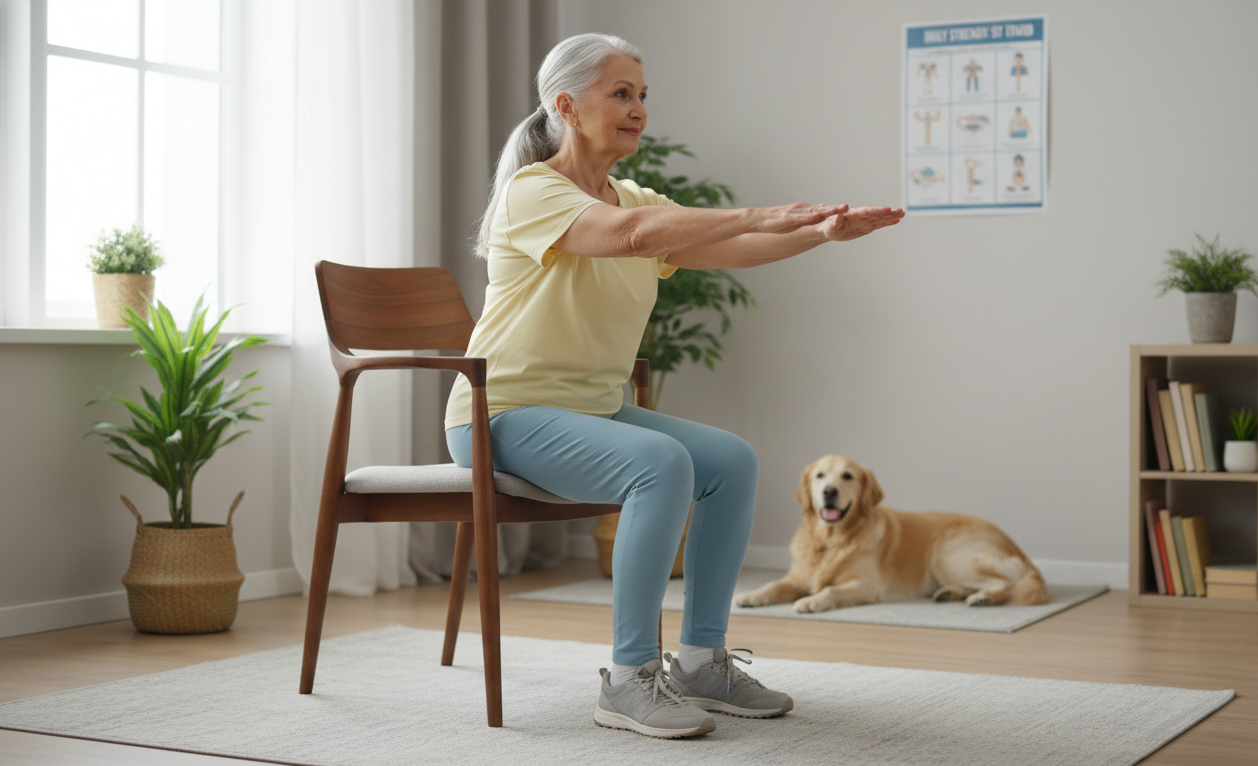
Exercises that target strength, balance, and joint mobility can make walking feel easier. The goal is to improve the muscles and movements that support steady steps.
These exercises do not need to be complicated. Simple movements done consistently can improve stability and confidence over time.
Seated and Standing Strength Exercises
Strength exercises help support the legs and hips during walking. These muscles help push the body forward and maintain stability.
Common exercises include:
- Sit-to-stands from a chair to build thigh and hip strength
- Heel raises to strengthen the calves
- Marching in place to activate the hips and core
- Mini squats while holding a support
These exercises help the body handle the demands of walking.
Balance Exercises for Walking Confidence
Balance exercises train the body to stay steady while shifting weight. This can help reduce the risk of stumbling.
Helpful balance exercises include:
- Tandem stance (standing with one foot in front of the other)
- Single-leg standing while holding a stable surface
- Side-to-side weight shifts
Practicing these movements can improve stability during everyday walking.
Mobility Exercises for Stiff Joints
Flexible joints allow the legs to move more freely. When joints move well, steps often feel smoother and more comfortable.
Helpful mobility movements include:
- Ankle circles to improve ankle movement
- Gentle hip openers to support stride length
- Knee bends to maintain knee mobility
Safety Tips Before Starting Exercises
Safety is important when starting new exercises. Moving carefully helps prevent injury.
Keep these tips in mind:
- Exercise near a chair or sturdy support
- Stop if sharp pain or dizziness occurs
- Start slowly and increase gradually
- Seek guidance if walking feels very unstable
Regular practice can help improve strength, balance, and walking comfort.
Physical Therapy for Walking Problems in Older Adults in Salem, Oregon
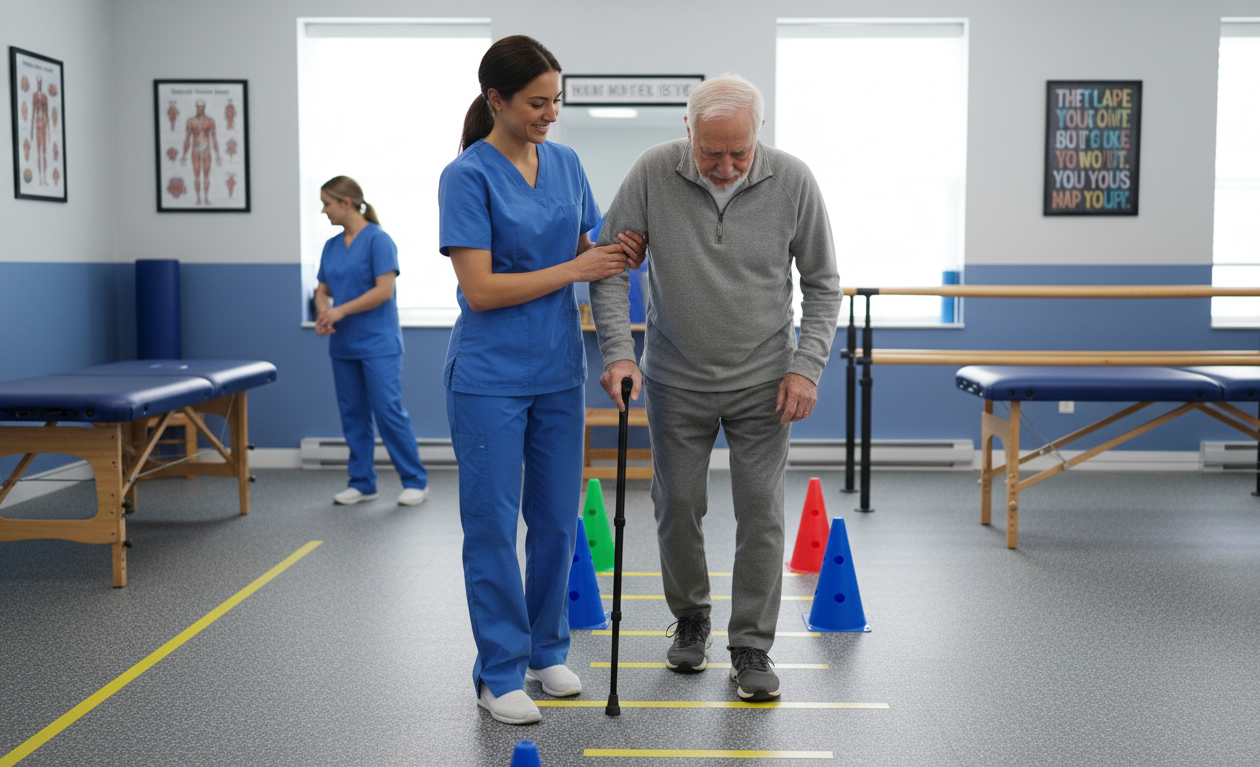
When walking becomes harder, it can help to understand what is causing the change. A physical therapist can evaluate how the body moves and identify the factors affecting mobility.
This type of evaluation often looks at strength, balance, flexibility, and walking patterns. The goal is to find the root cause of the difficulty and create a plan to improve movement.
How a Physical Therapist Evaluates Walking Problems
A physical therapist begins by observing how a person walks. This is called a gait assessment.
The evaluation may include:
- Watching walking patterns and stride length
- Testing balance and stability
- Checking strength in the hips, legs, and core
- Measuring flexibility and joint movement
These checks help reveal what may be limiting safe and comfortable walking.
What to Expect During a Mobility Evaluation
A mobility evaluation usually starts with questions about symptoms and daily activity.
This may include discussing:
- When walking started feeling harder
- Any recent falls or balance concerns
- Pain in the hips, knees, or feet
- Activities that feel difficult
The therapist then performs movement tests and designs a plan based on those results.
What Physical Therapy Can Help Improve
Physical therapy focuses on improving the areas that support safe movement.
A program may help improve:
- Walking speed
- Strength and endurance
- Balance and stability
- Confidence while walking
- Fall prevention
Getting Help for Senior Mobility and Balance in Salem, Oregon
Older adults in Salem who notice walking becoming harder do not have to face the problem alone.
Dr Raj at HWY Physical Therapy, located at Center 50+ in the Salem City Building, helps older adults improve mobility, balance, and walking confidence with personalized care.
Frequently Asked Questions About Walking Difficulty With Age
Many people have questions when walking starts to feel harder. Here are a few common concerns older adults often ask.
At What Age Does Walking Usually Start to Slow Down?
Walking speed can begin to change gradually after the age of 60. Many adults notice they move a little slower or feel slightly less steady.
These changes are common, but walking should still feel safe and manageable during daily activities.
Can Walking Get Better With Exercise and Physical Therapy?
Yes, in many cases it can. Strength training, balance work, and mobility exercises can improve how the body moves.
With the right guidance, many older adults regain confidence and comfort while walking.
Should I Keep Walking If My Legs Feel Weak?
Light walking can still be helpful, but it should feel safe and manageable. Starting with short distances and building gradually often works best.
If weakness continues or gets worse, it may help to have a professional evaluate the cause.
Is Trouble Walking Always Caused by Arthritis?
No, arthritis is only one possible reason. Muscle weakness, balance issues, nerve problems, and reduced endurance can also affect walking ability.
Identifying the real cause is important for choosing the right treatment.
When to Seek Help for Trouble Walking as You Age
Walking should help you stay active and independent. When it starts to feel unsafe, painful, or much harder than before, it may be time to seek help.
Early support can often prevent small mobility problems from turning into bigger limitations.
Don’t Wait Until a Fall Happens
Many people wait until they fall before addressing walking problems. Taking action earlier can help reduce that risk.
If you notice frequent stumbling, growing weakness, or increasing difficulty with everyday walking, it is wise to have it evaluated.
Walking Better Starts With Finding the Cause
Walking problems are not always caused by aging alone. Issues with strength, balance, joint movement, or endurance can often be improved.
Identifying the cause allows the right plan to be created. With the right support, many older adults can walk more comfortably and confidently again.
Topics to Read Further
If you want to learn more about improving mobility and staying active as you age, these topics are helpful to explore.
Contact HWY PT for Expert Advice and Support
If walking has started to feel harder, slower, or less steady, it may be time to take action before the problem gets worse. Early support can help improve strength, balance, and walking confidence.
Dr Raj at HWY Physical Therapy helps older adults in Salem improve mobility and stay active. Visit Center 50+, Salem City Building, 2615 Portland Rd NE, Salem, OR 97301 or call 971-202-1979 for guidance.
.png)