older adults
Staying Independent with Mobility Problems
Stay independent with mobility problems using simple tips and expert care from HWY Physical Therapy Clinic in Salem Oregon.
Learn how to stay active with arthritis after 65 using safe exercises that reduce pain and improve mobility. Get expert tips from HWY Physical Therapy Clinic.
Living with arthritis after 65 doesn't mean you have to stop doing the things you enjoy. Many older adults avoid exercise because they worry it will make their joint pain worse. In reality, the right kind of movement is one of the best ways to reduce stiffness, strengthen the muscles that support your joints, and stay independent.
Whether you have osteoarthritis or rheumatoid arthritis, staying active can help you walk more comfortably, climb stairs with greater confidence, and keep up with everyday activities. The key is choosing exercises that work with your body instead of against it.
In this guide, you'll learn how to stay active with arthritis after 65 using safe, low-impact exercises that fit into your daily routine. We'll cover the best exercises for seniors with arthritis, simple stretches to improve flexibility, strength-building tips, joint protection strategies, and common mistakes that can make arthritis symptoms worse.
You'll also discover how to create a weekly exercise routine, recognize when it's time to slow down, and know when professional guidance may be helpful. By the end of this article, you'll have practical, easy-to-follow strategies that can help reduce stiffness, improve mobility, and support an active, independent lifestyle after 65. Whether you're just getting started or looking for new ways to manage arthritis, this guide will help you move with greater confidence every day.
If you have arthritis, moving more may seem like the last thing you want to do. When your joints ache or feel stiff, resting can feel like the safest choice. While short periods of rest can help during a flare-up, staying inactive for too long often leads to weaker muscles, stiffer joints, and more discomfort.
The good news is that regular, low-impact movement can ease arthritis symptoms instead of making them worse. Staying active helps you maintain your mobility, protect your joints, and continue doing the everyday activities that matter most.
Many people believe that exercising with arthritis will wear down their joints faster. In most cases, the opposite is true. Gentle movement keeps your joints lubricated, improves flexibility, and strengthens the muscles that support them.
The key is choosing joint-friendly activities like walking, swimming, cycling, or chair exercises. These movements reduce stress on your joints while helping you stay active and mobile.
It's also important to know the difference between exercise discomfort and pain that signals a problem. Mild muscle soreness after a new activity is normal. Sharp pain, increasing swelling, or pain that lasts for several hours means it's time to stop and adjust your routine.
Exercise does much more than reduce arthritis pain. It improves your overall health and helps you maintain your independence as you age.
Regular physical activity can help you:
You don't need long or intense workouts to enjoy these benefits. Even 20 to 30 minutes of gentle movement on most days can make everyday tasks like walking, climbing stairs, gardening, or shopping feel much easier.
Before starting a new exercise routine, take a few minutes to assess your current mobility and joint health. This simple checklist can help you begin safely and build confidence as you become more active. A few honest answers today can help you choose exercises that match your ability and reduce the risk of injury.
Everyone experiences arthritis differently, so there's no one-size-fits-all exercise plan. Before you begin, ask yourself these questions:
If you answered "yes" to most of these questions, you're likely ready to begin with gentle, low-impact exercises. Start with short sessions and gradually increase your activity as your strength and confidence improve.
If you answered "no" to several questions, don't let that stop you from becoming more active. It simply means you may need to modify your routine or begin with exercises that place less stress on your joints.
Pay attention to how your body responds after each workout. Mild muscle soreness is normal when starting a new routine, but sharp pain, increased joint swelling, or discomfort that lasts for several hours is a sign to reduce the intensity or take a break.
Remember, the goal isn't to exercise harder than everyone else. The goal is to find a routine you can enjoy and stick with for the long term. Small, consistent steps are what help improve mobility, reduce stiffness, and support healthy aging with arthritis.
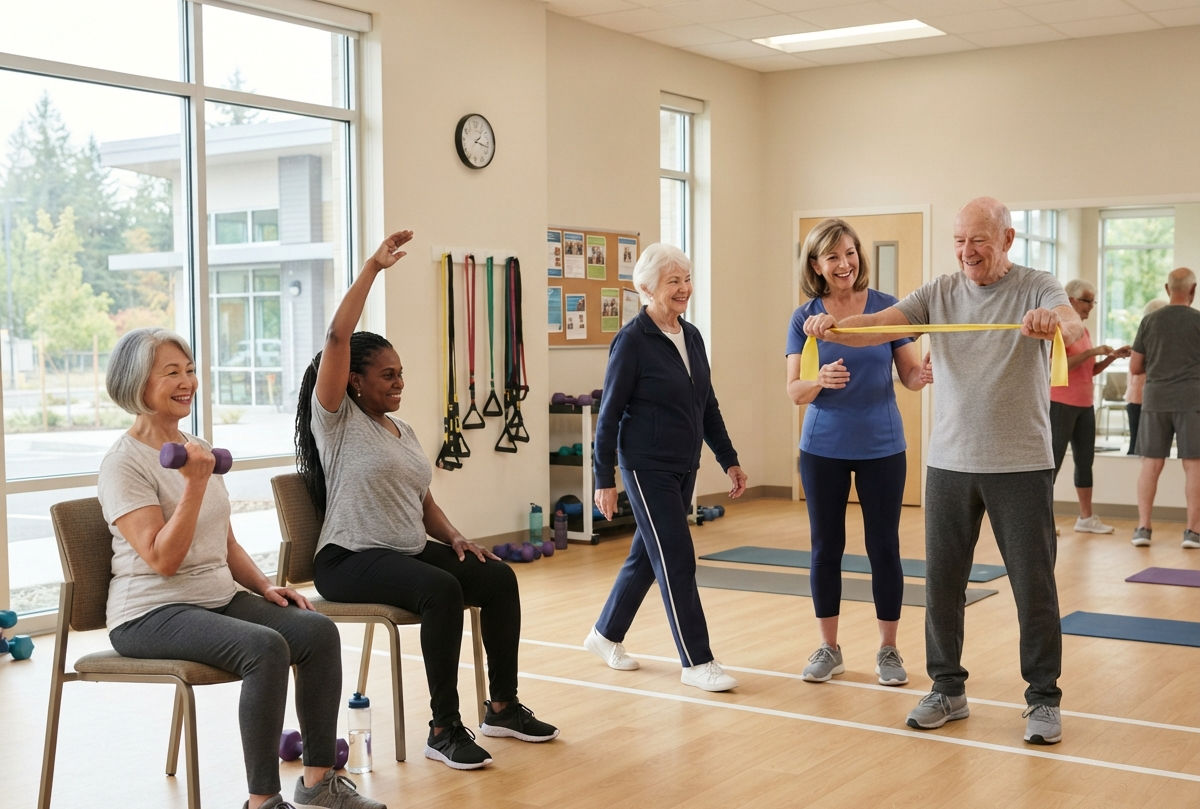
The best exercise for arthritis is the one you can do consistently without making your symptoms worse. These low-impact activities improve mobility, strengthen your muscles, and help reduce joint stiffness while being gentle on your knees, hips, hands, and spine.
Walking is one of the simplest and most effective exercises for seniors with arthritis. It improves circulation, strengthens the muscles around your joints, and supports heart health without requiring special equipment.
Start with a comfortable pace for 10 to 15 minutes. As your endurance improves, gradually work toward 30 minutes on most days of the week.
To make walking easier on your joints:
Remember, a shorter walk completed comfortably is better than pushing yourself too far and needing several days to recover.
Water exercises are among the best workouts for people with arthritis. The water supports your body weight, reducing pressure on painful joints while allowing you to move more freely.
Swimming and water aerobics can help:
Many community pools offer senior-friendly water exercise classes that are designed for different fitness levels.
If standing for long periods is difficult, chair exercises are a great place to start. They allow you to strengthen your muscles and improve circulation without placing extra stress on your joints.
Simple chair exercises include:
Even 10 minutes of chair exercises each day can improve mobility and make everyday activities feel easier.
Tai Chi combines slow, controlled movements with deep breathing. It's especially helpful for older adults because it improves balance, flexibility, and body awareness.
Research has shown that Tai Chi may also reduce the risk of falls while helping people with arthritis move more comfortably. The gentle movements are easy to modify based on your fitness level.
A stationary bike provides a low-impact cardiovascular workout without the repeated impact of walking on hard surfaces.
Adjust the seat so your knees remain slightly bent at the bottom of each pedal stroke. Begin with short sessions and increase the duration as your comfort improves.
Cycling can help strengthen your leg muscles while improving endurance and joint mobility.
Gentle yoga helps improve flexibility, posture, balance, and relaxation. Many poses can be adapted using a chair or other support, making yoga accessible even if your mobility is limited.
Focus on slow movements rather than deep stretches. Your goal is to improve your range of motion, not force your joints into uncomfortable positions.
If you're new to yoga, consider joining a beginner or senior-focused class where the instructor can suggest modifications for arthritis.
| Exercise | Joint Impact | Best For | Recommended Frequency |
|---|---|---|---|
| Walking | Low | Mobility and heart health | Most days of the week |
| Swimming or Water Aerobics | Very Low | Full-body exercise and pain relief | 2–3 times per week |
| Chair Exercises | Very Low | Limited mobility and strength | Daily |
| Tai Chi | Low | Balance and flexibility | 2–3 times per week |
| Stationary Cycling | Low | Endurance and leg strength | 2–3 times per week |
| Gentle Yoga | Low | Flexibility and posture | 2–3 times per week |
The best exercise program isn't about doing every activity on this list. Choose two or three exercises you enjoy and make them part of your weekly routine. When exercise becomes a habit instead of a chore, you're much more likely to stay active with arthritis after 65.
Many people think strength training is only for younger adults or athletes. In reality, building muscle is one of the best ways to protect arthritic joints and make everyday activities easier after 65.
Your muscles act like a support system for your joints. When the muscles around your knees, hips, shoulders, and hands are strong, they absorb some of the stress that would otherwise be placed directly on your joints.
Strength training can help you:
You don't need heavy weights to see results. Light resistance performed consistently is often enough to improve strength and mobility.
Choose exercises that allow you to move comfortably through a pain-free range of motion. Start with one set of 8 to 12 repetitions and gradually increase as your strength improves.
Some arthritis-friendly strength exercises include:
Move slowly and focus on proper form rather than lifting heavier weights. Controlled movements are safer and more effective than rushing through each exercise.
If a movement causes sharp pain, stop and try a modified version or choose a different exercise that feels more comfortable.
Aim for strength training two to three days each week, leaving at least one day between sessions for the same muscle group. Your muscles need time to recover and become stronger.
Always begin with a few minutes of gentle movement to warm up your joints. Finish with light stretching to reduce stiffness and improve flexibility.
Remember, progress doesn't happen overnight. Small improvements each week add up over time. As your muscles become stronger, you'll likely notice that everyday tasks feel easier and your joints feel better supported throughout the day.
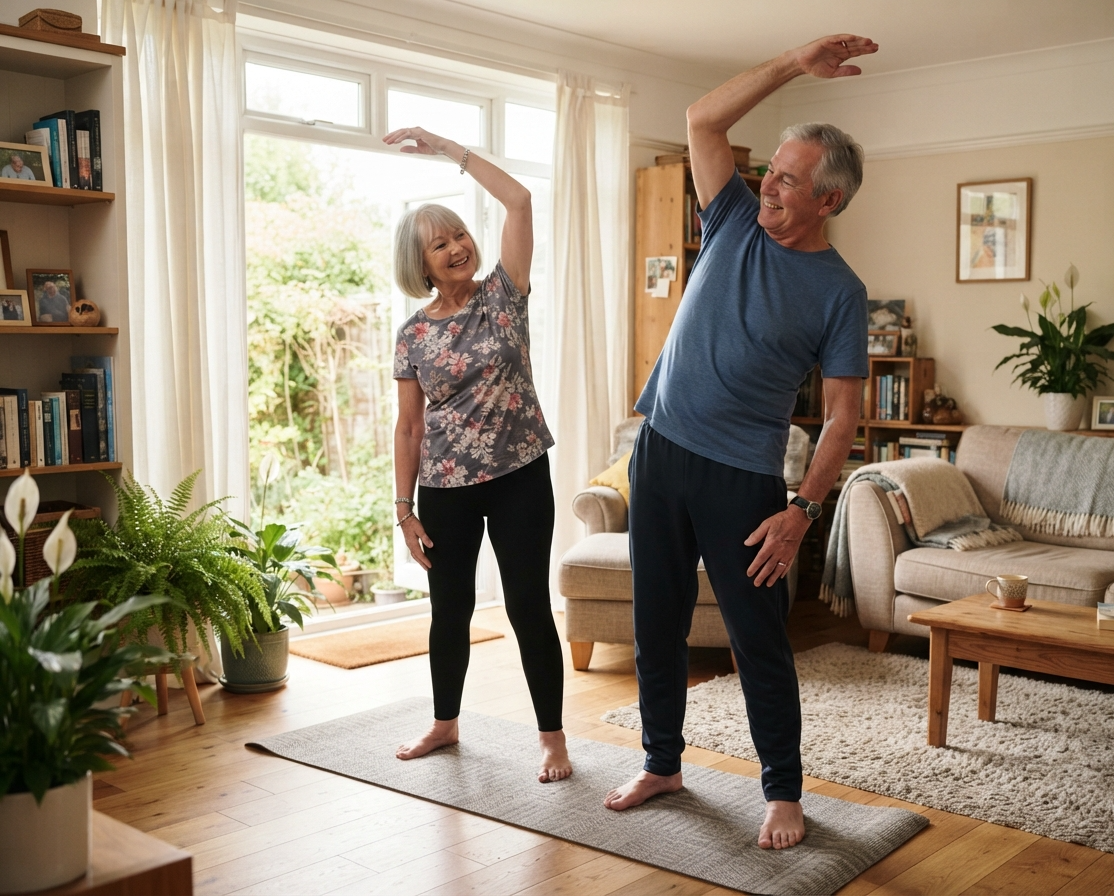
Stretching is one of the easiest ways to reduce joint stiffness and improve mobility. Just a few minutes of gentle stretching each day can help you move more comfortably and prepare your body for everyday activities.
Many people with arthritis wake up feeling stiff, especially in their hands, knees, hips, or back. A gentle morning stretch can loosen your joints and make it easier to start your day.
Try this simple routine:
Move slowly and breathe normally throughout each stretch. You should feel a gentle pull, not pain.
Range-of-motion exercises help your joints move through their natural movement without placing too much stress on them. These exercises are especially helpful if you've noticed increasing stiffness or reduced flexibility.
Simple range-of-motion exercises include:
Perform these movements every day, especially before walking or strength training. Even five to ten minutes can make a noticeable difference.
Stretching should leave your joints feeling looser, not more painful. Listen to your body and avoid forcing any movement.
Keep these tips in mind:
If one joint is especially painful, work around it instead of pushing through the discomfort. Over time, regular stretching can improve flexibility, reduce stiffness, and make daily activities like dressing, reaching, and bending much easier.
The goal isn't to become more flexible than everyone else. It's to keep your joints moving comfortably so you can continue enjoying an active and independent lifestyle.
Creating a balanced exercise routine doesn't have to be complicated. By combining aerobic activity, strength training, flexibility exercises, and balance work throughout the week, you can improve your mobility without overloading your joints.
A simple routine makes it easier to stay consistent. Adjust the duration and intensity based on your fitness level and how your joints feel each day.
| Day | Activity |
|---|---|
| Monday | 20–30 minute walk + gentle stretching |
| Tuesday | Strength training + balance exercises |
| Wednesday | Water aerobics or chair exercises |
| Thursday | Walking + flexibility exercises |
| Friday | Strength training + light stretching |
| Saturday | Tai Chi, gentle yoga, or cycling |
| Sunday | Recovery walk and full-body stretching |
This schedule gives your body a mix of movement and recovery, helping you stay active while reducing the risk of overuse injuries.
You don't need to spend hours exercising to see results. Aim for a combination of aerobic activity, strength training, flexibility, and balance exercises each week.
A good goal is to work toward:
If this feels overwhelming, start with just 10 to 15 minutes of movement each day. As your endurance improves, gradually increase the length of your sessions.
Rest is an important part of staying active with arthritis. Your muscles need time to recover after exercise, and recovery days help prevent fatigue and soreness.
On rest days, avoid spending the entire day sitting. Instead, keep your body moving with gentle activities like:
Pay attention to how your joints respond after each workout. If soreness lasts longer than a day or two, reduce the intensity of your next session rather than stopping exercise altogether.
The best exercise routine is one you can maintain week after week. Consistency, not perfection, is what helps reduce arthritis pain, improve mobility, and keep you active well into your later years.
One of the easiest ways to stay consistent is to follow a simple weekly plan. This seven-day schedule balances exercise and recovery, helping you stay active without putting too much stress on your joints.
Start the week with a 20 to 30-minute walk at a comfortable pace. Finish with 10 minutes of gentle stretching for your legs, hips, shoulders, and back.
Complete a light strength training session using resistance bands, light dumbbells, or your own body weight.
Include exercises such as:
Finish with a few minutes of stretching.
Give your joints a different type of movement by choosing one of these activities:
Aim for 20 to 30 minutes at a comfortable pace.
Spend 20 to 30 minutes practicing activities that improve stability and coordination.
Good options include:
These exercises can help reduce your risk of falls while making everyday movements feel easier.
Take another comfortable walk, then spend a few minutes stretching your major muscle groups. Pay extra attention to any joints that feel stiff after the week's activities.
Exercise doesn't always have to feel like a workout. Choose an activity you enjoy, such as:
The more enjoyable the activity is, the more likely you'll continue doing it.
Recovery is just as important as exercise. Take a leisurely walk, perform gentle stretches, or simply spend 15 to 20 minutes moving your joints through their full range of motion.
Use this day to notice how your body feels and prepare for the week ahead.
The goal of this plan isn't perfection. If you miss a day, simply pick up where you left off. Staying active with arthritis after 65 is about building healthy habits that you can maintain for years, not following a perfect schedule.
The right exercise is only part of the equation. Small changes before, during, and after physical activity can reduce joint stress, improve comfort, and help you stay active with arthritis for years to come.
Your shoes play a big role in protecting your knees, hips, and ankles. Worn-out or unsupportive footwear can increase the impact on your joints with every step.
When choosing walking shoes, look for:
Replace your shoes when the soles become worn or the cushioning starts to flatten.
If your joints feel stiff, applying heat before exercising can make movement more comfortable. Heat increases blood flow to the muscles and helps loosen tight joints.
Try one of these options for 10 to 15 minutes before activity:
Heat works best before exercise, especially in the morning when stiffness is often at its worst.
It's normal to experience mild soreness after trying a new exercise or increasing your activity level. Applying ice can help calm irritated joints and reduce inflammation.
Place an ice pack on the affected joint for 10 to 15 minutes after exercise if you notice swelling or discomfort. Always wrap the ice pack in a towel to protect your skin.
If your joints feel good after exercising, you don't need to use ice every time.
Many people with arthritis make the mistake of doing too much on days when they feel good. This often leads to increased pain and fatigue the following day.
Instead, spread your activities throughout the day.
For example:
Steady movement is much easier on your joints than long periods of activity followed by complete rest.
Where you exercise can affect how your joints feel.
Whenever possible, choose softer, even surfaces such as:
Try to avoid uneven sidewalks, loose gravel, or steep hills if they increase your pain or affect your balance.
Making these small adjustments can make exercise more comfortable and help you stay consistent. The less stress you place on your joints during activity, the more likely you are to keep moving and enjoy the long-term benefits of an active lifestyle.
Some discomfort is normal when you begin exercising, but pain is your body's way of telling you when something isn't right. Learning the difference can help you stay active safely and avoid making your arthritis symptoms worse.
It's common to experience mild muscle soreness when you start a new exercise routine or increase your activity level. This type of soreness usually improves within a day or two as your muscles recover.
Stop exercising and rest if you notice:
These symptoms may mean you've done too much or that the exercise isn't right for your current condition.
If your joints feel slightly stiff the next day but improve once you start moving, that's usually a sign your body is adapting to the activity. In most cases, gentle movement is better than complete rest.
If pain continues despite modifying your routine, or if arthritis starts limiting your ability to walk, climb stairs, or perform everyday activities, it may be time to seek professional guidance. A physical therapist can identify movements that aggravate your joints and create a personalized exercise plan that helps you stay active while reducing pain.
Listening to your body doesn't mean avoiding exercise. It means making smart adjustments so you can keep moving safely and confidently over the long term.
Even the best exercise routine can lead to setbacks if you make a few common mistakes. Avoiding these habits will help you stay active, reduce pain, and continue making steady progress.
It's easy to feel motivated when you start exercising, especially if you're having a good day. The problem is that overdoing it can leave your joints sore and make it harder to stay consistent.
Begin with short sessions of 10 to 15 minutes and increase your activity gradually. Give your body time to adjust instead of trying to make up for lost time.
Starting exercise with cold, stiff joints can increase discomfort and reduce your range of motion.
Spend five to ten minutes warming up before every workout. A slow walk, gentle marching in place, or simple joint movements can prepare your muscles and joints for exercise.
A proper warm-up also improves circulation and helps lower your risk of injury.
Some muscle soreness after exercise is normal, but arthritis pain should never be ignored.
If you experience sharp pain, significant swelling, or discomfort that continues long after your workout, stop the activity and give your joints time to recover. Modify the exercise or choose a lower-impact option before trying again.
Listening to your body helps you stay active without causing unnecessary setbacks.
An arthritis flare-up doesn't always mean you should stop moving completely. While you may need to reduce the intensity of your workouts, complete rest for several days can lead to even more stiffness and muscle weakness.
During a flare-up, focus on gentle activities such as:
Once your symptoms begin to improve, gradually return to your regular routine.
Everyone's arthritis journey is different. Your age, fitness level, joint damage, and overall health all influence what you can do comfortably.
Avoid comparing your progress with friends, family members, or people in exercise classes. Instead, compare yourself to where you were a few weeks ago.
Celebrate small improvements, such as walking a little farther, climbing stairs more comfortably, or needing fewer breaks during daily activities. Those small victories are signs that your efforts are paying off.
The goal isn't to exercise perfectly. It's to keep moving safely, build healthy habits, and enjoy an active lifestyle despite arthritis. Consistency will always produce better results than occasional bursts of intense activity.
You don't have to spend hours at the gym to stay active with arthritis. Many everyday activities provide gentle movement that keeps your joints flexible, strengthens your muscles, and helps you maintain your independence.
Gardening is a great way to stay active while enjoying the outdoors. Digging, planting, watering, and light weeding keep your body moving without feeling like a workout.
Protect your joints by:
Walking remains one of the best exercises for seniors with arthritis. Salem offers several parks and walking paths where you can enjoy fresh air while staying active.
Choose flat, even trails whenever possible, and wear supportive walking shoes. Walking with a friend or family member can make the activity more enjoyable and help you stay motivated.
Daily chores can also contribute to your physical activity goals. Activities such as vacuuming, dusting, cooking, folding laundry, and organizing your home all keep your body moving.
Instead of completing every chore at once, spread them throughout the day. Breaking larger tasks into smaller sessions reduces stress on your joints and helps prevent fatigue.
Spending time with your grandchildren is another enjoyable way to stay active. Simple activities like walking together, playing catch, visiting the park, or taking a nature walk encourage movement without feeling like structured exercise.
Choose activities that match your comfort level and allow you to take breaks when needed.
Exercise doesn't always have to follow a schedule. Hobbies and recreational activities can improve your mobility while helping you stay socially engaged.
Consider activities such as:
The more you enjoy an activity, the easier it becomes to make it part of your routine. Staying active is about finding movement that fits naturally into your lifestyle, not forcing yourself to do exercises you don't enjoy.
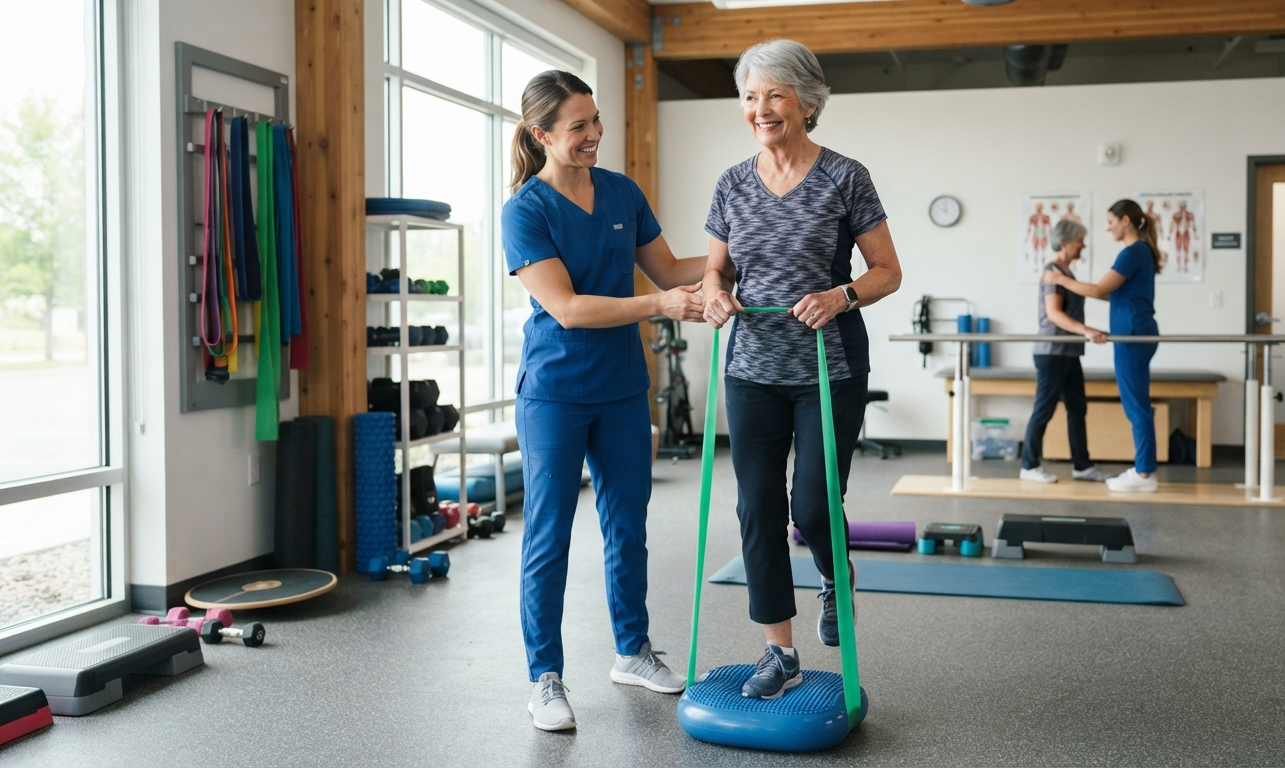
Exercise and healthy habits can help many people manage arthritis successfully. However, if pain or stiffness starts interfering with your daily life, working with a physical therapist can help you stay active safely and prevent your symptoms from getting worse.
Occasional joint pain is common with arthritis, but persistent pain shouldn't become your new normal. If everyday activities are becoming more difficult, it may be time to seek professional guidance.
Consider seeing a physical therapist if you:
Getting help early can often prevent small problems from becoming bigger ones.
A physical therapist can identify movement patterns that may be placing extra stress on your joints. Instead of giving you a one-size-fits-all exercise program, they'll create a treatment plan based on your symptoms, mobility, and goals.
Physical therapy may help you:
Your therapist can also teach you how to exercise correctly, reducing the risk of injury while helping you stay active.
Every person experiences arthritis differently. A personalized exercise program focuses on the joints that need the most support while considering your current fitness level and lifestyle.
If you live in Salem, Oregon, Dr. Raj at HWY Physical Therapy provides individualized treatment plans designed to help older adults manage arthritis, improve mobility, and stay independent. Your program may include hands-on therapy, guided exercises, balance training, and practical strategies you can continue at home.
With the right guidance, you can move with greater confidence, reduce discomfort, and continue doing the activities that matter most to you.
If you're living with arthritis, you're not alone in wondering what's safe and what's not. Here are answers to some of the most common questions older adults ask about staying active with arthritis.
Yes, walking is one of the best low-impact exercises for people with arthritis. It helps reduce joint stiffness, strengthens the muscles that support your joints, improves circulation, and supports heart health.
Start with 10 to 15 minutes at a comfortable pace and gradually increase your walking time as your endurance improves. Wear supportive shoes and choose flat, even surfaces whenever possible.
Avoid activities that place excessive stress on painful joints or involve sudden twisting, jumping, or high-impact movements.
These may include:
If an exercise causes sharp pain or significant swelling, stop and choose a lower-impact alternative.
Exercise won't cure arthritis, but it can make a significant difference in how you feel. Regular physical activity strengthens the muscles around your joints, improves flexibility, reduces stiffness, and helps you perform daily activities more comfortably.
Many people notice they have less pain and better mobility after following a consistent exercise routine for several weeks.
Everyone responds differently, but many people begin noticing improvements within four to six weeks of exercising consistently.
The key is to stay patient and focus on steady progress rather than immediate results.
Yes. Mild muscle soreness is common when starting a new exercise routine or increasing your activity level.
However, sharp joint pain, significant swelling, or pain that lasts for several hours after exercising is not normal. If this happens, reduce the intensity of your workouts or choose gentler activities.
Many people report that their joints feel stiffer or more painful before or during changes in the weather. While research hasn't found a single cause, changes in air pressure, temperature, and humidity may affect how some people experience arthritis symptoms.
On these days, gentle stretching, indoor walking, or chair exercises can help reduce stiffness without overloading your joints.
It depends on how severe your symptoms are. During a mild flare-up, gentle range-of-motion exercises, stretching, or a short walk may actually help reduce stiffness.
If you have severe pain, significant swelling, or a joint that feels unstable, reduce your activity and allow your body to recover. Once your symptoms improve, gradually return to your normal exercise routine instead of trying to make up for lost time.
Living well with arthritis isn't about finding a miracle exercise or making dramatic lifestyle changes overnight. The biggest improvements often come from small, consistent habits that become part of your daily routine.
You don't have to exercise for an hour every day to see results. A 20-minute walk, a few strength exercises, or a short stretching session done regularly will benefit your joints far more than an occasional intense workout.
Aim to move every day, even if it's only for a few minutes. Consistency helps reduce stiffness, maintain muscle strength, and improve your overall mobility.
It's easy to overlook your progress because changes happen gradually. Keeping a simple activity journal can help you stay motivated and recognize your improvements.
Track things like:
Celebrate every small success. Walking a little farther or standing a little longer are meaningful signs that your body is getting stronger.
Managing arthritis doesn't mean you have to do everything on your own. Family members, friends, walking partners, and healthcare professionals can all provide encouragement and support.
If joint pain continues to limit your daily activities despite staying active, consider working with a physical therapist. A personalized exercise program can help you move safely, improve your confidence, and continue enjoying the activities you love.
Remember, healthy aging isn't about doing more than everyone else. It's about making steady choices that help you move comfortably, stay independent, and enjoy life for years to come.
Staying active with arthritis after 65 is one of the best investments you can make in your health and independence. Regular movement helps reduce joint stiffness, strengthen the muscles that support your joints, improve balance, and make everyday activities feel easier.
The key is to start with activities that match your current ability and build your routine gradually. Whether you choose walking, swimming, chair exercises, strength training, or gentle stretching, consistency matters more than intensity.
Listen to your body, celebrate small victories, and don't let arthritis stop you from enjoying the activities you love. Every step you take today can help you stay stronger, more mobile, and more confident tomorrow.
If joint pain continues to limit your daily life, don't wait until it becomes more difficult to stay active. A personalized treatment plan and expert guidance can help you move safely, reduce pain, and maintain your independence for years to come.
If you'd like to learn more about managing arthritis and staying active, these trusted resources provide practical advice and evidence-based guidance:
Living with arthritis doesn't mean you have to give up the activities you love. With the right approach, you can reduce joint pain, improve your mobility, and continue enjoying an active, independent lifestyle well into your later years.
If you're finding it difficult to stay active because of arthritis, getting professional guidance early can make a big difference. A personalized treatment plan can help you move with less pain, improve your strength and balance, and give you the confidence to return to the activities that matter most.
If you're in Salem, Oregon, Dr. Raj at HWY Physical Therapy specializes in helping older adults manage arthritis through customized physical therapy programs. Whether your goal is walking more comfortably, improving flexibility, or maintaining your independence, you'll receive one-on-one care designed around your needs.
HWY Physical Therapy
Dr. Raj
Center 50+
2615 Portland Rd NE
Salem, OR 97301
Call: 971-202-1979
Don't let arthritis decide how you live. Take the first step today and discover how the right treatment plan can help you keep moving with confidence.
Stay independent with mobility problems using simple tips and expert care from HWY Physical Therapy Clinic in Salem Oregon.
Stay independent after 65 with simple exercises. Learn expert tips from HWY Physical Therapy Clinic to improve strength, balance, and mobility.
Discover how to age in place safely and independently with home tips, wellness strategies, and expert advice from a physical therapist in Salem,...
.png)
Whether you have questions about enhancing strength, increasing mobility, ensuring home safety, managing pain effectively, or preventing falls, I am here to provide expert guidance.
Limited Time Offer - $25 - Learn More