A labrum tear can make everyday movements painful and unstable. Many people notice shoulder or hip pain, clicking, or weakness and are unsure whether surgery is the only option.
Physical therapy is often the first line of treatment for labrum tears. It focuses on reducing pain, restoring movement, and improving joint stability.
Not all labrum tears require surgery. With the right rehabilitation approach, many people can return to normal activities without invasive procedures.
This article explains how physical therapy helps treat labrum tears. It also covers recovery expectations and when further medical care may be needed.
Understanding what a labrum tear is and why it affects joint stability
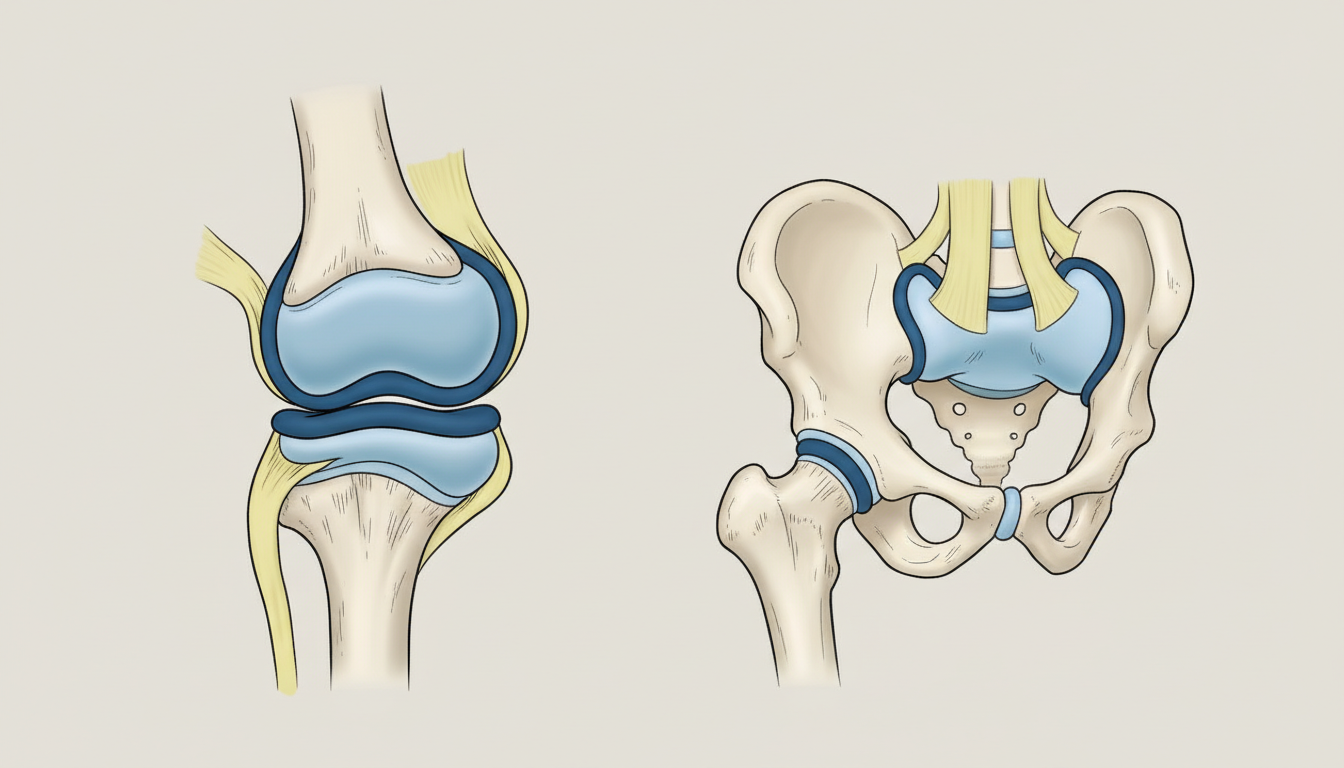
The labrum is a ring of cartilage that surrounds a joint socket. It helps keep the joint stable while allowing smooth movement.
When the labrum is torn, the joint may lose support. This can lead to pain, clicking, or a feeling that the joint is unstable.
What the labrum does in the shoulder and hip
In the shoulder, the labrum deepens the socket that holds the upper arm bone. This added depth helps keep the shoulder stable during lifting and reaching.
In the hip, the labrum helps seal the joint and support smooth motion. It also helps distribute force during walking and weight-bearing.
Shoulder labrum tear vs hip labrum tear
A shoulder labrum tear often causes pain with overhead movement. Some people feel catching or weakness when lifting the arm.
A hip labrum tear may cause groin or outer hip pain. Symptoms often worsen with twisting, squatting, or prolonged sitting.
Common symptoms of a labrum tear that physical therapy addresses
Labrum tears often cause symptoms that affect daily movement and comfort. These symptoms may start gradually or appear after an injury.
Pain, clicking, and catching sensations
Pain is one of the most common signs of a labrum tear. It may be felt deep in the shoulder or hip and worsen with activity.
Some people notice clicking, popping, or catching during movement. These sensations often happen when lifting, twisting, or changing positions.
Discomfort may increase after repeated use. Rest may help temporarily, but symptoms often return with activity.
Instability, weakness, and limited range of motion
A torn labrum can make the joint feel unstable. Some people describe a sensation that the joint may slip or give out.
Weakness is also common, especially during lifting or weight-bearing. This can limit strength and confidence during movement.
Range of motion may become restricted over time. Stiffness can develop as the body tries to protect the injured joint.
What causes a labrum tear and who is at higher risk
Labrum tears can develop from sudden injury or repeated stress on the joint. Certain activities and body mechanics increase the risk over time.
Acute injuries and repetitive stress
A fall, collision, or sudden twisting movement can tear the labrum. Sports and jobs that involve repetitive overhead or rotational motions also increase risk.
Repeated stress can wear down the labrum gradually. This often leads to symptoms that appear without a clear injury.
Age-related wear and joint mechanics
As the body ages, the labrum can lose elasticity. This makes it more prone to tearing with normal movement.
Poor joint mechanics place extra strain on the labrum. Over time, this added stress can contribute to degeneration and injury.
How a labrum tear is diagnosed before starting physical therapy
Diagnosing a labrum tear begins with a careful review of symptoms and movement patterns. Understanding when pain occurs helps guide the evaluation.
Physical examination and movement testing
A physical therapist checks strength, stability, and range of motion. Specific movements may be used to reproduce symptoms and assess joint control.
Posture and movement quality are also evaluated. These factors often contribute to stress on the labrum.
Imaging and when it is needed
Imaging is not always required before starting physical therapy. Many labrum tears are identified through clinical findings.
An MRI may be recommended if symptoms are severe or unclear. Imaging helps rule out other joint issues when needed.
Can physical therapy heal a labrum tear without surgery
Physical therapy can often manage labrum tears without surgery. The goal is to reduce pain and improve joint stability.
When conservative treatment works
Conservative treatment works best for partial tears and stable joints. People who can modify activities often respond well to therapy.
Strengthening the muscles around the joint reduces stress on the labrum. Improved control helps protect the injured tissue during movement.
Physical therapy vs surgery for labrum tear
Physical therapy is usually recommended before surgery. Many people regain function without invasive treatment.
Surgery may be considered if instability or pain continues. Physical therapy helps clarify whether surgery is necessary.
How physical therapy for a labrum tear actually works
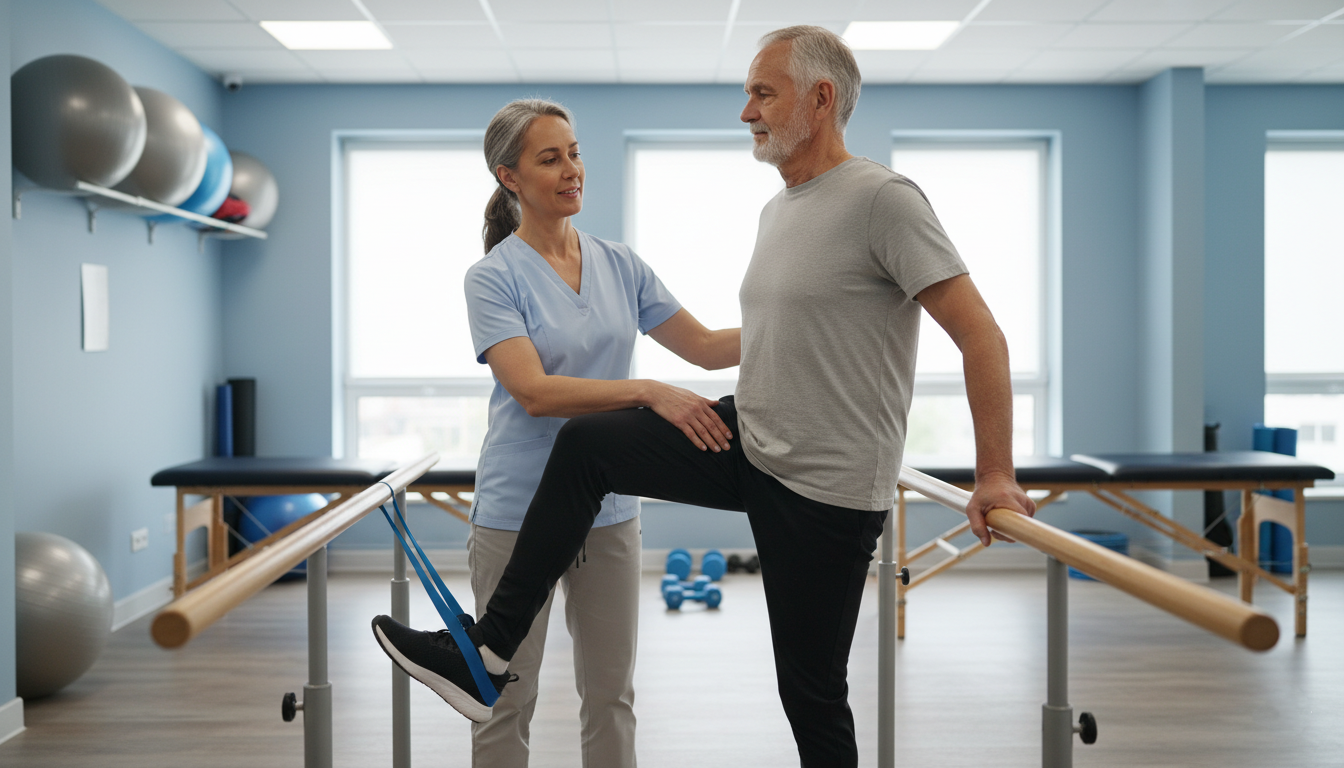
Physical therapy focuses on restoring safe movement while protecting the injured labrum. Treatment is designed to reduce pain and improve how the joint functions.
Reducing pain and restoring movement
Early therapy aims to calm irritation around the joint. Gentle movement helps prevent stiffness without stressing the labrum.
Manual techniques may be used to improve comfort. These approaches support healing by improving joint motion.
Improving joint stability and muscle control
Strengthening the muscles that support the joint helps reduce strain on the labrum. Better muscle control allows the joint to move more safely.
Stability training improves coordination during daily activities. This helps protect the joint during lifting, reaching, or walking.
Phases of physical therapy rehab for labrum tears
Rehabilitation for a labrum tear follows a structured progression. Each phase builds on the previous one to protect the joint and restore function.
Early phase rehab goals
The early phase focuses on reducing pain and inflammation. Gentle movements help maintain range of motion without stressing the labrum.
Activity modification is important during this stage. Protecting the joint allows healing to begin.
Strengthening and stability phase
As pain decreases, strengthening begins around the joint. Exercises focus on muscles that support and stabilize movement.
Stability training improves control during everyday tasks. This helps reduce strain on the labrum.
Return to activity phase
The final phase prepares the body for daily activities, work, or sports. Movements become more functional and goal-specific.
Progression is gradual to avoid re-injury. Proper mechanics are emphasized to protect the joint long term.
Labrum tear physical therapy exercises and goals
Physical therapy exercises are chosen to support healing without irritating the labrum. The focus is on control, stability, and safe movement rather than intensity.
Shoulder labrum tear rehab focus
Shoulder rehab emphasizes strengthening the muscles that stabilize the joint. Improving control helps reduce stress during lifting and reaching.
Movement training also improves coordination between the shoulder blade and arm. This supports smoother and safer motion.
Hip labrum tear rehab focus
Hip rehab focuses on strengthening the muscles that support the hip joint. Better muscle balance helps protect the labrum during walking and daily activity.
Therapy also improves movement patterns. This reduces excess strain on the hip during bending or twisting.
How long recovery takes with physical therapy for a labrum tear
Recovery time with physical therapy varies based on the type and severity of the labrum tear. Most people notice gradual improvement as strength and stability improve.
Labrum tear physical therapy recovery timeline
Early symptom relief often occurs within the first few weeks of therapy. Pain and stiffness usually decrease as movement becomes more controlled.
Strength and stability improve over several months. Progress depends on consistency with therapy and activity modification.
Factors that affect healing time
The size and location of the tear influence recovery. Shoulder and hip labrum tears may respond differently to treatment.
Age, activity level, and overall health also matter. Following the therapy plan closely helps support better outcomes.
Daily activity tips during labrum tear recovery
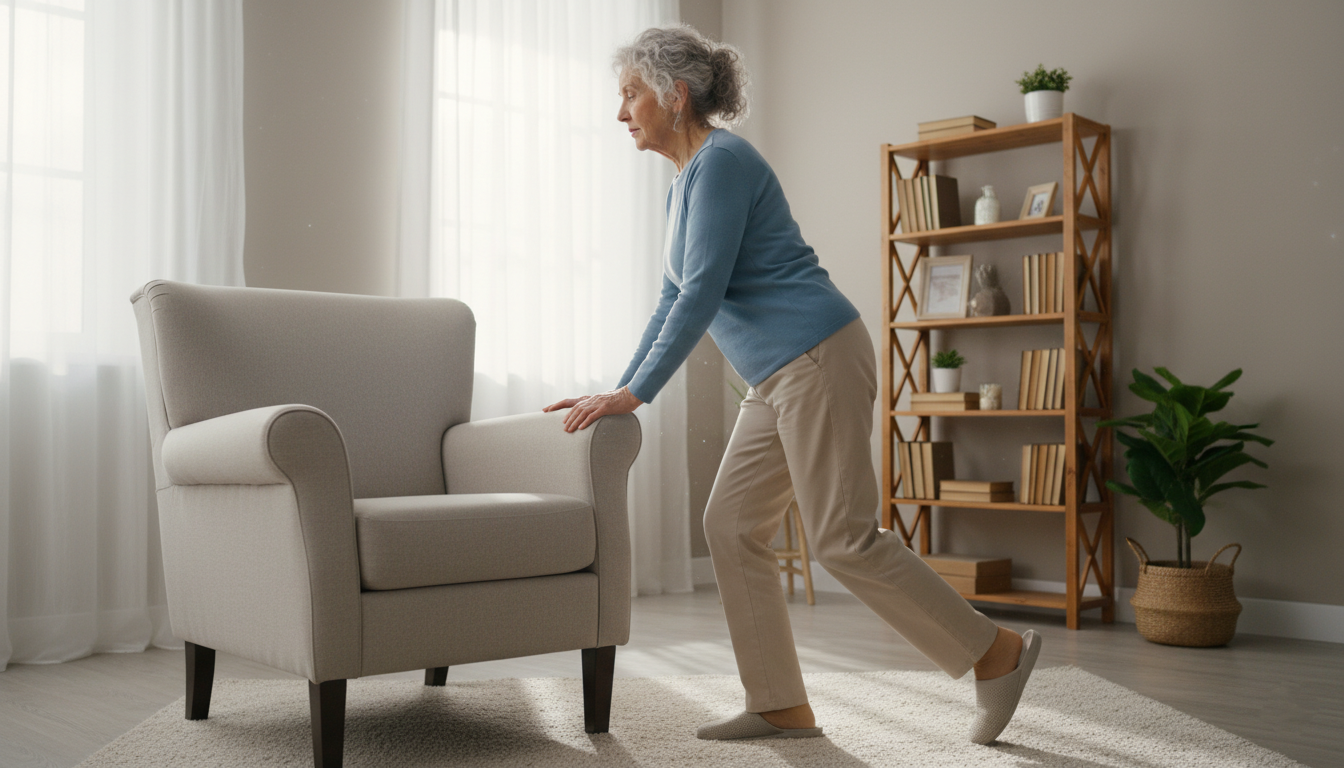
Daily habits can either support healing or place extra stress on the injured joint. Making small adjustments helps protect progress during recovery.
Movements to modify or avoid
Overhead lifting, deep twisting, or sudden movements can irritate the labrum. These motions should be limited until strength and control improve.
Avoid pushing through sharp pain. Discomfort is a sign the joint may need rest or modification.
Staying active without delaying recovery
Gentle movement helps maintain circulation and flexibility. Low-impact activities are usually safer during recovery.
Pacing activity and allowing rest time is important. Gradual progress helps prevent setbacks and re-injury.
When surgery may still be needed for a labrum tear
Some labrum tears do not respond fully to conservative care. Ongoing pain or instability may require further medical evaluation.
Signs conservative treatment may not be enough
Persistent joint instability despite therapy is a concern. Pain that limits daily function after consistent rehab may signal the need for surgery.
Mechanical symptoms like repeated catching or locking can also persist. These signs should be discussed with a healthcare provider.
Physical therapy before and after surgery
Physical therapy before surgery helps improve strength and movement control. This preparation can support better surgical outcomes.
After surgery, physical therapy guides safe healing and restores function. Rehab focuses on protecting the repair while rebuilding strength and stability.
Labrum tear FAQs
Can a labrum tear heal on its own
Some partial labrum tears can improve with proper care. Healing depends on joint stability, activity level, and how early treatment begins.
Physical therapy helps create the right conditions for recovery. It supports the joint even if the tear itself does not fully heal.
Is physical therapy painful for labrum tears
Physical therapy should not cause sharp or worsening pain. Treatment is adjusted to stay within safe and tolerable limits.
Mild soreness can happen as strength improves. This usually fades as the body adapts.
Can I return to sports or work after a labrum tear
Many people return to work or sports after completing physical therapy. The timeline depends on strength, control, and activity demands.
A gradual return helps protect the joint. Rushing back too soon increases the risk of re-injury.
Contact HWY PT for Expert Labrum Tear Rehabilitation
A labrum tear can affect strength, stability, and confidence during daily movement. Early evaluation helps determine whether physical therapy is the right next step.
HWY Physical Therapy provides one-on-one care for shoulder and hip labrum tears. Treatment focuses on restoring movement, improving joint stability, and reducing pain without unnecessary procedures.
Dr Raj works with patients at the Center 50+ in the Salem City Building. Care is personalized to match activity level, goals, and recovery needs.
HWY Physical Therapy is located at 2615 Portland Rd NE, Salem, OR 97301. To schedule an appointment, call 971-202-1979.
.png)