An ACL tear can quickly change how you move and live. Simple actions like walking, standing up, or using stairs may suddenly feel unstable or painful.
Physical therapy for an ACL tear focuses on restoring safe movement and protecting your knee. With the right guidance, many people regain strength, balance, and confidence without rushing into surgery.
This guide explains how physical therapy supports ACL recovery. It is written for adults and seniors in Salem, Oregon who want clear answers and a safe path forward.
Understanding an ACL Tear and Why It Affects Knee Stability
What Is the ACL and What Does It Do?
The anterior cruciate ligament, or ACL, is one of the main stabilizing ligaments in your knee. It connects the thigh bone to the shin bone and controls forward movement.
The ACL also helps guide twisting and turning motions. When it is damaged, the knee can feel loose or unstable during everyday activities.
Common Causes of an ACL Tear
ACL tears often happen during sudden movements. Sports that involve pivoting or quick stops are common causes.
Falls and awkward landings can also injure the ACL. In adults and seniors, reduced muscle strength and slower reaction time can increase risk.
Common Symptoms of an ACL Tear
Pain and swelling usually appear soon after the injury. Many people notice stiffness that limits knee movement.
A feeling of the knee “giving way” is common. This instability can make walking, standing, or changing direction feel unsafe.
How Physical Therapy Helps Heal an ACL Tear
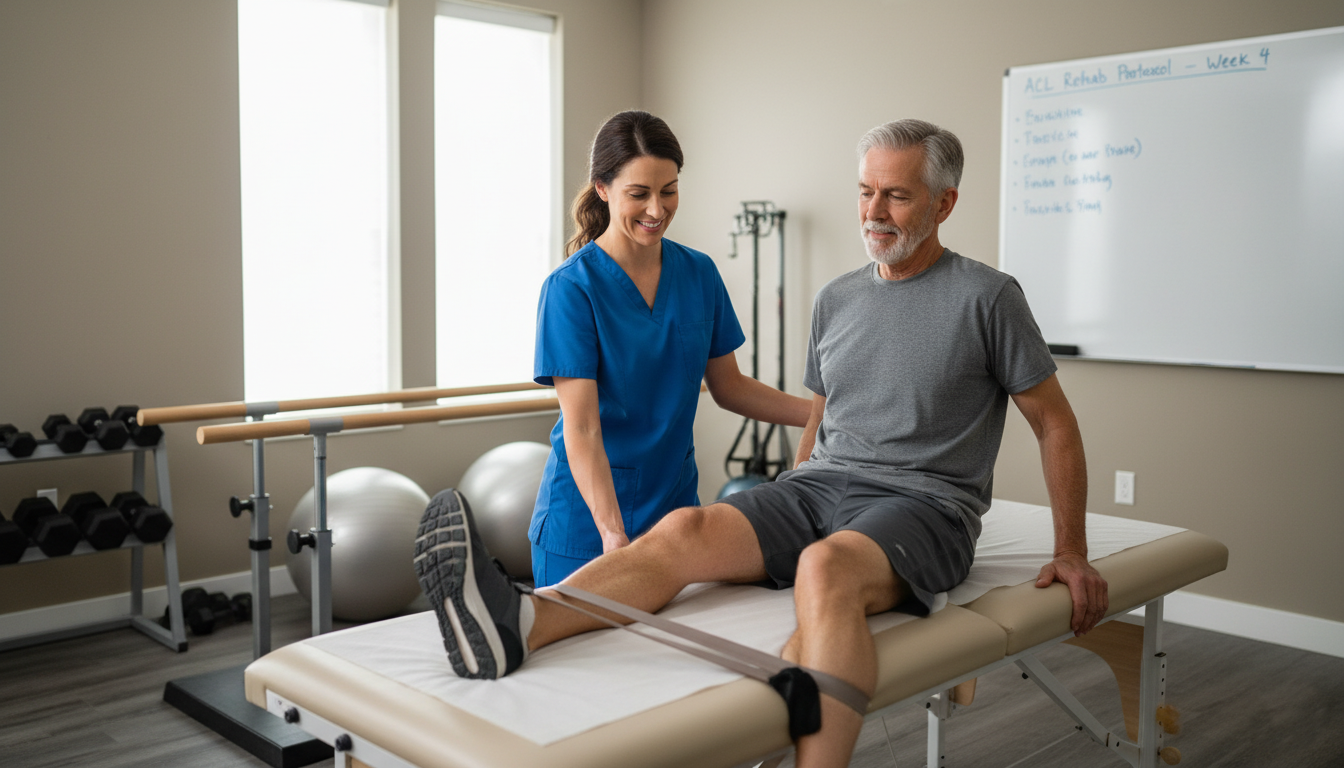
Physical therapy for an ACL tear focuses on helping your knee move safely again. The goal is to reduce pain, improve strength, and restore stability so you can return to daily activities with confidence.
A structured physical therapy program also protects the knee from further injury. Guided exercises teach your muscles how to support the joint properly.
Can Physical Therapy Heal an ACL Tear Without Surgery?
Physical therapy can be effective for certain types of ACL tears. Partial tears and lower-demand knees often respond well to conservative care.
Your physical therapist focuses on strengthening the muscles around the knee. Strong muscles can help compensate for ligament damage and improve stability.
Benefits of Physical Therapy for ACL Tear Recovery
Physical therapy helps reduce swelling and stiffness. This allows the knee to move more comfortably.
Strength training improves control and balance. Better control lowers the risk of the knee giving out during daily movement.
Why Early Physical Therapy Matters After an ACL Injury
Starting physical therapy early helps prevent stiffness. It also reduces muscle weakness that can develop quickly after injury.
Early movement improves circulation and healing. It also builds confidence in the knee during recovery.
When Should You Start Physical Therapy After an ACL Tear?
Starting physical therapy soon after an ACL tear is often recommended. Early care helps control pain and swelling while protecting the knee from stiffness.
A physical therapist evaluates your knee and adjusts treatment based on your injury and comfort level. This ensures movement is safe and appropriate from the beginning.
Starting Physical Therapy Immediately After Injury
Early physical therapy focuses on gentle movement and pain control. Simple exercises help maintain knee motion without stressing the ligament.
Swelling management is also a priority. Reducing swelling early allows muscles to activate properly and improves recovery progress.
Risks of Delaying ACL Rehabilitation
Waiting too long to begin physical therapy can lead to stiffness. Limited motion makes later recovery more difficult.
Muscle weakness can develop quickly after an ACL injury. Delayed rehab may increase the risk of instability and slower healing.
ACL Tear Physical Therapy Timeline: What to Expect at Each Stage
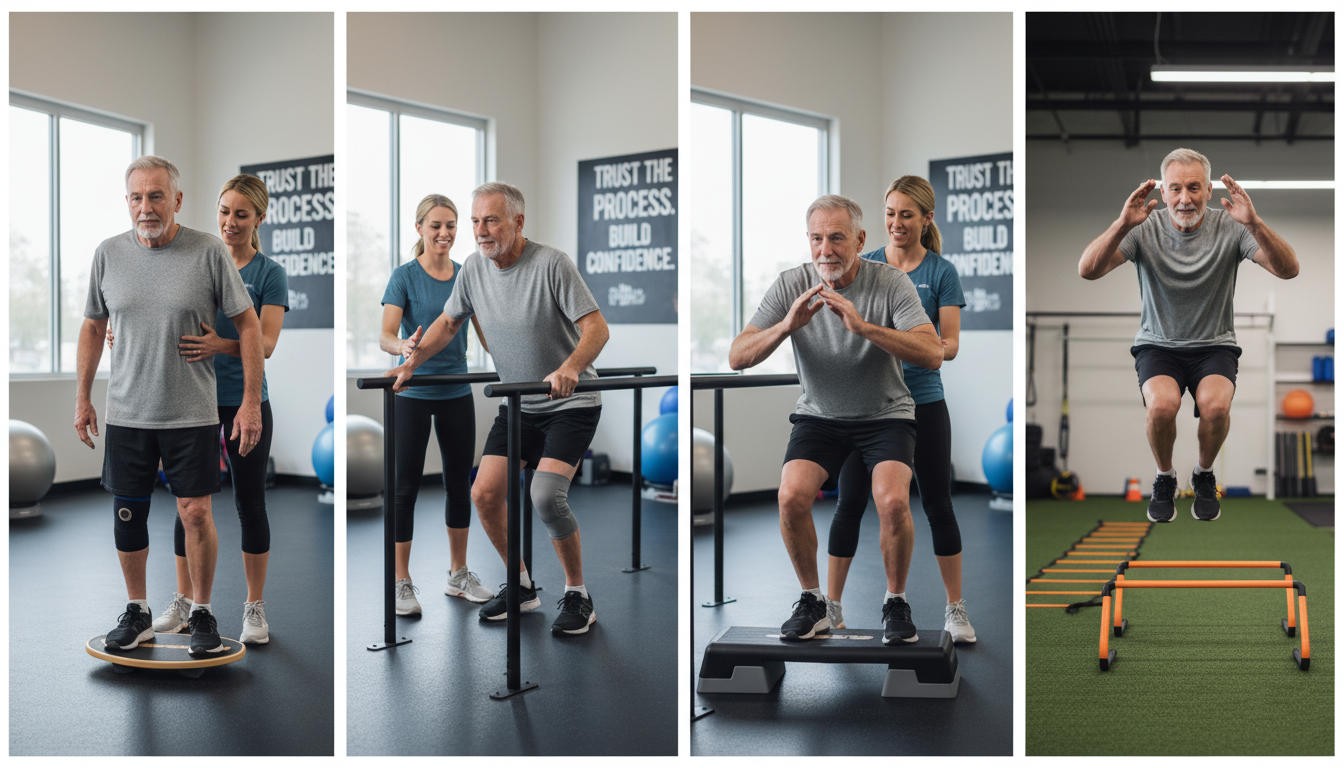
Physical therapy for an ACL tear follows a gradual and structured timeline. Each stage builds on the previous one to help the knee heal safely and regain strength.
Progress depends on how your knee responds to therapy. Your physical therapist adjusts exercises to match your comfort and ability.
Early Phase (Weeks 1–4): Reducing Pain and Swelling
The early phase focuses on protecting the knee. Swelling and pain control are the top priorities.
Gentle range-of-motion exercises help prevent stiffness. Simple muscle activation exercises support early strength without stressing the ligament.
Middle Phase (Weeks 5–12): Strengthening and Stability
During this phase, strength training becomes more important. Exercises target the quadriceps, hamstrings, and hip muscles.
Balance and coordination exercises are introduced. These movements help the knee stay stable during walking and daily activities.
Advanced Phase (3–6 Months): Functional Movement Training
The advanced phase focuses on real-life movement. Activities like stair climbing and longer walking distances are practiced.
Functional exercises prepare the knee for daily demands. The goal is to move with confidence and reduce the risk of re-injury.
Physical Therapy Exercises for ACL Tear Recovery
Physical therapy exercises play a key role in ACL tear recovery. Each exercise is chosen to improve strength, movement, and knee control.
Your physical therapist guides exercise progression to keep your knee safe. Exercises change as your strength and confidence improve.
Range of Motion Exercises for ACL Tear
Range-of-motion exercises help the knee bend and straighten properly. These movements reduce stiffness and improve comfort.
Early motion also supports better circulation. Improved circulation helps the knee heal more efficiently.
Strengthening Exercises After ACL Injury
Strengthening focuses on the muscles that support the knee. The quadriceps, hamstrings, and hip muscles work together to stabilize the joint.
Stronger muscles reduce stress on the injured ligament. This support makes daily movements safer.
Balance and Stability Exercises for Knee Control
Balance exercises improve coordination and body awareness. These skills help prevent sudden movements that could cause re-injury.
Stability training teaches the knee to stay aligned. Better control leads to more confident walking and standing.
Physical Therapy for ACL Tear Without Surgery
Not every ACL tear requires surgery. Physical therapy can be an effective option for many people, especially when the goal is safe daily movement rather than high-impact activity.
A non-surgical approach focuses on strengthening and stability. This helps the knee function well despite ligament damage.
Who Is a Good Candidate for Non-Surgical ACL Rehab?
People with partial ACL tears often respond well to physical therapy. Those with lower activity demands may also benefit from conservative care.
Adults and seniors who want to return to walking and daily tasks often choose non-surgical rehab. A physical therapist helps determine if this approach is appropriate.
How Physical Therapy Compensates for ACL Damage
Physical therapy strengthens the muscles around the knee. Strong muscles help stabilize the joint and reduce stress on the ligament.
Movement training improves how the knee responds during activity. Better control lowers the risk of sudden instability.
Long-Term Outcomes of Conservative ACL Treatment
Many people achieve good function without surgery. Daily activities can feel stable and comfortable with proper rehab.
Long-term success depends on consistency. Continuing strength and balance exercises helps protect the knee over time.
Signs Physical Therapy Is Working for Your ACL Tear
Progress during ACL recovery can feel slow at times. Knowing what improvements to look for can help you stay motivated and confident.
Physical therapy focuses on steady, safe progress. Small changes often signal that your knee is responding well to treatment.
Reduced Swelling and Improved Knee Motion
One of the first signs of progress is less swelling. Reduced swelling allows the knee to move more comfortably.
You may notice easier bending and straightening. Improved motion supports better walking and daily movement.
Better Balance and Confidence While Walking
Improved balance is another positive sign. Standing and walking may feel more stable.
Many people notice less fear of the knee giving way. This confidence helps you move more naturally throughout the day.
Returning to Daily Activities After an ACL Tear
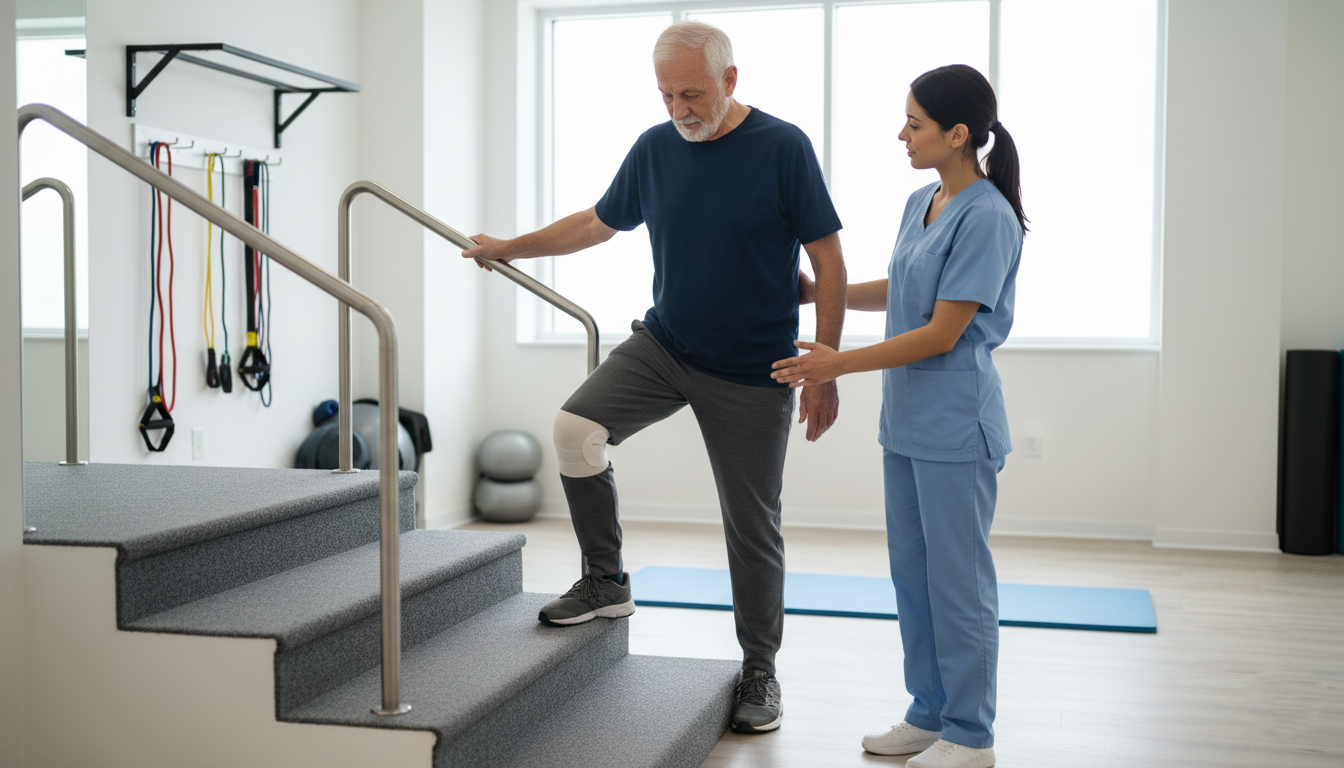
Returning to daily activities is an important milestone in ACL recovery. Physical therapy helps you move safely as your strength and stability improve.
Progression is gradual and guided. Your physical therapist ensures each step protects your knee.
Walking, Standing, and Stair Use After ACL Injury
Walking often improves first with therapy. Short distances feel easier as balance and strength return.
Stairs require more knee control. Physical therapy teaches safe techniques to go up and down with confidence.
Returning to Work After an ACL Tear
Returning to work depends on job demands. Desk jobs may allow an earlier return with proper movement breaks.
Physical jobs require more preparation. Strength and stability must support lifting, standing, and walking.
Preventing Future Knee Injuries
Ongoing strength training protects the knee. Strong muscles reduce stress on the joint.
Awareness of movement patterns also helps. Safe habits lower the risk of future injury.
Why Choose Physical Therapy for ACL Tear in Salem, Oregon
Choosing the right physical therapy clinic can impact your recovery. Local care allows for personalized treatment and consistent progress.
Working with a physical therapist who understands your daily needs makes recovery more effective. This approach supports long-term knee health.
Personalized ACL Rehab Makes a Difference
Every ACL tear is different. A personalized treatment plan ensures exercises match your strength, mobility, and goals.
One-on-one care allows adjustments as you progress. This helps avoid setbacks and keeps recovery moving forward.
Serving Salem Residents With Knee Injury Rehabilitation
Salem residents benefit from care that focuses on everyday movement. Physical therapy supports walking, balance, and confidence.
Adults and seniors often need a cautious approach. Treatment plans are designed to protect the knee while improving function.
Expert ACL Rehabilitation at HWY Physical Therapy
At HWY Physical Therapy, ACL rehabilitation focuses on safe movement and lasting strength. Care is guided by clinical experience and proven methods.
Dr. Raj at HWY Physical Therapy provides personalized treatment at the Center 50+. Each session focuses on helping you move better and feel confident.
Center 50+, Salem City Building
2615 Portland Rd NE, Salem, OR 97301
Phone: 971-202-1979
Frequently Asked Questions About Physical Therapy for ACL Tear
How Long Does Physical Therapy Take for an ACL Tear?
Physical therapy timelines vary based on the severity of the tear and your goals. Many people attend therapy for several months.
Progress depends on strength, stability, and comfort. Your physical therapist adjusts care to match your recovery speed.
Is Physical Therapy Painful After an ACL Injury?
Physical therapy should not be painful. Some discomfort may occur as muscles strengthen and movement improves.
Therapy focuses on safe, controlled progress. Exercises are adjusted if pain increases.
Can I Avoid Surgery With Physical Therapy?
Some people avoid surgery with physical therapy. Partial ACL tears and lower-impact lifestyles often respond well to conservative care.
A physical therapist helps determine if non-surgical rehab is appropriate. The focus is always on safety and function.
When Can I Walk Normally Again After an ACL Tear?
Many people walk comfortably within weeks of starting physical therapy. Full confidence may take longer.
Improvement depends on swelling control and strength. Guided therapy helps ensure safe walking progression.
Topics to Read Further
Contact HWY PT for Expert Advice and Support
Recovering from an ACL tear can feel overwhelming. Having the right guidance makes a difference in how safely and confidently you heal.
At HWY Physical Therapy, care focuses on restoring movement and protecting your knee long term. Treatment plans are personalized to match your needs and comfort level.
Dr. Raj at HWY Physical Therapy provides expert ACL rehabilitation at the Center 50+. Each session focuses on strength, stability, and confidence in everyday movement.
Center 50+, Salem City Building2615 Portland Rd NE, Salem, OR 97301
Call 971-202-1979 to schedule your evaluation today
.png)