Malnutrition is a common but often overlooked problem in older adults receiving home health care. Many seniors appear stable on the surface while quietly losing weight, strength, and energy.
Changes in appetite, mobility, or daily routines are often blamed on aging. In reality, these changes can be early signs of poor nutrition.
Home health senior patients face unique challenges. Limited mobility, difficulty preparing meals, and living alone can all affect food intake.
When malnutrition goes unnoticed, it can lead to weakness, falls, slower healing, and loss of independence. These risks increase quickly without early action.
Identifying malnutrition early allows caregivers and home health providers to step in before serious decline occurs. Small changes in nutrition can make a meaningful difference.
This article explains how to recognize malnutrition in home health seniors, what warning signs to watch for, and what steps to take when concerns arise. It also highlights why nutrition plays an important role in strength, safety, and recovery for older adults living at home.
What Is Malnutrition in Seniors and Why It’s Often Missed
Malnutrition occurs when the body does not get enough nutrients to maintain health and strength. In seniors, this can happen even when food is available.
Many signs of malnutrition are subtle. Weight loss, fatigue, and weakness may develop slowly over time.
Understanding Malnutrition vs Normal Aging
Aging alone does not cause muscle loss or extreme fatigue. These changes often signal poor nutrition or underlying health issues.
It is common to assume seniors naturally eat less. Ongoing reduced intake can quickly lead to nutritional deficits.
Malnutrition affects the body’s ability to maintain muscle and energy. This increases the risk of falls and illness.
Why Home Health Seniors Are at Higher Risk
Home health seniors often face barriers to proper nutrition. Limited mobility can make shopping and cooking difficult.
Some seniors rely on others for meals. Missed visits or lack of support can reduce food intake.
Chronic illness and medications may also affect appetite. These factors increase the risk of malnutrition at home.
Why Identifying Malnutrition Early Matters in Home Health Care
Early identification of malnutrition can prevent serious health decline. Small nutrition issues can quickly turn into major functional problems.
Seniors who receive care at home may not show obvious warning signs. Regular observation is key to early action.
How Malnutrition Affects Strength, Balance, and Mobility
Malnutrition leads to muscle loss and weakness. This makes standing, walking, and balance more difficult.
Weak muscles increase the risk of falls. Falls often lead to injuries that reduce independence.
Poor nutrition also affects endurance. Simple daily activities may feel exhausting.
Malnutrition and Slower Healing or Recovery
The body needs proper nutrition to heal. Without enough nutrients, wounds and injuries heal more slowly.
Malnutrition can limit recovery from illness or surgery. Physical therapy progress may also slow.
Early detection helps support better outcomes. Addressing nutrition improves strength, safety, and recovery.
Common Signs and Symptoms of Malnutrition in Senior Patients

Malnutrition often develops gradually in older adults. Recognizing early signs helps prevent further decline.
Caregivers and home health providers should watch for physical and behavioral changes. These changes may signal poor nutrition.
Physical Signs of Malnutrition in Elderly Patients
Unintended weight loss is a common warning sign. Clothing or jewelry may feel looser than before.
Muscle loss may be noticeable in the arms or legs. Seniors may also appear more fatigued.
Dry skin, hair thinning, or frequent illness can occur. These signs reflect weakened health.
Behavioral and Appetite-Related Warning Signs
Seniors may skip meals or eat smaller portions. Some lose interest in food altogether.
Changes in taste or difficulty chewing can affect intake. Mood changes may also reduce appetite.
These behaviors often appear before severe weight loss. Early attention helps prevent worsening malnutrition.
Quick Malnutrition Red Flags Checklist for Home Health Seniors
This checklist helps caregivers and home health providers quickly identify nutrition concerns. Spotting these red flags early can prevent serious decline.
Use this list during home visits or routine check-ins. Multiple red flags may signal a higher risk of malnutrition.
Physical Red Flags
-
Unintentional weight loss over weeks or months
-
Clothing or belts fitting more loosely
-
Visible muscle loss in arms or legs
These physical changes often indicate declining nutrition. They should not be ignored.
Nutrition and Intake Red Flags
-
Skipped meals or irregular eating patterns
-
Little food in the refrigerator or pantry
-
Difficulty chewing or swallowing
Poor intake may be due to physical or environmental barriers. These issues often worsen without support.
Functional Red Flags
-
Increased weakness or fatigue
-
Slower walking speed or difficulty standing
-
More frequent falls or near-falls
Functional decline is closely tied to poor nutrition. Early action supports safety and independence.
Risk Factors for Malnutrition in Home Health Seniors
Certain factors make malnutrition more likely in older adults receiving care at home. These risks often overlap and build over time.
Understanding these factors helps caregivers and providers stay alert. Early awareness supports prevention.
Medical, Medication, and Chronic Condition Risks
Chronic illnesses can increase the body’s nutritional needs. Conditions like heart disease or diabetes may affect appetite and energy.
Medications can change taste or cause nausea. Some medications reduce hunger or interfere with nutrient absorption.
Frequent illness also increases risk. The body may struggle to maintain strength without proper nutrition.
Social, Environmental, and Functional Risks
Living alone can limit access to regular meals. Seniors may skip meals due to loneliness or lack of motivation.
Difficulty shopping or cooking is common. Limited mobility or pain can reduce food preparation.
Financial concerns may also affect food choices. These challenges increase malnutrition risk without visible warning signs.
How Home Health Providers Can Identify Malnutrition
Home health providers play a key role in identifying malnutrition early. Regular visits offer valuable opportunities to observe changes that others may miss.
Identification does not require complex testing. Simple screening and careful observation are often enough to raise concern.
Simple Screening Tools Used in Home Health Care
Home health teams often use brief screening tools to assess nutrition risk. One common example is the Mini Nutritional Assessment, which looks at weight, appetite, and function.
These tools help flag seniors who may be at risk. Screening supports early intervention before serious decline occurs.
Even informal screening is helpful. Asking consistent questions builds a clearer picture over time.
Malnutrition Risk vs Diagnosed Malnutrition
A senior may be considered “at risk” before malnutrition is diagnosed. This means warning signs are present, even if weight loss is minimal.
Early risk identification still matters. Addressing concerns at this stage can prevent worsening health.
Waiting for severe symptoms delays care. Early action supports better outcomes.
What to Observe During Home Health Visits
Providers should observe food availability in the home. An empty refrigerator or limited meal options can signal concern.
Energy level and physical appearance are also important. Fatigue, weakness, or muscle loss may indicate poor nutrition.
Small changes over time are meaningful. Consistent documentation helps track trends and guide next steps.
How Caregivers and Families Can Spot Early Nutrition Red Flags
Family members and caregivers often notice changes first. Daily contact makes it easier to spot small shifts in eating habits or energy.
Early awareness helps prevent serious decline. Paying attention to patterns matters more than isolated events.
Questions Families Should Ask
Ask if meals are being skipped or portions are getting smaller. Changes in appetite often appear before weight loss.
Check whether food tastes different or feels harder to eat. Dental issues or swallowing difficulty can reduce intake.
Ask about fatigue and weakness. These symptoms often relate to poor nutrition.
Tracking Weight, Strength, and Daily Function
Monitoring weight over time can reveal trends. Even small losses can be meaningful in seniors.
Notice changes in strength or balance. Difficulty standing, walking, or climbing stairs may signal muscle loss.
Keeping simple notes helps providers identify concerns. Shared information supports timely intervention.
The Connection Between Malnutrition and Functional Decline
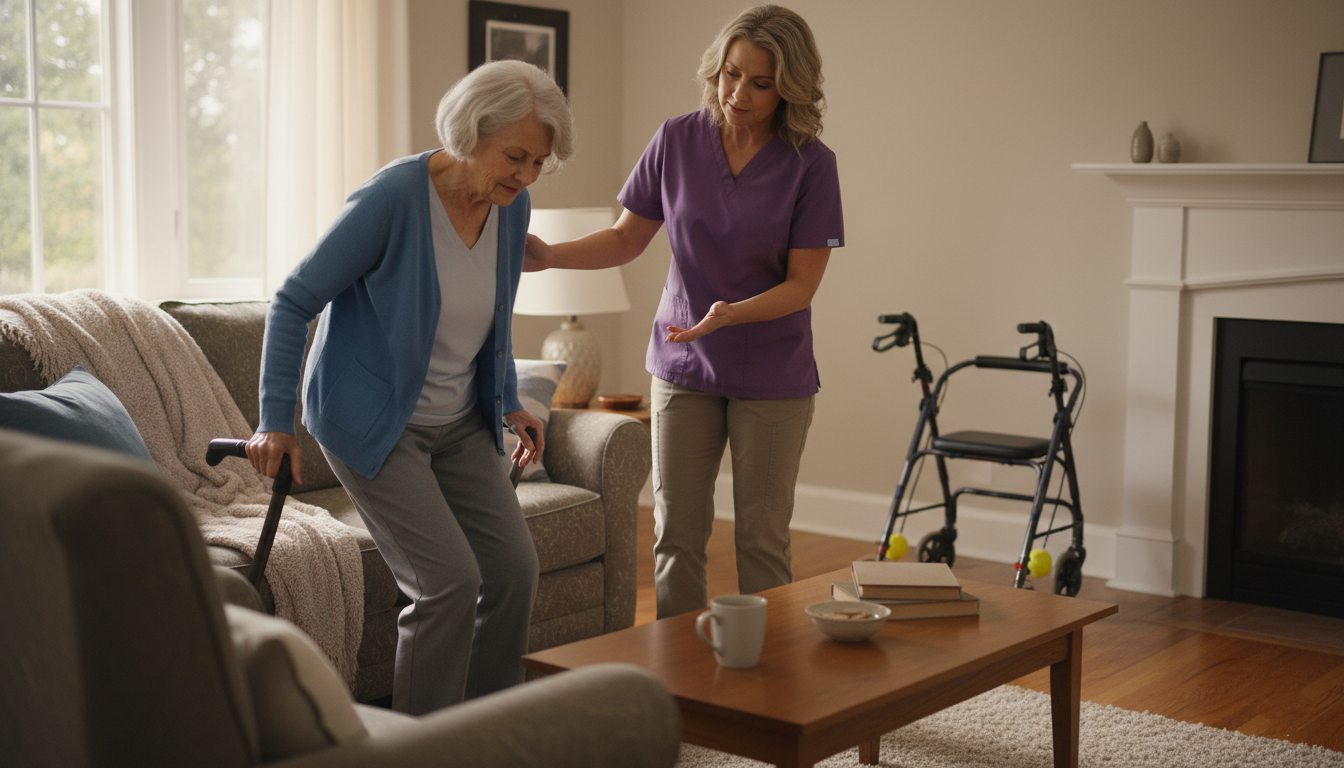
Nutrition plays a direct role in how the body functions. When seniors do not get enough nutrients, physical ability often declines.
This decline may happen faster than expected. Many changes are first noticed in movement and balance.
Malnutrition, Muscle Loss, and Fall Risk
Malnutrition leads to loss of muscle mass and strength. Weaker muscles make standing and walking more difficult.
Balance becomes harder to control as strength decreases. This significantly increases the risk of falls.
Falls can result in injury and hospitalization. Preventing malnutrition helps reduce these risks.
How Poor Nutrition Affects Independence
Poor nutrition limits energy and endurance. Daily tasks like bathing, dressing, or cooking may feel overwhelming.
As strength declines, seniors may rely more on others. Loss of independence can affect confidence and emotional health.
Supporting proper nutrition helps maintain function. This allows seniors to stay safer and more independent at home.
What to Do When Malnutrition Is Suspected
Early action is important when malnutrition is suspected. Waiting can allow health decline to progress quickly.
Clear steps help caregivers and providers respond effectively. Collaboration improves outcomes.
When to Refer to a Dietitian or Healthcare Provider
Referral is appropriate when weight loss continues or intake remains poor. Sudden changes in strength or energy also warrant attention.
Healthcare providers can assess underlying causes. Dietitians provide targeted nutrition support.
Early referral helps prevent complications. Timely care supports recovery.
Documentation and Communication in Home Health Care
Clear documentation helps track concerns. Recording changes in weight, appetite, or function is essential.
Communication with the care team is critical. Sharing observations supports coordinated care.
Prompt reporting prevents delays. Early awareness leads to faster intervention.
Early Interventions in the Home Setting
Simple changes can improve nutrition. Encouraging regular meals and hydration supports intake.
Meal assistance or reminders may help. Addressing barriers early reduces risk.
Small steps make a difference. Early intervention supports strength and safety.
Supporting Nutrition to Improve Strength and Recovery in Seniors
Nutrition plays an important role in physical strength and recovery. Without proper fuel, the body struggles to maintain muscle and energy.
Supporting nutrition helps seniors respond better to care. It also improves safety and daily function.
Nutrition’s Role in Physical Therapy Outcomes
Adequate nutrition supports muscle repair and strength. Seniors with better nutrition often tolerate therapy more easily.
Poor nutrition can limit progress. Weakness and fatigue may slow improvement.
When nutrition improves, movement often improves as well. This supports safer mobility and better balance.
Why Multidisciplinary Care Matters
Senior care works best when providers work together. Nutrition, medical care, and therapy all influence outcomes.
Communication between team members improves results. Each provider addresses different needs.
This team-based approach supports whole-person care. Seniors benefit from coordinated support.
Home Health and Senior Support in Salem, Oregon
Local support plays an important role in senior health. Access to community resources helps address nutrition and safety concerns early.
Seniors living at home benefit from coordinated care. Local services help support aging in place.
Community Resources for Senior Nutrition Support
Salem offers programs that support senior nutrition. Meal delivery services and community food programs can help improve intake.
Some seniors qualify for assistance programs. These resources reduce barriers to regular meals.
Home health teams often help connect seniors to these services. Early connection improves consistency and outcomes.
Supporting Aging in Place for Seniors in Salem
Aging in place allows seniors to remain in familiar surroundings. Proper nutrition supports this goal.
Strength, balance, and energy are key to staying independent. Addressing malnutrition helps reduce risk of falls and hospitalization.
Local support makes a difference. Seniors benefit from care close to home.
When Physical Therapy Support May Be Needed
Malnutrition often affects strength and mobility. Physical therapy may help address weakness and balance decline.
Therapy supports safe movement and independence. Nutrition and mobility work best together.
Early referral helps seniors remain active. Coordinated care improves safety at home.
Why HWY Physical Therapy Supports Whole-Person Senior Care

Senior health involves more than treating symptoms. Strength, nutrition, balance, and mobility all work together to support independence.
HWY Physical Therapy focuses on the whole person. Care is designed to support safe movement and long-term function.
Recognizing the Impact of Nutrition on Mobility
Poor nutrition often shows up as weakness or balance problems. Muscle loss can limit walking and daily activities.
Physical therapists consider nutrition-related factors during care. Recognizing these connections helps guide safer treatment plans.
When nutrition improves, movement often improves as well. This supports better outcomes and confidence.
Supporting Seniors 50+ in Salem
HWY Physical Therapy works closely with adults aged 50 and older. Care is tailored to age-related needs and safety.
The clinic supports seniors across Salem, Oregon. A community-focused approach helps patients feel supported and understood.
Whole-person care helps seniors stay active and independent. Addressing mobility and wellness together supports better aging.
Frequently Asked Questions About Malnutrition in Home Health Seniors
How Common Is Malnutrition in Home Health Seniors?
Malnutrition is more common than many people realize. Studies show a significant number of seniors receiving home health care are either malnourished or at risk.
Because symptoms develop slowly, malnutrition often goes unnoticed. Routine screening and observation are essential.
Can a Senior Be Overweight and Malnourished?
Yes, a senior can be overweight and still malnourished. Malnutrition is about nutrient intake, not body size.
A diet lacking protein, vitamins, or minerals can lead to muscle loss and weakness. Weight alone does not tell the full story.
What Is the First Sign of Malnutrition in Older Adults?
Unintended weight loss is often one of the earliest signs. Reduced appetite and fatigue may appear even sooner.
Small changes over time matter. Early signs should always be taken seriously.
Who Is Responsible for Identifying Malnutrition in Home Health?
Identification is a shared responsibility. Home health providers, caregivers, and family members all play a role.
Regular communication helps ensure concerns are addressed quickly. Teamwork leads to better outcomes.
Is Malnutrition Always Caused by Not Eating Enough?
No, malnutrition can have many causes. Illness, medications, and difficulty absorbing nutrients can all contribute.
Even seniors who eat regularly may still lack proper nutrition. Evaluation helps identify the underlying cause.
Topics to Read Further
Learning more about senior nutrition and safety can support better care at home. Trusted educational resources help caregivers and providers stay informed.
Consider exploring these topics:
Contact HWY PT for Expert Advice and Support
Nutrition and mobility work together to support senior independence. Addressing both early can prevent decline and improve safety at home.
If you are concerned about strength, balance, or functional decline related to nutrition, HWY Physical Therapy – Center 50+ can help.
2615 Portland Rd NE, Salem, OR 97301
Call 971-202-1979 to speak with our team and learn how we support seniors in Salem, Oregon.

.png)