Dehydration is more common in seniors than many families realize, especially for homebound older adults who depend on others to manage daily routines. Understanding how dehydration affects the body helps caregivers prevent serious complications and support safe, comfortable living.
Why Dehydration Is a Serious Risk for Seniors at Home
This section explains why older adults face higher dehydration risks and how daily home routines can make the problem even harder to detect.
Understanding What Dehydration Really Means
Dehydration happens when the body loses more fluid than it replaces. Seniors are especially vulnerable because fluid balance becomes harder to maintain with age.
When dehydration sets in, the body struggles to regulate temperature and circulation, which affects everything from energy levels to brain function.
Why the Aging Body Handles Fluids Differently
Older adults feel thirst less often, so they may not drink enough during the day. Their kidneys also become less efficient at conserving fluids as they age.
Some seniors have chronic medical conditions that increase fluid loss, making dehydration more likely even with regular drinking.
Common Situations at Home That Trigger Dehydration
Many homebound seniors avoid getting up often because walking feels tiring or painful, so they drink less to reduce bathroom trips. Some forget to drink because of memory changes or distractions during the day.
Warm indoor environments, medications, and limited mobility create a cycle where dehydration becomes easy to miss until symptoms grow more serious.
Early Signs of Dehydration in Homebound Seniors
This section helps caregivers spot dehydration early so they can act before symptoms lead to weakness, confusion, or medical complications.
Physical Symptoms That Shouldn’t Be Ignored
Dry mouth, reduced urine output, and dark urine are early indicators that a senior is not drinking enough. Some seniors also feel dizzy when standing or notice headaches during the day.
These symptoms may appear mild at first but often worsen quickly when fluid intake stays low.
Behavioral and Mood-Related Changes Linked to Dehydration
A dehydrated senior may seem unusually tired or less engaged in conversation. Irritability or sudden mood changes can appear when the brain does not get enough fluid.
Some seniors lose interest in daily routines because dehydration affects energy and concentration.
Warning Signs That Suggest Severe Dehydration
Severe dehydration can cause confusion, rapid heartbeat, or difficulty staying alert. Some seniors may feel faint or unsteady while walking.
These signs require quick attention because they can lead to falls or sudden health decline in homebound older adults.
Dehydration Risk Factors Checklist for Homebound Seniors
This section gives caregivers a simple checklist to identify what increases dehydration risk at home. These factors help you understand why some seniors become dehydrated more quickly than others.
Medical Conditions That Increase Risk
Chronic conditions like diabetes, kidney issues, and heart problems make it harder for seniors to maintain healthy fluid levels. Some illnesses cause increased urination, which leads to faster fluid loss.
Cognitive changes such as dementia may also affect a senior’s ability to recognize thirst or ask for water.
Lifestyle and Environmental Risks
Homebound seniors who sit for long periods often drink less because they don’t feel thirsty during inactivity. Warm indoor temperatures or poor ventilation can cause the body to lose more fluid without anyone noticing.
Seniors who limit drinking to avoid frequent bathroom trips are also at higher risk.
Home Environment Factors That Contribute to Low Hydration
Water may be out of reach or placed in spots that are difficult to access with mobility issues. Some seniors rely on others to refill cups or bottles and may go hours without fresh water.
Bright lighting, noise, or clutter may distract them from drinking throughout the day.
Simple At-Home Tests to Catch Dehydration Early
This section gives caregivers quick ways to check for dehydration without equipment. These simple tests help you spot problems before they affect strength or mobility.
Skin Turgor Pinch Test
Gently pinch the skin on the back of the hand and watch how fast it returns to normal. Skin that stays lifted or drops slowly may indicate dehydration.
This test works well for seniors because it shows changes in fluid levels quickly.
Urine Color Check
A darker urine color often signals that a senior is not drinking enough water. Pale yellow usually means hydration is at a healthy level.
If urine becomes amber or tea-colored, dehydration may be progressing.
Energy and Alertness Check
Notice how quickly a senior tires during simple tasks or daily routines. A sudden drop in energy or alertness often appears before other dehydration symptoms.
If they seem unusually slow or foggy, fluid intake may need to increase.
How Dehydration Affects Mobility, Balance, and Strength
This section explains how dehydration weakens the body and increases fall risk in homebound seniors. Understanding these effects helps families take hydration more seriously.
Muscle Weakness and Fatigue from Low Fluids
Muscles need water to contract properly and stay energized during movement. When seniors become dehydrated, their muscles fatigue faster and feel heavy.
This weakness makes daily tasks like standing, walking, or transferring from a chair much harder.
Balance Problems and Increased Fall Risk
Even mild dehydration can affect balance because the body struggles to regulate blood pressure. Seniors may feel lightheaded or unstable when they stand up.
These moments of dizziness often lead to falls, especially on slippery floors or uneven surfaces at home.
Joint Stiffness and Slower Reaction Time
Low fluid levels make joints feel stiff, which affects how smoothly seniors move during daily activities. Stiffness also slows reaction time when catching balance.
This combination increases the chance of missteps that can cause sudden falls.
Cognitive and Emotional Effects of Dehydration in Older Adults
This section explains how dehydration affects brain function and emotional well-being in seniors. These changes are often mistaken for aging or illness, making hydration even more important.
Confusion and Memory Changes That Mimic Dementia
Low fluid levels reduce blood flow to the brain, which affects memory and thinking speed. Seniors may seem forgetful or confused even during simple conversations.
These symptoms improve with proper hydration, which makes it important to check fluid intake before assuming cognitive decline.
Mood Shifts and Irritability from Low Hydration
Dehydration affects chemicals in the brain that regulate mood. A normally calm senior may become irritable or withdrawn.
Caregivers often notice these shifts during hot days or after long periods without water.
How Brain Function Declines with Ongoing Dehydration
Chronic dehydration makes it harder for the brain to stay alert and focused. Seniors may feel foggy or struggle to follow routines.
These issues can affect safety because clear thinking is necessary for balance, mobility, and decision-making at home.
Health Complications Caused by Chronic Dehydration
This section explains the long-term health issues that dehydration can create in seniors. These complications often develop quietly and can become serious without early action.
Urinary Tract Infections and Kidney Stress
Low fluid intake makes urine more concentrated, which irritates the bladder and increases the chance of infection. Seniors may feel burning, urgency, or discomfort during bathroom trips.
Dehydration also forces the kidneys to work harder, which can lead to long-term strain or worsening of existing kidney conditions.
Circulation Problems and Low Blood Pressure
Dehydration reduces overall blood volume, which makes it harder for the heart to circulate blood effectively. Seniors may feel weak, cold, or fatigued because of poor circulation.
Low blood pressure can cause dizziness and sudden lightheadedness, which increases the risk of fainting.
Heat Sensitivity in Salem Oregon Weather Patterns
Warm days in Salem can cause seniors to lose fluid faster without noticing it. Indoor heating during colder months also dries the air and speeds up fluid loss.
These shifts make hydration extra important for homebound seniors who may not sense heat or thirst as quickly as younger adults.
Common Causes of Dehydration in Seniors at Home
This section breaks down the everyday reasons seniors become dehydrated while living at home. Understanding these causes helps families prevent problems before they start.
Reduced Thirst and Forgetfulness
Seniors often feel less thirsty even when their bodies need water. This natural change makes it easy for dehydration to develop quietly.
Memory challenges or cognitive changes may also cause seniors to forget to drink throughout the day.
Medications That Increase Fluid Loss
Certain medications increase urination or reduce the body’s ability to retain water. Diuretics, laxatives, and some blood pressure drugs are common examples.
Seniors who take multiple medications may lose fluids more quickly without realizing it.
Mobility Limits That Reduce Access to Water
Some seniors avoid drinking because walking to the bathroom feels tiring or difficult. Others may not drink enough because their water source is out of reach.
If a senior relies on someone else to refill cups or bottles, long gaps between visits can reduce daily intake.
Hydration & Mobility Connection
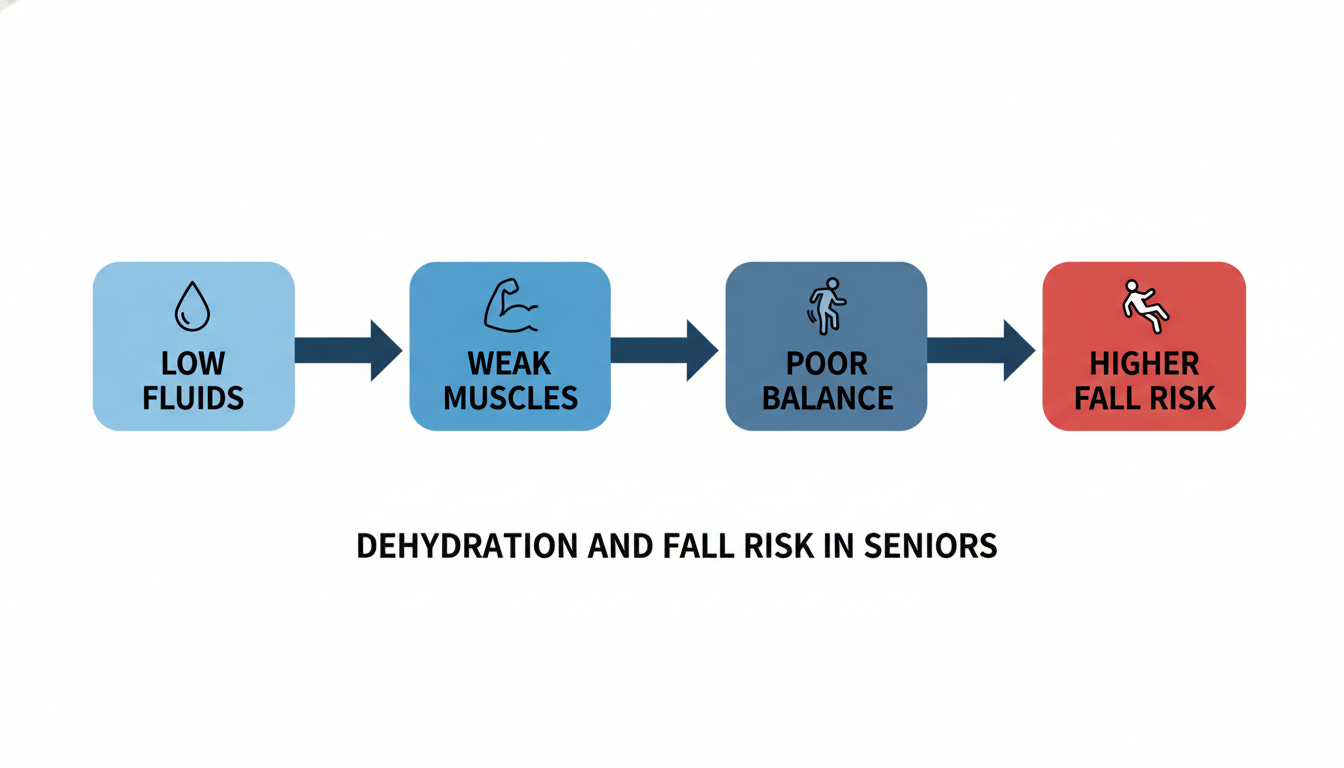
This section explains how hydration and movement work together to keep seniors safe at home. Understanding this connection helps caregivers protect mobility and prevent falls.
How Low Fluid Impacts Muscles and Joints
Dehydration reduces the fluid that cushions joints and supports muscle function. Muscles become tired faster and joints feel stiff during daily tasks.
These changes make movement less steady and increase the chance of missteps.
The Hydration–Balance–Falls Cycle
Low hydration weakens muscles and slows reflexes, which affects balance. Seniors may wobble or feel unsteady when standing or turning.
This cycle can quickly lead to falls, especially in tight spaces or cluttered rooms at home.
Quick Wins to Improve Daily Movement
Small improvements in hydration can boost energy and make walking safer. Caregivers can encourage drinking a little water every hour to support steady movement.
Adding short standing or stretching breaks also helps the body stay flexible and balanced.
Simple At-Home Hydration Strategies for Seniors
This section offers practical ways to help seniors drink more water each day. These strategies work well for homebound older adults who need simple, consistent routines.
Hydration Routines and Visual Reminders
Setting a drinking schedule helps seniors take small sips throughout the day. A cup placed in a visible spot can remind them to drink without needing prompts.
Caregivers can also use notes or labeled bottles to make the routine easy to follow.
Best Fluids to Encourage Daily Intake
Water is the best choice, but flavored water or herbal teas can make drinking more enjoyable. Some seniors prefer warm drinks because they feel soothing and easy to sip.
Broths, smoothies, or diluted juices add hydration while offering extra nutrients.
Easy-to-Implement Caregiver Tips for Homebound Seniors
Offering water during meals and medications helps create natural drinking opportunities. Light snacks like fruit with high water content support hydration too.
Caregivers can track how much a senior drinks each day to make sure intake stays steady and safe.
At-Home Hydration Monitoring Tools
This section describes simple tools caregivers can use to help seniors stay hydrated. These methods work in any home and do not require special equipment.
Using Hydration Charts and Timers
A hydration chart helps track how much a senior drinks throughout the day. It makes it easy to spot low intake early.
Timers or phone alerts can remind seniors and caregivers when it’s time for a small drink.
Cup and Bottle Marking Systems
Using bottles with marked levels shows seniors exactly how much they need to drink by certain times. This method is helpful for those who forget easily.
Brightly colored cups or labeled glasses can also make hydration more engaging and easy to follow.
Low-Tech and No-Tech Ways to Track Fluids
Some caregivers place a set number of water bottles on the counter and remove one each time the senior finishes a drink. This creates a simple visual cue.
Using mealtimes, TV shows, or daily routines as reminders is another low-tech way to structure hydration.
Myths About Senior Hydration
This section corrects common misunderstandings that keep seniors from drinking enough. Clearing up these myths helps families support healthier hydration habits.
“I’m Not Thirsty, So I Don’t Need Water”
Many seniors feel less thirsty even when their bodies need fluids. Relying on thirst alone often leads to dehydration.
Small, steady sips throughout the day help maintain balance even without feeling thirsty.
“Tea and Coffee Count as Hydration”
Some drinks contain caffeine, which can increase fluid loss for certain seniors. While these beverages add some hydration, they cannot replace water.
Encouraging a mix of water and low-caffeine options supports better fluid balance.
“Drinking Less Prevents Bathroom Trips”
Many seniors avoid drinking because walking to the bathroom feels tiring or uncomfortable. This habit can lead to dehydration and greater weakness.
Improving hydration actually supports bladder health and helps seniors move more comfortably over time.
How Physical Therapy Helps Seniors Affected by Dehydration
This section explains why physical therapy is important when dehydration affects strength and mobility. A guided program helps seniors regain confidence and move safely at home.
Restoring Strength and Reducing Fall Risk
Dehydration weakens muscles, which makes walking and standing more difficult. A physical therapist designs exercises that build strength at a safe and steady pace.
Improved muscle strength reduces fall risk and helps seniors stay independent longer.
Improving Balance and Gait in Older Adults
PT sessions focus on balance training to help seniors feel steadier during daily activities. Therapists also check how the feet and legs move during walking.
Small adjustments in movement can prevent sudden wobbles or missteps that often lead to falls.
Why Homebound Seniors Benefit from Personalized PT in Salem OR
Seniors who spend most of their time at home often need mobility support tailored to their daily environment. Dr. Raj at HWY Physical Therapy creates plans that match each person’s home setup and comfort level.
These personalized programs help seniors rebuild strength, regain confidence, and stay safe in their own homes.
Special Considerations for Dehydration in Salem Oregon
This section highlights local factors in Salem that influence hydration needs for homebound seniors. Understanding these seasonal and environmental changes helps families stay ahead of dehydration risks.
Seasonal Weather and Hydration Challenges
Warm summer days in Salem can cause seniors to lose fluids faster without realizing it. Many older adults stay indoors during hot weather, but indoor heat can still lead to dehydration.
Cold winter months also increase risk because heaters dry the air, which makes the body lose moisture more quickly.
Hydration Tips for Seniors During Hot and Cold Months
During warmer seasons, seniors benefit from extra sips of water throughout the day. Light snacks like fruit can help replace lost fluids without overwhelming the appetite.
In colder months, warm drinks such as herbal teas or broths make hydration feel more comfortable for seniors who dislike cold beverages.
Community Resources That Support Senior Wellness
Salem offers several senior-friendly programs that encourage healthy habits. Community centers, meal programs, and volunteer groups often check in on older adults who need extra support.
These resources help families stay informed and can make hydration routines easier to manage at home.
Case Example: Helping a Salem Senior Recover from Dehydration-Related Weakness
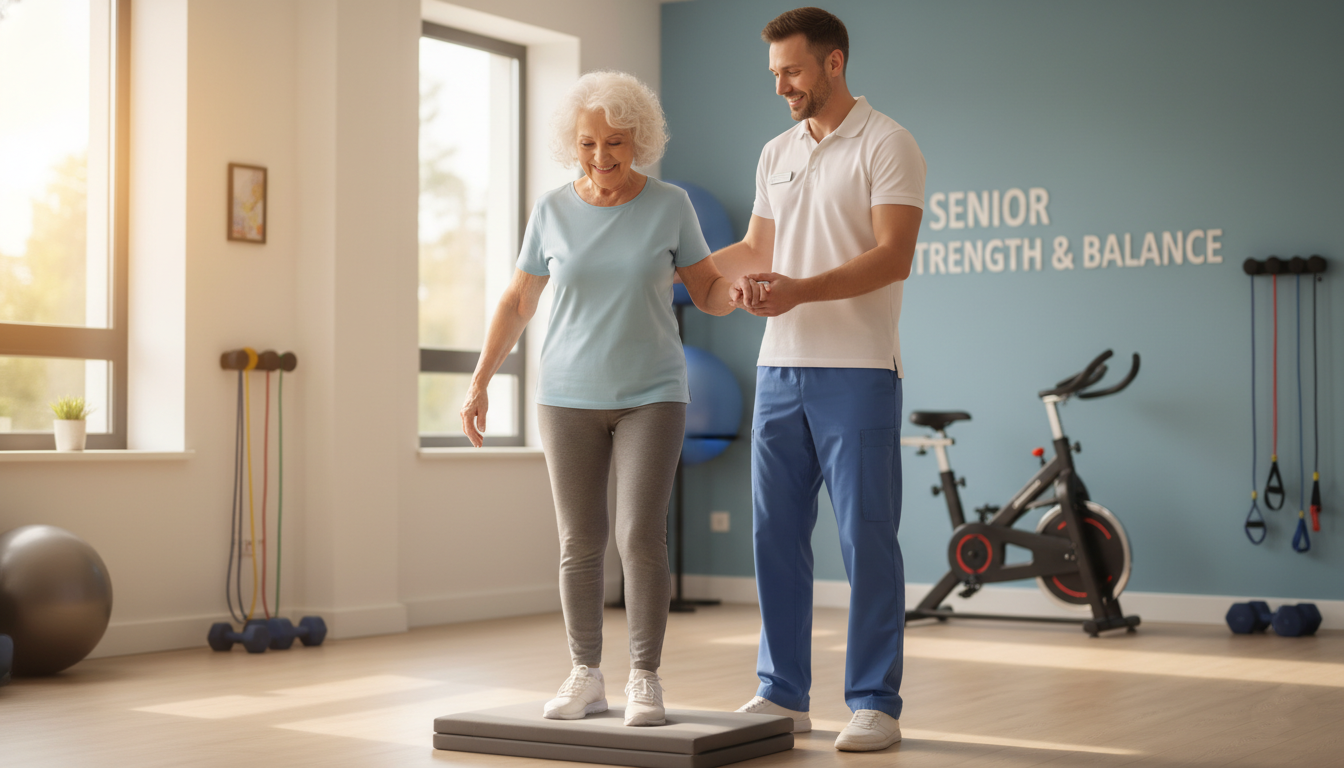
This section shares a relatable story about a Salem senior who experienced dehydration-related weakness. It shows how the right support and physical therapy can restore confidence and strength at home.
How Dehydration Began Affecting Daily Life
Linda, a 76-year-old Salem resident, began feeling unusually tired during her morning routine. She found herself sitting down more often because her legs felt heavy and unsteady.
Her family noticed she seemed confused during conversations and moved much slower than usual. These changes happened over several days and left her feeling frustrated and nervous about walking indoors.
The Step-by-Step Plan from Dr. Raj at HWY Physical Therapy
When Linda visited Dr. Raj at HWY Physical Therapy, he found that dehydration had weakened her muscles and affected her balance. He created a simple plan that started with gentle strength training and safe balance exercises.
He also showed her family how to set up hydration reminders using labeled cups and a daily chart. These tools helped Linda stay consistent with her fluid intake at home.
Improvements in Strength, Clarity, and Confidence
Within two weeks, Linda felt more alert and had fewer episodes of dizziness. Her legs felt stronger, and she could move from room to room without stopping to rest.
After six weeks of treatment and better hydration habits, she regained her steady walking pattern and felt confident moving safely around her home again.
When to Seek Professional Help for a Dehydrated Senior at Home
This section explains when dehydration becomes too risky to manage alone. Knowing these signs helps caregivers act quickly and keep seniors safe at home.
Signs That Require Immediate Attention
Severe dehydration can cause confusion, rapid heartbeat, or extreme weakness. Seniors may struggle to stand, lose balance, or collapse without warning.
If a senior becomes unusually drowsy, stops drinking altogether, or shows signs of fainting, it is important to seek help right away.
What to Expect During a Physical Therapy Visit
A physical therapist checks how dehydration has affected strength, balance, and mobility. They look at how the senior stands, walks, and moves through daily tasks.
The goal is to find where weakness or instability increases fall risk and then create a plan that improves safety and confidence.
Why Choose HWY Physical Therapy for Senior Care in Salem OR
Dr. Raj at HWY Physical Therapy offers one-on-one care that supports safe movement and stronger hydration habits. He builds personalized plans that match each senior’s physical needs and home environment.
This approach helps seniors recover strength, reduce fall risk, and stay independent in their homes.
How to Prevent Recurrent Dehydration in Homebound Seniors
This section gives caregivers simple habits that keep seniors hydrated long-term. These steps make daily routines easier and help prevent recurring dehydration episodes.
Daily Habits That Support Healthy Hydration
Small sips of water throughout the day help seniors stay hydrated without feeling overwhelmed. Pairing drinks with meals or medication times creates natural reminders.
Keeping water within arm’s reach encourages regular drinking, especially for seniors with mobility challenges.
Safe Movement and Activity Ideas
Light movement helps improve circulation and makes hydration more effective. Simple walks around the house or short stretching routines keep the body feeling energized.
These activities also support better balance and reduce the risk of dehydration-related weakness.
Long-Term Caregiver Strategies
Caregivers can use labeled cups, reminder charts, or set schedules to support steady drinking habits. Offering hydrating snacks like fruit or broth makes intake easier.
Checking in regularly helps catch early signs of dehydration so seniors stay safe and comfortable at home.
Frequently Asked Questions About Dehydration in Seniors
This section answers common questions families have about dehydration in older adults. These simple explanations help caregivers feel more confident supporting hydration at home.
How Much Water Should a Senior Drink?
Most seniors do well with small amounts of water spread throughout the day. Large amounts at once can feel overwhelming or lead to discomfort.
The goal is steady hydration rather than hitting a specific number, especially for seniors with medical conditions.
Can Dehydration Cause Confusion or Hallucinations?
Yes, dehydration can affect the brain and cause confusion, irritability, or mental fog. Some seniors may seem disoriented or have trouble following conversations.
These changes often improve once hydration levels return to normal.
What If a Senior Refuses to Drink Water?
Try offering flavored water, warm teas, broth, or fruit with high water content. These options feel easier to drink and can boost hydration.
If refusal continues or symptoms worsen, caregivers may need guidance to create a plan that supports safe fluid intake.
Topics to Read Further
These helpful resources offer more information about hydration, aging, and senior health. They provide extra support for families caring for seniors at home.
Contact HWY PT for Expert Advice and Support
If dehydration has affected a senior’s strength, balance, or daily comfort, expert support can make home life safer. Dr. Raj at HWY Physical Therapy offers personalized care that helps seniors regain mobility and confidence.
Visit the clinic at Center 50+, 2615 Portland Rd NE, Salem, OR 97301 or call 971-202-1979 to schedule a session.
.png)