Difficulty walking can be frustrating, especially when nerve pain is involved. What may start as occasional tingling, numbness, or burning sensations in the feet can gradually make everyday movement feel more challenging.
Many people describe feeling unsteady, weak, or disconnected from the ground beneath them. Others notice that walking longer distances becomes harder or that they need to pay closer attention to every step they take.
Nerve pain affects more than comfort. It can impact balance, coordination, confidence, and independence. Activities such as shopping, climbing stairs, walking through a parking lot, or simply moving around the house may begin to require more effort.
In some cases, pain is not even the biggest problem. Numbness, muscle weakness, and changes in sensation can make walking feel awkward or unsafe even when pain levels are relatively low.
The good news is that difficulty walking due to nerve pain is not something you have to ignore. Understanding the cause of your symptoms and seeking appropriate treatment can help improve mobility and reduce the risk of future problems.
Physical therapy, balance training, strength exercises, and newer rehabilitation technologies may all play a role in helping people move more comfortably and confidently.
In this guide, you'll learn why nerve pain can affect walking, how it impacts daily life, and what treatment options may help you regain mobility, stability, and confidence.
Why Nerve Pain Can Make Walking Difficult
Walking may seem like a simple activity, but it depends on a complex system of nerves, muscles, joints, and balance mechanisms working together. When nerve pain or nerve damage disrupts that system, even routine movements can become challenging.
For some people, the change happens gradually. Others notice a sudden difference in their ability to walk comfortably or confidently.
Understanding how nerves influence movement can help explain why symptoms such as numbness, tingling, weakness, and pain often affect mobility.
How Healthy Nerves Support Walking
Every step you take depends on communication between your brain, spinal cord, muscles, and sensory nerves.
Healthy nerves help:
- Tell muscles when to contract
- Coordinate movement patterns
- Provide information about foot placement
- Detect changes in terrain and surface conditions
- Help maintain balance and stability
Your feet constantly send information back to your brain about pressure, position, and movement. This feedback allows your body to make quick adjustments while walking.
Most people never think about this process because it happens automatically.
What Happens When Nerves Are Damaged or Irritated
When nerves become damaged, compressed, or irritated, communication between the brain and body can become less reliable.
This may result in symptoms such as:
- Burning pain
- Tingling sensations
- Numbness
- Muscle weakness
- Reduced coordination
- Changes in balance
When nerve signals are disrupted, the body may struggle to accurately detect foot position or respond quickly to changes in the environment.
As a result, walking can feel slower, less stable, or more physically demanding.
Some people describe feeling as though they must consciously think about every step instead of walking naturally.
Others report feeling uncertain on uneven surfaces, stairs, or crowded areas where quick adjustments are required.
Common Causes of Nerve Pain That Affect Walking
Several conditions can interfere with nerve function and contribute to walking difficulties.
Common causes include:
- Peripheral neuropathy
- Diabetes-related nerve damage
- Sciatica
- Lumbar spine conditions
- Nerve compression syndromes
- Injuries affecting nerves
- Certain autoimmune disorders
- Chemotherapy-related neuropathy
Peripheral neuropathy is one of the most common causes of nerve-related walking problems. It often affects the feet and lower legs first, leading to numbness, tingling, burning sensations, and balance difficulties.
Regardless of the cause, nerve pain and nerve dysfunction can affect more than physical comfort. They can change how confidently a person moves through daily life and increase the risk of falls if left unaddressed.
Recognizing these changes early is often the first step toward improving mobility and maintaining independence.
Symptoms of Nerve Pain That Can Affect Mobility

Many people assume nerve pain only causes discomfort. In reality, nerve-related conditions often affect several aspects of movement, balance, and coordination at the same time.
The combination of pain, numbness, weakness, and sensory changes can make walking feel unpredictable and physically demanding.
Recognizing these symptoms can help you understand why mobility may be changing and when it may be time to seek help.
Burning, Tingling, and Sharp Pain
One of the most common signs of nerve irritation is unusual sensations in the feet or legs.
People often describe symptoms such as:
- Burning pain
- Tingling or "pins and needles"
- Electric shock sensations
- Sharp, shooting pain
- Increased sensitivity to touch
These symptoms may become more noticeable during walking because movement places additional demands on the nervous system.
Some individuals find that symptoms worsen after long periods of standing or activity. Others experience discomfort even during short walks.
Pain can change the way a person moves. To avoid discomfort, they may begin altering their walking pattern, which can place extra stress on muscles and joints.
Numbness in the Feet and Legs
Numbness can be just as disruptive as pain.
Healthy nerves help you feel the ground beneath your feet and detect changes in surface conditions. When sensation decreases, walking may feel less predictable.
People commonly report:
- Reduced feeling in the toes
- Numbness in the soles of the feet
- Difficulty sensing foot placement
- Feeling disconnected from the ground
Without accurate sensory feedback, maintaining balance becomes more challenging.
Even small changes in sensation can affect confidence while walking.
Muscle Weakness and Foot Drop
Nerves play an important role in controlling muscle activity.
When nerve signals are disrupted, muscles may not function as effectively as they should.
This can lead to:
- Leg weakness
- Difficulty lifting the foot
- Trouble climbing stairs
- Reduced walking endurance
- Slower movement
Some people develop a condition known as foot drop, where lifting the front part of the foot becomes difficult.
Foot drop can increase the risk of tripping because the toes may catch the ground during walking.
Balance Problems and Walking Instability
Balance depends on the brain receiving accurate information from the feet, muscles, joints, and inner ear.
When nerve damage affects sensation in the lower legs or feet, balance can suffer.
Common signs include:
- Feeling unsteady while walking
- Difficulty walking in the dark
- Increased reliance on handrails
- Trouble navigating uneven surfaces
- Frequent stumbles or near-falls
Many people notice these changes before they experience significant pain.
Why Some People Feel Like They Are Walking on Cotton or Pebbles
A common complaint among people with neuropathy is the feeling that they are walking on cotton, cushions, sand, or small pebbles.
This sensation occurs because damaged nerves may send distorted sensory information to the brain.
As a result, the feet may feel:
- Thick or swollen even when they are not
- Soft and disconnected from the ground
- Unstable during walking
- Difficult to control precisely
These unusual sensations can make people hesitant to walk, especially outdoors or on unfamiliar surfaces.
Many patients are surprised to learn that this symptom is often related to sensory loss rather than pain itself.
Because these changes can affect balance and confidence, they should not be ignored. Early intervention may help address the underlying issues before mobility limitations become more significant.
How Nerve Pain Impacts Everyday Activities
Nerve pain affects much more than walking from one place to another. It can influence nearly every aspect of daily life, from running errands to participating in social activities.
Many people adjust their routines without realizing how much nerve-related symptoms are limiting their mobility. Over time, these adjustments can reduce activity levels and affect overall quality of life.
Walking Through Stores and Public Places
Walking through a grocery store, shopping center, or large public building can become surprisingly difficult when nerve pain affects the feet or legs.
Many people experience:
- Increased pain during longer walks
- Difficulty navigating crowded spaces
- Fatigue after standing for extended periods
- Uncertainty when changing direction quickly
- Reduced confidence while walking on hard surfaces
What was once a simple errand may start requiring more planning and frequent rest breaks.
Some individuals begin avoiding certain places altogether because walking becomes too uncomfortable or exhausting.
Climbing Stairs and Navigating Uneven Surfaces
Stairs require strength, coordination, balance, and accurate foot placement.
When nerve pain, numbness, or weakness affects the lower body, stairs can feel much more challenging.
Common concerns include:
- Difficulty lifting the foot onto the next step
- Feeling unstable while descending stairs
- Increased reliance on handrails
- Fear of tripping
- Trouble navigating curbs or uneven sidewalks
Uneven surfaces often create additional challenges because the body receives less accurate information from the feet.
This can make outdoor activities feel less predictable and increase the risk of falls.
Standing for Extended Periods
Many people with nerve-related conditions notice that standing still becomes uncomfortable before walking does.
Activities such as:
- Waiting in line
- Cooking meals
- Attending events
- Household chores
may become more difficult because symptoms increase over time.
Burning sensations, numbness, weakness, and fatigue can all contribute to discomfort during prolonged standing.
As a result, people may begin looking for opportunities to sit down more frequently throughout the day.
Household Activities and Community Participation
Mobility limitations often extend into daily responsibilities and social activities.
Tasks that may become more difficult include:
- Carrying groceries
- Cleaning the house
- Doing yard work
- Attending community events
- Visiting family and friends
- Participating in hobbies
Over time, some individuals reduce their activity levels to avoid discomfort or prevent falls.
Unfortunately, becoming less active can contribute to further weakness, reduced endurance, and decreased confidence.
This is why addressing walking difficulties early is so important. Maintaining mobility often plays a key role in preserving independence, social connections, and overall quality of life.
The Connection Between Neuropathy, Balance Problems, and Fall Risk

Many people think of neuropathy as a condition that causes pain, tingling, or numbness. What often goes unnoticed is how significantly neuropathy can affect balance and increase the risk of falls.
When the nerves in your feet and legs stop providing accurate information to your brain, maintaining stability becomes much more difficult.
This is one reason many people with neuropathy report feeling unsteady even when they are standing still.
Why Numbness Affects Balance
Your feet constantly send information to your brain about where your body is positioned.
This information helps you:
- Stay upright
- Adjust to uneven surfaces
- Shift your weight safely
- React to changes in terrain
- Maintain coordination while walking
When neuropathy causes numbness, that feedback becomes less reliable.
Without clear information from the feet, the brain has a harder time making the adjustments needed to maintain balance.
Many people describe this experience as feeling disconnected from the ground or unsure of where their feet are while walking.
How Reduced Sensation Changes Walking Mechanics
When sensation decreases, the body often develops compensatory movement patterns.
People may begin to:
- Walk more slowly
- Take shorter steps
- Watch their feet while walking
- Widen their stance for stability
- Avoid uneven surfaces
While these changes may feel safer initially, they can create new challenges.
Abnormal walking patterns may increase fatigue, place extra stress on joints, and reduce overall walking efficiency.
Over time, these changes can contribute to reduced confidence and decreased activity levels.
Signs You May Be at Increased Risk of Falling
Certain symptoms may indicate that neuropathy is beginning to affect balance and walking safety.
Warning signs include:
- Frequent stumbling
- Near-falls
- Difficulty walking in dim lighting
- Trouble on stairs
- Increased reliance on handrails
- Holding onto furniture while walking
- Feeling unsteady on uneven surfaces
- Avoiding activities because of balance concerns
Many people dismiss these symptoms because they have not experienced a fall yet.
However, near-falls are often an early warning sign that should not be ignored.
Why Early Intervention Matters
Balance problems tend to worsen when the underlying causes are not addressed.
As mobility decreases, people often become less active. This can lead to:
- Muscle weakness
- Reduced endurance
- Poorer balance
- Greater fear of falling
- Increased dependence on others
Early intervention can help break this cycle.
Physical therapy, balance training, strength exercises, and mobility-focused treatment plans can help improve stability and confidence before a serious fall occurs.
Addressing symptoms early often provides the best opportunity to maintain independence and continue participating in everyday activities safely.
What Can Help Improve Walking When Nerve Pain Is the Cause?
Walking difficulties caused by nerve pain can feel overwhelming, but there are often ways to improve mobility, stability, and confidence. The most effective approach depends on the underlying cause of the symptoms and how significantly they are affecting daily life.
The goal is not simply to reduce pain. The goal is to help you move more comfortably and safely throughout the day.
Addressing the Underlying Cause
Nerve pain can develop for many reasons.
Some of the most common causes include:
- Peripheral neuropathy
- Diabetes-related nerve damage
- Sciatica
- Nerve compression
- Spinal conditions
- Injury-related nerve problems
Because treatment varies depending on the cause, obtaining an accurate diagnosis is an important first step.
Managing the underlying condition may help slow symptom progression and improve overall function.
Lifestyle Changes That Support Nerve Health
Healthy habits can play an important role in supporting nerve function and mobility.
Helpful strategies may include:
- Staying physically active
- Managing blood sugar levels when appropriate
- Maintaining a healthy weight
- Following a balanced diet
- Staying hydrated
- Getting adequate sleep
- Avoiding tobacco use
Small lifestyle improvements often work best when combined with a structured treatment plan.
Consistency is usually more important than dramatic changes.
Exercises That Promote Strength and Stability
Movement is one of the most important tools for maintaining mobility.
Appropriately prescribed exercises can help improve:
- Leg strength
- Balance
- Walking mechanics
- Endurance
- Coordination
Examples may include:
- Sit-to-stand exercises
- Heel raises
- Balance drills
- Walking exercises
- Flexibility training
- Functional strengthening activities
The right exercise program should match your current abilities and mobility level.
Exercises that are too difficult can increase frustration, while exercises that are too easy may not produce meaningful improvement.
Why Avoiding Walking Can Make Symptoms Worse
When walking becomes uncomfortable, many people naturally try to do less of it.
While this response is understandable, avoiding activity completely can create new problems.
Reduced activity often leads to:
- Muscle weakness
- Loss of endurance
- Reduced balance
- Increased stiffness
- Greater fear of movement
As these changes develop, walking may become even more difficult.
This creates a cycle where symptoms lead to inactivity, and inactivity contributes to further mobility loss.
The goal is not to push through severe symptoms. Instead, it is to find safe ways to remain active while addressing the underlying causes of the problem.
Progressive movement programs and guided rehabilitation can help people stay active without placing unnecessary stress on the body.
For many individuals, maintaining regular movement is one of the most important steps toward preserving mobility and independence.
How Physical Therapy Helps People Walk More Comfortably With Nerve Pain

When nerve pain affects walking, many people focus only on the symptoms. While managing symptoms is important, improving the way the body moves is often just as valuable.
Physical therapy addresses the strength, balance, mobility, and movement limitations that contribute to walking difficulties. The goal is to help people move more safely, confidently, and efficiently during everyday activities.
Improving Strength and Functional Mobility
Nerve-related conditions often lead to weakness in the legs, feet, and core muscles.
Even small losses in strength can affect activities such as:
- Walking through a store
- Climbing stairs
- Standing from a chair
- Getting in and out of a vehicle
- Carrying groceries
Physical therapy uses targeted exercises to improve functional strength.
Rather than focusing on exercise for its own sake, treatment is designed to support real-world activities that matter to the individual.
As strength improves, many people find that daily tasks require less effort and feel more manageable.
Retraining Walking Mechanics
Pain, numbness, and weakness often cause people to change the way they walk.
Common changes include:
- Taking shorter steps
- Walking more slowly
- Looking down at the feet constantly
- Favoring one side of the body
- Avoiding certain movements
Over time, these compensations can create inefficient movement patterns and place additional stress on joints and muscles.
Physical therapists evaluate walking mechanics and identify areas that may be contributing to instability or discomfort.
Treatment may focus on:
- Step length
- Foot placement
- Weight shifting
- Posture
- Movement efficiency
Small improvements in walking mechanics can lead to meaningful improvements in mobility and confidence.
Balance Training for Greater Stability
Balance is often affected when nerve pain or neuropathy changes sensation in the feet and legs.
Physical therapy programs frequently include exercises that challenge balance in a safe and controlled environment.
Balance training can help improve:
- Stability while standing
- Walking confidence
- Coordination
- Body awareness
- Reaction time
As balance improves, many people feel more comfortable navigating uneven surfaces, stairs, and community environments.
This can reduce the fear of falling and encourage a more active lifestyle.
Reducing Fear of Movement and Building Confidence
Many individuals with nerve pain begin limiting their activities because they worry about worsening symptoms or falling.
This response is understandable, but it can contribute to further weakness and reduced mobility.
Physical therapy helps restore confidence by creating a structured plan that allows people to progress safely.
Each improvement in strength, balance, and walking ability helps reinforce trust in the body's ability to move.
Over time, many patients find they can return to activities they had previously avoided.
The ultimate goal is not simply to walk farther or faster. The goal is to help people move through daily life with greater comfort, safety, and independence.
How Neubie Therapy May Support Recovery From Nerve Pain and Neuropathy
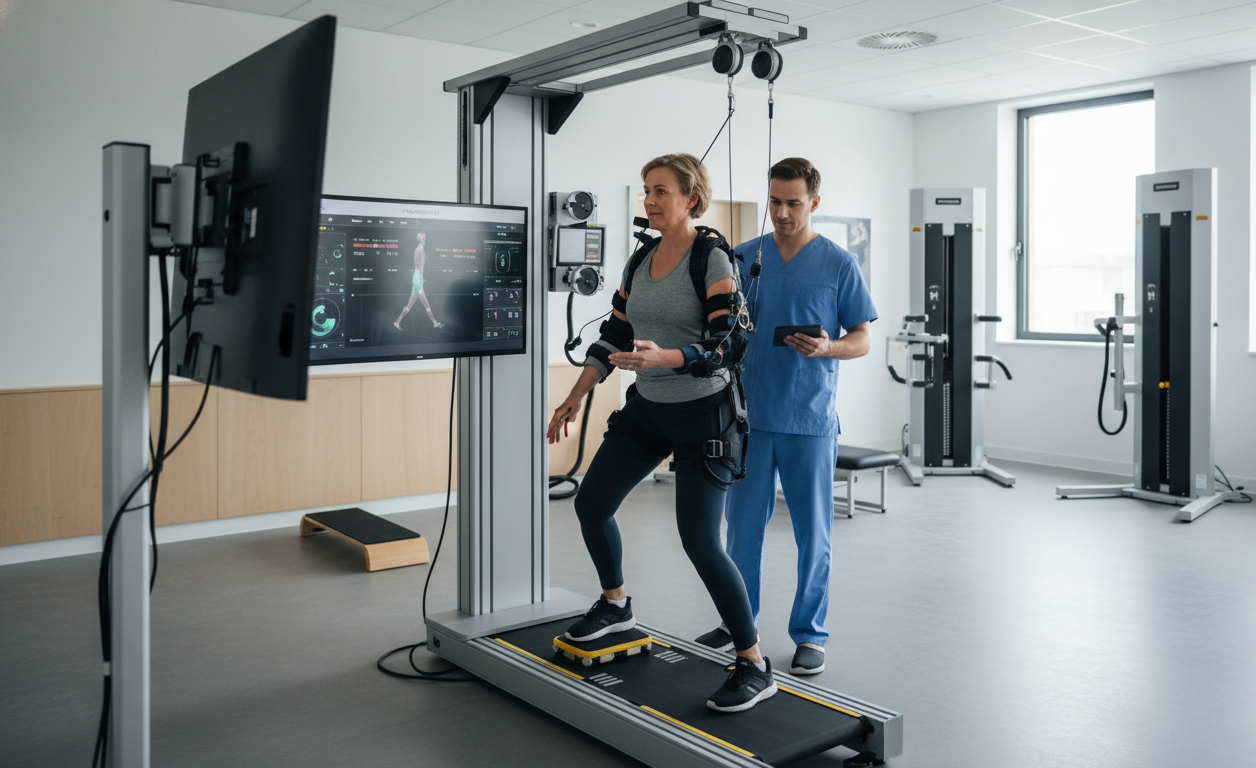
Traditional treatment approaches often focus on managing symptoms. Newer rehabilitation technologies are helping clinicians take a more active role in improving movement, muscle activation, and functional mobility.
One technology that has gained attention in rehabilitation settings is the Neubie machine.
For individuals struggling with nerve pain, neuropathy, weakness, or walking difficulties, Neubie therapy may be used alongside a comprehensive physical therapy program to support movement and recovery goals.
What Is the Neubie Machine?
Neubie stands for Neuro-Bio-Electric Stimulator.
It is an FDA-cleared neuromuscular electrical stimulation device that uses direct current to help stimulate muscles and improve communication between the nervous system and the body.
Unlike traditional electrical stimulation devices that are often used primarily for symptom relief, Neubie therapy is frequently integrated into active movement and rehabilitation programs.
The goal is to help patients move while receiving stimulation, creating opportunities to retrain movement patterns and improve muscle activation.
How Neuromuscular Re-Education Supports Movement
Walking depends on efficient communication between the brain, nerves, and muscles.
When nerve pain, neuropathy, or nerve dysfunction interferes with this communication, movement may become less efficient.
Neuromuscular re-education focuses on helping the nervous system and muscles work together more effectively.
This approach may help support:
- Muscle activation
- Movement awareness
- Balance
- Coordination
- Functional mobility
- Walking mechanics
By combining movement with targeted stimulation, clinicians can often identify areas where the body is compensating and develop strategies to improve movement quality.
Neubie Therapy and Functional Mobility Goals
Many people seeking treatment for nerve pain are not simply looking for pain relief.
Their goals often include:
- Walking more comfortably
- Improving balance
- Reducing fall risk
- Standing longer
- Climbing stairs more easily
- Remaining independent
Neubie therapy may be incorporated into a treatment plan to support these functional goals.
The technology is often used alongside strength training, balance exercises, gait training, and mobility-focused rehabilitation rather than as a stand-alone solution.
This allows treatment to focus on improving everyday movement rather than only addressing symptoms.
Neubie Therapy Available at HWY Physical Therapy in Salem
At HWY Physical Therapy, the Neubie machine is available as part of a comprehensive rehabilitation approach for appropriate patients dealing with nerve pain, neuropathy, balance problems, and walking difficulties.
Treatment plans are individualized based on each person's symptoms, goals, and mobility challenges.
For those interested in learning more about neuropathy, nerve dysfunction, and the science behind Neubie technology, Neufit provides additional educational information in its neuropathy resource: https://www.neu.fit/neuropathy/
When combined with physical therapy, movement retraining, balance work, and strength development, advanced technologies such as Neubie may help patients improve function, move with greater confidence, and work toward a more active lifestyle.
Signs That It's Time to Seek Help for Nerve Pain and Walking Difficulties
Nerve pain and mobility problems often develop gradually. Because the changes can happen over months or even years, many people adapt to their symptoms without realizing how much their walking ability has changed.
Seeking help early may improve outcomes and reduce the risk of future mobility limitations.
If walking feels more difficult than it used to, it may be time to take a closer look at what's contributing to the problem.
Frequent Stumbles and Near-Falls
Many people wait until they experience a fall before seeking treatment.
In reality, near-falls are often an important warning sign.
You may be at increased risk if you regularly:
- Catch yourself on furniture
- Grab handrails unexpectedly
- Lose your balance while turning
- Trip on uneven surfaces
- Feel unsteady during routine activities
These incidents may seem minor, but they often indicate underlying balance or mobility issues that deserve attention.
Addressing them early may help prevent a more serious fall later.
Difficulty Walking Long Distances
A gradual decline in walking endurance is another sign that something may be changing.
You may notice that:
- Shopping trips feel more exhausting
- Walking through parking lots becomes difficult
- You need more frequent rest breaks
- You avoid activities that require prolonged walking
While some changes in endurance can occur with age, significant reductions in walking ability should not be ignored.
Nerve pain, weakness, balance problems, and altered walking mechanics can all contribute to reduced mobility.
Increasing Foot Numbness or Weakness
Changes in sensation often signal that nerve-related problems are progressing.
Pay attention if you experience:
- Worsening numbness
- Increased tingling
- Burning sensations that are becoming more frequent
- Difficulty lifting your foot
- Leg weakness during walking
These symptoms can affect balance and make everyday movement more challenging.
Early evaluation may help identify contributing factors and create a plan to address them.
Loss of Confidence During Daily Activities
Sometimes the first sign that mobility is declining is a loss of confidence.
You may find yourself:
- Avoiding stairs
- Staying home more often
- Turning down social invitations
- Worrying about falling
- Choosing shorter walking routes
These changes often happen gradually.
While caution is understandable, limiting activity too much can contribute to further weakness, reduced endurance, and increased fall risk.
If nerve pain or mobility concerns are beginning to affect your lifestyle, independence, or confidence, seeking professional guidance may help you stay active and maintain the activities that are important to you.
How Salem, Oregon Residents Can Find Help for Nerve Pain and Mobility Problems
Nerve pain can affect much more than physical comfort. It can influence mobility, balance, confidence, and the ability to participate in everyday activities.
For many people in Salem, walking difficulties caused by neuropathy, nerve irritation, or nerve damage can gradually reduce independence if left unaddressed.
The good news is that treatment options are available, and many individuals can improve their mobility with the right support and guidance.
Common Neuropathy and Nerve Pain Challenges
People experiencing nerve pain often face a combination of symptoms that affect daily movement.
Common challenges include:
- Burning or tingling in the feet
- Numbness in the toes or legs
- Balance problems
- Difficulty walking long distances
- Leg weakness
- Increased risk of falls
- Reduced confidence during movement
These symptoms can make routine activities more difficult and may lead some individuals to become less active over time.
Because mobility limitations often develop gradually, many people do not realize how much their movement patterns have changed until daily tasks become significantly harder.
Benefits of Personalized Physical Therapy
No two people experience nerve pain in exactly the same way.
Some individuals struggle primarily with pain, while others are more affected by numbness, weakness, balance problems, or walking difficulties.
A personalized physical therapy program focuses on the specific challenges that are limiting mobility and independence.
Treatment may include:
- Strength training
- Balance exercises
- Walking retraining
- Functional movement training
- Flexibility work
- Fall-prevention strategies
- Neuromuscular re-education
The goal is to improve movement quality and help patients return to activities that are important to them.
Advanced Rehabilitation Options Available in Salem
Modern rehabilitation often combines traditional physical therapy with advanced technologies designed to support movement and function.
At HWY Physical Therapy, patients may have access to innovative treatment options such as the Neubie machine as part of a comprehensive rehabilitation program.
When appropriate, treatment plans may combine:
- Physical therapy
- Balance training
- Functional strengthening
- Gait retraining
- Neuromuscular re-education using Neubie technology
This approach focuses on helping patients improve mobility, reduce movement limitations, and increase confidence during everyday activities.
Whether nerve pain is making it difficult to walk, climb stairs, stand for long periods, or participate in community activities, seeking help early may provide the best opportunity to improve function and maintain independence.
Many people are surprised to learn that walking difficulties caused by nerve pain can often be addressed through a combination of targeted rehabilitation, movement retraining, and ongoing support.
Frequently Asked Questions About Difficulty Walking Due to Nerve Pain
Can Nerve Pain Cause Difficulty Walking?
Yes. Nerve pain can affect much more than comfort.
When nerves are damaged or irritated, they may interfere with muscle function, balance, coordination, and sensation in the feet and legs. This can make walking feel slower, less stable, or more physically demanding.
Many people experience difficulty walking because of numbness, weakness, or balance problems even when pain is not severe.
Does Neuropathy Affect Balance?
Yes. Neuropathy can significantly affect balance.
Healthy nerves provide the brain with information about foot position and movement. When sensation is reduced, the brain receives less accurate feedback, making it harder to maintain stability.
This is why many people with neuropathy feel unsteady, especially on uneven surfaces or in low-light conditions.
Can Physical Therapy Help With Neuropathy?
Physical therapy may help improve mobility, balance, strength, and walking mechanics for people experiencing neuropathy-related symptoms.
Treatment plans are often designed to address the specific challenges affecting daily activities.
Depending on the individual, therapy may include:
- Balance training
- Strength exercises
- Gait retraining
- Functional mobility training
- Fall-prevention strategies
The goal is to improve movement quality and help patients remain as active and independent as possible.
What Is the Neubie Machine Used For?
The Neubie machine is an FDA-cleared neuromuscular electrical stimulation device used as part of certain rehabilitation programs.
It is designed to support neuromuscular re-education and may be incorporated into treatment plans focused on:
- Movement retraining
- Muscle activation
- Functional mobility
- Balance improvement
- Walking-related goals
At HWY Physical Therapy, the Neubie machine is available for appropriate patients as part of a comprehensive rehabilitation approach.
When Should I Seek Treatment for Nerve Pain?
You should consider seeking professional evaluation if nerve pain or related symptoms are affecting your ability to walk safely and comfortably.
Warning signs include:
- Frequent stumbles or near-falls
- Increasing numbness
- Leg weakness
- Difficulty walking longer distances
- Reduced confidence during daily activities
- Changes in balance
Addressing symptoms early may help prevent further mobility limitations and support long-term independence.
Topics to Read Further
If you'd like to learn more about nerve pain, mobility, and balance, these topics can provide additional insight:
Contact HWY PT for Expert Advice and Support
If nerve pain, numbness, weakness, or balance problems are making it difficult to walk, seeking help early may improve your mobility and quality of life.
At HWY Physical Therapy, Dr. Raj works with individuals throughout Salem, Oregon who are experiencing neuropathy, nerve pain, walking difficulties, and balance concerns. Treatment plans are designed to address the specific factors affecting mobility and may include physical therapy, gait training, balance exercises, functional strengthening, and advanced rehabilitation technologies.
For appropriate patients, HWY Physical Therapy also offers the Neubie machine as part of a comprehensive rehabilitation approach focused on improving movement, function, and confidence during daily activities.
Whether you're struggling with burning foot pain, numbness, instability, or reduced walking endurance, personalized treatment may help you move more comfortably and maintain your independence.
HWY Physical Therapy
Center 50+
2615 Portland Rd NE
Salem, OR 97301
Call: 971-202-1979
Taking action today may help prevent future mobility limitations and allow you to continue doing the activities that matter most.
.png)