Walking with nerve pain can feel unpredictable. Some people notice burning pain in their feet after only a short walk. Others feel numbness, tingling, weakness, or a strange disconnected feeling that makes balance harder than it used to be.
Over time, simple activities like grocery shopping, climbing stairs, or walking through a parking lot may start feeling exhausting. Many people slow down, shorten their walking distance, or avoid activities altogether because movement no longer feels comfortable or stable.
Nerve pain affects more than discomfort alone. It can change the way muscles work, reduce coordination, affect balance, and increase fear of falling. When walking becomes difficult, confidence often drops along with mobility.
The good news is that many people can improve movement, balance, and walking tolerance with the right treatment approach. Physical therapy, gait training, strengthening exercises, and newer technologies like the Neubie machine may help support better movement and mobility.
This guide explains:
- why nerve pain affects walking
- common causes of nerve-related mobility problems
- symptoms that should not be ignored
- how physical therapy may help improve walking confidence and stability
Why does nerve pain make walking difficult?
Walking depends on constant communication between the brain, nerves, muscles, and balance system. When nerves become irritated or damaged, that communication becomes less reliable. The result can be pain, weakness, numbness, instability, or movement that simply does not feel smooth anymore.
For many people, the walking problems develop gradually. At first, there may only be occasional discomfort or tingling. Over time, balance and endurance often become harder to maintain.
How nerves control muscles and movement
Nerves help muscles activate at the right time and with the right amount of force. They also help the body sense the ground, adjust balance, and coordinate movement from one step to the next.
When nerves are irritated, those signals may weaken or slow down. Some muscles stop working efficiently, while others begin overcompensating to keep the body moving.
That imbalance can make walking feel awkward, tiring, or unstable.
Why nerve pain changes walking patterns
Pain naturally changes movement. Many people begin limping slightly or shifting weight away from the painful side without realizing it.
Over time, these compensation patterns may lead to:
- uneven walking
- stiffness
- muscle fatigue
- slower walking speed
- balance problems
The body is trying to protect itself, but those adjustments can sometimes create even more strain.
How numbness affects balance and stability
Numbness can be just as disruptive as pain. When the feet lose sensation, the brain receives less feedback about foot placement and surface contact.
Some people describe it as:
- walking on cotton
- feeling disconnected from the floor
- struggling to judge steps accurately
This often increases hesitation and fear of falling, especially on uneven ground or stairs.
Why walking becomes more tiring with nerve pain
Nerve-related walking problems force the body to work harder with every step.
Muscles compensate constantly for weakness, pain, or instability. That extra effort often causes fatigue much faster than normal walking.
Many people notice they can still walk, but not for nearly as long as they used to without discomfort or exhaustion.
What walking with nerve pain can feel like
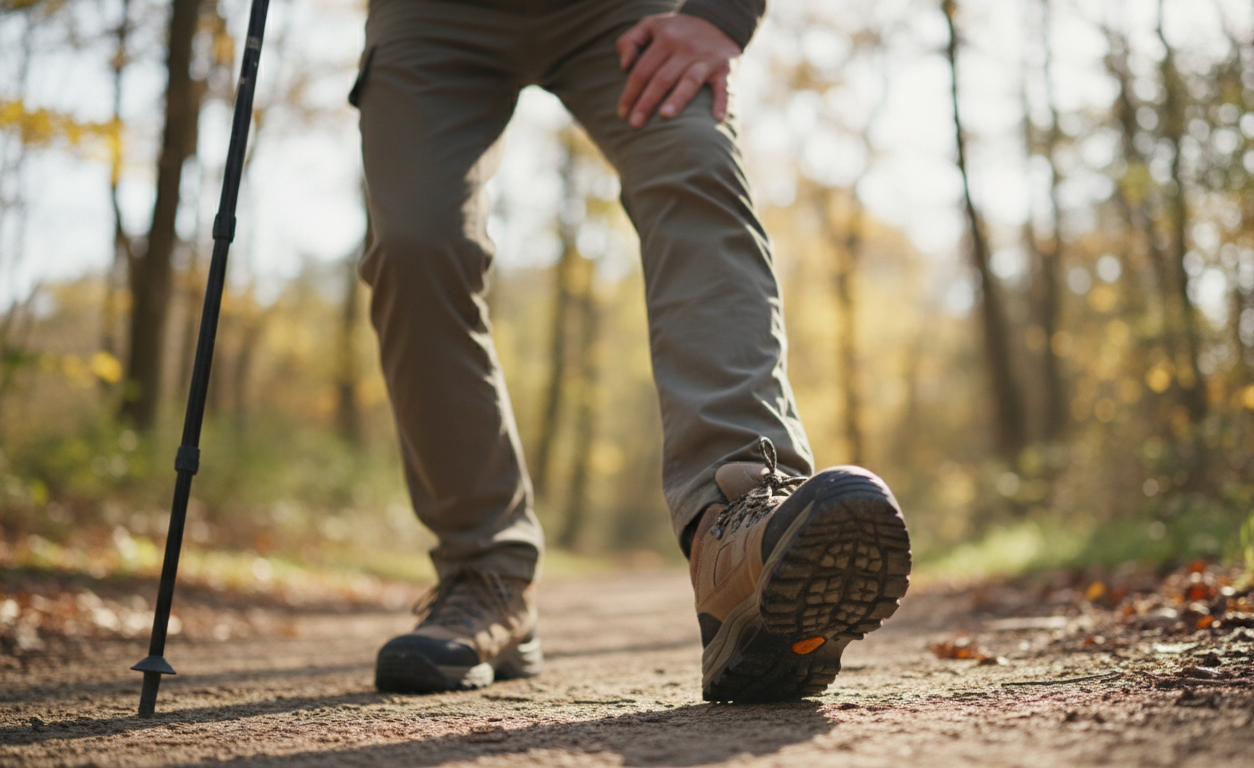
Nerve pain affects people in different ways, but many describe walking as uncomfortable, tiring, and mentally draining. Some days feel manageable. Other days, even short walks can feel frustrating or unpredictable.
The symptoms are not always visible to other people, which can make the experience even more isolating.
Burning, tingling, or electric-like pain
Many people with nerve-related walking problems describe sensations that feel very different from normal muscle soreness.
The pain may feel:
- burning
- sharp
- tingling
- electric-like
- stabbing
For some, the discomfort increases the longer they walk. Others notice symptoms most strongly in the feet, calves, or lower legs.
Even simple daily activities can become uncomfortable when every step triggers irritation.
Feeling unstable or disconnected from the ground
Numbness often changes how people experience movement. Some individuals say it feels like their feet are not fully connected to the floor.
That reduced sensation can make it harder to:
- judge step placement
- react quickly to uneven surfaces
- feel steady while turning
- maintain confidence during walking
People often become extra cautious because balance no longer feels automatic.
Walking becoming mentally exhausting
Walking with nerve pain is not only physically tiring. It can also become mentally exhausting.
Some people constantly think about:
- where they step
- whether they might lose balance
- how far they can walk comfortably
- whether pain will suddenly increase
That constant awareness can create anxiety around movement, especially in crowded places or unfamiliar environments.
Avoiding activities because walking feels difficult
Over time, many people quietly begin limiting activities they once enjoyed.
They may avoid:
- long shopping trips
- community events
- stairs
- outdoor walks
- travel
Unfortunately, less movement often leads to more weakness and reduced endurance later. That is why early treatment and safe activity remain so important for maintaining mobility and independence.
Common causes of difficulty walking due to nerve pain
Nerve-related walking problems can develop from several different conditions. In some cases, the symptoms begin slowly over time. In others, pain, numbness, or weakness appears more suddenly after an injury or back problem.
Understanding the cause is important because different nerve conditions affect walking in different ways.
Peripheral neuropathy
Peripheral neuropathy affects the nerves outside the brain and spinal cord, especially in the feet and legs.
Many people notice:
- burning foot pain
- tingling sensations
- numbness
- weakness
- balance problems
Walking often becomes harder because the feet no longer send clear feedback to the brain. Some people feel unsteady or disconnected from the ground, especially on uneven surfaces.
Symptoms frequently worsen at night or after long periods of standing and walking.
Sciatica and lower back nerve compression
Sciatica happens when nerves in the lower back become irritated or compressed. The pain often travels from the lower back into the hip, leg, or foot.
Some people experience:
- sharp pain while walking
- leg weakness
- numbness
- difficulty standing for long periods
- pain shooting down one side of the body
Walking may become slower and more cautious because certain movements trigger discomfort.
In some cases, back-related nerve problems affect walking long before severe back pain appears.
Diabetic neuropathy
Diabetic neuropathy is one of the most common causes of nerve-related walking problems.
High blood sugar can damage nerves over time, especially in the feet and lower legs. As sensation decreases, balance and coordination often become more difficult.
Many people begin noticing:
- numb feet
- burning pain
- reduced stability
- slower walking speed
- fear of falling
The longer symptoms continue without treatment, the harder mobility may become.
Pinched nerves and spinal problems
Nerves can also become compressed because of:
- arthritis
- disc problems
- spinal narrowing
- inflammation
This may lead to pain, weakness, or reduced coordination during movement.
Some people feel symptoms mostly during walking or standing because pressure on the nerves increases in those positions.
Post-surgical or injury-related nerve pain
Nerves sometimes remain sensitive after surgeries or injuries. Even after tissues heal, pain or weakness may continue affecting movement patterns.
People recovering from injuries often become hesitant during walking because they no longer trust the affected leg fully.
That hesitation can reduce activity levels and gradually contribute to more weakness and balance decline over time.
Symptoms of nerve pain that can affect mobility
Nerve pain can affect much more than comfort alone. As symptoms progress, many people notice changes in balance, coordination, endurance, and confidence during movement.
Some symptoms appear gradually, while others become noticeable very quickly during walking or standing activities.
Burning pain in the legs or feet
Burning pain is one of the most common nerve-related symptoms.
Some people describe it as:
- walking on hot surfaces
- sharp electrical sensations
- stinging discomfort
- painful sensitivity in the feet
The pain may worsen after walking longer distances or standing for extended periods. Even supportive shoes sometimes feel uncomfortable when the nerves become highly sensitive.
For some individuals, the discomfort is worse at night after a full day of activity.
Tingling and numbness while walking
Tingling and numbness can make walking feel unpredictable.
When sensation decreases, people may struggle to:
- feel the floor clearly
- judge foot placement
- react quickly to uneven surfaces
- stay balanced during turns
Some people say their feet feel “asleep” or unusually heavy while walking.
That reduced awareness often causes slower movement and increased caution.
Weak legs and foot instability
Nerve problems can interfere with muscle activation, especially in the feet, ankles, and lower legs.
This may lead to:
- weak push-off strength
- dragging of the foot
- ankle instability
- difficulty climbing stairs
- reduced walking endurance
Even mild weakness can change movement patterns over time.
Some people begin compensating by shifting weight awkwardly or taking shorter steps to feel safer.
Balance problems and fear of falling
Balance changes are extremely common with nerve-related walking problems.
People often feel:
- unstable on uneven ground
- nervous walking in crowds
- hesitant on stairs
- less confident outdoors
Fear of falling can become just as limiting as the pain itself. Many individuals slowly reduce activity because movement no longer feels reliable or predictable.
Unfortunately, less movement often leads to more weakness and mobility decline later.
How nerve pain changes the way people walk
Most people do not realize how much nerve pain changes movement patterns until walking starts feeling noticeably different. The body naturally tries to protect painful or unstable areas, and those adjustments often affect posture, balance, and walking efficiency.
At first, the changes may seem minor. Over time, they can make movement feel slower, less stable, and much more tiring.
Limping and uneven walking patterns
Pain often causes people to shift weight away from the uncomfortable side. Some begin limping slightly without noticing it right away.
Others take shorter steps or stiffen certain joints to avoid triggering symptoms.
These compensation patterns may lead to:
- uneven walking
- muscle tightness
- hip or back strain
- reduced balance
- quicker fatigue
The body is trying to reduce pain, but the altered movement can create stress in other areas over time.
Shorter walking distances and fatigue
Many people with nerve pain slowly reduce how far they walk.
Activities that once felt easy may start feeling exhausting because the muscles work harder to compensate for:
- weakness
- numbness
- instability
- altered balance
Some people begin planning errands differently or avoiding long community outings altogether because walking becomes too unpredictable or uncomfortable.
Slower walking speed and hesitation
Walking with nerve pain often feels less automatic.
People may slow down because they are:
- trying to avoid pain
- watching the ground carefully
- worried about losing balance
- uncertain how their legs will respond
This hesitation becomes especially noticeable on stairs, uneven sidewalks, or crowded spaces where quick balance reactions matter more.
Why inactivity can worsen nerve-related weakness
Reducing activity may feel safer in the short term, but long periods of inactivity often lead to more weakness and stiffness later.
Muscles weaken quickly when they are not used consistently. Balance also tends to decline when movement becomes limited.
That is why many physical therapy programs focus on safe, gradual movement instead of complete rest. Maintaining activity carefully often helps preserve mobility and confidence longer.
Muscle pain vs nerve pain while walking
Muscle pain and nerve pain often feel very different, even though both can affect walking.
Muscle pain is usually easier to identify. It often feels sore, tight, or achy after activity and tends to improve with rest. Nerve pain, on the other hand, is often described as burning, tingling, sharp, or electric-like.
The symptoms may also behave differently during movement.
Understanding the difference between pain types
Muscle-related pain often:
- stays in one area
- feels sore or fatigued
- improves gradually with rest
- becomes noticeable after physical activity
Nerve pain more commonly:
- travels down the leg or into the foot
- causes tingling or numbness
- feels sharp, burning, or shooting
- may continue even while resting
Some people with nerve pain also experience weakness or balance problems that do not usually happen with ordinary muscle soreness.
The distinction matters because treatment approaches can differ significantly.
For example, strengthening tight muscles alone may not fully help if the underlying problem involves nerve irritation, neuropathy, or spinal compression. That is one reason physical therapy evaluations often look at walking patterns, sensation changes, balance, and muscle activation together instead of focusing only on pain itself.
When should you seek help for nerve pain and walking difficulty?
Occasional discomfort after activity is common. Ongoing nerve pain that affects balance, walking confidence, or daily movement is different.
Many people wait too long before addressing mobility problems because the symptoms develop gradually. The earlier nerve-related walking issues are treated, the easier it often is to maintain strength, balance, and independence.
Sudden weakness or worsening balance
Sudden changes in walking ability should never be ignored.
Seek medical attention if you notice:
- rapid leg weakness
- sudden foot dragging
- major balance loss
- repeated stumbling
- difficulty standing safely
These symptoms may point to worsening nerve compression or neurological problems that require evaluation quickly.
Numbness that continues spreading
Mild tingling sometimes comes and goes. Progressive numbness is more concerning, especially if sensation loss spreads through the feet or legs over time.
Reduced sensation increases fall risk because the body receives less feedback about foot placement and balance.
Many people do not realize how much numbness affects stability until they begin:
- missing steps
- stumbling more often
- feeling unsteady outdoors
- hesitating during movement
Walking becoming difficult during daily activities
When walking problems begin affecting everyday routines, it is usually a sign the body needs support.
Pay attention if activities like:
- grocery shopping
- climbing stairs
- walking through parking lots
- standing for longer periods
start feeling unusually difficult or exhausting.
Small mobility changes often grow gradually over time if left untreated.
Frequent falls or near-falls
Falls are one of the biggest concerns with nerve-related walking problems.
Even near-falls matter because they often signal:
- worsening balance
- reduced coordination
- slower reactions
- declining stability
Many people become less active after close calls because they lose confidence in their movement. Early physical therapy and balance training may help reduce fall risk before mobility declines further.
Can physical therapy help walking problems caused by nerve pain?

Yes, physical therapy can often help people improve walking ability, balance, and movement confidence when nerve pain affects mobility. The goal is not only reducing discomfort. Treatment also focuses on helping the body move more efficiently and safely again.
Many people with nerve pain begin changing the way they walk without realizing it. Over time, those compensation patterns can increase weakness, fatigue, and instability. Physical therapy helps address those movement changes directly.
Gait training for safer walking
Gait training focuses on improving walking mechanics and stability.
When nerves affect balance or muscle activation, people often:
- shorten their steps
- limp slightly
- shift weight unevenly
- walk more cautiously
Physical therapists look at how the body moves as a whole and work to improve:
- walking efficiency
- coordination
- posture
- step control
- balance during movement
Even small improvements in walking mechanics can make daily movement feel less exhausting.
Balance therapy for neuropathy and nerve pain
Balance problems are extremely common with neuropathy and nerve-related weakness.
Therapy may include:
- supported balance drills
- weight-shifting exercises
- coordination training
- stability exercises
- safer movement practice
Many people gradually regain confidence once movement feels more predictable again.
Improving balance early may also help reduce fall risk, especially for older adults.
Strengthening weak muscles affected by nerve pain
Nerve irritation can reduce muscle activation over time. As weakness develops, walking often becomes harder and more tiring.
Physical therapy programs may focus on:
- hip strengthening
- leg endurance
- ankle stability
- core control
- functional movement training
The exercises are usually adjusted based on each person’s pain level, mobility, and balance ability.
Gentle consistent strengthening often works better than aggressive workouts that flare symptoms.
Mobility training to improve confidence
Pain and instability often cause people to avoid movement. Unfortunately, less activity can lead to even more weakness and reduced endurance later.
Mobility training helps people safely rebuild tolerance for:
- walking longer distances
- stairs
- community activities
- standing for longer periods
Some clinics also use advanced neuromuscular stimulation devices like the Neubie machine from Neufit to help improve muscle activation, mobility, and nerve-related movement patterns.
At HWY Physical Therapy in Salem, Oregon, the Neubie machine is available as part of personalized treatment programs designed to support mobility, balance, and neuromuscular re-education.
How advanced therapies like the Neubie machine may help
Traditional strengthening and balance exercises are often helpful for nerve-related walking problems, but some people need additional support when pain, weakness, or poor muscle activation continues interfering with movement.
That is where newer neuromuscular therapies may play a role.
What is the Neubie machine?
The Neubie machine is a type of neuromuscular electrical stimulation device designed to support movement, muscle activation, and neuro re-education.
Unlike older stimulation devices that are often used passively, the Neubie system is typically combined with active movement and exercise. The goal is to help the nervous system and muscles work together more efficiently during functional activities.
Some people receiving Neubie therapy work on:
- walking mechanics
- balance exercises
- muscle activation
- strength training
- mobility drills
The treatment is non-invasive and commonly used alongside physical therapy programs.
How the Neubie machine may support nerve-related mobility problems
When nerve pain affects walking, some muscles stop activating properly while others overwork to compensate. That imbalance may contribute to weakness, fatigue, and unstable movement patterns.
The Neubie machine may help support:
- improved muscle engagement
- movement retraining
- balance awareness
- coordination during walking
- exercise tolerance
For some people, movement feels easier because the therapy helps reduce hesitation and improves how certain muscles respond during activity.
This can be especially useful when traditional exercise alone feels difficult because of pain sensitivity or weakness.
Neubie therapy and neuropathy treatment
People dealing with neuropathy often struggle with:
- numb feet
- unstable walking
- weak legs
- balance problems
- reduced walking endurance
Some clinics now use advanced neuromuscular stimulation devices like the Neubie machine from Neufit to help improve muscle activation, mobility, and nerve-related movement patterns.
The combination of movement training and neuromuscular stimulation may help some individuals feel more stable and confident during walking activities.
Results vary from person to person, but many people appreciate having a treatment option that focuses on movement quality rather than only symptom management.
Neubie therapy available at HWY Physical Therapy in Salem, Oregon
At HWY Physical Therapy, the Neubie machine is available as part of personalized treatment programs for adults and seniors dealing with nerve pain, neuropathy, walking difficulty, and balance problems.
Treatment plans are adjusted based on:
- mobility level
- pain sensitivity
- walking limitations
- balance concerns
- personal goals
The focus is helping people move more comfortably, safely, and confidently during daily activities while supporting long-term mobility and independence.
Exercises that may help improve walking with nerve pain
Exercises for nerve-related walking problems should focus on improving movement safely without increasing irritation. The goal is not pushing through severe pain. It is helping the body move more comfortably, confidently, and efficiently over time.
Many people do best with gentle, consistent movement instead of aggressive workouts.
Gentle seated leg exercises
Seated exercises are often a good starting point when balance or pain feels limiting.
Simple movements like:
- seated leg extensions
- ankle pumps
- seated marching
- gentle heel raises
may help improve circulation and muscle activation without placing too much stress on sensitive nerves.
These exercises can also help reduce stiffness that builds up after sitting for long periods.
For some people, seated exercises feel safer and less intimidating while rebuilding confidence.
Balance exercises for stability
Balance training becomes especially important when numbness or weakness affects walking.
Many physical therapy programs begin with supported exercises near:
- a countertop
- sturdy chair
- railing
- therapy bars
Simple balance activities may include:
- gentle weight shifting
- standing with feet closer together
- supported single-leg standing
- heel-to-toe walking
The focus should stay on control and stability rather than difficulty.
As balance improves, walking often starts feeling less stressful and more automatic again.
Walking practice and endurance progression
People with nerve pain often reduce activity because walking feels uncomfortable or unpredictable. Unfortunately, avoiding movement completely may lead to more weakness and fatigue later.
Short walking sessions performed consistently are usually more helpful than occasional long walks that cause major flare-ups.
Many people benefit from:
- shorter walking intervals
- gradual distance increases
- rest breaks when needed
- consistent movement routines
Over time, steady walking practice may help improve endurance, coordination, and confidence.
Stretching tight muscles carefully
Nerve pain sometimes causes muscles to tighten as the body tries to protect sensitive areas.
Gentle stretching may help improve:
- calf flexibility
- hamstring mobility
- lower back movement
- walking comfort
Stretching should stay slow and controlled. Aggressive stretching may irritate sensitive nerves further, especially with sciatica or neuropathy-related symptoms.
Many people notice movement feels smoother once tight muscles around the hips, legs, and lower back begin relaxing more effectively.
Daily habits that may worsen nerve-related walking problems
Small daily habits can quietly make nerve-related walking problems worse over time. Many people focus only on pain itself without realizing that inactivity, poor movement habits, and delayed treatment may also contribute to weakness and balance decline.
Even simple adjustments can sometimes improve mobility and walking confidence significantly.
Sitting for long periods
Long periods of sitting often increase stiffness and reduce circulation, especially in the lower back, hips, legs, and feet.
Many people notice:
- more numbness after sitting
- slower walking when first standing up
- tighter muscles
- increased discomfort during movement
Frequent gentle movement throughout the day usually helps more than staying inactive for hours at a time.
Avoiding movement because of pain
It is natural to avoid activities that feel uncomfortable. The problem is that complete inactivity often leads to:
- weaker muscles
- poorer balance
- lower endurance
- more stiffness
Over time, walking may feel even harder because the body loses strength and movement confidence.
Safe gradual activity is usually more helpful than complete rest for long-term mobility.
Wearing poor footwear
Supportive footwear becomes especially important when balance or foot sensation is affected.
Shoes with poor support or slippery soles may increase:
- instability
- foot fatigue
- uneven walking
- fall risk
Many people feel noticeably steadier once they switch to more supportive shoes with better traction.
Ignoring worsening numbness or weakness
Progressive numbness, weakness, or balance decline should not simply be ignored as “normal aging.”
Delaying treatment may allow mobility problems to worsen gradually over time. Early intervention often gives people a better chance of maintaining independence, walking confidence, and safer movement long term.
How to reduce fall risk with nerve-related walking problems

Nerve pain, numbness, and weakness can make balance less reliable during daily movement. Even small changes in coordination or foot sensation may increase the chance of stumbling, especially on uneven surfaces or stairs.
The good news is that many falls are preventable with the right combination of movement, safety habits, and early treatment.
Improving home safety
The home environment plays a major role in walking safety.
Simple changes may help reduce fall risk significantly:
- improving lighting in hallways and stair areas
- removing loose rugs and clutter
- adding stable handrails
- keeping walkways clear
- using non-slip surfaces in problem areas
Many people feel more confident moving around once the environment feels safer and easier to navigate.
Choosing supportive footwear
Supportive shoes can improve stability more than many people realize.
Footwear with:
- good grip
- stable soles
- proper support
- secure fit
often helps people feel steadier while walking.
Loose slippers, worn-out shoes, or slippery socks may increase instability, especially for people already dealing with numbness or balance problems.
Avoiding long periods of inactivity
Staying inactive for too long often leads to:
- weaker muscles
- stiffer joints
- poorer balance
- lower endurance
Even gentle daily movement may help maintain mobility and coordination.
Short walks, balance exercises, and consistent activity usually support safer movement better than complete rest.
Why early treatment matters
Many people wait until falls or major mobility decline happen before seeking help. Earlier treatment often makes recovery easier.
Physical therapy may help:
- improve walking mechanics
- strengthen weak muscles
- reduce fall risk
- improve balance confidence
- maintain independence longer
For adults and seniors in Salem, Oregon, addressing nerve-related walking problems early may help prevent bigger mobility challenges later.
How family members can support someone with nerve-related walking problems
Family members often notice mobility changes before the person experiencing nerve pain fully recognizes how much walking has changed. Small signs like slower movement, hesitation on stairs, or avoiding outings may indicate growing balance or confidence problems.
Supportive encouragement can make a major difference.
Encouraging safe movement and activity
Many people with nerve pain become less active because movement feels uncomfortable or unpredictable. Family support often helps them stay more consistent with safe activity and exercise.
Helpful support may include:
- encouraging short walks
- helping maintain exercise routines
- walking together for confidence
- supporting physical therapy attendance
- celebrating small mobility improvements
The goal is helping movement feel safer, not forcing activity too aggressively.
Watching for signs mobility is worsening
Walking problems often progress gradually.
Family members should pay attention to:
- increased stumbling
- slower walking speed
- growing fear of falling
- reduced walking distance
- heavy reliance on furniture or railings
- avoiding community activities
Changes like these may signal worsening weakness, numbness, or balance decline.
Addressing problems early may help reduce long-term mobility loss.
Helping create a safer home environment
Small home adjustments can improve confidence and reduce fall risk significantly.
Family members can help by:
- improving lighting
- reducing clutter
- checking stair safety
- encouraging supportive footwear
- creating safer walking paths inside the home
For many adults and seniors in Salem, Oregon, having family support makes it easier to stay active, consistent with therapy, and more confident during daily movement.
Frequently asked questions about difficulty walking due to nerve pain
Can nerve pain make it hard to walk?
Yes, nerve pain can affect walking in several ways. Pain, numbness, tingling, weakness, and balance problems may all interfere with normal movement.
Some people walk more slowly because of discomfort, while others feel unstable or fatigued after short distances.
Can neuropathy affect balance?
Yes, neuropathy commonly affects balance because the feet may lose some sensation and awareness.
When the brain receives less feedback from the feet, it becomes harder to:
- judge foot placement
- react quickly
- stay stable on uneven surfaces
Many people become more cautious during walking as balance confidence declines.
Why do my feet hurt when I walk?
Foot pain during walking can happen for several reasons, including:
- neuropathy
- nerve irritation
- poor circulation
- joint problems
- muscle overuse
Burning, tingling, or electric-like pain often points more toward nerve involvement than simple muscle soreness.
Can physical therapy help neuropathy?
Physical therapy may help improve:
- walking mechanics
- balance
- leg strength
- mobility confidence
- endurance
Treatment often focuses on helping people move more safely and comfortably while reducing fall risk.
Many people benefit from a combination of strengthening, gait training, and balance exercises.
What is the Neubie machine used for?
The Neubie machine is a neuromuscular electrical stimulation device used to support movement, muscle activation, and neuro re-education.
Some clinics use it alongside physical therapy to help with:
- nerve-related weakness
- mobility problems
- balance training
- walking retraining
- exercise tolerance
At HWY Physical Therapy in Salem, Oregon, the Neubie machine is available as part of personalized treatment programs.
Can nerve stimulation help walking problems?
In some cases, neuromuscular stimulation may help improve muscle engagement and movement quality during therapy exercises.
Combined with gait training and strengthening, it may support better walking mechanics and mobility confidence for certain individuals.
When should nerve pain be treated?
Nerve pain should be evaluated if it:
- worsens over time
- affects balance
- causes weakness
- limits walking
- increases fall risk
- interferes with daily activities
Early treatment often helps people maintain mobility and independence more effectively than waiting until symptoms become severe.
Topics to Read Further
If you want to learn more about nerve pain, balance, and mobility problems, these related topics may also help:
Learning more about movement, balance, and nerve-related walking problems may help people stay active longer and feel more confident during daily activities.
Contact HWY PT for Expert Advice and Support
If nerve pain is making walking feel difficult, unstable, or exhausting, early treatment may help improve mobility before the problem worsens further. Many people wait until balance declines or falls happen before seeking help, but addressing symptoms early is often much easier than rebuilding strength and confidence later.
Physical therapy may help improve:
- walking stability
- balance confidence
- leg strength
- movement coordination
- daily mobility
Dr. Raj at HWY Physical Therapy works with adults and seniors in Salem, Oregon who are dealing with neuropathy, nerve pain, balance problems, weakness, and walking difficulty.
HWY PT also offers the Neubie machine as part of personalized treatment programs designed to support neuromuscular re-education, mobility, and safer movement patterns.
HWY Physical Therapy
Center 50+
2615 Portland Rd NE
Salem, OR 97301
Call: 971-202-1979
.png)