Feeling dizzy can be scary and frustrating. It may hit when you stand up, turn your head, or walk across the room. For many people, dizziness makes daily activities feel unsafe and unpredictable.
Dizziness is not just a minor inconvenience. It can affect balance, confidence, and independence. Some people worry about falling, while others stop doing activities they enjoy because they fear symptoms will return.
The good news is that physical therapy for dizziness can help. Many dizziness and balance problems respond well to targeted, drug-free treatment. Physical therapy focuses on retraining how your body, brain, and inner ear work together.
In Salem, Oregon, vestibular and balance therapy is helping people of all ages feel steady again. With the right plan, it is possible to reduce dizziness, improve balance, and move with confidence.
Understanding Dizziness and Balance Problems
This section helps you understand what dizziness can feel like, how it’s different from vertigo, and the most common reasons people feel unsteady.
What Does Dizziness Really Feel Like?
Dizziness can feel different for each person. Some people describe it as lightheadedness, while others feel unsteady or off balance.
You may notice symptoms when standing up, walking, or turning your head. Simple tasks like getting out of bed or looking up can suddenly feel difficult.
Dizziness can also come with nausea, fatigue, or trouble focusing. Over time, this can reduce confidence and limit daily activities.
Dizziness vs Vertigo: Key Differences
Dizziness is a general term. It describes a feeling of imbalance, lightheadedness, or unsteadiness.
Vertigo is more specific. It causes a spinning or whirling sensation, even when you are still. Many cases of vertigo are linked to inner ear problems.
Knowing the difference matters because treatment depends on the cause. Physical therapy for dizziness and vertigo works best when the source of symptoms is clearly identified.
Common Causes of Dizziness and Imbalance
Many conditions can lead to dizziness. Inner ear problems are one of the most common causes and affect how your body senses movement and position.
Other causes include neck stiffness, poor posture, and past injuries. Concussions and falls can also disrupt balance systems.
As people age, balance changes become more noticeable. Muscle weakness, slower reactions, and vision changes can all contribute. This increases the risk of falls in older adults.
Can Physical Therapy Help Dizziness?
This section explains why physical therapy is an effective, drug-free option for treating many types of dizziness and balance problems.
How Physical Therapy Addresses the Root Cause
Physical therapy for dizziness focuses on finding and treating the source of the problem. Instead of masking symptoms, therapy works to retrain how your brain, inner ear, eyes, and muscles communicate.
A physical therapist uses specific movements and exercises to improve balance control. These exercises help your body adapt to positions and motions that once triggered dizziness.
Over time, this retraining can reduce symptoms and improve stability. Many people notice they can move more freely and feel safer during daily activities.
When Physical Therapy Is Recommended for Dizziness
Physical therapy is often recommended when dizziness lasts longer than a few days or keeps returning. It is also helpful when symptoms worsen with movement, head turns, or changes in position.
People who feel unsteady while walking or worry about falling may benefit from therapy. This is especially important for older adults who want to stay active and independent.
If dizziness is affecting your quality of life, physical therapy may be an important step toward feeling steady again.
What Is Vestibular Physical Therapy?
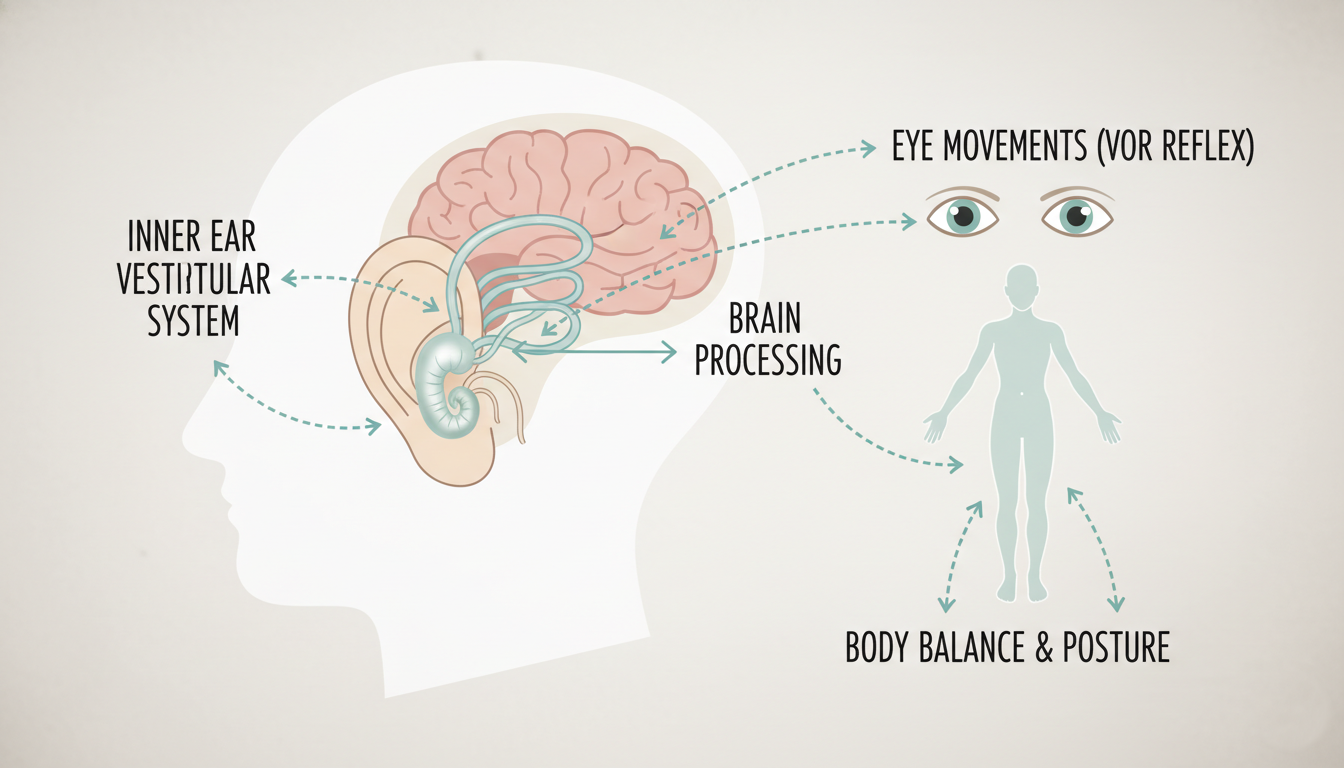
This section explains what vestibular physical therapy is, how it works, and which conditions it is designed to treat.
The Vestibular System Explained Simply
The vestibular system is part of the inner ear. It helps your body understand movement, head position, and balance.
This system works closely with your eyes, muscles, and joints. When all of these parts communicate clearly, you can move without feeling dizzy or unsteady.
If the vestibular system is disrupted, your brain may receive confusing signals. This can lead to dizziness, spinning sensations, or balance problems.
Conditions Treated With Vestibular Rehabilitation Therapy
Vestibular physical therapy is used to treat many causes of dizziness. One of the most common is benign paroxysmal positional vertigo, also known as BPPV.
It is also helpful for people with chronic dizziness, motion sensitivity, and balance issues after a concussion. Some individuals experience dizziness after illness or long periods of inactivity.
Each treatment plan is tailored to the individual. The goal is to improve balance, reduce dizziness, and help people move with confidence again.
Physical Therapy Exercises for Dizziness and Balance

This section gives an overview of the types of exercises physical therapists use to reduce dizziness and improve balance safely.
Gaze Stabilization Exercises
Gaze stabilization exercises help your eyes and head work together. These exercises are often used when dizziness happens with head movement.
A therapist may guide you through controlled head turns while keeping your eyes focused on a target. Over time, this helps reduce blurry vision and spinning sensations.
These exercises are progressed slowly to avoid overwhelming your system. As your tolerance improves, daily movements often feel more comfortable.
Balance and Walking Training
Balance training focuses on improving stability during everyday activities. This may include standing exercises, walking drills, or changes in surface and direction.
These exercises help your body react more quickly to changes in position. They also improve confidence while walking and moving.
For many people, better balance means less fear of falling and more independence.
Canalith Repositioning Maneuvers for BPPV
BPPV occurs when tiny crystals in the inner ear move out of place. This can cause brief but intense spinning sensations.
Physical therapists use specific repositioning maneuvers to guide these crystals back where they belong. These techniques are gentle and highly effective when performed correctly.
Professional guidance is important to ensure the correct technique and avoid worsening symptoms.
Can Neck Problems Cause Dizziness?

This section explains how neck tension, posture issues, and arthritis can contribute to dizziness and balance problems.
Cervicogenic Dizziness Explained
Cervicogenic dizziness is dizziness that comes from the neck. It often occurs when neck joints and muscles send faulty signals to the brain.
Stiffness, poor posture, and arthritis can affect how the neck senses movement and position. This can create a mismatch between what your eyes see and what your body feels.
People with neck-related dizziness may notice symptoms with head movement or after sitting for long periods. Neck pain or stiffness often occurs at the same time.
How Physical Therapy Treats Neck-Related Dizziness
Physical therapy focuses on improving neck mobility, posture, and muscle control. Treatment may include gentle hands-on techniques and targeted exercises.
Postural training helps reduce strain on the neck during daily activities. Strengthening exercises support better head and neck alignment.
As neck movement improves, dizziness often becomes less frequent. Many people also notice reduced neck pain and improved comfort.
Physical Therapy for Dizziness in Seniors
This section focuses on why dizziness is more common in older adults and how physical therapy can improve safety and independence.
Why Dizziness Is Common in Older Adults
As people age, changes in the inner ear can affect balance. Muscle strength and reaction time may also decline over time.
Vision changes and medical conditions can further impact stability. When these factors combine, the risk of dizziness and falls increases.
Many older adults limit activity due to fear of falling. This can lead to weakness and even more balance problems.
Fall Prevention and Confidence Building
Physical therapy helps seniors improve balance and strength in a safe environment. Exercises are adjusted to match individual ability and comfort.
Therapists focus on practical movements used in daily life. This includes walking, turning, and standing from a seated position.
As balance improves, confidence often follows. Many seniors feel more secure moving around and staying active.
What to Expect During Physical Therapy for Dizziness
This section helps you understand what happens during treatment and how progress is typically made.
Initial Evaluation and Testing
Your first visit usually begins with a detailed conversation about your symptoms. The therapist will ask when dizziness occurs and what movements trigger it.
Testing may include balance checks, walking assessments, and gentle head or eye movements. These tests help identify the cause of dizziness and guide treatment.
The evaluation is done at a comfortable pace. Safety and clear communication are always a priority.
How Long Does Dizziness Physical Therapy Take?
The length of therapy varies from person to person. Some people notice improvement in just a few visits, while others need more time.
Progress depends on the cause of dizziness, overall health, and consistency with exercises. Your therapist will adjust the plan as you improve.
The goal is steady, lasting progress rather than quick fixes.
Progress You May Notice Over Time
Many people notice fewer dizzy spells as therapy continues. Movements that once caused symptoms often become easier.
Balance and confidence usually improve together. Daily tasks like walking, bending, or turning the head may feel more natural again.
Over time, this progress can lead to greater independence and peace of mind.
When Should You See a Physical Therapist for Dizziness in Salem, Oregon?
This section helps you recognize when dizziness should not be ignored and why seeking local care can make a difference.
Warning Signs You Shouldn’t Ignore
Dizziness that lasts more than a few days may be a sign of an underlying balance issue. Frequent episodes or symptoms that keep returning should also be addressed.
You may need help if dizziness affects walking, standing, or daily activities. Feeling unsteady, fearful of falling, or avoiding movement are important warning signs.
Dizziness that worsens with head movement or position changes is another reason to seek care. Early treatment can prevent symptoms from becoming more limiting.
Benefits of Local Vestibular Therapy in Salem OR
Seeing a physical therapist in Salem allows for consistent, hands-on care close to home. Regular visits make it easier to track progress and adjust treatment as needed.
Local therapy also supports long-term balance and fall prevention. Personalized care helps ensure exercises are safe, effective, and matched to your daily routine.
Working with a trusted local clinic can make recovery feel more manageable and less overwhelming.
Frequently Asked Questions About Physical Therapy for Dizziness
This section answers common questions people have before starting dizziness or balance therapy.
Can physical therapy cure dizziness?
Physical therapy can significantly reduce or eliminate dizziness for many people. Results depend on the cause of symptoms and how consistently therapy is followed.
Some conditions respond very quickly, while others improve gradually. The goal is lasting relief and better balance, not just short-term symptom control.
Is dizziness therapy safe for seniors?
Yes, dizziness therapy is safe for older adults when guided by a trained physical therapist. Exercises are carefully selected and adjusted to match ability and comfort.
Safety is always a priority. Therapy focuses on reducing fall risk and improving confidence during daily activities.
How soon will I feel better?
Some people notice improvement within a few sessions. Others may need several weeks to see consistent changes.
Progress depends on the cause of dizziness and how your body responds to treatment. Your therapist will monitor improvements and adjust care as needed.
Do I need imaging before starting therapy?
Most people do not need imaging before beginning physical therapy for dizziness. A thorough evaluation often provides enough information to start treatment safely.
If additional testing is needed, your therapist can help guide next steps.
Why Choose HWY Physical Therapy for Dizziness Treatment in Salem OR
This section explains what makes HWY Physical Therapy a trusted choice for dizziness and balance care in Salem, Oregon.
Specialized Vestibular and Balance Care
HWY Physical Therapy focuses on evidence-based treatment for dizziness and balance problems. Each session is one-on-one and tailored to your specific symptoms and goals.
Treatment plans are designed to address the root cause of dizziness, not just manage symptoms. Exercises are progressed at a safe pace to build confidence and long-term results.
This personalized approach helps patients feel supported throughout their recovery.
Expert Care With Dr. Raj
Care is led by Dr. Raj at HWY Physical Therapy, located at Center 50+ in the Salem City Building. Dr. Raj has extensive experience working with balance disorders, dizziness, and fall prevention.
The clinic is especially well-suited for older adults and those looking for focused, compassionate care. Patients receive clear guidance and practical strategies they can use at home.
HWY Physical Therapy is located at 2615 Portland Rd NE, Salem, OR 97301. To schedule an appointment, call 971-202-1979.
Topics to Read Further
This section provides helpful educational resources for readers who want to learn more about dizziness and balance.
-
What causes vertigo and balance disorders
-
How the inner ear affects balance
-
Fall prevention tips for older adults
Contact HWY PT for Expert Advice and Support
Dizziness can make everyday life feel uncertain, but you do not have to manage it alone. Physical therapy offers a safe, effective, and drug-free way to improve balance and reduce dizziness.
HWY Physical Therapy provides personalized dizziness and balance care right here in Salem, Oregon. Treatment is focused on helping you feel steady, confident, and safe during daily activities.
Care is led by Dr. Raj at Center 50+ in the Salem City Building. The clinic is located at 2615 Portland Rd NE, Salem, OR 97301.
If dizziness or balance problems are limiting your life, now is the time to take action. Call 971-202-1979 to schedule an appointment and start your path toward better balance and peace of mind.
.png)