Struggling to get out of bed? Learn why mornings are hard for seniors and how HWY Physical Therapy Clinic helps improve strength and energy.
Waking up should feel refreshing. But for many older adults, mornings feel like the hardest part of the day.
You open your eyes, but your body doesn’t want to move. Your joints feel stiff. Your energy feels low. Even sitting up can take effort.
If this sounds familiar, you’re not alone. Many seniors struggle with getting out of bed in the morning, even after a full night’s sleep.
Here’s the thing. This isn’t just “getting older.” There are real reasons behind it. Your sleep changes with age. Your muscles and joints behave differently after hours of rest. Even your blood pressure and hydration levels play a role.
And when all of these combine, mornings can feel slow, heavy, and frustrating.
The good news? This can improve.
In this guide, you’ll learn why mornings feel so difficult, what might be causing it, and simple steps you can take to feel better starting tomorrow. You’ll also learn when it might be time to get extra help.
Why Mornings Feel So Much Harder as You Age

Mornings don’t just feel harder randomly. Your body is going through real changes that build up overnight.
What used to feel like a quick stretch and go can now feel like a slow restart.
The “Heavy Body” Feeling Explained
After hours of lying still, your body naturally stiffens. Blood flow slows down, joints settle, and muscles tighten slightly.
When you wake up, everything needs time to “switch back on.” That’s why your body can feel heavy or slow at first.
If you have joint pain or arthritis, this feeling gets stronger. Inflammation builds overnight, so your first movements can feel uncomfortable or even painful.
It’s not laziness. It’s your body asking for a gradual start.
Why Energy Is Lowest in the Morning for Seniors
Energy levels in older adults don’t always follow the same pattern as younger people.
Sleep becomes lighter with age. You may wake up multiple times without realizing it. So even if you spent enough hours in bed, your body didn’t get deep, restorative rest.
That tired feeling carries into the morning.
On top of that, hormone levels that help you feel alert, like cortisol, may not rise as strongly as they used to.
The result:
- You feel groggy
- Your body feels slow
- Getting out of bed feels like effort
This combination is why mornings often feel like the toughest part of the day.
Common Causes of Morning Fatigue in Older Adults
Morning fatigue in older adults usually isn’t caused by just one thing. It’s often a mix of sleep issues, physical discomfort, and underlying health factors.
Understanding these causes can help you figure out what your body needs.
Sleep Changes and Poor Sleep Quality in Elderly
Sleep naturally changes as you age. It becomes lighter, and you may wake up more often during the night.
These interruptions may be brief, so you don’t always remember them. But they reduce the amount of deep sleep your body gets.
Deep sleep is what helps your body recover and restore energy. Without enough of it, you wake up feeling tired instead of refreshed.
Even if you spend 7–8 hours in bed, the quality of that sleep matters more than the number of hours.
Chronic Pain and Arthritis Morning Stiffness
Pain is one of the biggest reasons mornings feel difficult.
When you stay still for hours during sleep, joints can become stiff. This is especially common with arthritis.
Inflammation builds overnight, which makes movement harder when you first wake up.
This can lead to:
- Difficulty bending or straightening joints
- Pain when trying to sit up or stand
- A need to “loosen up” before moving normally
That’s why many seniors feel better after moving around for a while.
Medication Side Effects and Morning Weakness
Some medications can leave you feeling tired or weak in the morning.
This includes medicines for:
- Blood pressure
- Pain
- Sleep
- Anxiety or depression
Certain medications can also cause dizziness or slow reaction times when you first wake up.
If medications are taken at night, their effects may still be strong in the morning.
Sleep Disorders Like Insomnia and Sleep Apnea
Sleep disorders are very common in older adults and often go unnoticed.
Insomnia can make it hard to fall asleep or stay asleep. Sleep apnea can interrupt breathing multiple times during the night.
These disruptions prevent your body from reaching deep sleep stages.
Signs to watch for include:
- Waking up tired every day
- Snoring or gasping during sleep
- Daytime sleepiness
When sleep is disrupted night after night, mornings naturally feel exhausting.
Why Seniors Feel Weak, Dizzy, or Unsteady After Waking Up

For many older adults, mornings are not just about feeling tired. There’s also a sense of weakness, dizziness, or imbalance when trying to get out of bed.
This can make mornings feel unsafe, not just uncomfortable.
Blood Pressure Drops and Morning Dizziness
When you move from lying down to sitting or standing, your body needs to adjust blood flow quickly.
In some seniors, this adjustment is slower. This is called orthostatic hypotension.
It can cause:
- Lightheadedness
- Dizziness
- A feeling like you might faint
This is why getting up too fast can feel overwhelming. Your body simply needs more time to catch up.
Muscle Loss and Reduced Strength With Age
As we age, we naturally lose muscle mass. This is known as sarcopenia.
Less muscle means less strength to support simple movements like sitting up or standing.
After a full night of rest, muscles can feel even weaker because they haven’t been used for hours.
This makes the first movements of the day feel harder than expected.
Balance Issues and Fall Risk in the Morning
Balance tends to decline with age, and mornings can make this worse.
Your body is still “waking up,” your muscles are stiff, and your coordination may not be at its best yet.
This combination increases the risk of falls, especially when:
- Getting out of bed quickly
- Walking without support
- Feeling dizzy or unsteady
Taking a few extra moments before standing can make a big difference in staying safe.
Hidden Causes Most People Overlook
Some reasons for morning fatigue are easy to miss. They don’t always stand out, but they can have a big impact on how you feel when you wake up.
Looking at these hidden factors can often explain why mornings feel harder than expected.
Dehydration and Low Energy Levels
Your body goes several hours without water while you sleep. By morning, you may already be slightly dehydrated.
Even mild dehydration can lead to:
- Low energy
- Headaches
- Dizziness
This can make getting out of bed feel more difficult.
A simple habit like drinking water soon after waking can help your body feel more alert.
Depression and Low Morning Motivation
Not all fatigue is physical. Mental health plays a big role in how you feel in the morning.
Depression in older adults can show up as:
- Low motivation
- Lack of energy
- A strong urge to stay in bed
This can feel like physical tiredness, but it often has an emotional cause.
It’s important not to ignore this, especially if it happens regularly.
Poor Nutrition and Energy Deficiency
What you eat during the day affects how you feel the next morning.
Missing key nutrients or not eating enough can leave your body low on energy.
Common issues include:
- Low protein intake
- Skipping meals
- Not getting enough vitamins
Over time, this can lead to constant fatigue, especially in the morning.
Is It Normal or a Warning Sign? When to Be Concerned
It’s normal for mornings to feel slower as you age. But not every symptom should be ignored.
Knowing the difference can help you stay safe and take action early if needed.
What’s Considered Normal Morning Slowness
Some stiffness and low energy in the morning are common in older adults.
You might notice:
- Mild stiffness that improves after moving
- A slow start that gets better within 20–30 minutes
- Slight grogginess that fades as the day begins
These are typical age-related changes and usually not a cause for concern.
Red Flags You Should Not Ignore
Certain symptoms may point to a deeper issue and should not be brushed off.
Watch for:
- Severe fatigue that doesn’t improve خلال the day
- Frequent dizziness or near-fainting
- Sudden weakness or trouble standing
- Ongoing pain that limits movement
- Feeling unsteady or experiencing falls
If these happen often, your body may be signaling a problem that needs attention.
When to Seek Professional Help in Salem, Oregon
If mornings are becoming harder instead of better, it’s time to look deeper.
Getting the right support early can prevent bigger problems like falls or loss of independence.
Physical therapy can help improve strength, balance, and mobility. It can also address the root causes of stiffness and weakness.
If you’re in Salem, working with an expert like Dr. Raj at HWY Physical Therapy can make a real difference in how you feel each morning.
Quick Morning Checklist for Seniors (Do This Before Getting Out of Bed)
Mornings can feel easier when you give your body a few minutes to wake up. This simple checklist can help you feel more stable and ready to move.
- Wiggle your fingers and toes to get blood flowing
- Take 3–5 slow, deep breaths
- Gently stretch your arms and legs
- Bend your knees slightly and move your ankles
- Roll onto your side before sitting up
- Sit on the edge of the bed for a few seconds
- Drink a glass of water if possible
- Stand up slowly using support if needed
These small steps can reduce stiffness, prevent dizziness, and make getting out of bed feel safer.
A Real-Life Example: Why Mornings Feel So Difficult
Sometimes it helps to see how this plays out in real life.
Take someone like John, a 72-year-old living in Salem.
A Typical Morning Struggle
John wakes up around 6:30 AM. He’s been in bed for almost 8 hours, but he still feels tired.
He tries to sit up, but his back feels stiff. His knees ache, and for a moment, he just stays there, waiting for his body to cooperate.
When he finally sits up, he feels a little dizzy. So he pauses before standing.
Even after getting out of bed, it takes him 20–30 minutes to feel “normal.”
What’s Actually Happening in the Body
John’s experience is common. His body went hours without movement, so his joints stiffened and his muscles tightened.
His sleep was likely lighter, with a few wake-ups during the night. That means his body didn’t fully recharge.
On top of that, his blood pressure takes a few moments to adjust when he sits up, which explains the dizziness.
It’s not just one issue. It’s a combination of sleep, stiffness, and slower body responses.
Simple Morning Routine to Help Seniors Get Out of Bed Easier


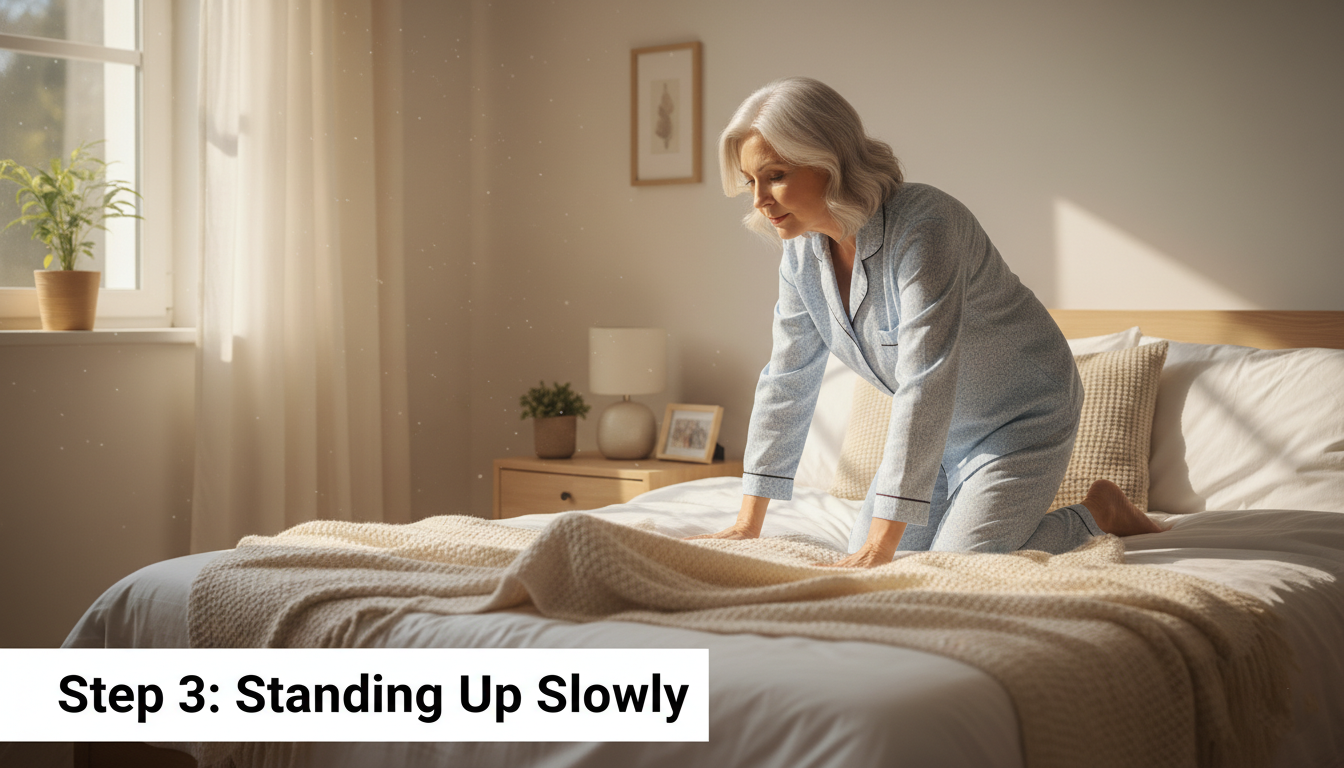
A good morning routine can make a big difference. The goal is to help your body wake up slowly instead of forcing sudden movement.
These simple steps can reduce stiffness, improve energy, and make mornings feel more manageable.
Gentle Movements Before Getting Out of Bed
Start with small movements while still lying down. This helps improve circulation and loosen stiff joints.
Try this sequence:
- Move your ankles in circles
- Bend and straighten your knees
- Stretch your arms overhead
- Gently turn your head side to side
These movements signal your body that it’s time to wake up.
Even 2–3 minutes can make your first steps feel easier.
Safe Ways to Sit and Stand Up
Getting up too quickly can cause dizziness or imbalance.
Follow these steps instead:
- Roll onto your side
- Use your arms to push yourself into a sitting position
- Sit at the edge of the bed for 10–15 seconds
- Place both feet firmly on the floor
- Stand up slowly using support if needed
This gives your body time to adjust and reduces the risk of falls.
Building a Consistent Morning Routine
Consistency helps your body know what to expect.
Try to:
- Wake up at the same time each day
- Get some natural light early in the morning
- Drink water soon after waking
- Avoid rushing your first movements
Over time, your body adapts. Mornings start to feel less stressful and more predictable.
How Physical Therapy Helps with Morning Stiffness and Fatigue

Morning stiffness and fatigue don’t have to be something you just live with. With the right approach, your body can become stronger, more flexible, and easier to move.
This is where physical therapy can make a real difference.
Improving Strength and Mobility Safely
As the body ages, muscles weaken and joints lose flexibility. This makes simple movements feel harder, especially after waking up.
Physical therapy focuses on:
- Gentle strength building
- Improving joint movement
- Restoring everyday mobility
The exercises are tailored to your body, not a one-size-fits-all routine.
Over time, this helps your body feel more ready to move in the morning.
Reducing Pain and Stiffness Over Time
Pain and stiffness often come from inflammation, tight muscles, or limited movement.
A physical therapist uses targeted techniques to reduce these issues. This may include:
- Stretching routines
- Guided movement exercises
- Hands-on techniques to ease stiffness
With regular sessions, many seniors notice less discomfort when they wake up.
Mornings start to feel smoother instead of painful.
Preventing Falls and Building Confidence
Feeling unsteady in the morning can be risky. Fear of falling can also make you move less, which leads to more weakness.
Physical therapy helps improve:
- Balance
- Coordination
- Confidence in movement
When your body feels more stable, getting out of bed becomes safer and less stressful.
Why Local Seniors in Salem Trust Dr. Raj at HWY Physical Therapy
Getting the right help can make mornings feel completely different. Many seniors in Salem choose Dr. Raj because the focus is simple—help you move better and feel more confident every day.
Care is built around your needs, not a generic plan.
Personalized Care for Older Adults
Every person’s body is different. Some struggle with stiffness, while others deal with weakness or balance issues.
Dr. Raj takes time to understand what’s making your mornings difficult.
Your plan is then tailored to:
- Improve your specific problem areas
- Match your comfort level
- Progress at a pace that feels safe
This makes the process feel manageable, not overwhelming.
Focus on Independence and Daily Function
The goal isn’t just exercise. It’s helping you handle daily life with more ease.
That includes simple but important things like:
- Getting out of bed without struggle
- Walking with confidence
- Reducing fear of falling
Many seniors notice that as their strength and balance improve, mornings stop feeling like a challenge.
They start their day with more control and less hesitation.
Small Changes That Can Make a Big Difference
Improving your mornings doesn’t always require big changes. Small, consistent habits can make your body feel more ready to move when you wake up.
The key is to support your sleep, energy, and movement throughout the day.
Better Sleep Habits for Seniors
Good sleep sets the tone for how you feel in the morning.
Try to:
- Go to bed and wake up at the same time each day
- Keep your bedroom quiet, dark, and comfortable
- Avoid screens or heavy meals before bedtime
These habits can improve sleep quality, not just sleep time.
Staying Active During the Day
Movement during the day helps your body stay flexible and strong.
Even light activity can help, such as:
- Short walks
- Gentle stretching
- Simple strength exercises
When your body moves more during the day, it feels less stiff in the morning.
Hydration and Nutrition Tips
Your body needs fuel and hydration to maintain energy.
Simple steps include:
- Drinking enough water throughout the day
- Eating balanced meals with protein and nutrients
- Avoiding long gaps between meals
These small changes support your energy levels and help reduce morning fatigue over time.
Topics to Read Further
- How aging affects sleep patterns in seniors
- Best exercises for improving balance in older adults
- What causes chronic fatigue in the elderly
Contact HWY PT for Expert Advice and Support
Struggling to get out of bed every morning can feel frustrating. It can also affect your confidence and daily routine over time.
You don’t have to deal with it on your own.
At HWY Physical Therapy, Dr. Raj works closely with older adults in Salem to improve strength, reduce stiffness, and make everyday movements easier.
With the right guidance, mornings can feel smoother and less stressful.
Center 50+, Salem City Building
Call 971-202-1979 to get started
.png)