older adults
Why You Feel Unsteady When Walking
Feeling unsteady when walking? Learn common causes, dizziness symptoms, and treatment options from HWY Physical Therapy Clinic in Salem.
Balance problems in seniors can lead to falls. Learn causes, warning signs, and treatment options with HWY Physical Therapy Clinic in Salem, Oregon.
Balance problems in seniors are more common than most people realize.
They often start small, like feeling unsteady while walking or needing support to stand up.
For many older adults, this isn’t just a minor issue.
It can quickly turn into a serious risk for falls, injuries, and even loss of independence.
You might notice a parent holding onto furniture more often.
Or avoiding walks they used to enjoy.
These changes are easy to overlook at first.
But they usually point to deeper issues that shouldn’t be ignored.
Balance is controlled by several systems in the body working together.
When even one of them is off, stability can suffer.
The good news is that most balance problems can be improved.
In many cases, they can even be prevented with the right approach.
In this guide, you’ll learn:
If you understand the root cause early, you can avoid bigger problems later.

Balance might feel automatic, but your body is doing a lot behind the scenes.
Several systems work together every second just to keep you steady.
When even one of these systems slows down, balance starts to feel off.
That’s why many seniors notice changes without a clear reason at first.
Your balance depends on three main systems working as a team:
Your brain pulls all this information together and makes quick adjustments.
This is what keeps you upright when you walk, turn, or stand.
If one system sends weak or mixed signals, your body struggles to stay stable.
That’s when you may feel dizzy, unsteady, or off balance.
As we age, these systems don’t work as efficiently as they used to.
This change is gradual, but it adds up over time.
Common age-related changes include:
Even small delays in response can affect stability.
That’s why seniors may feel unsure on uneven ground or when turning quickly.
The key thing to understand is this:
Balance problems are common, but they are not something you have to ignore or accept.
Balance problems in seniors rarely come from just one issue.
In most cases, several factors combine and make stability worse over time.
Understanding the root cause is the first step toward fixing the problem.
Here are the most common reasons older adults experience balance issues.
The inner ear plays a key role in controlling balance.
It helps your brain understand movement and position.
When this system is affected, you may feel:
Conditions like benign positional vertigo (BPPV) are common in seniors.
Even small head movements can trigger strong dizziness.
As we age, muscle mass naturally decreases.
This condition is known as sarcopenia.
Weaker muscles make it harder to:
Leg strength is especially important for balance.
When it declines, the risk of falls increases quickly.
Many health conditions directly impact stability.
These are often overlooked as a cause of balance problems.
Common conditions include:
These conditions make it harder for the body to respond quickly.
That delay can lead to instability and falls.
Some medications have side effects that affect balance.
This is very common in older adults taking multiple prescriptions.
Medications that may cause issues include:
These can lead to dizziness, lightheadedness, or slower reactions.
Even a small change in medication can affect stability.
Vision helps guide your movements and maintain orientation.
When vision declines, balance becomes harder to control.
Common vision-related issues include:
Without clear visual input, the body struggles to adjust properly.
This increases the chance of missteps and falls.
Balance problems don’t always appear suddenly.
They often show up as small warning signs that get worse over time.
Recognizing these early signs can help prevent serious falls.
Ignoring them can lead to bigger health risks.
One of the clearest warning signs is falling or almost falling.
Even a single fall should not be brushed off as “normal aging.”
Watch for:
These are signs your balance system is struggling.
The body is no longer able to correct itself quickly.
Feeling dizzy when standing up is common in seniors.
This may be due to a sudden drop in blood pressure.
You might notice:
This condition is often called orthostatic hypotension.
It can increase fall risk if not managed properly.
Changes in how someone walks can signal balance problems.
This is often described as an “unsteady gait.”
Signs include:
These changes may seem small at first.
But they often point to deeper balance or coordination issues.
A sudden loss of balance should always be taken seriously.
It may be linked to a more serious medical condition.
Watch for:
These symptoms could indicate a stroke or neurological issue.
Immediate medical attention is critical in such cases.
Sometimes it’s hard to tell if balance issues are serious.
This quick self-check can help you understand your risk level.
Take a moment to answer these honestly:
If you answered “yes” to even one of these, it’s worth paying attention.
Multiple “yes” answers may point to a higher fall risk.
A low risk means occasional imbalance without falls.
You can often improve this with simple exercises and lifestyle changes.
A higher risk includes frequent dizziness, near-falls, or actual falls.
This usually means your balance system needs proper evaluation and support.
The key is not to wait until a serious fall happens.
Early action can prevent injuries and help maintain independence.
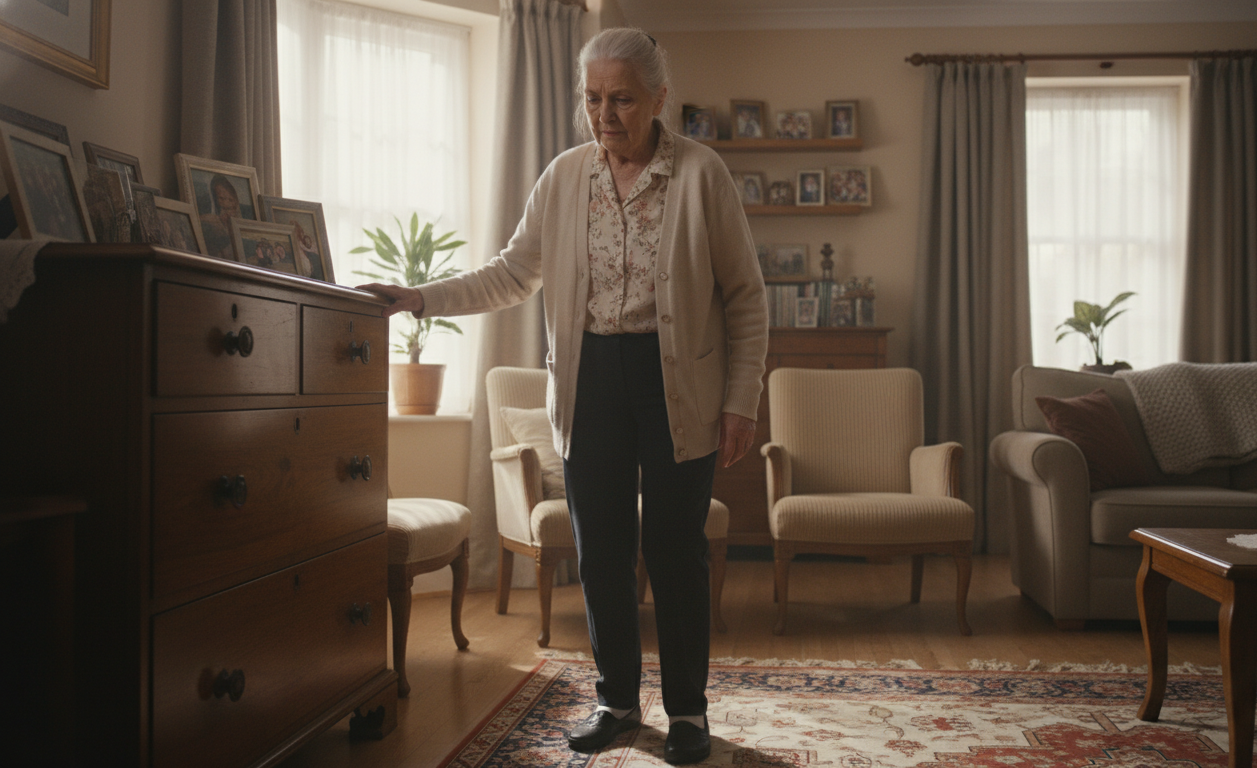
Balance issues are one of the leading causes of falls in older adults.
Even a small loss of stability can turn into a serious accident.
Many seniors don’t realize how quickly things can change.
What starts as mild unsteadiness can lead to life-altering injuries.
When balance is affected, the body can’t react fast enough.
This makes it harder to recover from trips or slips.
Common situations that lead to falls include:
Without proper balance, these everyday movements become risky.
That’s why falls often happen during normal daily activities.
After a fall, many seniors develop a fear of falling again.
This fear can be just as limiting as the physical injury.
You may notice:
Over time, less movement leads to weaker muscles.
This actually makes balance worse and increases fall risk even more.
Ignoring balance issues can lead to serious consequences.
It often affects both physical health and independence.
Long-term effects may include:
The earlier you address balance problems, the better the outcome.
Taking action now can help maintain confidence and quality of life.
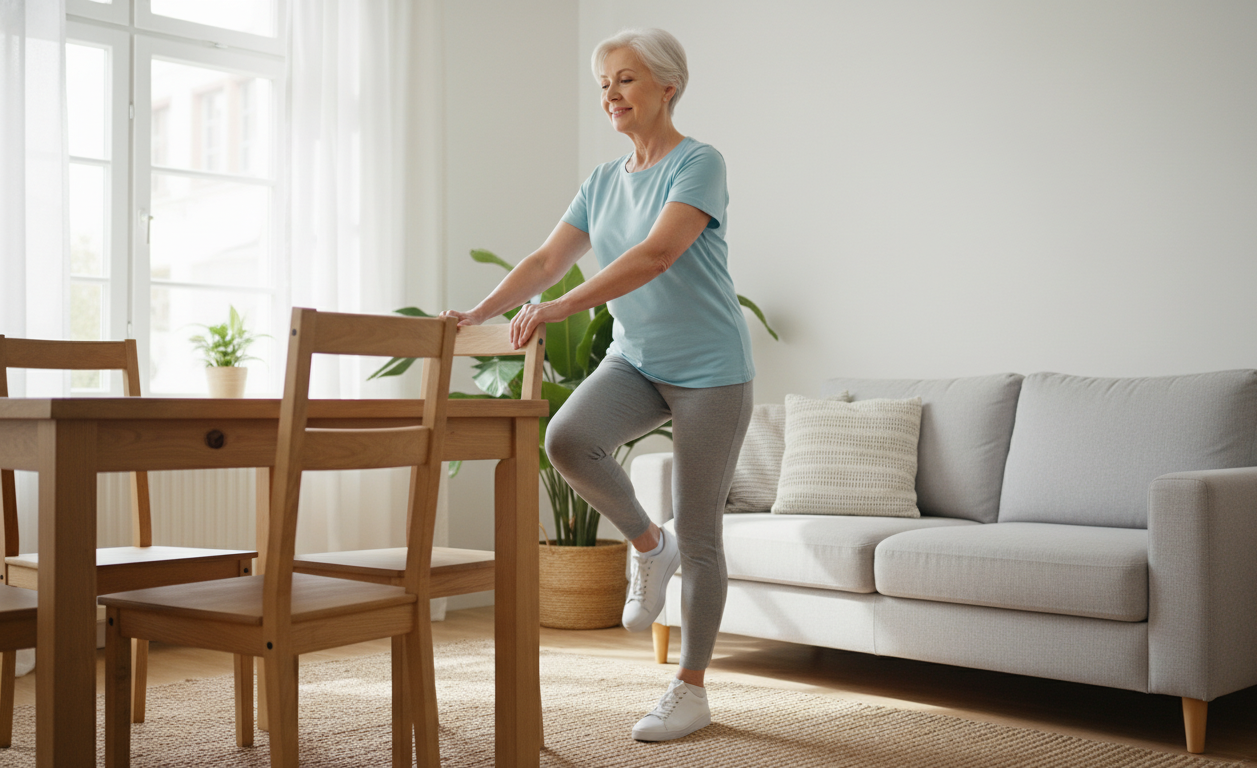
Improving balance doesn’t require anything complicated.
Simple, consistent steps can make a real difference over time.
The goal is to build strength, improve coordination, and reduce fall risk.
Even small changes in your daily routine can help you feel more stable.
You don’t need a gym to start improving balance.
A few basic movements done regularly can go a long way.
Try standing on one foot for a few seconds while holding onto a chair if needed.
You can also walk heel-to-toe in a straight line to improve coordination.
Another simple option is shifting your weight slowly from one foot to the other.
These exercises may feel easy, but they train your body to stay steady.
Start slow and stay near support for safety.
With daily practice, most people notice improvement within a few weeks.
Balance depends heavily on muscle strength, especially in the legs.
When muscles are weak, even small movements can feel unstable.
Simple movements like sitting and standing from a chair can help build strength.
Gentle squats or leg raises while holding support are also effective.
You don’t need long workouts.
A few minutes each day can make a noticeable difference if you stay consistent.
Your home setup plays a bigger role than most people think.
Small hazards can quickly turn into fall risks.
Start by clearing clutter and removing loose rugs from walking areas.
Make sure hallways and stairs are well-lit, especially at night.
Installing grab bars in bathrooms can add extra support where it’s needed most.
Wearing proper, non-slip footwear at home also helps improve stability.
These simple changes create a safer environment.
They also give you more confidence as you move around your home.
Not all balance issues need medical treatment right away.
But some signs should never be ignored.
If balance problems are happening often or getting worse, it’s time to take action.
Waiting too long can increase the risk of serious falls.
Pay attention to how often these symptoms show up.
If they are frequent, your body is signaling that something isn’t right.
You should consider professional help if you notice:
These signs usually don’t improve on their own.
They often require proper evaluation and guided treatment.
Physical therapy focuses on identifying the exact cause of balance problems.
From there, a personalized plan is created to improve stability.
Treatment may include exercises to:
A therapist also works on fall prevention strategies.
This helps you move more confidently in your daily life.
At HWY Physical Therapy in Salem, Oregon, balance care is tailored to each individual.
Dr. Raj focuses on helping seniors regain control, stability, and confidence.
Instead of a one-size-fits-all approach, the treatment is built around your needs.
This includes guided exercises, hands-on therapy, and practical fall prevention strategies.
Many seniors notice improvements not just in balance, but in how they move overall.
The goal is simple, help you stay active, safe, and independent.
If balance issues are starting to affect your daily life, it’s a good time to act.
Early support can make recovery easier and more effective.
This is one of the most common concerns people have.
The honest answer is that many balance problems can be improved, and in some cases, significantly.
It depends on what’s causing the issue.
Some conditions can be corrected, while others can be managed with the right approach.
For example, balance issues caused by muscle weakness often improve with targeted exercises.
Inner ear problems can also be treated with specific therapy techniques.
The key is consistency and early action.
The longer balance problems are ignored, the harder they become to manage.
With the right guidance, many seniors experience:
Progress may be gradual, but it is very achievable.
Small improvements can make a big difference in everyday life.
What matters most is taking the first step.
Addressing the issue early gives you the best chance to stay active and independent.
There isn’t just one single cause.
In most cases, balance problems come from a mix of issues like muscle weakness, inner ear changes, and vision decline.
As the body ages, these systems don’t work together as smoothly.
That’s what leads to instability over time.
Balance changes are common with age, but they shouldn’t be ignored.
Frequent unsteadiness or falls are not considered normal.
These are signs that something needs attention.
With the right approach, balance can often be improved.
Yes, dehydration is a common but often overlooked cause.
When the body lacks fluids, blood pressure can drop and lead to dizziness.
This is especially noticeable when standing up quickly.
Staying properly hydrated can help reduce these symptoms.
There’s no instant fix, but steady progress is possible.
The best results come from a combination of balance exercises, strength training, and proper guidance.
Working with a physical therapist can speed up improvement.
It also ensures exercises are done safely and correctly.
If you’d like to understand this topic more deeply, these related searches can help you explore further:
These topics can give you more practical ideas and help you take the next step toward improving balance and safety.
If you or a loved one is dealing with balance problems, it’s best not to wait.
These issues often get worse over time and can lead to serious falls.
Getting the right help early can make a big difference.
It can improve stability, confidence, and overall quality of life.
At HWY Physical Therapy in Salem, Oregon, Dr. Raj works closely with seniors to address the root cause of balance issues.
Each treatment plan is tailored to your needs, so you get the right support from day one.
The focus is simple.
Help you move safely, stay active, and maintain your independence.
If you’ve noticed dizziness, unsteadiness, or recent falls, now is the time to act.
Call 971-202-1979 to schedule your consultation and take the first step toward better balance.
Feeling unsteady when walking? Learn common causes, dizziness symptoms, and treatment options from HWY Physical Therapy Clinic in Salem.
Why is walking getting harder with age? Learn causes, warning signs, and solutions. HWY Physical Therapy Clinic helps seniors in Salem stay active.
Learn symptoms and treatment for peripheral nerve damage. Get expert care at HWY Physical Therapy Clinic in Salem, Oregon for better mobility.
.png)
Whether you have questions about enhancing strength, increasing mobility, ensuring home safety, managing pain effectively, or preventing falls, I am here to provide expert guidance.
Limited Time Offer - $25 - Learn More