Learn the best rehabilitation exercises for knee pain in elderly adults. Improve mobility, reduce pain, and stay active with help from HWY Physical Therapy Clinic.
Knee pain is one of the most common reasons older adults slow down or stop doing activities they enjoy. What may start as mild discomfort can gradually make walking, climbing stairs, exercising, or even getting out of a chair more difficult.
Many people assume knee pain is simply something they have to live with as they get older. While age-related changes can affect the joints, ongoing knee pain should not be ignored. In many cases, the right combination of exercise, movement, and strengthening can help reduce discomfort and improve mobility.
One of the biggest mistakes people make is avoiding activity altogether. It may seem logical to rest a painful knee, but too much inactivity can actually make symptoms worse. When the muscles around the knee become weaker, the joint receives less support and everyday movements can become more challenging.
Rehabilitation exercises are designed to strengthen the muscles that support the knee, improve flexibility, and restore confidence in movement. These exercises don't have to be complicated or intense. Simple, low-impact movements performed consistently can often lead to meaningful improvements over time.
Whether your knee pain is caused by arthritis, muscle weakness, a previous injury, or years of wear and tear, there are steps you can take to stay active and maintain your independence.
In this guide, you'll learn why knee pain becomes more common with age, which rehabilitation exercises are most effective, what activities to avoid, and how to build a stronger foundation for healthier movement. You'll also learn when it may be time to seek professional help and how physical therapy can support your recovery.
Why Knee Pain Becomes More Common With Age
Many older adults notice that their knees don't feel the same as they once did. Activities that used to be easy, such as walking, climbing stairs, or standing for long periods, may start causing discomfort.
While aging can affect the knee joint, pain is not something you should automatically accept as normal.
How Aging Affects the Knee Joint
The knee is one of the hardest-working joints in the body. Every step, squat, and stair climb places stress on the joint.
Over time, the cartilage that cushions the knee can become thinner. Cartilage acts as a protective layer between the bones, helping them move smoothly against each other.
As this cushioning changes, the joint may become stiffer and less flexible. The muscles that support the knee can also weaken with age, placing additional stress on the joint during everyday activities.
Why Knee Pain Isn't Always "Just Aging"
Many people blame every ache and pain on getting older. While age-related changes can contribute to discomfort, ongoing knee pain often has specific causes.
Conditions such as osteoarthritis, previous injuries, muscle weakness, poor movement patterns, and reduced activity levels can all play a role.
The encouraging news is that many of these factors can be improved. Strengthening the muscles around the knee and staying active can help reduce stress on the joint and improve function.
Common Symptoms Older Adults Experience
Knee pain doesn't affect everyone the same way.
Some people notice stiffness when they first get out of bed. Others feel discomfort when standing up after sitting for a while. Walking, climbing stairs, kneeling, or getting in and out of a car may also become more difficult.
You may experience:
- Stiffness in the knee joint
- Swelling around the knee
- Reduced range of motion
- Pain during activity
- A feeling that the knee is weak or unstable
Understanding what's causing your symptoms is the first step toward finding relief and getting back to the activities you enjoy.
What Causes Knee Pain in Older Adults?
Knee pain can develop for many different reasons. In some cases, the discomfort is linked to a specific condition. In others, it may result from a combination of aging, muscle weakness, previous injuries, and daily wear on the joint.
Understanding the cause of your knee pain can help you choose the most effective treatment and rehabilitation exercises.
Knee Osteoarthritis
Osteoarthritis is one of the most common causes of knee pain in older adults.
This condition develops when the cartilage that cushions the knee joint gradually wears down. As the protective cartilage becomes thinner, the bones may rub together more than they should.
Many people with knee osteoarthritis experience pain, stiffness, swelling, and reduced mobility. Symptoms are often worse after long periods of inactivity or after spending a lot of time on their feet.
Previous Injuries and Joint Damage
An old knee injury can continue to affect the joint years later.
Past ligament injuries, meniscus tears, fractures, or sports-related injuries may increase the risk of developing knee pain as you age. Even if the injury seemed to heal completely, it may have changed how the joint moves or handles stress.
Over time, these changes can contribute to discomfort and stiffness.
Muscle Weakness Around the Knee
The muscles surrounding the knee play an important role in supporting and stabilizing the joint.
When the quadriceps, hamstrings, hips, and calf muscles become weak, the knee absorbs more stress during everyday activities. This often leads to increased pain when walking, climbing stairs, or standing up from a chair.
Weak muscles are one of the most common factors contributing to knee pain in older adults, which is why strengthening exercises are such an important part of rehabilitation.
Excess Stress on the Joint
Years of repetitive movement can place stress on the knee joint.
Activities that involve frequent kneeling, squatting, lifting, or prolonged standing may contribute to wear and tear over time. Carrying extra body weight can also increase the amount of force passing through the knee with every step.
Even small reductions in joint stress can make a noticeable difference in comfort and mobility.
Balance and Movement Problems
Poor balance and movement patterns can place additional strain on the knees.
When the body compensates for weakness, stiffness, or pain, it may change the way you walk or move. These changes can create uneven stress on the joint and contribute to ongoing discomfort.
Addressing strength, flexibility, and balance together often provides the best results for long-term knee health.
Why Exercise Is One of the Best Treatments for Knee Pain
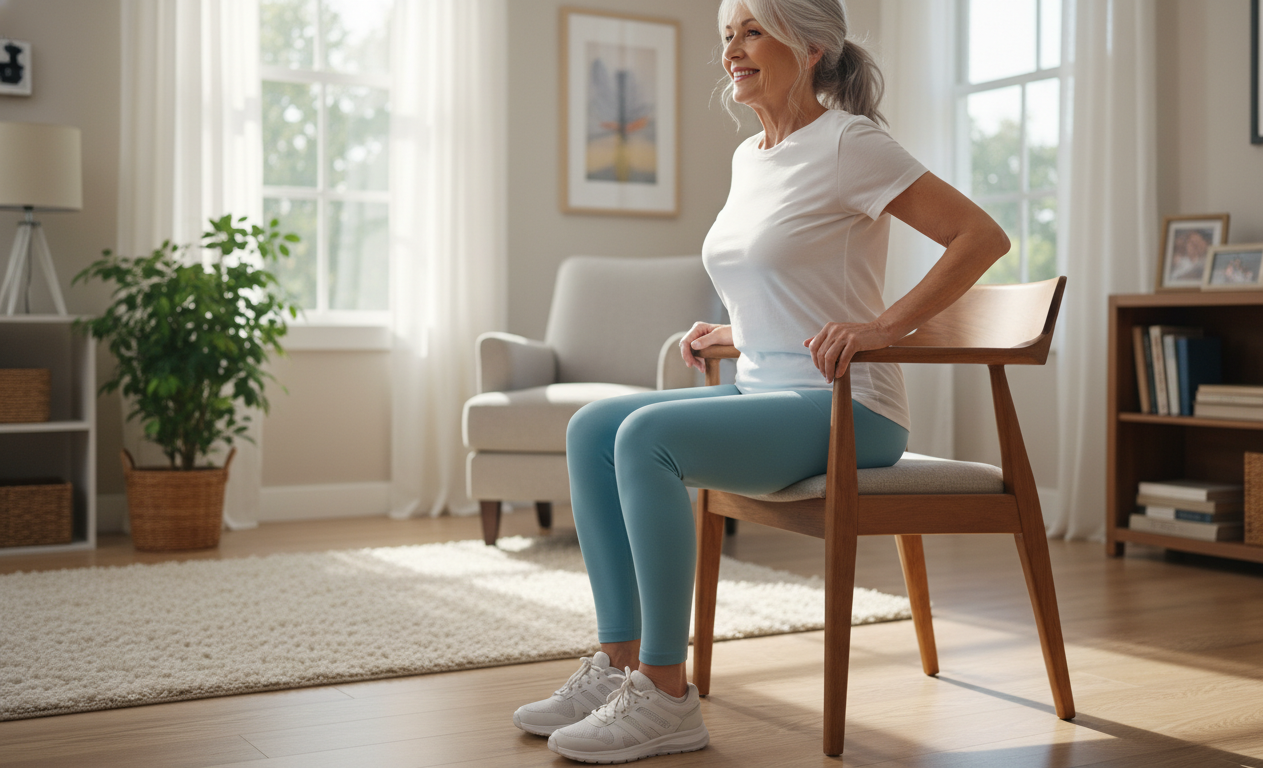
Many older adults avoid exercise because they worry it will make their knee pain worse. While it's important to choose the right activities, avoiding movement altogether often creates a bigger problem.
In most cases, properly selected exercises help reduce pain, improve mobility, and support long-term knee health.
How Strong Muscles Protect the Knee
Your knee doesn't work alone. It relies on the surrounding muscles to absorb force and provide stability during movement.
The quadriceps on the front of the thigh are especially important. These muscles help control the knee when walking, standing up, and climbing stairs.
When the muscles around the knee become weak, the joint has to handle more stress on its own. This can increase discomfort and make everyday activities feel harder than they should.
Strengthening these muscles helps distribute forces more evenly and often reduces pressure on the knee joint.
Why Inactivity Often Increases Pain
When a knee hurts, resting for a short period may be helpful. The problem occurs when rest turns into weeks or months of reduced activity.
Inactive muscles become weaker and joints become stiffer. Blood flow decreases, flexibility declines, and simple movements can start feeling more uncomfortable.
Many people notice that their knees feel especially stiff after sitting for a long time. This happens because the joint and surrounding tissues aren't moving regularly.
Gentle movement helps keep the knee functioning more smoothly.
Benefits of Consistent Movement
Regular exercise offers several benefits for older adults with knee pain.
It can help improve:
- Muscle strength
- Joint flexibility
- Balance and stability
- Walking ability
- Confidence during daily activities
The goal isn't to push through severe pain. Instead, focus on safe, controlled exercises that gradually improve strength and mobility.
For many seniors, consistent exercise becomes one of the most effective ways to manage knee pain and maintain an active lifestyle.
Why Your Knee Hurts When You Stand Up, Walk, or Climb Stairs
Many older adults notice that knee pain doesn't happen all the time. Instead, it tends to appear during specific activities such as standing up from a chair, walking through the grocery store, or climbing stairs.
These movements place different demands on the knee joint. Understanding why they trigger pain can help you identify what needs attention.
Knee Pain When Standing Up From a Chair
Standing up requires a coordinated effort from the knees, hips, and thigh muscles.
If the muscles around the knee are weak, the joint may absorb more force during this movement. This is one reason many people notice pain when rising from a chair or getting up from the couch.
Stiffness from arthritis can also make the first few steps uncomfortable after sitting for a while.
Knee Pain After Sitting for Long Periods
Have you ever stood up after watching a movie or driving for a long time and felt your knee ache or stiffen?
This is a common complaint among older adults, especially those with osteoarthritis.
When the knee remains in one position for an extended period, the joint can become stiff. The surrounding muscles and soft tissues may also tighten, making movement uncomfortable when you first get up.
The discomfort often improves after a few minutes of gentle movement.
Knee Pain While Walking
Walking is generally one of the best activities for knee health, but pain can develop when the joint is irritated or not well supported.
Weak leg muscles, reduced flexibility, poor balance, and arthritis can all contribute to discomfort during walking.
Some people notice pain only after walking longer distances, while others feel it almost immediately. The pattern of your symptoms can provide clues about the underlying cause.
Knee Pain Going Up or Down Stairs
Stair climbing places more stress on the knee than walking on level ground.
Going upstairs requires strength from the quadriceps and hip muscles. Going downstairs can be even more challenging because the muscles must control your body weight as you descend.
If you rely heavily on the handrail, take one step at a time, or avoid stairs whenever possible, it may be a sign that your strength and knee function need attention.
The good news is that targeted rehabilitation exercises can often improve these movements and make everyday activities more comfortable.
Morning Knee Stiffness: Why It Happens and What Helps
Many older adults say their knees feel the stiffest when they first get out of bed. The first few steps in the morning may feel slow, uncomfortable, or even painful.
While this can be frustrating, morning stiffness is a common symptom of knee arthritis and other joint conditions.
Why Knees Feel Stiff in the Morning
During sleep, your body remains relatively inactive for several hours.
Without regular movement, the tissues around the knee can tighten and joint fluid doesn't circulate as effectively. As a result, the knee may feel stiff when you first start moving.
This stiffness often improves once the joint warms up and movement increases blood flow to the surrounding muscles and tissues.
The Connection Between Arthritis and Stiffness
Osteoarthritis is one of the most common reasons older adults experience morning knee stiffness.
When cartilage in the knee becomes thinner, the joint may become less flexible. Inflammation can also contribute to feelings of tightness and discomfort.
Many people with knee arthritis notice that stiffness is worse after long periods of sitting or sleeping and improves after a short period of activity.
Simple Ways to Loosen Up Stiff Knees
You don't have to jump out of bed and start exercising immediately.
Start with gentle movements to help your knees loosen up:
- Slowly bend and straighten your knees before getting out of bed.
- Take a short walk around your home once you're up.
- Perform a few gentle knee range-of-motion exercises.
- Apply warmth if your healthcare provider recommends it.
The key is to keep moving. Gentle activity often helps reduce stiffness and prepares your knees for the rest of the day.
Common Everyday Activities That Become Difficult With Knee Pain
Knee pain doesn't just affect exercise. It can make many routine activities feel more challenging and frustrating.
Over time, some people begin changing their habits to avoid discomfort. While this may provide temporary relief, it can also lead to reduced activity and further weakness.
Getting In and Out of a Car
Getting into a car requires bending the knees and hips while rotating the body.
For someone with knee pain, this movement can feel awkward and uncomfortable. Long car rides can make the problem even worse because the knee remains bent for an extended period.
Many older adults notice increased stiffness and discomfort when they take their first few steps after driving.
Household Activities and Chores
Simple tasks around the house often involve more knee movement than people realize.
Activities such as vacuuming, gardening, carrying laundry, and cleaning require repeated bending, standing, and walking. When the knee is painful or stiff, these tasks may take longer and require more effort.
Some people start avoiding certain chores altogether because they worry about aggravating their symptoms.
Walking Longer Distances
Walking is one of the most important activities for maintaining independence.
Unfortunately, knee pain can make longer walks feel difficult. You may find yourself needing more frequent breaks, walking more slowly, or avoiding outings that involve significant walking.
This can affect not only physical health but also social activities and overall quality of life.
Exercise and Recreational Activities
Many older adults enjoy activities such as golfing, hiking, dancing, or exercising with friends.
Knee pain can make participation more difficult and may reduce confidence during movement. As activity levels decrease, muscles often become weaker, creating a cycle that can lead to even more discomfort.
The goal of rehabilitation is to break that cycle by improving strength, mobility, and confidence so you can continue participating in the activities that matter to you.
Best Rehabilitation Exercises for Knee Pain in Elderly Adults
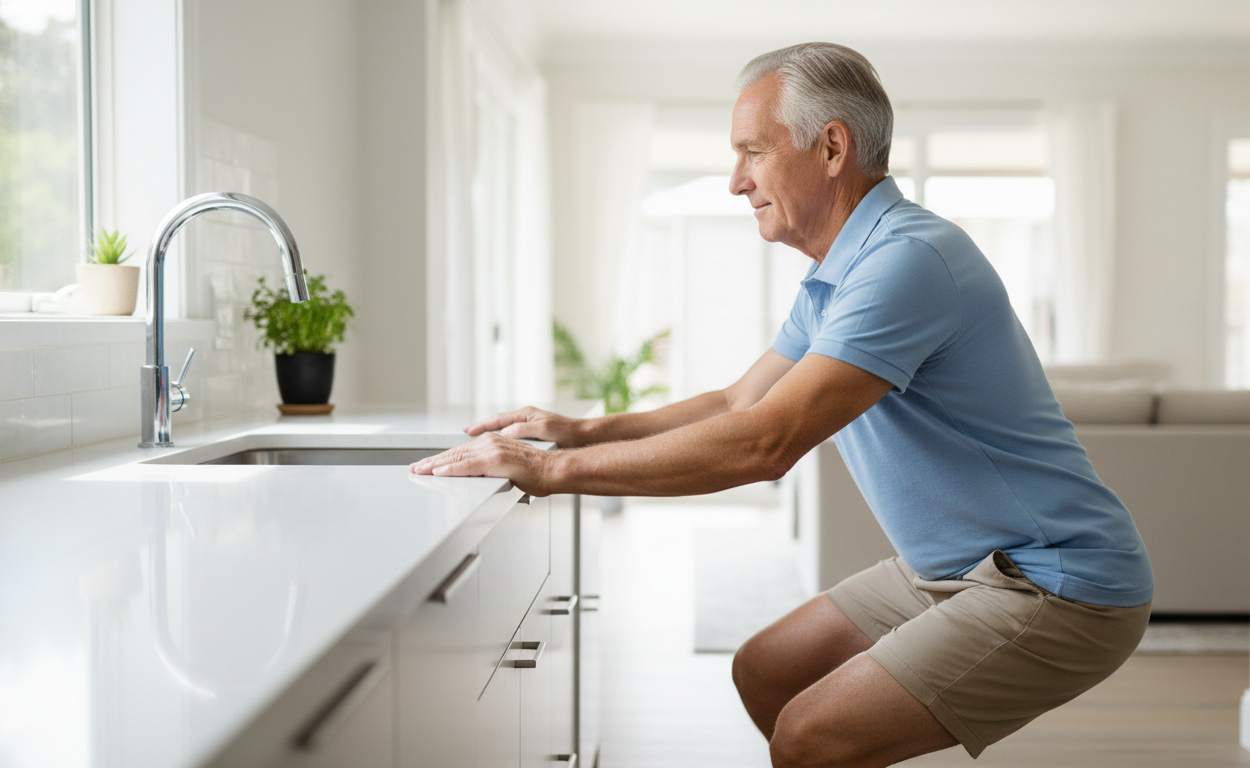
The best exercises for knee pain are the ones that strengthen the muscles supporting the joint without causing excessive stress. You don't need expensive equipment or a gym membership to get started.
Focus on slow, controlled movements. Mild muscle fatigue is normal, but sharp or worsening pain is a sign to stop and modify the exercise.
Seated Knee Extensions
This simple exercise helps strengthen the quadriceps, which are the large muscles on the front of the thigh.
Sit in a sturdy chair with both feet on the floor. Slowly straighten one knee until your leg is extended in front of you. Hold for a second, then lower it back down.
Repeat 10 to 15 times before switching to the other leg.
This exercise places minimal stress on the knee while helping build strength needed for walking and standing.
Straight Leg Raises
Straight leg raises strengthen the thigh muscles without requiring the knee to bend repeatedly.
Lie on your back with one knee bent and the other leg straight. Tighten the muscles in the straight leg and slowly lift it several inches off the floor.
Hold briefly before lowering it back down with control.
Aim for 10 repetitions on each side.
Sit-to-Stand Exercises
Standing up from a chair is one of the most important functional movements for older adults.
Sit near the front of a sturdy chair with your feet shoulder-width apart. Lean forward slightly and stand up. Slowly lower yourself back into the chair.
Use your hands only if needed.
This exercise strengthens the thighs, hips, and muscles that support the knee during everyday activities.
Supported Mini Squats
Mini squats help build strength while limiting stress on the joint.
Stand behind a countertop or sturdy chair for support. Bend your knees slightly as if you are about to sit down, then return to a standing position.
Keep the movement comfortable and avoid deep squats if they increase pain.
Heel Raises
Strong calf muscles help improve walking mechanics and overall lower-body stability.
Stand near a wall or countertop for support. Slowly rise onto your toes and then lower your heels back to the floor.
Perform the movement slowly and with control.
Many older adults are surprised by how much this simple exercise improves balance and mobility.
Step-Ups
Step-ups help prepare the body for activities such as climbing stairs and stepping onto curbs.
Using a low step, place one foot on the step and push through that leg to lift yourself up. Step back down slowly and repeat.
Start with a low height and focus on maintaining good balance throughout the movement.
Resistance Band Knee Strengthening Exercises
Resistance bands provide a safe way to increase strength without placing heavy loads on the joints.
Simple exercises such as seated leg presses, standing leg extensions, and side leg raises can strengthen the muscles that support the knee.
As your strength improves, you can gradually increase the resistance.
Getting the Best Results
Try to perform strengthening exercises two to three times each week.
Start slowly and focus on consistency rather than intensity. A regular exercise routine often produces better results than occasional hard workouts.
Many older adults notice improvements in strength, mobility, and confidence within a few weeks of following a structured rehabilitation program.
Flexibility and Range of Motion Exercises for Stiff Knees
Strength is important, but flexibility also plays a major role in knee health. Tight muscles can place extra stress on the knee joint and make everyday movements feel more difficult.
Range-of-motion exercises help keep the knee moving comfortably and can reduce the stiffness many older adults experience, especially in the morning or after sitting for long periods.
Hamstring Stretches
The hamstrings are located on the back of the thigh. When these muscles become tight, they can affect how the knee moves.
Sit near the edge of a chair and extend one leg in front of you with your heel on the floor. Keep your back straight and gently lean forward until you feel a stretch along the back of the thigh.
Hold the stretch for 20 to 30 seconds and repeat on the other side.
Calf Stretches
Tight calf muscles can affect walking and place additional strain on the knee.
Stand facing a wall and place both hands against it. Step one foot back while keeping the heel on the floor. Lean forward slightly until you feel a stretch in the calf.
Hold for 20 to 30 seconds before switching legs.
Gentle Knee Bends
This simple movement helps improve knee flexibility and joint mobility.
While seated or standing with support, slowly bend and straighten the knee through a comfortable range of motion.
Move slowly and avoid forcing the joint into a painful position.
Range of Motion Exercises for Knee Arthritis
People with knee arthritis often benefit from frequent gentle movement throughout the day.
Simple activities such as slowly extending and bending the knee while sitting, taking short walks, or performing light stretching can help reduce stiffness and improve comfort.
The goal isn't to push through pain. It's to keep the joint moving regularly so it stays as mobile as possible.
Adding flexibility exercises to your routine a few times each week can make walking, standing, and other daily activities feel easier and more comfortable.
Balance Exercises for Seniors With Knee Pain
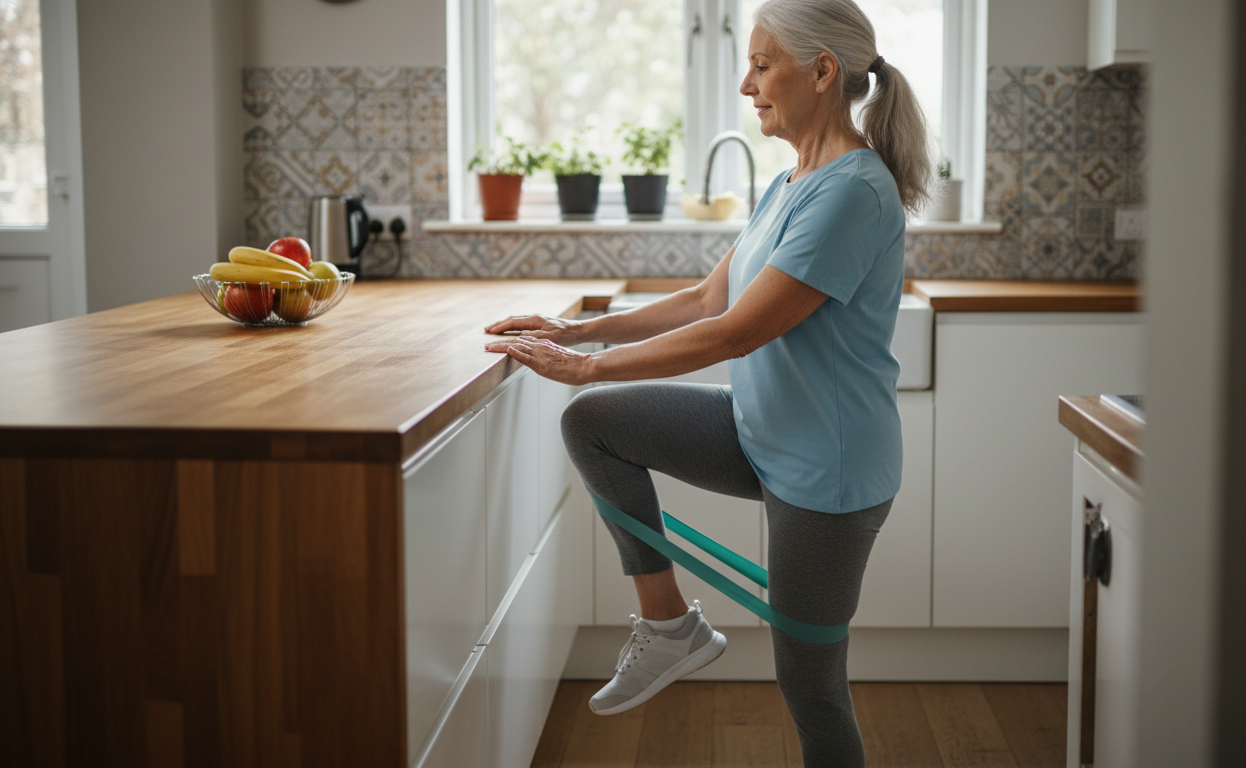
Many people focus on strength when dealing with knee pain, but balance is just as important. Poor balance can increase the risk of falls and make everyday activities feel less comfortable.
The good news is that balance can improve with practice. A few simple exercises performed regularly can help you feel more stable and confident when walking and moving around.
Weight Shifting Exercises
Weight shifting is one of the easiest ways to begin balance training.
Stand near a countertop or sturdy chair for support. Slowly shift your weight onto one leg, hold for a few seconds, and then shift to the other side.
This exercise helps your body learn how to control movement while improving stability around the hips, knees, and ankles.
Single-Leg Balance Progressions
Standing on one leg challenges the muscles and balance systems that help prevent falls.
Begin by standing near a stable surface. Lift one foot slightly off the floor and maintain your balance for a few seconds before switching sides.
As your confidence improves, gradually increase the amount of time you balance on each leg.
Heel-to-Toe Walking
This exercise helps improve coordination and walking stability.
Walk in a straight line, placing the heel of one foot directly in front of the toes of the other foot. Move slowly and use a wall or countertop for support if needed.
Many older adults find this exercise helpful for improving control during walking.
Safe Balance Training Tips
Always perform balance exercises near a sturdy surface that you can hold if needed.
Start with short sessions and focus on quality rather than duration. If you feel unsteady, take a break and use additional support.
Better balance can help reduce fall risk, improve confidence, and make daily activities feel safer and easier.
Exercises Seniors Should Avoid With Knee Pain
Exercise is one of the best ways to manage knee pain, but not every exercise is a good fit for painful or arthritic knees. Certain movements can place excessive stress on the joint and may increase discomfort if performed incorrectly.
This doesn't mean you should avoid exercise altogether. It simply means choosing activities that support your recovery rather than aggravate your symptoms.
Deep Squats
Squats can be beneficial when performed properly, but deep squats may place significant pressure on the knee joint.
For many older adults with knee pain, lowering too far can increase discomfort and irritation. A better option is a supported mini squat that keeps the movement within a comfortable range.
Focus on quality movement rather than how low you can go.
High-Impact Jumping Activities
Activities that involve repeated jumping can place substantial force through the knees.
Exercises such as jump squats, box jumps, and high-impact fitness classes may be too stressful for painful joints, especially if arthritis is present.
Low-impact alternatives often provide similar fitness benefits with less strain on the knees.
Running on Hard Surfaces
Some older adults can continue running without problems, but others find that repeated impact worsens knee pain.
Concrete sidewalks and other hard surfaces tend to increase the forces traveling through the knee joint. If running consistently aggravates your symptoms, walking, cycling, swimming, or water exercise may be better options.
Common Exercise Mistakes
Many knee problems are made worse by simple training mistakes.
Examples include:
- Doing too much too soon
- Ignoring pain signals
- Using poor exercise technique
- Skipping warm-ups
- Exercising inconsistently
The goal is to challenge the muscles without overwhelming the joint.
If an exercise causes sharp pain, significant swelling, or symptoms that continue worsening afterward, it may need to be modified or replaced.
Choosing the right exercises and progressing gradually can help you build strength while protecting your knees at the same time.
Is Walking Good for Knee Pain and Knee Arthritis?
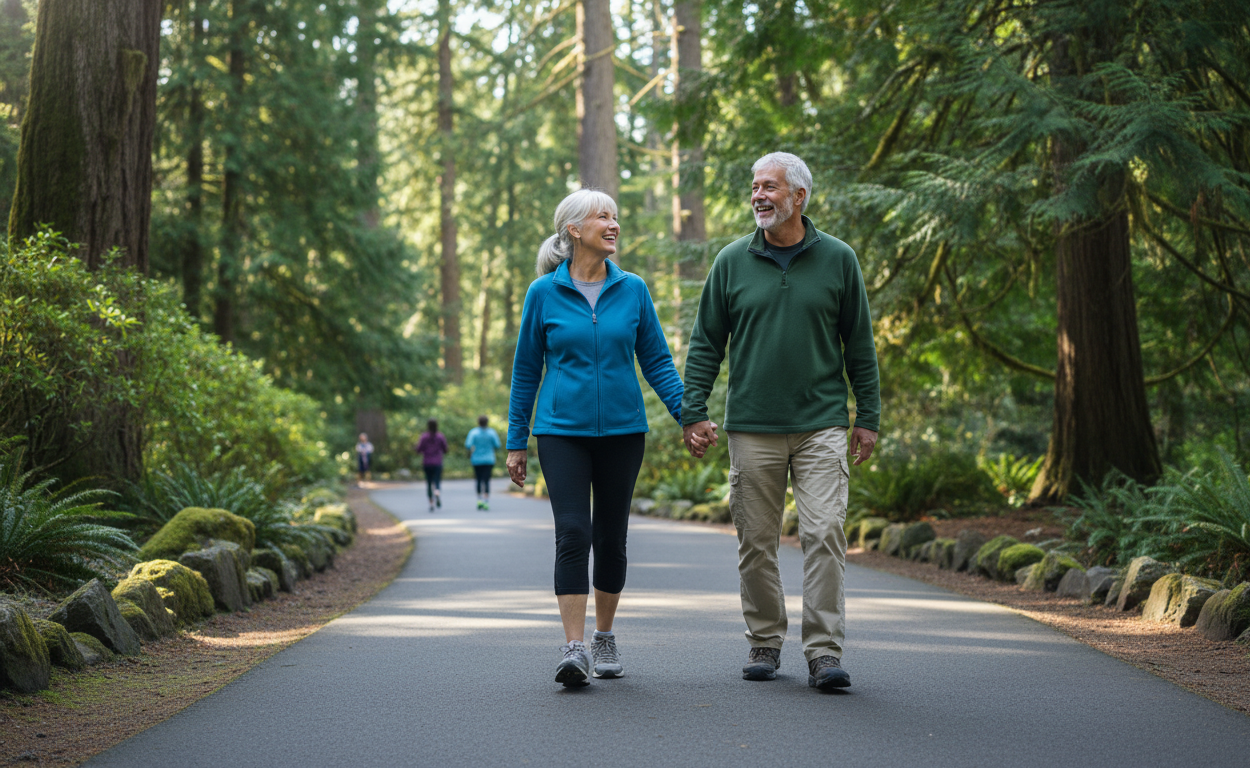
Walking is one of the most recommended activities for older adults with knee pain. It's low impact, requires no special equipment, and helps keep the joints moving.
For many people with knee arthritis, regular walking can actually reduce stiffness and improve mobility over time.
Benefits of Walking for Knee Health
Walking helps strengthen the muscles that support the knee while improving circulation throughout the joint.
Regular walking may help:
- Reduce joint stiffness
- Improve mobility
- Strengthen the legs
- Support balance and coordination
- Maintain a healthy weight
These benefits can make everyday activities easier and reduce stress on the knees.
How Much Walking Is Appropriate?
The right amount of walking depends on your current fitness level and symptoms.
If you're just getting started, begin with short walks of 5 to 10 minutes. As your comfort and endurance improve, gradually increase the duration.
It's usually better to walk shorter distances consistently than to do one long walk that leaves you sore for days afterward.
Listen to your body and progress at a pace that feels manageable.
Signs You Should Modify Your Walking Program
Some discomfort during activity isn't unusual, especially when starting a new routine.
However, you may need to reduce your walking distance or take additional rest if you experience:
- Sharp knee pain
- Significant swelling
- Pain that continues worsening after walking
- Limping during activity
The goal is to stay active without overloading the joint.
For most older adults, walking remains one of the safest and most effective ways to support knee health, improve mobility, and maintain independence.
How to Strengthen Your Knees After 60
Building stronger knees after 60 isn't about doing intense workouts or spending hours exercising. The key is to strengthen the muscles that support the knee while staying consistent with your routine.
Small efforts performed regularly often produce better results than occasional hard workouts.
Build a Weekly Exercise Routine
A balanced program should include strength exercises, flexibility work, and regular movement.
For most older adults, a simple weekly schedule might include:
- Strength exercises two to three times per week
- Stretching or flexibility exercises most days
- Walking or another low-impact activity several times each week
- Balance exercises a few times per week
This combination helps support the knee from multiple angles.
Progress Gradually
One of the biggest mistakes people make is trying to do too much too quickly.
Your muscles, joints, and connective tissues need time to adapt. Start with a comfortable number of repetitions and gradually increase the challenge as your strength improves.
If an exercise causes sharp pain, reduce the intensity or modify the movement.
Steady progress is more important than rapid progress.
Focus on Long-Term Habits
Strong knees are usually the result of consistent habits rather than short-term programs.
Continue moving even on days when you're not exercising. Take short walks, stay active around the house, and avoid sitting for long periods whenever possible.
Pay attention to other factors that support joint health as well, including maintaining a healthy weight, eating a balanced diet, and getting enough sleep.
Stay Consistent
The people who experience the greatest improvement are often the ones who stick with their routine.
You may not notice dramatic changes overnight, but small improvements in strength, mobility, and confidence can add up over time. These gains can make everyday activities easier and help you stay active for years to come.
Can Knee Pain Improve Without Surgery?
Many older adults worry that knee pain will eventually lead to surgery. While surgery is necessary in some situations, it is not the only option.
In fact, many people are able to reduce pain, improve mobility, and continue enjoying daily activities through conservative treatment approaches.
When Conservative Treatment Works
The success of non-surgical treatment depends on the cause and severity of the knee problem.
For many older adults with knee osteoarthritis, muscle weakness, stiffness, or mild to moderate joint degeneration, a structured rehabilitation program can lead to meaningful improvements.
Conservative treatment often includes exercise, activity modification, balance training, and physical therapy.
The goal is to improve how the knee functions rather than simply focusing on pain alone.
The Role of Strength and Mobility Training
Strong muscles help support and protect the knee joint.
When the quadriceps, hamstrings, hips, and calves become stronger, they absorb more of the force that would otherwise be placed directly on the knee. This can reduce stress on the joint and make everyday movements feel more comfortable.
Improving flexibility and joint mobility can also help decrease stiffness and improve overall movement quality.
Many people notice they can walk farther, climb stairs more comfortably, and perform daily activities with greater confidence after following a consistent exercise program.
Setting Realistic Expectations
Exercise and rehabilitation are not instant fixes.
Most people begin noticing gradual improvements over several weeks or months rather than days. The goal is often to reduce pain, improve function, and maintain independence rather than completely eliminate every symptom.
Even when arthritis is present, many older adults can continue leading active lifestyles without surgery.
The earlier you address knee pain through strengthening, mobility work, and professional guidance when needed, the better your chances of improving your symptoms and staying active long-term.
How Long Does Knee Rehabilitation Take?
One of the most common questions people ask is how long it will take before their knee starts feeling better. The answer depends on several factors, including the cause of the pain, the severity of symptoms, overall health, and how consistently you follow your rehabilitation program.
The encouraging news is that many people begin noticing improvements sooner than they expect.
Early Improvements You May Notice
During the first few weeks, you may find that everyday activities become a little easier.
Getting out of a chair may require less effort. Walking may feel more comfortable. Morning stiffness may not last as long, and your confidence in moving around may start to improve.
These early changes are often a sign that your muscles and joints are responding positively to exercise.
Typical Recovery Timelines
Many older adults notice meaningful improvements within four to six weeks of following a consistent strengthening and mobility program.
More significant gains often occur between eight and twelve weeks. During this time, muscles become stronger, balance improves, and daily activities may feel less demanding.
Recovery doesn't stop there. Continuing your exercises can help maintain and build upon your progress over the long term.
Factors That Affect Progress
Several factors influence how quickly you improve.
These include the severity of your knee condition, your activity level, consistency with exercise, overall health, and whether other issues such as balance problems or muscle weakness are present.
The most important thing is to stay consistent. Small improvements each week often lead to meaningful changes in mobility, comfort, and independence over time.
When to Seek Professional Help for Knee Pain
While many cases of knee pain improve with exercise and activity modifications, some symptoms should not be ignored.
Seeking help early can prevent a minor issue from becoming a larger mobility problem.
Persistent Pain
If your knee pain continues for several weeks despite staying active and following a rehabilitation program, it's worth having it evaluated.
Pain that regularly interferes with walking, sleeping, exercise, or daily activities may indicate an underlying issue that requires additional attention.
Swelling and Instability
Occasional mild swelling can occur after activity, but persistent swelling is a sign that the knee may be irritated or inflamed.
You should also pay attention if your knee feels like it may give out, buckle, or cannot support your weight properly.
Difficulty Walking or Climbing Stairs
When knee pain begins limiting your ability to walk, stand up from a chair, or climb stairs, it can have a significant impact on independence and quality of life.
Addressing these problems early often leads to better outcomes.
Sudden Changes in Symptoms
Sudden increases in pain, significant swelling, loss of motion, or difficulty bearing weight should never be ignored.
A professional evaluation can help identify the cause and determine the most appropriate treatment plan.
Physical Therapy for Knee Pain in Salem, Oregon
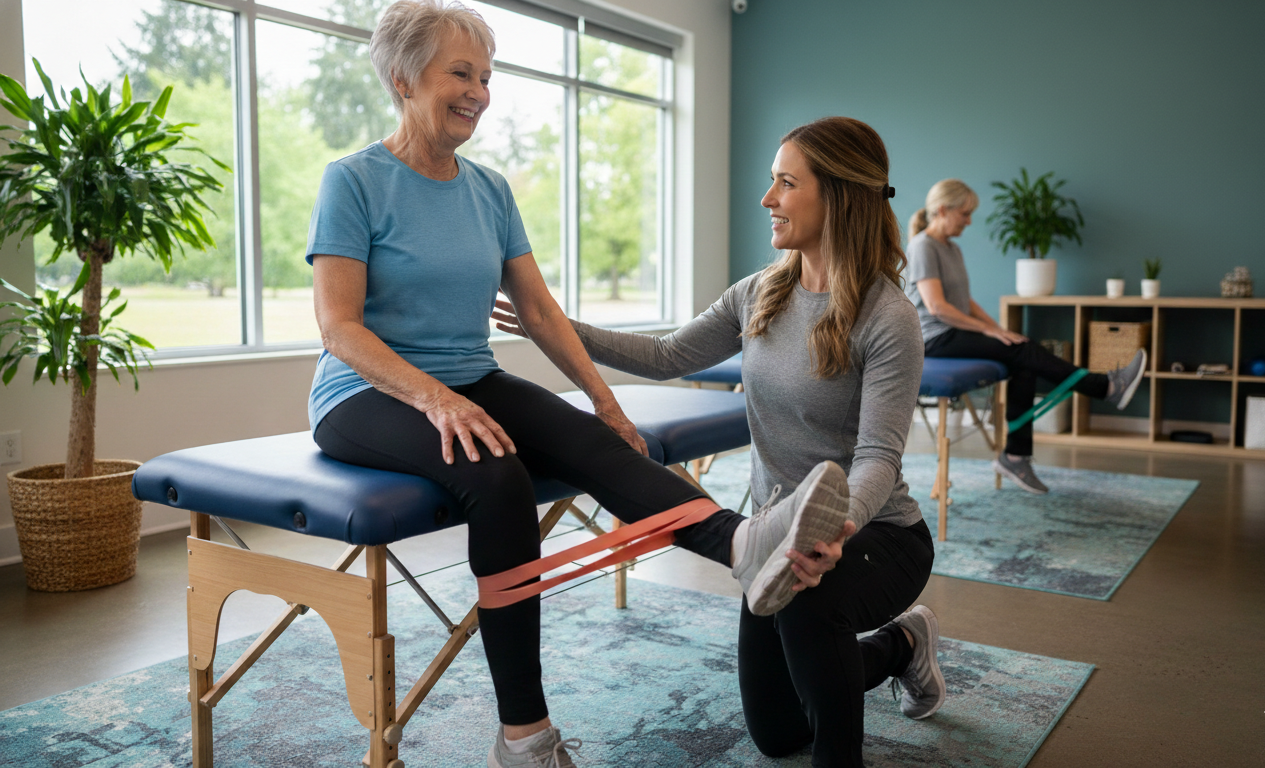
Knee pain can make everyday activities feel more difficult than they should. Whether you're dealing with arthritis, stiffness, weakness, or pain when walking, the right treatment plan can help you move more comfortably and confidently.
Physical therapy is often one of the most effective non-surgical options for managing knee pain and improving mobility.
How Physical Therapy Helps Knee Pain
A physical therapist looks beyond the symptoms to identify what's contributing to your discomfort.
Treatment may focus on:
- Improving leg strength
- Increasing knee mobility
- Reducing stiffness
- Improving balance and walking mechanics
- Building confidence during everyday activities
The goal is to help you move better while reducing unnecessary stress on the knee joint.
Personalized Exercise Programs
Every person experiences knee pain differently.
Some people need to focus on strengthening weak muscles, while others may benefit more from improving flexibility, balance, or movement patterns.
A personalized rehabilitation program is designed around your specific goals, activity level, and physical abilities.
Improving Mobility and Confidence
At HWY Physical Therapy, Dr. Raj works with older adults throughout Salem to help them regain strength, improve mobility, and stay active.
Whether you're struggling with knee arthritis, pain when climbing stairs, or difficulty walking longer distances, an individualized treatment plan can help you return to the activities you enjoy with greater confidence.
HWY Physical Therapy
Center 50+
2615 Portland Rd NE
Salem, OR 97301
Call: 971-202-1979
Frequently Asked Questions
What Are the Best Rehabilitation Exercises for Knee Pain in Elderly Adults?
Some of the most effective exercises include seated knee extensions, straight leg raises, sit-to-stand exercises, supported mini squats, heel raises, and step-ups.
These exercises help strengthen the muscles that support the knee while improving mobility and stability. The best exercise program is one that matches your current fitness level and can be performed consistently.
Can Exercise Help Knee Arthritis?
Yes. Exercise is one of the most recommended treatments for knee osteoarthritis.
Strengthening the muscles around the knee helps reduce stress on the joint. Regular movement can also improve flexibility, reduce stiffness, and make daily activities more comfortable.
Is Walking Good for Knee Pain?
For most older adults, walking is a safe and beneficial activity.
Walking helps maintain joint mobility, strengthen the legs, and improve overall fitness. If walking increases your pain significantly or causes swelling, you may need to shorten your distance or adjust your pace until your symptoms improve.
What Exercises Should Seniors Avoid With Knee Pain?
Exercises that place excessive stress on the knee may need to be modified.
Examples include deep squats, repetitive jumping exercises, and high-impact activities that worsen symptoms. Focus on low-impact strengthening exercises that allow you to build strength without increasing pain.
How Often Should Seniors Exercise for Knee Pain?
Most people benefit from performing strengthening exercises two to three times per week.
Gentle stretching, walking, and mobility exercises can often be performed more frequently. Consistency is usually more important than exercise intensity.
Can Knee Pain Improve Without Surgery?
Yes. Many older adults successfully manage knee pain through exercise, physical therapy, activity modifications, and lifestyle changes.
While surgery may be necessary in some situations, many people improve their symptoms and maintain an active lifestyle without it.
How Long Does Knee Rehabilitation Take?
Some people begin noticing improvements within a few weeks.
More significant gains often occur after four to twelve weeks of consistent exercise and rehabilitation. Long-term success depends on maintaining healthy movement habits and continuing to stay active.
Can Physical Therapy Help Knee Pain?
Physical therapy can be highly effective for many causes of knee pain.
A therapist can identify weakness, mobility limitations, balance problems, and movement patterns that may be contributing to discomfort. Treatment is then tailored to your specific needs and goals.
Why Do My Knees Crack or Pop When I Move?
Knee popping and cracking are often harmless, especially if they occur without pain.
These sounds can be caused by gas bubbles within the joint, movement of tendons and ligaments, or minor changes in joint surfaces. If popping is accompanied by pain, swelling, or instability, it should be evaluated by a professional.
Should I Exercise If My Knee Hurts?
In many cases, yes.
Mild discomfort during exercise is not always a sign that you're causing harm. In fact, avoiding movement completely often leads to more stiffness and weakness.
However, sharp pain, severe swelling, or symptoms that continue worsening after exercise should not be ignored. If you're unsure which activities are appropriate, a physical therapy evaluation can help you exercise safely.
Topics to Read Further
If you'd like to learn more about managing knee pain and staying active as you age, these topics are worth exploring:
- Understanding Knee Osteoarthritis in Older Adults
- Fall Prevention Strategies for Seniors With Joint Pain
- Strength Training Benefits for Adults Over 60
Contact HWY PT for Expert Advice and Support
Knee pain doesn't have to control your daily life. With the right combination of strengthening exercises, mobility training, and professional guidance, many older adults are able to reduce pain, improve function, and stay active.
If you're struggling with knee pain, stiffness, difficulty walking, or discomfort when climbing stairs, getting help early can make a significant difference.
At HWY Physical Therapy, Dr. Raj works with older adults to create personalized treatment plans that focus on improving strength, mobility, balance, and confidence. Whether you're dealing with arthritis, recovering from an injury, or simply want to move more comfortably, individualized care can help you reach your goals.
HWY Physical Therapy
Center 50+
2615 Portland Rd NE
Salem, OR 97301
Phone: 971-202-1979
Take the first step toward healthier knees and better mobility by contacting HWY Physical Therapy today.
.png)