Knee pain becomes more common as we get older. For many adults over 60, it can affect everything from morning walks and household chores to hobbies and social activities.
What starts as occasional discomfort may gradually turn into stiffness, weakness, or pain that limits movement. Many people find themselves avoiding activities they once enjoyed because they worry about making the pain worse.
The good news is that knee pain does not always have to lead to a less active lifestyle. In many cases, simple changes in daily habits, targeted exercises, and the right treatment approach can help reduce discomfort and improve mobility.
Understanding the cause of your knee pain is an important first step. Age-related changes, arthritis, muscle weakness, previous injuries, and reduced activity levels can all contribute to ongoing knee problems.
This guide explores practical ways to reduce knee pain after 60, including exercises, lifestyle strategies, physical therapy, and long-term joint protection techniques. You'll also learn when it's time to seek professional help and how staying active can support healthier knees for years to come.
Whether your goal is walking comfortably, climbing stairs more easily, or staying independent, the right approach can help you continue doing the activities that matter most.
Why Knee Pain Becomes More Common After 60
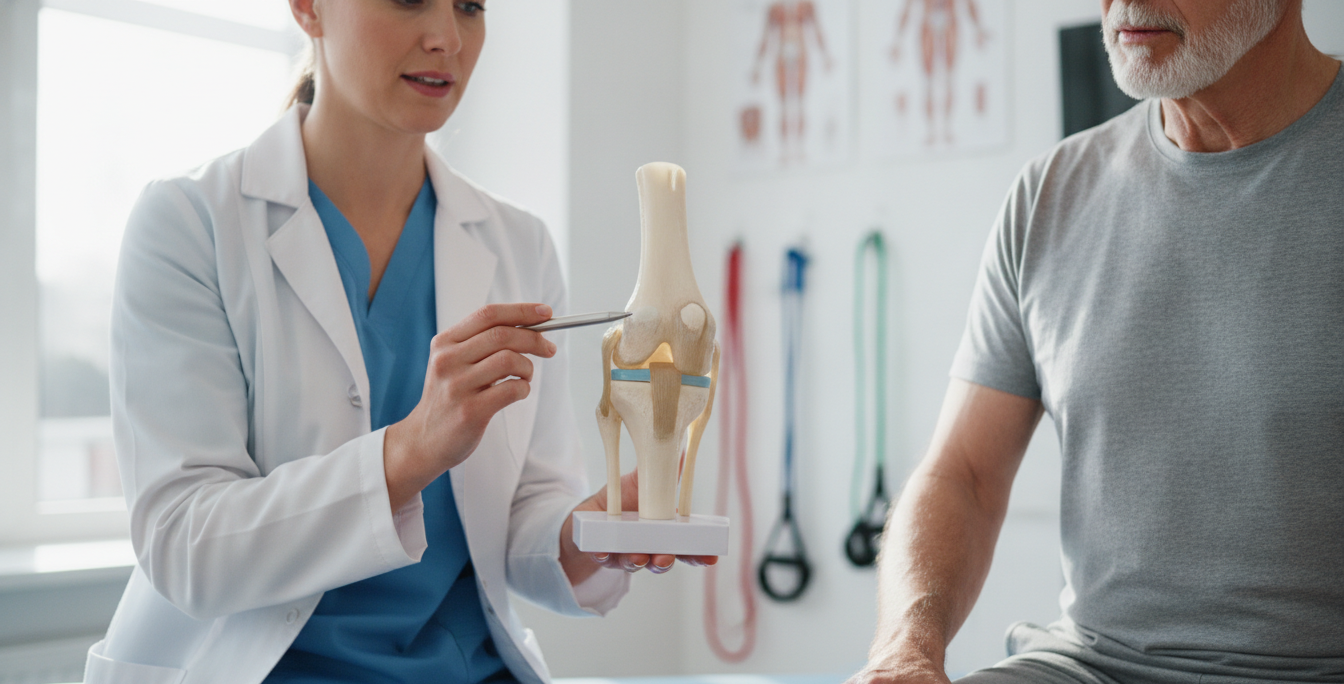
Understanding the root causes of knee pain can help you make better decisions about treatment and long-term joint health.
Natural Changes That Occur in Aging Joints
The knees work hard every day. They support body weight, absorb shock, and help with nearly every movement involving the lower body.
As we age, natural wear and tear can affect the knee joint. Cartilage may become thinner, joint tissues may lose some flexibility, and the body's ability to repair minor damage can slow down.
These changes do not automatically lead to pain, but they can make the knees more vulnerable to stiffness and discomfort.
The Connection Between Muscle Loss and Knee Pain
Many adults lose muscle mass as they age. This process, known as age-related muscle loss, often begins gradually and becomes more noticeable after 60.
When the muscles around the knees become weaker, the joints must handle more stress during activities such as walking, climbing stairs, and standing up from a chair.
Strong muscles help absorb force and stabilize the knee. Weak muscles can increase pressure on the joint and contribute to pain.
Common Conditions That Cause Knee Pain in Seniors
Several conditions can contribute to knee pain later in life.
The most common include:
- Osteoarthritis
- Previous sports or work-related injuries
- Tendon irritation
- Ligament injuries
- Meniscus degeneration
- Joint inflammation
Many people experience a combination of factors rather than a single cause.
Understanding what is contributing to your symptoms can help guide treatment decisions and improve long-term outcomes.
Common Symptoms of Knee Pain in Older Adults
Recognizing the signs of worsening knee problems can help you take action before mobility declines further.
Knee Pain When Walking After 60
One of the most common signs of knee problems is pain during walking. At first, the discomfort may only appear after long walks or busy days. Over time, it can start earlier and last longer.
Many people notice:
- Pain during or after walking
- A feeling of weakness in the knee
- Discomfort on uneven surfaces
- Reduced walking distance
- Needing more frequent breaks
These symptoms can make it harder to stay active, which may lead to additional stiffness and muscle weakness.
Morning Stiffness and Limited Mobility
Many older adults report that their knees feel stiff when they first get out of bed or after sitting for extended periods.
This stiffness often improves once the joint starts moving, but it can make simple tasks frustrating at the start of the day.
Common signs include:
- Difficulty straightening the knee
- Tightness after sitting
- Slower movement in the morning
- Reduced flexibility during daily activities
Persistent stiffness may indicate arthritis or other age-related joint changes.
Difficulty Climbing Stairs and Standing Up
Stairs and chair transfers place greater demands on the knees than level walking. As knee pain worsens, these activities often become more challenging.
You may notice:
- Pain when going up or down stairs
- Needing to use handrails more often
- Difficulty standing from low chairs
- Reduced confidence during movement
- Avoiding activities that involve stairs
These changes can gradually affect independence and quality of life.
The earlier knee pain is addressed, the easier it may be to maintain mobility and continue participating in everyday activities.
How to Reduce Knee Pain After 60 Naturally
Many people can improve knee comfort through simple lifestyle adjustments and consistent movement habits.
Stay Active Without Overloading Your Knees
When knee pain develops, it can be tempting to rest as much as possible. While short periods of rest may help during flare-ups, too much inactivity often makes the problem worse.
Movement helps keep joints flexible and supports the muscles that protect the knees. The key is choosing activities that keep you moving without causing excessive strain.
Good options include:
- Walking at a comfortable pace
- Stationary cycling
- Water aerobics
- Gentle stretching
- Strength-training exercises approved by your healthcare provider
Start slowly and build activity levels over time. Consistency usually produces better results than occasional intense workouts.
Manage Weight to Reduce Joint Stress
Extra body weight places additional pressure on the knees with every step.
Research has shown that even modest weight loss can reduce stress on the knee joints and improve mobility. For many adults over 60, losing a small amount of weight can make walking, standing, and climbing stairs feel noticeably easier.
Healthy weight management strategies include:
- Eating balanced meals
- Increasing daily movement
- Choosing nutrient-dense foods
- Limiting highly processed foods
- Staying hydrated
The goal is not rapid weight loss. Small, sustainable changes are often more effective over the long term.
Use Heat and Cold Therapy Strategically
Heat and cold can provide temporary relief for different types of knee discomfort.
Heat is often helpful before activity because it can loosen stiff muscles and joints. Warm showers, heating pads, and warm compresses are common options.
Cold therapy is often more useful after activity or when swelling is present. Ice packs can help calm irritated tissues and reduce discomfort.
A simple approach is:
- Use heat before movement to loosen the joint
- Use ice after activity if soreness or swelling occurs
While heat and cold do not fix the underlying cause of knee pain, they can make daily activities more comfortable when used appropriately.
Best Exercises for Knee Pain After 60
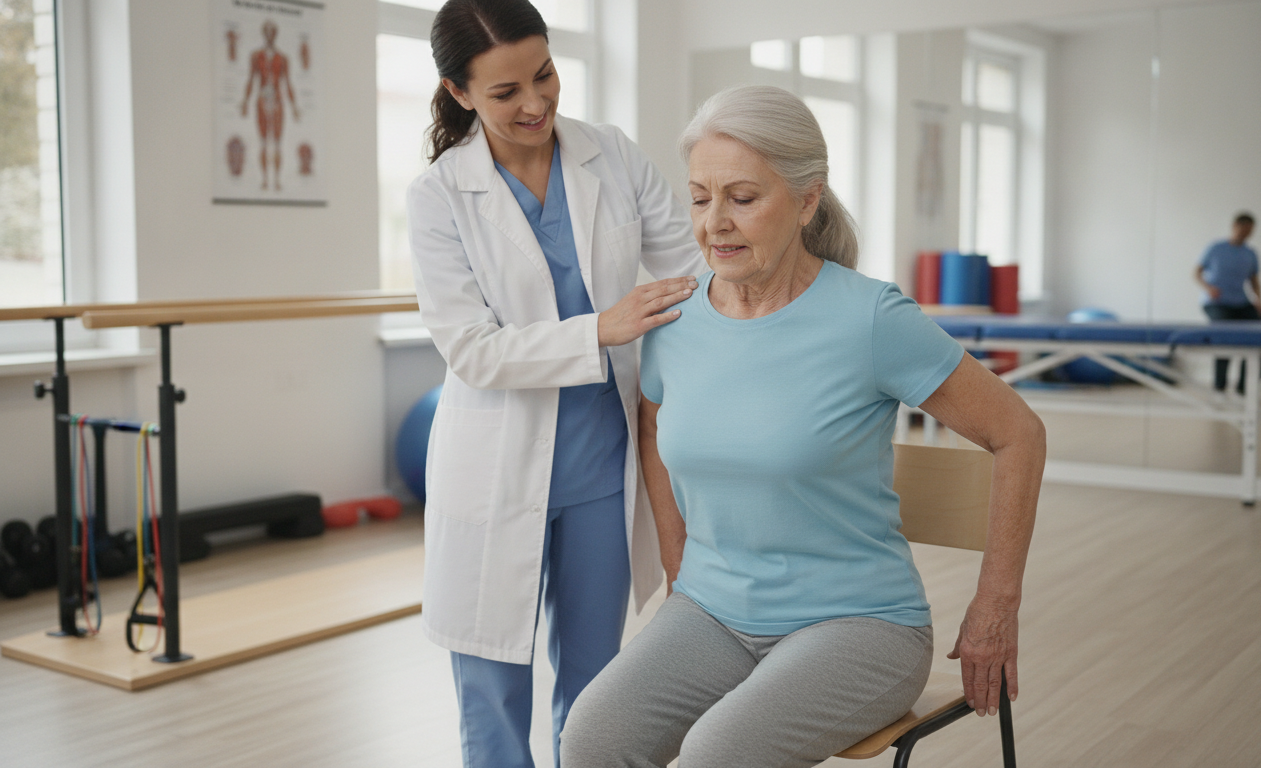
The right exercises can improve strength, flexibility, and knee function while reducing discomfort.
Range of Motion Exercises for Knee Stiffness
Stiff knees often become less mobile when they are not moved regularly. Range of motion exercises help keep the joint flexible and can make everyday movements feel easier.
These exercises are designed to move the knee through a comfortable range without placing excessive stress on the joint.
Examples include:
- Seated knee extensions
- Heel slides
- Gentle knee bends
- Leg swings while holding a stable surface
- Ankle pumps to improve circulation
The goal is not to push through pain. Gentle, consistent movement is usually more effective than forcing the joint beyond its comfort level.
Many people notice that these exercises help reduce morning stiffness and improve mobility throughout the day.
How to Strengthen Weak Knees After 60
Strong muscles help support the knee joint and absorb some of the forces that would otherwise be placed directly on the knee.
The muscles that deserve the most attention include:
- Quadriceps (front of the thigh)
- Hamstrings (back of the thigh)
- Glutes (hips and buttocks)
- Core muscles
Effective strengthening exercises may include:
- Sit-to-stand exercises
- Straight leg raises
- Mini squats
- Step-ups
- Resistance band exercises
Start with a level that feels manageable and gradually increase the challenge as strength improves.
Building muscle takes time, but stronger legs often lead to less knee pain and better overall mobility.
Low-Impact Exercises for Knee Pain in Seniors
Not all exercise is equally friendly to aging knees. High-impact activities can sometimes increase irritation, especially when arthritis is present.
Low-impact exercises allow you to stay active while minimizing stress on the joints.
Popular options include:
- Walking on level surfaces
- Stationary cycling
- Swimming
- Water aerobics
- Elliptical training
- Gentle yoga
These activities help improve:
- Joint mobility
- Muscle strength
- Cardiovascular fitness
- Balance and coordination
The best exercise is often the one you enjoy enough to do consistently. Regular movement is one of the most effective ways to support long-term knee health and maintain an active lifestyle after 60.
How Physical Therapy Helps Reduce Knee Pain After 60
Physical therapy can address the underlying causes of knee pain while helping you move more comfortably.
Improving Knee Strength and Stability
Many cases of knee pain are linked to weakness in the muscles that support the joint. When these muscles are not doing their job effectively, the knee absorbs more stress during everyday activities.
Physical therapy focuses on strengthening key muscle groups that help stabilize the knee, including the quadriceps, hamstrings, glutes, and core.
A therapist may guide you through exercises that:
- Improve leg strength
- Increase joint stability
- Support better balance
- Reduce strain on the knee
As these muscles become stronger, many people notice improved confidence when walking, climbing stairs, and getting up from chairs.
Correcting Movement Patterns That Increase Pain
Sometimes knee pain is not just about the knee itself. The way you walk, stand, sit, or move can place extra pressure on the joint.
Over time, people often develop compensatory movement patterns to avoid discomfort. While these adjustments may feel helpful in the short term, they can create new problems and increase stress on the knee.
Physical therapists evaluate how you move and identify habits that may be contributing to pain.
Treatment may include:
- Gait training
- Balance exercises
- Stair-climbing techniques
- Posture correction
- Functional movement practice
Small changes in movement mechanics can make daily activities feel easier and less painful.
Creating a Personalized Recovery Plan
No two people experience knee pain in exactly the same way. A personalized treatment plan considers your symptoms, activity level, goals, and overall health.
Your therapy program may include:
- Strength exercises
- Flexibility training
- Balance work
- Home exercise recommendations
- Activity modifications
Progress is monitored and adjusted as your condition improves.
For many adults over 60, physical therapy provides a structured and safe way to reduce knee pain, improve mobility, and stay active without relying solely on medications or invasive procedures.
Daily Activities That Become Easier When Knee Pain Improves
Reducing knee pain often leads to meaningful improvements in everyday life.
Walking Longer Distances Comfortably
For many adults over 60, walking becomes one of the first activities affected by knee pain. Short walks may turn into tiring experiences, and longer outings can feel out of reach.
As knee strength, flexibility, and stability improve, walking often becomes more comfortable. Better joint function can help you stay active without constantly thinking about your knees.
Many people notice they can:
- Walk farther before needing a break
- Enjoy neighborhood walks again
- Shop more comfortably
- Participate in community events
- Stay active with family and friends
Climbing Stairs With Less Discomfort
Stairs place significant demands on the knee joint. Pain, weakness, and stiffness can make each step feel challenging.
Improving leg strength and balance can make stair navigation easier and safer.
Benefits often include:
- Better control when going up and down stairs
- Less reliance on handrails
- Improved confidence on steps
- Reduced discomfort during daily movement
These improvements can have a big impact on independence at home and in public places.
Returning to Hobbies and Recreation
Knee pain often causes people to give up activities they enjoy. Over time, this can affect both physical health and overall happiness.
When mobility improves, many people return to activities such as:
- Gardening
- Traveling
- Golfing
- Walking groups
- Fitness classes
- Community events
Getting back to favorite hobbies often becomes one of the most rewarding parts of recovery.
Managing Household Tasks More Easily
Daily tasks require more knee function than many people realize. Standing, bending, lifting, and carrying all place demands on the lower body.
With improved knee health, many people find it easier to:
- Carry groceries
- Prepare meals
- Clean the house
- Work in the yard
- Stand for longer periods
These everyday improvements can help maintain independence and make daily life feel less physically demanding.
How Knee Pain Affects Balance and Fall Risk After 60
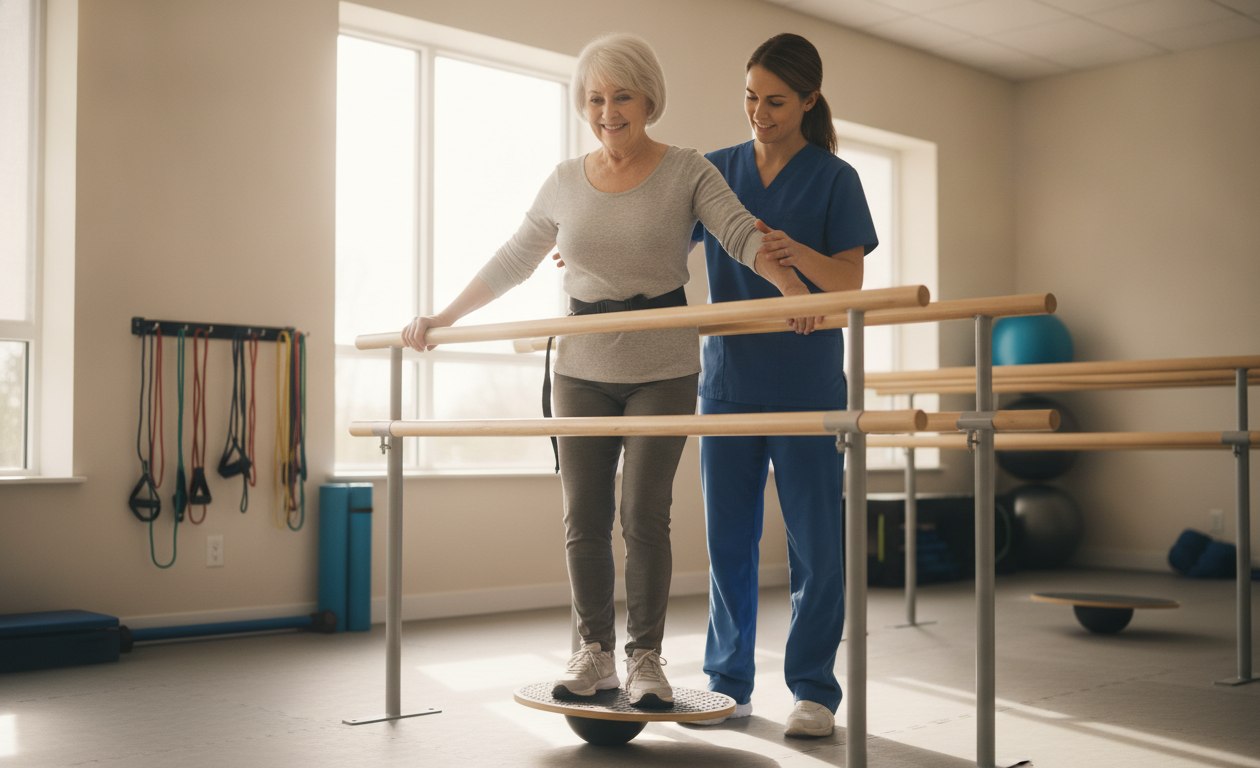
Many seniors do not realize how closely knee health and balance are connected.
Why Knee Pain Can Increase Fall Risk
Healthy balance depends on strong muscles, stable joints, and the ability to react quickly to changes in your environment. Knee pain can interfere with all three.
When a knee hurts, people often change the way they walk to avoid discomfort. They may take shorter steps, shift more weight to one side, or move more cautiously than usual.
These changes can lead to:
- Reduced stability while walking
- Slower reaction times
- Muscle weakness from reduced activity
- Increased fatigue during movement
- Greater risk of trips and falls
Even mild knee pain can affect confidence and make people less willing to stay active.
Signs Your Balance May Be Affected
Balance problems often develop gradually. Many adults do not notice them until they begin avoiding certain activities.
Warning signs may include:
- Feeling unsteady when walking
- Holding onto furniture for support
- Difficulty walking on uneven ground
- Increased fear of falling
- Trouble turning quickly
- Hesitation when using stairs
If you notice these symptoms, it may be time to address both your knee pain and your balance before they begin affecting your independence.
Balance Exercises That Support Knee Health
Improving balance does not require complicated workouts. Simple exercises performed consistently can help improve stability and confidence.
Examples include:
- Standing on one foot while holding a stable surface
- Heel-to-toe walking
- Weight-shifting exercises
- Sit-to-stand practice
- Step-up exercises
- Guided balance training with a physical therapist
These activities help strengthen the muscles that support the knees while improving coordination and body awareness.
Better balance can make everyday activities feel safer and more comfortable. It can also help reduce the fear of falling, which often limits activity more than the knee pain itself.
Knee Osteoarthritis Treatment Without Surgery
Many people with arthritis can improve function and reduce pain without surgical intervention.
Understanding Knee Osteoarthritis
Knee osteoarthritis is one of the most common causes of knee pain after 60. It develops when the cartilage that cushions the knee joint gradually wears down over time.
Cartilage acts as a protective layer between the bones. When it becomes thinner, the joint may not move as smoothly as it once did.
Common symptoms include:
- Knee pain during activity
- Morning stiffness
- Swelling around the joint
- Reduced flexibility
- Grinding or clicking sensations
- Difficulty walking or climbing stairs
Although osteoarthritis cannot be reversed, many people successfully manage their symptoms and maintain an active lifestyle.
Non-Surgical Treatment Options
Surgery is not always the first or best solution for knee osteoarthritis. Many adults experience significant improvements through conservative treatment approaches.
Common non-surgical options include:
- Physical therapy
- Strengthening exercises
- Weight management
- Activity modification
- Balance training
- Low-impact aerobic exercise
- Heat and cold therapy
These strategies focus on improving how the knee functions rather than simply masking symptoms.
For many people, strengthening the muscles that support the knee can reduce joint stress and improve mobility.
When Surgery May Not Be Necessary
Some adults assume that arthritis automatically leads to knee replacement surgery. In reality, many people continue to walk, exercise, travel, and enjoy daily activities without surgery.
Conservative treatment is often most successful when started early.
You may be able to delay or avoid surgery if you can:
- Maintain good knee strength
- Stay physically active
- Manage symptoms effectively
- Improve balance and mobility
- Modify activities when needed
Physical therapy plays an important role in helping people achieve these goals. A personalized treatment plan can address weakness, stiffness, movement limitations, and balance concerns before they become more severe.
For many adults over 60, improving strength and mobility can lead to meaningful pain relief and better quality of life without the need for surgery.
Long-Term Strategies for Protecting Your Knees
Building healthy habits today can help preserve mobility, reduce discomfort, and keep you active for years to come.
Staying Consistent With Exercise
One of the best things you can do for your knees after 60 is to keep moving. Regular exercise helps maintain strength, flexibility, and joint function.
The challenge is not finding the perfect exercise. It is creating a routine you can stick with over time.
Aim to include:
- Strength training two to three times per week
- Regular walking or low-impact cardio
- Stretching exercises for flexibility
- Balance exercises to improve stability
Small efforts performed consistently often produce better results than occasional intense workouts.
Choosing Joint-Friendly Activities
Not every activity places the same demands on the knees. Some forms of exercise are easier on aging joints while still providing excellent health benefits.
Joint-friendly activities include:
- Walking on even surfaces
- Swimming
- Water aerobics
- Stationary cycling
- Gentle yoga
- Tai chi
These activities help maintain fitness while minimizing unnecessary stress on the knees.
If an activity consistently causes pain that lasts well beyond the exercise session, it may be worth modifying the activity or seeking professional guidance.
Listening to Your Body
Protecting your knees does not mean avoiding activity. It means learning how to respond to your body's signals.
Pay attention to:
- Increasing pain levels
- Persistent swelling
- Changes in walking ability
- Reduced range of motion
- Difficulty performing everyday tasks
Addressing these issues early may help prevent larger problems later.
A good rule of thumb is to stay active while respecting your limits. Mild muscle soreness after exercise is normal. Sharp pain, significant swelling, or sudden changes in function should not be ignored.
The goal is to maintain mobility, strength, and independence for as long as possible. Consistent movement, smart activity choices, and early attention to problems can go a long way toward keeping your knees healthy after 60.
When Should You Seek Professional Help for Knee Pain?
Knowing when to get expert guidance can help prevent further mobility loss and keep small problems from becoming bigger ones.
Warning Signs You Should Not Ignore
Occasional soreness after a long walk or a busy day is common. Persistent symptoms that interfere with daily life deserve attention.
Consider seeking professional help if you experience:
- Knee pain that lasts for several weeks
- Swelling that does not improve
- Difficulty walking normally
- Pain that wakes you at night
- Frequent knee buckling or giving way
- Trouble climbing stairs
- Reduced ability to participate in daily activities
These symptoms may indicate underlying issues that can benefit from targeted treatment.
Benefits of Early Intervention
Many people wait until knee pain becomes severe before seeking help. Early treatment often leads to better outcomes because it addresses problems before significant weakness, stiffness, or mobility loss develops.
Professional guidance can help:
- Identify the cause of your symptoms
- Improve strength and stability
- Reduce pain and inflammation
- Restore mobility
- Prevent further decline in function
The goal is not simply to manage pain. The goal is to help you stay active, independent, and confident in your movement.
Addressing knee pain early can make it easier to continue enjoying the activities that matter most, whether that means walking, traveling, exercising, or keeping up with family and friends.
Frequently Asked Questions About Knee Pain After 60
Get quick answers to some of the most common questions older adults have about knee pain, exercise, and treatment options.
Is Walking Good for Knee Pain After 60?
In most cases, yes. Walking is a low-impact activity that helps keep the knee joint moving and supports overall health.
The key is finding the right amount of activity. If walking causes severe pain or significant swelling, you may need to reduce your distance or speak with a healthcare professional.
Tips for walking with knee pain include:
- Start with shorter distances
- Wear supportive shoes
- Walk on even surfaces
- Increase distance gradually
- Take breaks when needed
Regular walking can help improve mobility, endurance, and joint function.
Can Knee Pain Improve Without Surgery?
Yes. Many adults over 60 successfully manage knee pain without surgery.
Conservative treatment options often include:
- Physical therapy
- Strengthening exercises
- Weight management
- Activity modification
- Balance training
- Low-impact exercise
The sooner treatment begins, the better the chances of maintaining mobility and delaying more invasive procedures.
What Is the Best Exercise for Knee Pain?
There is no single exercise that works for everyone.
The best exercise is one that improves strength and mobility without causing excessive pain.
Many people benefit from:
- Sit-to-stand exercises
- Straight leg raises
- Walking
- Stationary cycling
- Water aerobics
- Gentle stretching
A personalized exercise program often produces the best results because it addresses your specific needs and limitations.
Can Physical Therapy Help Knee Arthritis?
Physical therapy is one of the most effective non-surgical treatments for knee arthritis.
A therapist can help you:
- Improve knee strength
- Increase flexibility
- Reduce stiffness
- Improve balance
- Walk more comfortably
- Stay active longer
Many people find that therapy helps them manage symptoms while continuing to enjoy their daily activities and hobbies.
Knee Pain Treatment in Salem, Oregon
Local residents can benefit from personalized care that focuses on mobility, independence, and long-term knee health.
Common Knee Problems Seen in Salem Adults and Seniors
Many adults and seniors in Salem experience knee pain that affects their ability to stay active. Osteoarthritis is one of the most common causes, but it is not the only one.
Other contributors include:
- Age-related muscle weakness
- Previous injuries
- Reduced flexibility
- Balance problems
- Long periods of inactivity
These issues can make walking, climbing stairs, exercising, and participating in community activities more difficult.
Many people assume knee pain is simply part of getting older. While aging can increase the risk of joint problems, persistent pain should not be ignored.
How Personalized Physical Therapy Can Help
Every person's knee pain is different. The most effective treatment plans are designed around the individual's symptoms, goals, and lifestyle.
A personalized physical therapy program may focus on:
- Improving knee strength
- Increasing flexibility
- Reducing stiffness
- Improving balance
- Enhancing walking ability
- Supporting long-term mobility
Rather than focusing only on pain relief, therapy aims to improve function so everyday activities become easier and more comfortable.
Staying Active and Independent in Salem
Many adults over 60 want to continue enjoying walks, gardening, travel, fitness activities, and time with family. Maintaining mobility is often the key to preserving those experiences.
Working with a physical therapist can help identify movement limitations before they become major barriers to independence.
At HWY Physical Therapy, Dr. Raj works with adults and seniors throughout Salem to improve mobility, strengthen aging joints, and build confidence in movement. Treatment plans are tailored to each patient's needs, helping them stay active and continue doing the things they enjoy most.
Topics to Read Further
- Understanding Knee Osteoarthritis: Causes, Symptoms, and Treatment Options
- Low-Impact Exercises That Help Protect Aging Joints
- Fall Prevention Tips for Active Seniors
Contact HWY PT for Expert Advice and Support
Knee pain after 60 does not have to dictate how you live your life. Many people can improve their mobility, reduce discomfort, and stay active through the right combination of exercise, lifestyle changes, and professional guidance.
If knee pain is making it harder to walk, climb stairs, exercise, or enjoy daily activities, Dr. Raj and the team at HWY Physical Therapy can help.
HWY Physical Therapy
Center 50+ Building
2615 Portland Rd NE
Salem, OR 97301
Phone: 971-202-1979
Whether your knee pain is caused by arthritis, stiffness, weakness, or a past injury, a personalized physical therapy plan can help you move with greater comfort and confidence.
.png)