Aging affects balance, mobility, and independence. Many seniors in Salem, Oregon deal with joint pain, stiffness, or frequent falls. These challenges can make daily tasks harder and lower quality of life.
Physical therapy gives seniors a safe way to build strength and improve movement. It also helps prevent injuries. Unlike general exercise, senior-focused therapy is designed for older bodies and their unique needs. It supports recovery while keeping safety a priority.
Seniors benefit from therapy that manages arthritis, osteoporosis, and other chronic conditions. It reduces stiffness and restores function. Regular sessions also help improve balance, which lowers fall risk.
In Salem, physical therapy does more than help after surgery or illness. It allows seniors to stay active and independent. With the right program, older adults can keep moving with confidence and enjoy their daily lives longer.
What Is Physical Therapy for Seniors?
Learn how senior-focused physical therapy is different and why it’s essential for aging adults.
Understanding Geriatric Physical Therapy
Geriatric physical therapy is designed for the unique needs of older adults. It addresses mobility changes, muscle weakness, and balance issues that increase with age. The goal is to keep seniors active, safe, and independent.
It also covers recovery from common conditions in seniors such as arthritis, osteoporosis, and stroke.
How It Differs from General PT
Senior physical therapy uses slower, safer progressions compared to standard programs. Exercises are gentle but effective, and therapists adjust plans for chronic pain, joint stiffness, or limited endurance.
Therapists also focus on preventing falls and maintaining daily function, which is not always the main focus in general PT.
Principles of Senior Care
Effective care is person-centered. Each program is tailored to the senior’s health, lifestyle, and personal goals.
Safety is the top priority, followed by mobility and independence. The aim is not only recovery but also long-term wellness and confidence in daily living.
Key Benefits of Physical Therapy for Seniors
Discover the most important health benefits seniors gain through regular physical therapy.
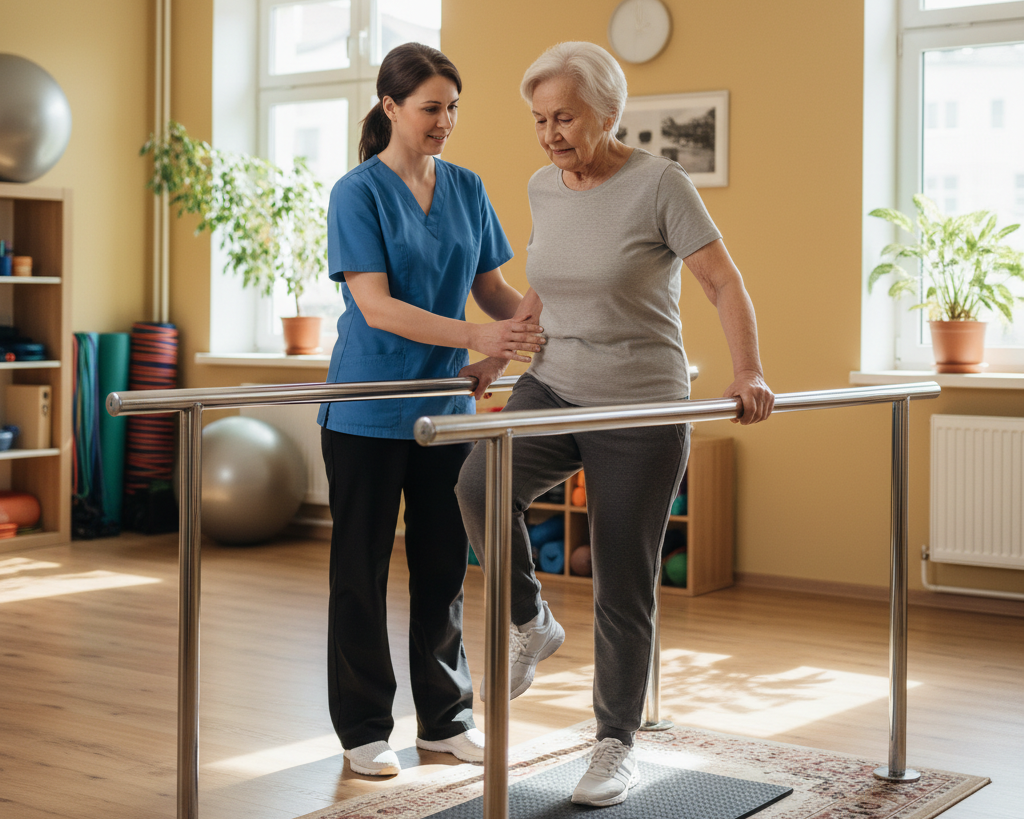
Balance and Fall Prevention Therapy
Falls are one of the biggest risks for older adults. Physical therapy teaches balance drills and safe movement strategies.
These exercises lower fall risk, improve confidence, and allow seniors to walk more safely at home and in the community.
Strength and Mobility Improvement
Weak muscles and stiff joints reduce independence. Therapy includes strength training with resistance bands or light weights.
Improved strength and flexibility make it easier to climb stairs, rise from a chair, and carry out daily routines without help.
Pain and Chronic Condition Management
Arthritis, osteoporosis, and joint pain can make movement difficult. Therapy offers gentle stretching, low-impact exercise, and pain-relief techniques.
These approaches reduce stiffness, improve posture, and help seniors manage long-term conditions without relying only on medication.
Emotional and Cognitive Health Benefits
Staying active has positive effects on mental health. Physical therapy reduces anxiety, boosts mood, and supports memory through consistent activity.
The sense of progress also builds confidence, which encourages seniors to stay engaged socially and physically.
Quality of Life and Independence
The main goal of senior physical therapy is independence. With better balance, strength, and reduced pain, seniors can enjoy hobbies, social activities, and daily living tasks.
This independence improves overall well-being and helps seniors remain active members of their community.
When Seniors Need Physical Therapy
Understand the situations and conditions when physical therapy becomes essential.
Post-Surgery Rehabilitation
After joint replacements like hips or knees, seniors need therapy to regain mobility and strength.
Physical therapy restores movement, reduces pain, and helps prevent future complications after surgery.
Stroke and Neurological Conditions
Stroke often leaves lasting effects such as weakness, balance issues, or difficulty walking.
Therapy helps retrain the body, improve coordination, and support recovery of basic functions.
Chronic Conditions in Seniors
Arthritis, osteoporosis, and other chronic issues limit daily activities.
Physical therapy eases pain, improves flexibility, and slows down further joint or bone decline.
General Decline in Mobility
Sometimes no single event triggers the need for therapy.
If seniors notice more stiffness, reduced balance, or frequent fatigue, PT can restore strength and prevent falls.
Preventive Physical Therapy for Seniors
Learn how PT helps avoid injuries and health issues before they happen.
Fall Prevention Strategies
Many falls can be prevented with simple balance training and home safety adjustments.
Therapists teach walking drills, safe movement habits, and exercises that strengthen muscles used for stability.
Strength Before Surgery or Illness
Building strength before surgery or illness is called “prehabilitation.”
It prepares the body for stress, speeds recovery, and lowers complications. Seniors who enter surgery stronger often heal faster and regain independence sooner.
Preserving Independence Long-Term
Preventive therapy is not only for injury risks.
It also helps seniors stay active, maintain range of motion, and enjoy daily life with fewer limits as they age.
What to Expect in a Senior PT Program
Find out what happens during therapy sessions and how progress is measured.
Initial Assessment and Goal Setting
The first visit begins with a full evaluation. The therapist checks mobility, balance, strength, and pain levels.
From this assessment, a custom plan is built with goals that match the senior’s health and lifestyle.
Types of Therapy Sessions
Sessions often include stretching, balance drills, and strength training.
Depending on the need, therapists may also use equipment like resistance bands, light weights, or stability balls.
Some sessions focus on improving walking, while others target joint flexibility or posture.
Each exercise is supervised to ensure safety and correct form.
Frequency and Duration
Most seniors attend two to three sessions per week at the start.
The schedule may change as progress is made, moving toward maintenance and fewer visits.
Recovery timelines differ based on condition.
Post-surgery patients may need several months, while those with chronic pain often continue therapy long-term.
Education and Daily Life Integration
Therapy also includes training for everyday activities. Seniors learn safer ways to move, sit, and stand.
These lessons prevent reinjury and encourage independence at home.
Safe and Effective Exercises for Seniors
Explore simple and safe PT exercises recommended for elderly patients.

Balance Training for Seniors
Balance is key to fall prevention. Therapists guide seniors through safe drills like heel-to-toe walking and standing on one leg near support.
These small movements strengthen stabilizing muscles and improve coordination.
Chair exercises are another safe option. Sitting-to-standing drills help with leg strength and balance.
Over time, these exercises build confidence in walking and daily movement.
Gentle Strength Training
Strength supports independence. Seniors use light weights or resistance bands to rebuild muscle without strain.
Common moves include bicep curls, seated leg lifts, and mini-squats with support.
These exercises target major muscle groups that support walking, standing, and lifting.
They are adjusted for comfort and progress at a pace that avoids injury.
Flexibility and Stretching
Stretching keeps joints loose and reduces stiffness. Seniors practice gentle stretches for shoulders, hips, and legs.
This improves posture and makes daily actions like bending or reaching easier.
Programs may include yoga-inspired movements or simple floor stretches with modifications.
Flexibility training also helps reduce pain linked to arthritis or tight muscles.
Safety in Every Exercise
All exercises are tailored to ability. Therapists monitor technique and provide modifications when needed.
The focus is steady progress, not quick results, which keeps the program safe and effective.
Home vs. Clinic vs. In-Home PT for Seniors
Compare the three main settings where seniors receive physical therapy.
Clinic-Based PT
Clinics provide direct access to therapists and specialized equipment.
This setting offers supervision, faster progress, and a safe environment for more advanced exercises.
It is ideal for post-surgery recovery or seniors with complex needs.
The main drawback is transportation, which may be challenging for some.
Home Exercise Programs
Home programs allow seniors to practice on their own schedule.
These routines are simple, low-risk, and designed to be safe without equipment.
They are best for maintenance after formal therapy.
However, they require discipline and may lack proper guidance if done alone.
In-Home Physical Therapy in Salem, Oregon
Some seniors benefit from therapists visiting at home.
This option combines convenience with professional oversight.
It reduces transportation barriers and supports those with limited mobility.
In Salem, in-home PT is often used for seniors recovering from surgery or managing chronic conditions.
How to Choose the Right Physical Therapist in Salem, Oregon
Learn the key factors to look for in a senior-focused physical therapist.
Credentials and Experience
A qualified therapist should have proper licensing and training in geriatrics.
Specialized experience ensures safe care for seniors with chronic conditions or balance issues.
Ask about their background in treating arthritis, osteoporosis, and post-surgery recovery.
Experience with older adults makes a major difference in results.
Cost and Insurance Considerations
In Salem, most seniors use Medicare or supplemental insurance to cover therapy.
It’s important to confirm coverage, co-pays, and out-of-pocket costs before starting sessions.
Some clinics also offer payment plans or community-based programs for seniors.
Knowing costs up front prevents stress and helps with long-term planning.
Local Reputation and Accessibility
Reputation matters. Look for reviews, referrals, and success stories from other seniors in Salem.
Accessibility is also key—choose a location that is easy to reach and senior-friendly.
HWY PT at Center 50+ offers both expertise and a convenient location for Salem seniors.
This makes it a trusted option for families seeking reliable care.
Tracking Progress and Maintaining Mobility
Learn how seniors can measure success and continue improving.
Progress Assessments
Therapists check strength, flexibility, and balance at regular intervals.
These assessments show what is working and where adjustments are needed.
Tracking progress also helps seniors see improvements, which boosts motivation.
Even small gains, like walking farther or standing longer, matter.
Long-Term Maintenance
Therapy does not end when goals are met.
Seniors continue with simple exercises at home or periodic check-ins at the clinic.
The focus shifts from recovery to maintaining strength and mobility.
This approach prevents decline and keeps independence longer.
Building Lasting Habits
Daily routines such as stretching, short walks, or balance drills keep progress steady.
Consistency is the key factor that maintains mobility for years to come.
Common Challenges Seniors Face in PT
Physical therapy can be challenging for some elderly patients. Learn how to overcome common barriers.
Barriers to Consistency
Transportation is a common issue for seniors in Salem. Getting to the clinic may be difficult without family support.
Fear of pain or frustration with slow progress can also reduce motivation.
Cognitive decline or multiple health issues may make following programs harder.
These barriers can lead to skipped sessions or slower recovery.
Solutions and Support
Therapists adjust programs to match comfort and health levels. This helps reduce fear and keeps sessions safe.
In-home visits or virtual check-ins may be used when travel is not possible.
Family involvement provides encouragement and accountability.
Support from both caregivers and therapists keeps seniors engaged and moving forward.
Physical Therapy for Seniors in Salem, Oregon
A closer look at local context and why PT is so valuable for Salem seniors.
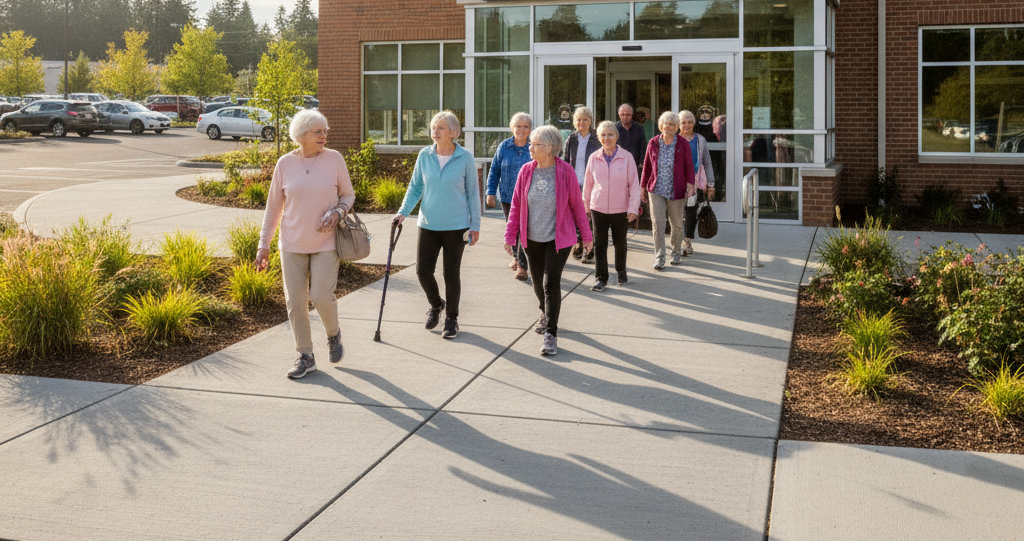
Local Demand for Senior PT
Salem has a growing senior population, and with age comes more risk of falls, arthritis, and limited mobility.
This makes physical therapy a key service for maintaining independence in the community.
Many seniors seek PT after surgery or for managing chronic pain.
Preventive therapy is also rising in demand to avoid injuries before they happen.
Community Programs and Resources in Salem
Salem offers senior wellness programs at places like Center 50+.
These programs encourage movement, social connection, and overall health.
HWY PT works within this setting to provide specialized care.
This connection makes therapy more accessible and community-centered.
Why Choose HWY PT
Located at Center 50+, HWY PT offers expert senior-focused therapy in a familiar community space.
The clinic combines accessibility, trusted staff, and personalized care for Salem’s aging adults.
FAQ: Physical Therapy for Seniors
Clear answers to common senior PT questions.
Is PT safe for seniors over 80?
Yes. Exercises are adjusted to match ability and health status.
Safety is the priority, and sessions are closely supervised.
How many sessions are usually needed?
It depends on the condition. Post-surgery recovery may take months, while balance training can show results in weeks.
Some seniors continue with maintenance sessions long-term.
Will PT exercises cause pain?
Therapy should not cause sharp pain.
Mild soreness may occur, but therapists adjust exercises to keep them safe and comfortable.
Can PT help prevent falls?
Yes. Balance drills, strength training, and home safety education reduce fall risks significantly.
Conclusion
Physical therapy is one of the best ways for seniors in Salem, Oregon to stay active, safe, and independent.
It supports recovery after surgery, manages chronic pain, and prevents falls through guided exercises.
With the right therapist, seniors gain strength, balance, and confidence in daily life.
Choosing a trusted provider like HWY PT ensures expert care that matches individual needs.
For many older adults, PT is the key to living stronger for longer.
Topics to Read Further
National Institute on Aging: Exercise and Physical Activity
CDC: Preventing Falls Among Older Adults
Contact HWY PT for Expert Advice and Support
Call HWY Physical Therapy at Center 50+ (971-202-1979) in Salem, Oregon.
Get personalized senior care, safe recovery programs, and support to stay active.
.png)