Tendonitis can make even simple movements painful. Many people notice discomfort during walking, lifting, or daily tasks that once felt easy.
This condition often develops from repeated stress on a tendon. Without proper care, tendon pain can linger and limit activity.
Physical therapy focuses on treating the root cause of tendonitis. Instead of relying only on rest or medication, therapy helps restore strength and healthy movement.
Targeted exercises and guided movement help the tendon adapt and heal. Over time, this reduces pain and improves function.
Recovery looks different for every person. Factors like age, activity level, and how long the pain has been present all play a role.
For people in Salem, Oregon, outpatient physical therapy offers a structured path to recovery. Working with experienced therapists helps reduce setbacks and prevent tendon pain from returning.
This guide explains how physical therapy treats tendonitis, what recovery feels like, and how long-term healing is supported.
What Is Tendonitis and Why It Causes Ongoing Pain
Tendonitis occurs when a tendon becomes irritated from repeated stress. Tendons connect muscle to bone and play a key role in movement.
When a tendon is overworked, it may become painful and sensitive. This discomfort often increases during activity.
Understanding Tendon Inflammation and Overuse Injuries
Overuse is one of the most common causes of tendonitis. Repeating the same movement without enough recovery time puts stress on the tendon.
Poor movement patterns can also increase strain. Weak support muscles force the tendon to work harder than it should.
As irritation continues, the tendon becomes less tolerant of activity. This can lead to ongoing pain and stiffness.
Common Symptoms of Tendonitis
Pain is often felt during movement or after activity. Many people notice soreness when starting a task or the day after use.
Stiffness is common, especially in the morning. The affected area may feel tender to the touch.
Some people experience weakness or limited range of motion. These symptoms can interfere with daily activities if left untreated.
How Physical Therapy Helps Treat Tendonitis Effectively
Physical therapy treats tendonitis by addressing why the pain started in the first place. The goal is to help the tendon handle movement again without irritation.
Rather than complete rest, therapy uses controlled movement to support healing. This approach helps prevent stiffness and weakness.
Reducing Tendon Pain and Inflammation Safely
Physical therapy uses guided exercises to calm irritated tendons. Gentle movement improves blood flow and supports tissue recovery.
Therapists also help patients adjust activities that trigger pain. Small changes often reduce flare-ups without stopping movement completely.
Pain reduction happens gradually. This steady approach protects the tendon while healing takes place.
Restoring Strength and Tendon Loading Capacity
Tendons need strength to tolerate daily activity. Physical therapy slowly increases how much load the tendon can handle.
Exercises are introduced in stages. This helps the tendon adapt without becoming overwhelmed.
As strength improves, the tendon becomes more resilient. This reduces the risk of pain returning during work, exercise, or daily tasks.
Physical Therapy Techniques Used for Tendonitis Recovery
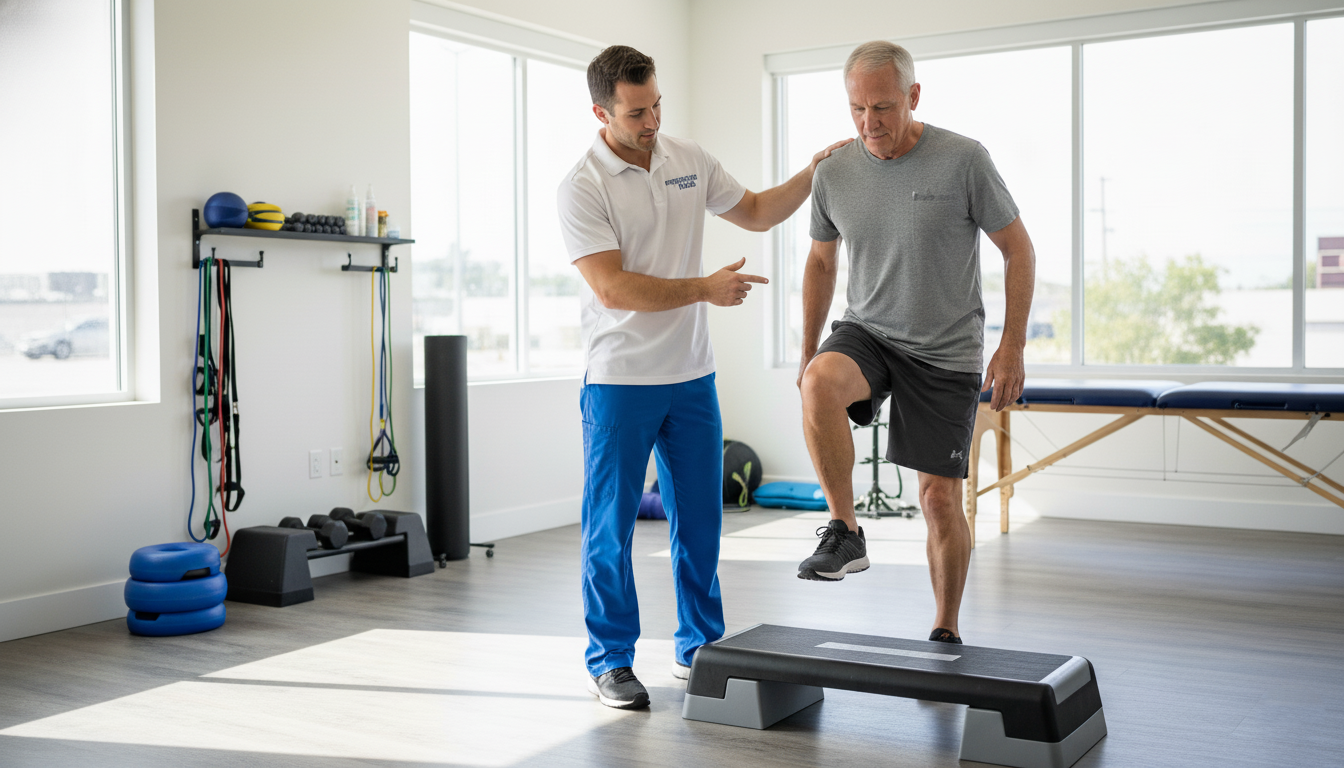
Physical therapy for tendonitis uses specific techniques to support healing and restore movement. Each method is chosen based on the tendon involved and the level of irritation.
These techniques work together to reduce pain while improving strength. Progression is gradual to protect the tendon.
Eccentric Strengthening and Tendon Loading Exercises
Eccentric exercises focus on controlled muscle lengthening. This type of movement helps tendons adapt and become stronger.
Therapists introduce loading slowly to avoid flare-ups. Over time, the tendon becomes better at handling daily stress.
This approach is especially helpful for chronic tendonitis. It supports long-term healing rather than short-term relief.
Manual Therapy and Soft Tissue Techniques
Manual therapy helps improve tissue movement around the tendon. Hands-on techniques reduce stiffness and improve circulation.
Soft tissue work can ease tension in surrounding muscles. This reduces strain placed on the irritated tendon.
These techniques often make movement feel smoother. Many patients notice improved comfort during activity.
Mobility and Flexibility Training
Limited joint movement can increase stress on tendons. Physical therapy includes mobility exercises to restore proper motion.
Stretching and controlled movement help distribute force more evenly. This reduces overload on the tendon.
Improved flexibility supports better movement patterns. This helps prevent recurring tendon pain.
Physical Therapy for Common Types of Tendonitis

Tendonitis can affect many areas of the body. Physical therapy is adapted based on the tendon involved and how it is used during daily activity.
Targeted treatment helps reduce pain and restore proper movement. This approach improves recovery outcomes.
Physical Therapy for Achilles Tendonitis
Achilles tendonitis often causes pain near the heel or lower calf. Walking or standing for long periods can increase discomfort.
Physical therapy focuses on ankle strength and calf control. Improving walking mechanics helps reduce strain on the tendon.
Physical Therapy for Shoulder and Rotator Cuff Tendonitis
Shoulder tendonitis often affects lifting or reaching movements. Pain may increase with overhead activity.
Therapy targets shoulder stability and muscle balance. Strengthening the rotator cuff reduces stress on the tendon.
Physical Therapy for Elbow, Wrist, and Hand Tendonitis
Tendonitis in the elbow or wrist is common with repetitive tasks. Gripping and typing often trigger pain.
Physical therapy improves forearm strength and hand coordination. Reducing strain during daily tasks supports healing.
Physical Therapy for Knee and Hip Tendonitis
Knee and hip tendonitis often affects walking and climbing stairs. Pain may worsen with repeated bending.
Therapy focuses on hip and leg strength. Correcting movement patterns reduces tendon overload.
Why Tendonitis Becomes Chronic Without Proper Treatment
Tendonitis often starts as mild discomfort. Without proper care, it can slowly turn into long-term pain.
Many people try to push through symptoms or rely only on rest. This can delay healing and increase irritation.
Overuse, Poor Movement Patterns, and Weak Support Muscles
Repeated stress without proper recovery keeps the tendon irritated. Weak muscles around the joint force the tendon to absorb more load.
Poor posture or movement patterns also contribute. These issues increase strain during everyday activities.
Over time, the tendon becomes sensitive and less tolerant. This makes pain easier to trigger.
Why Rest Alone Often Fails to Heal Tendonitis
Rest may reduce pain temporarily. Without strengthening, the tendon loses its ability to handle stress.
When activity resumes, pain often returns. This cycle keeps tendonitis from fully healing.
Physical therapy breaks this cycle. Controlled loading restores tendon strength and resilience.
What to Expect From Physical Therapy for Tendonitis
Understanding the recovery process helps reduce frustration. Physical therapy follows a structured plan that adjusts as healing progresses.
Every tendon heals at a different pace. Consistency and patience play a major role in recovery.
How Long Physical Therapy Takes for Tendonitis
Tendonitis recovery does not follow a strict timeline. Many patients notice improvement within a few weeks, while others need longer care.
Chronic tendonitis often takes more time to heal. Gradual progress supports long-term results.
How Often Physical Therapy Is Needed
Most patients attend physical therapy one to three times per week. Frequency depends on pain levels and activity demands.
Therapists adjust visits based on progress. Home exercises support recovery between sessions.
Pain Relief vs True Tendon Healing
Pain relief may happen before the tendon fully heals. Feeling better does not always mean the tendon is ready for full activity.
Physical therapy continues even as pain decreases. This helps restore strength and prevent setbacks.
When Pain Improves and What Progress Feels Like
Mild soreness during recovery is common. Sharp pain or worsening symptoms should be addressed right away.
Progress often feels gradual. Small improvements build toward lasting recovery.
Physical Therapy for Tendonitis in Seniors and Adults Over 50

Tendon healing can change with age. Reduced circulation and natural tissue changes may slow recovery.
Physical therapy adapts treatment to support safe and effective healing. The focus remains on steady progress.
Why Tendon Healing Changes With Age
As people age, tendons become less flexible. This can increase stiffness and discomfort.
Muscle strength may also decrease. Weaker support muscles place more stress on tendons.
These changes make proper loading important. Gradual progression helps avoid setbacks.
Safe and Low-Impact Therapy Approaches
Physical therapy uses low-impact exercises to protect joints. Movements are controlled and carefully progressed.
Balance and strength training are emphasized. This helps reduce strain and prevent future injury.
Outpatient Physical Therapy for Tendonitis in Salem, Oregon
Outpatient physical therapy helps people recover from tendonitis while staying active in daily life. It provides structured care without the need for hospital-based treatment.
Local therapy makes it easier to stay consistent. Regular visits support steady healing and long-term results.
Benefits of Outpatient Physical Therapy
Outpatient care offers personalized, one-on-one treatment. Therapy sessions focus on the specific tendon and movement patterns involved.
Hands-on care and guided exercises help reduce pain and restore strength. This approach supports healing while avoiding unnecessary strain.
Choosing a Tendonitis Physical Therapy Clinic in Salem OR
Experience matters when treating tendon injuries. A clinic that understands tendon loading and recovery can guide safe progress.
Patients in Salem benefit from clinics that focus on education and prevention. Clear guidance helps reduce the risk of tendonitis returning.
How Lifestyle Changes Support Tendonitis Recovery
Daily habits play a major role in tendon healing. Small adjustments can reduce stress on the tendon and support recovery.
Lifestyle changes work best when combined with physical therapy. Together, they help prevent repeated irritation.
Activity Modification Without Full Rest
Complete rest often weakens the tendon. Modifying activity allows healing without losing strength.
Physical therapists help identify movements that trigger pain. Adjusting these activities reduces strain while staying active.
Preventing Tendonitis From Returning
Balanced strength helps protect tendons. Strong support muscles reduce overload.
Proper movement habits also matter. Learning safe techniques helps prevent future flare-ups.
Why HWY Physical Therapy Is a Trusted Choice for Tendonitis Care in Salem
Choosing the right physical therapy clinic can shape how well tendonitis heals. Personalized care helps ensure progress stays safe and consistent.
HWY Physical Therapy focuses on treating tendon pain with a patient-centered approach. Each plan is designed around individual needs.
Personalized Tendonitis Treatment Plans
Every tendon injury is different. HWY Physical Therapy begins with a detailed evaluation of movement, strength, and pain triggers.
Treatment plans are adjusted as healing progresses. This allows therapy to match recovery at every stage.
Experience Treating Chronic and Acute Tendon Pain
HWY Physical Therapy works with both new and long-standing tendon injuries. This experience helps guide recovery without rushing the process.
Care is focused on adults and seniors. Therapy emphasizes safety, strength, and long-term results.
Serving Active Adults and Seniors Across Salem, Oregon
HWY Physical Therapy proudly serves the Salem community. Local patients receive care close to home in a supportive environment.
The clinic understands the needs of active adults and seniors. This community-based approach builds trust and comfort.
Frequently Asked Questions About Physical Therapy for Tendonitis
Does Physical Therapy Really Work for Tendonitis?
Yes, physical therapy is one of the most effective treatments for tendonitis. It focuses on strengthening the tendon and correcting movement issues that cause irritation.
With consistent care, many patients experience lasting pain relief. Therapy also helps prevent tendonitis from returning.
Is Rest or Physical Therapy Better for Tendonitis?
Rest alone may reduce pain temporarily. Without strengthening, the tendon often becomes weaker and more sensitive.
Physical therapy allows controlled movement. This helps the tendon heal while maintaining strength.
Can Tendonitis Heal Without Physical Therapy?
Mild tendonitis may improve on its own. Ongoing or recurring pain often needs guided treatment.
Physical therapy addresses the root cause. This supports long-term healing rather than short-term relief.
When Should I Start Physical Therapy for Tendonitis?
Early treatment often leads to faster recovery. Starting therapy before pain becomes chronic can prevent setbacks.
If pain lasts more than a few weeks, physical therapy may help. A professional evaluation provides clarity.
Is Physical Therapy Safe for Tendonitis in Older Adults?
Yes, physical therapy is safe when properly guided. Programs are adjusted for age, strength, and health conditions.
Low-impact exercises protect joints and tendons. This makes therapy effective and comfortable for seniors.
Topics to Read Further
Learning more about tendon health can support recovery and prevent future injury. Reliable information helps patients make informed choices.
Consider exploring these topics:
Contact HWY PT for Expert Advice and Support
Tendon pain can limit daily life, but the right care can make a real difference. Physical therapy helps restore movement, strength, and confidence.
If you need physical therapy for tendonitis in Salem, Oregon, contact HWY Physical Therapy – Center 50+.
2615 Portland Rd NE, Salem, OR 97301
Call 971-202-1979 to schedule an evaluation and start your recovery.
.png)