A stroke can change how a person moves, balances, and completes everyday tasks. Many stroke survivors feel frustrated when simple activities like walking, standing, or using an arm become difficult.
Physical therapy plays a major role in helping stroke patients regain strength and independence. Through guided movement and targeted exercises, the body and brain learn how to work together again.
For many patients, recovery does not stop after leaving the hospital. Ongoing outpatient physical therapy helps continue progress and prevents long-term mobility loss.
Stroke recovery looks different for everyone. Some people need help relearning basic movements, while others focus on improving balance, endurance, and coordination.
Physical therapy for stroke patients is designed to meet each person where they are in recovery. Treatment plans are adjusted based on age, mobility level, and overall health.
For stroke survivors and caregivers in Salem, Oregon, choosing the right physical therapy clinic matters. Working with experienced therapists can make recovery safer, more effective, and more encouraging.
This guide explains how physical therapy supports stroke recovery, what to expect during treatment, and how outpatient care can help patients move forward with confidence.
Understanding Stroke Recovery and the Role of Physical Therapy
Stroke recovery often begins with confusion and uncertainty. Many patients are unsure why movement feels different or why simple tasks suddenly require more effort.
Physical therapy helps guide the body through this recovery process. It focuses on restoring movement, strength, and control in a safe and structured way.
What Happens to the Body After a Stroke
A stroke interrupts blood flow to the brain, which can damage areas that control movement and balance. This often leads to weakness, stiffness, or paralysis on one side of the body.
Some stroke survivors struggle with coordination or muscle control. Others may notice changes in posture, walking ability, or endurance.
These physical changes can make daily activities harder and increase the risk of falls. Without proper therapy, these challenges can become long-term problems.
Why Physical Therapy Is Critical After a Stroke
Physical therapy helps retrain the brain and muscles to work together again. Repeated movement and guided exercises support the brain’s ability to adapt and form new connections.
Therapy also helps prevent stiffness, muscle shortening, and loss of strength. This makes recovery safer and more comfortable over time.
Consistent physical therapy gives stroke patients a clear plan for progress. It supports confidence, mobility, and a greater sense of independence during recovery.
How Physical Therapy Helps Stroke Patients Regain Movement and Independence
Regaining movement after a stroke can feel overwhelming. Physical therapy breaks recovery into manageable steps that help patients rebuild confidence and control.
Therapy focuses on improving how the body moves during real-life activities. This helps stroke survivors return to daily tasks with greater safety and independence.
Improving Strength and Muscle Control After Stroke
Many stroke patients experience weakness or limited control on one side of the body. Physical therapy uses targeted exercises to activate muscles and improve strength safely.
Therapists guide patients through movements that retrain proper muscle use. Over time, this helps reduce stiffness and improve coordination.
Strength training is always adjusted to the patient’s ability level. This keeps therapy effective without placing unnecessary strain on the body.
Restoring Balance and Coordination
Balance problems are common after a stroke. Weak muscles and delayed reactions can make standing or walking feel unsteady.
Physical therapy includes exercises that challenge balance in a controlled setting. These movements help the body respond more quickly and stay upright.
Improved coordination reduces the risk of falls. It also helps patients feel more confident when moving through their home or community.
Regaining Independence in Daily Activities
Daily activities like getting out of a chair or walking across a room often require retraining after a stroke. Physical therapy focuses on movements that support these tasks.
Therapists practice functional activities that mirror everyday life. This makes it easier for patients to transfer skills from therapy to home.
As strength and balance improve, many stroke survivors gain more independence. This progress supports a better quality of life and long-term mobility.
Stroke Rehabilitation Physical Therapy Techniques Used in Recovery
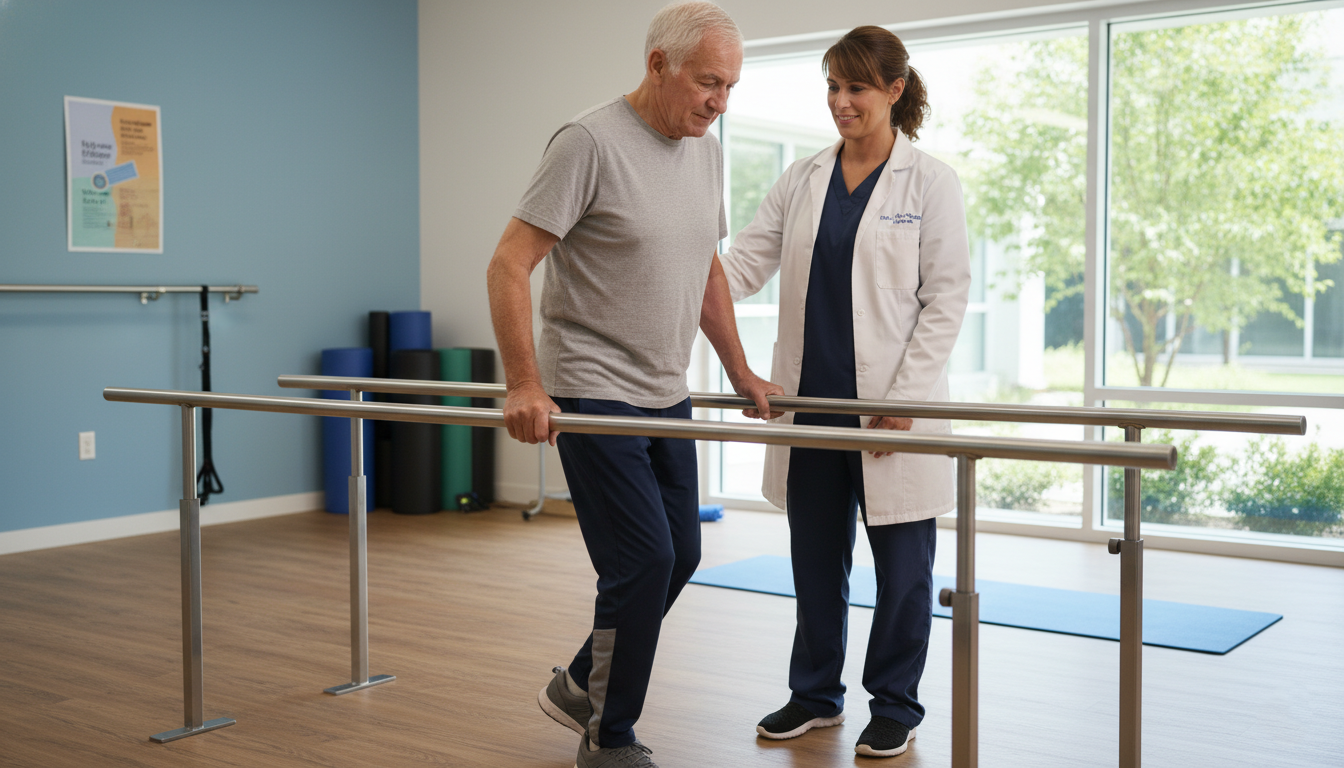
Stroke rehabilitation uses a combination of therapy techniques to restore movement and control. Each method is chosen based on the patient’s specific challenges and recovery goals.
These techniques work together to improve strength, coordination, and confidence. Therapy sessions are adjusted as the patient progresses.
Gait Training and Walking Therapy After Stroke
Walking often feels unnatural after a stroke. Weakness, poor balance, or uneven steps can make movement unsafe.
Gait training helps patients relearn proper walking patterns. Therapists focus on posture, step length, and weight shifting.
Assistive devices may be used early in recovery. As strength improves, patients often rely less on support.
Neuromuscular Re-Education and Neuroplasticity
A stroke can disrupt how the brain sends signals to the muscles. Neuromuscular re-education helps restore these connections through guided movement.
Repetition plays a key role in recovery. Practicing movements helps the brain form new pathways, a process known as neuroplasticity.
Over time, improved communication between the brain and muscles leads to smoother and more controlled movement.
Strengthening and Functional Exercises for Stroke Survivors
Strengthening exercises focus on rebuilding muscle power in the arms and legs. These exercises are designed to match real-life movements.
Functional exercises may include standing, stepping, or reaching tasks. This helps patients practice skills they need at home.
Therapists adjust intensity based on progress and fatigue levels. This keeps therapy safe while encouraging continued improvement.
Physical Therapy for Stroke-Related Balance Problems and Fall Prevention
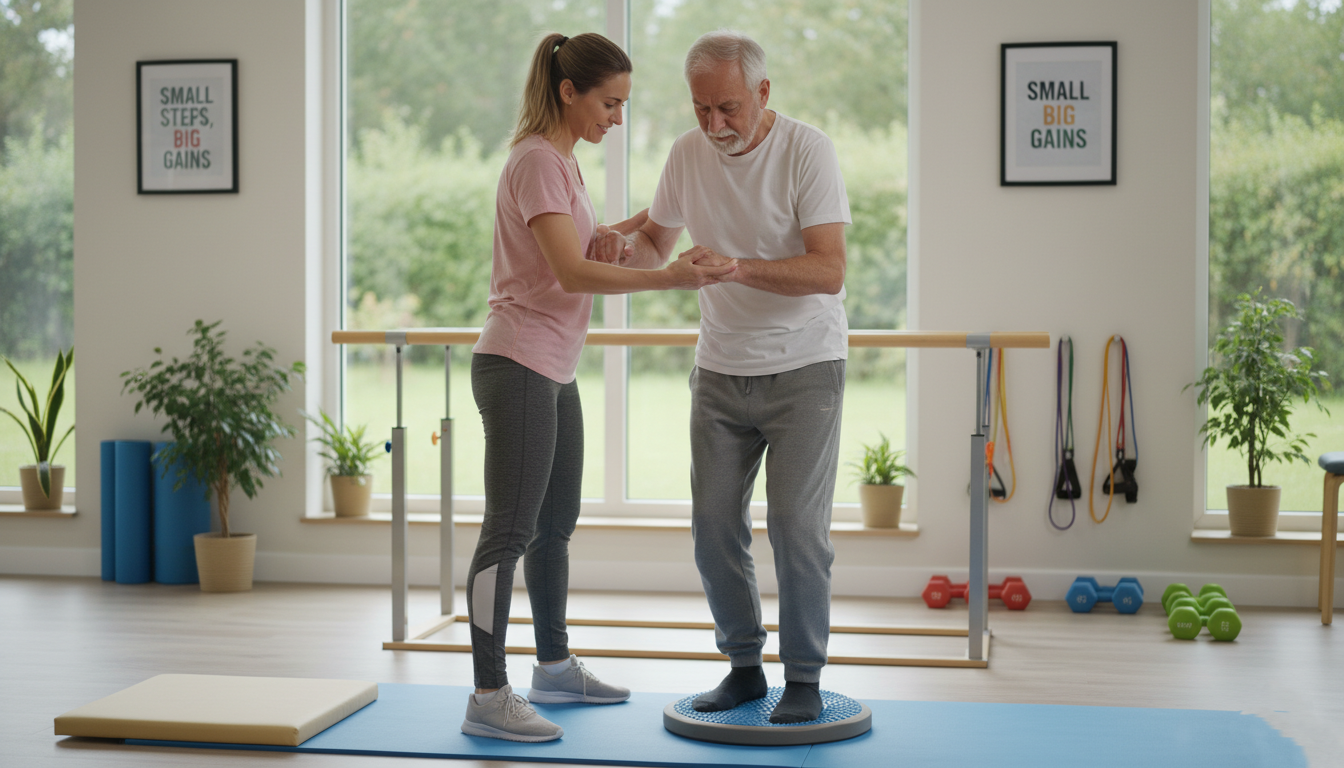
Balance problems are common after a stroke. Changes in strength, coordination, and body awareness can make standing and walking feel unstable.
Physical therapy focuses on improving balance to reduce fall risk. This is especially important for older adults and those returning to independent living.
Why Balance Is Affected After Stroke
A stroke can affect how the brain processes movement and position. This makes it harder for the body to stay centered and upright.
Muscle weakness on one side of the body can also shift balance. Many stroke survivors rely more on one leg or foot without realizing it.
Delayed reactions increase the chance of losing balance. This makes everyday activities more challenging and unsafe without proper support.
Balance Therapy and Fall Prevention Strategies
Physical therapy includes exercises that improve stability and body awareness. These exercises are introduced gradually to build confidence.
Therapists often practice standing, turning, and stepping movements. These skills help patients navigate daily environments more safely.
Fall prevention also includes education. Patients learn simple strategies to move safely at home and in public spaces.
Common Physical Therapy Goals for Stroke Patients
Physical therapy after a stroke follows clear goals that guide recovery. These goals help patients and caregivers understand what progress looks like over time.
Goals change as recovery continues. Early goals focus on basic movement, while later goals support independence and confidence.
Short-Term Goals in Early Stroke Recovery
Early physical therapy goals focus on reducing stiffness and improving movement. This helps prevent muscles from tightening or becoming painful.
Therapists work on basic skills like sitting balance, standing, and safe transfers. These movements create a foundation for future progress.
Short-term goals also include improving endurance. Building tolerance for movement helps patients participate more fully in therapy.
Long-Term Recovery Goals With Physical Therapy
Long-term goals focus on walking safely and moving with better control. Many patients work toward reducing reliance on assistive devices.
Balance and coordination become a key focus. This helps patients return to daily routines with greater stability.
Therapy also aims to improve confidence and independence. These goals support a better quality of life long after therapy ends.
What to Expect From Physical Therapy After a Stroke
Knowing what to expect from physical therapy can reduce anxiety for stroke patients and caregivers. Clear expectations help families feel more prepared and confident.
Recovery does not follow a strict timeline. Progress depends on the severity of the stroke, overall health, and consistency with therapy.
How Soon Physical Therapy Should Start After Stroke
Physical therapy often begins soon after a stroke, sometimes while the patient is still in the hospital. Early movement helps reduce stiffness and supports better outcomes.
Outpatient physical therapy usually starts after hospital or inpatient rehab ends. This stage focuses on continued improvement and long-term mobility.
How Long Stroke Physical Therapy Takes
There is no set length for stroke physical therapy. Some patients attend therapy for several months, while others continue longer based on their needs.
Progress may feel fast at first and slower later. Small improvements still matter and support long-term recovery.
How Often Stroke Patients Need Physical Therapy
Many stroke patients attend physical therapy two to three times per week. Frequency may change as strength and endurance improve.
Therapists adjust schedules based on fatigue and progress. This helps maintain consistency without overexertion.
What Can Slow Stroke Recovery and How Therapy Adapts
Fatigue, other medical conditions, or setbacks can affect recovery. These challenges are common and expected.
Physical therapists adjust exercises and intensity when needed. This keeps therapy safe and allows patients to continue making progress.
Physical Therapy for Elderly Stroke Patients and Seniors
Stroke recovery can be more complex for older adults. Age-related changes may affect strength, balance, and endurance.
Physical therapy for seniors focuses on safety, comfort, and steady progress. Treatment plans are designed to support long-term mobility.
Special Considerations for Senior Stroke Recovery
Older stroke patients may have other health conditions that affect recovery. Therapists consider joint health, heart conditions, and energy levels during treatment.
Fatigue can limit how much activity a senior can tolerate. Therapy sessions are adjusted to avoid overexertion.
Gentle and Safe Therapy Approaches for Older Adults
Therapy exercises for seniors are low impact and controlled. These movements reduce stress on joints while improving strength.
Balance training is often prioritized to prevent falls. Improving stability helps seniors move more confidently at home and in the community.
Outpatient Stroke Rehabilitation in Salem, Oregon
Outpatient physical therapy plays an important role after hospital or inpatient rehabilitation. It helps stroke survivors continue improving strength, balance, and mobility.
Local outpatient care allows patients to recover while staying connected to home and community. This supports consistency and long-term success.
Benefits of Outpatient Physical Therapy After Stroke
Outpatient therapy provides structured sessions with skilled physical therapists. Patients receive focused care while maintaining flexibility in their daily routine.
Regular therapy visits help prevent loss of progress. Continued movement and guidance support ongoing recovery.
Choosing a Stroke Physical Therapy Clinic in Salem OR
Choosing the right clinic matters for stroke recovery. Experience with neurological conditions and senior care is important.
Patients in Salem, Oregon benefit from clinics that understand local needs. Accessible locations and personalized care improve the therapy experience.
How Caregivers Can Support Stroke Recovery Through Physical Therapy
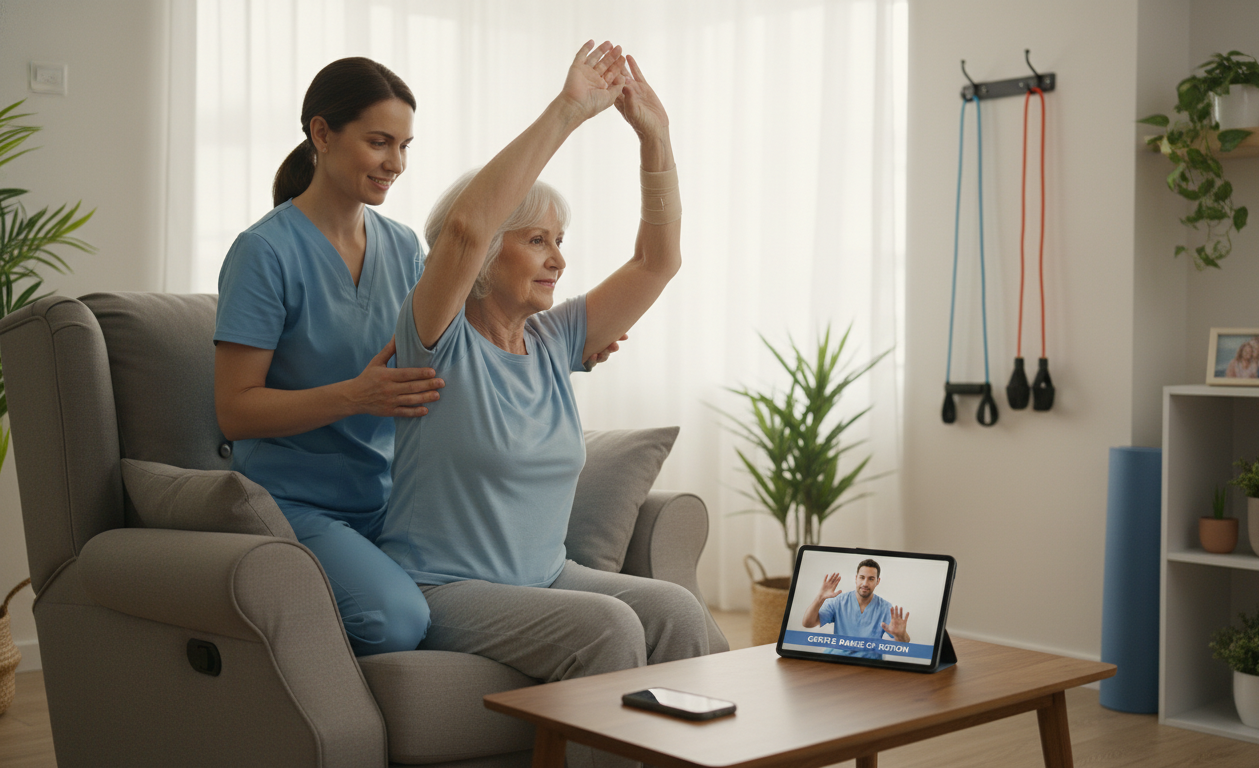
Caregivers play an important role in stroke recovery. Support and encouragement can make physical therapy more effective and consistent.
Small actions at home often reinforce progress made during therapy sessions. Caregivers help create a safe and supportive recovery environment.
Helping a Loved One Stay Consistent With Therapy
Consistency is key to stroke recovery. Caregivers can help by setting routines and encouraging attendance at therapy sessions.
Positive reinforcement builds confidence. Celebrating small improvements keeps motivation strong.
Supporting Recovery at Home Between Therapy Visits
Caregivers can help with simple movement reminders. Encouraging safe activity helps maintain progress.
It is important to avoid pushing too hard. Rest and recovery are just as important as exercise.
Why HWY Physical Therapy Is a Trusted Choice for Stroke Rehabilitation in Salem
Choosing the right physical therapy clinic can make a meaningful difference in stroke recovery. Patients benefit most from care that is personalized, consistent, and supportive.
HWY Physical Therapy focuses on helping stroke survivors improve mobility and confidence. Care is centered on each patient’s unique needs and goals.
Personalized Stroke Physical Therapy Programs
Every stroke affects the body differently. HWY Physical Therapy begins with a thorough evaluation to understand movement challenges and limitations.
Treatment plans are tailored to each patient’s recovery stage. Therapy goals are adjusted as progress continues.
Experienced Stroke Rehab Care for Adults 50+
HWY Physical Therapy specializes in working with adults aged 50 and older. This experience helps therapists address age-related concerns safely.
Sessions focus on balance, strength, and functional movement. The goal is to support long-term independence and safety.
Serving Stroke Survivors and Seniors Across Salem, Oregon
HWY Physical Therapy proudly serves the Salem community. Local patients receive care close to home in a supportive setting.
The clinic understands the needs of seniors and stroke survivors in the area. This community-focused approach helps patients feel comfortable and supported.
Frequently Asked Questions About Physical Therapy for Stroke Patients
Can Physical Therapy Help Years After a Stroke?
Yes, physical therapy can still help even years after a stroke. The brain can continue adapting with the right movement and repetition.
Therapy may focus on improving balance, strength, or mobility that declined over time. Many patients see meaningful improvements with consistent care.
Is Physical Therapy Painful After Stroke?
Physical therapy should not be painful. Some movements may feel challenging, but therapy is designed to stay within safe limits.
Therapists monitor comfort closely and adjust exercises as needed. Communication during sessions helps keep therapy effective and comfortable.
What If Progress Feels Slow?
Slow progress is common during stroke recovery. Healing and movement improvements often happen gradually.
Small gains still matter and build toward larger goals. Physical therapists adjust treatment plans to support steady progress.
Do Stroke Patients Need a Referral for Physical Therapy?
Referral requirements vary depending on insurance and medical history. Many patients can start physical therapy without a referral.
It is always helpful to check with the clinic directly. Staff can guide patients through the process and answer questions.
Topics to Read Further
Learning more about stroke recovery can help patients and caregivers feel informed and prepared. Reliable educational resources support long-term recovery planning.
Consider exploring these topics:
Contact HWY PT for Expert Advice and Support
Stroke recovery does not have to be faced alone. The right physical therapy support can make movement safer and recovery more manageable.
If you or a loved one needs physical therapy for stroke recovery in Salem, Oregon, contact HWY Physical Therapy – Center 50+.
Salem City Building, 2615 Portland Rd NE, Salem, OR 97301
Call 971-202-1979 to schedule an evaluation and get started.
.png)