Understanding POTS (Postural Orthostatic Tachycardia Syndrome)
Postural Orthostatic Tachycardia Syndrome, or POTS, is a condition that affects how the autonomic nervous system controls blood flow and heart rate.
When a person with POTS stands up, their heart rate rises sharply while blood pressure may drop, leading to dizziness, fatigue, and sometimes fainting. It can make everyday activities such as standing, walking, or climbing stairs feel exhausting.
What Is POTS?
POTS occurs when blood pools in the lower body instead of returning efficiently to the heart and brain. The body compensates by increasing heart rate, but this overreaction causes lightheadedness, brain fog, or nausea.
It often follows illness, trauma, or long periods of inactivity and is more common in young women.
Common Symptoms and Challenges
Typical symptoms include rapid heartbeat, dizziness, shortness of breath, and muscle weakness after standing. Many patients also experience fatigue and poor exercise tolerance.
These symptoms can lead to reduced confidence and limited independence. Early diagnosis and guided physical therapy are key steps in improving quality of life and rebuilding endurance safely.
Why Physical Therapy Matters for POTS Management
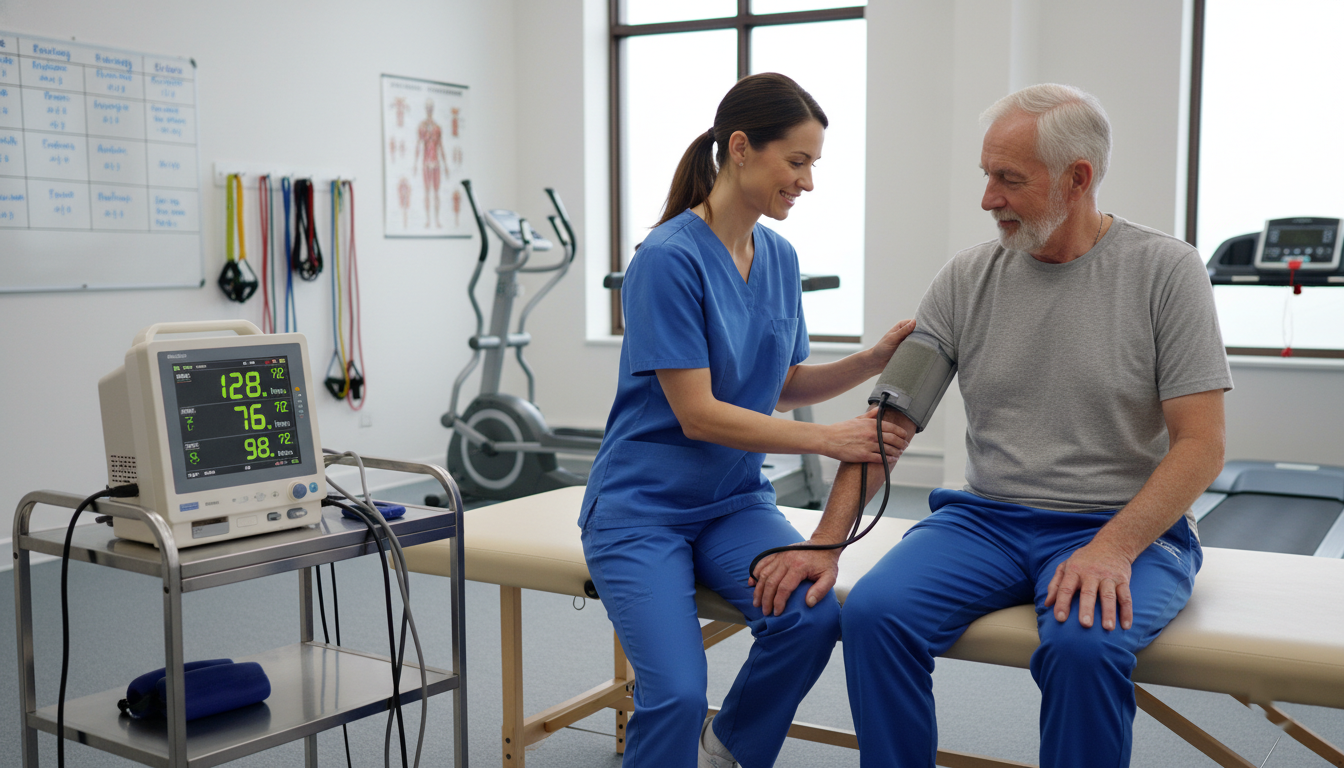
Physical therapy is one of the most effective and evidence-supported treatments for POTS. It focuses on rebuilding circulation control, improving muscle tone, and helping the body tolerate standing and activity again.
Unlike unsupervised exercise, physical therapy is structured and paced to match your cardiovascular capacity. Each session is designed to strengthen your system without triggering dizziness or exhaustion.
The Role of Physical Therapy in POTS
A physical therapist monitors your heart rate, blood pressure, and fatigue response while guiding movement. Treatment begins with gentle, reclined exercises to train blood flow and muscle activation safely.
As your endurance improves, therapy progresses to upright positions and functional movements. This gradual method helps the body adapt to posture changes and reduces fainting or flare-ups.
Benefits of Regular PT for POTS
Consistent therapy improves stamina, standing tolerance, and overall cardiovascular efficiency. Patients often notice less dizziness and greater ability to complete daily tasks like walking or showering without symptoms.
Over time, physical therapy helps retrain the body’s autonomic response, allowing for long-term stability and improved confidence in daily life.
Evidence-Based Exercise and Rehabilitation Techniques for POTS
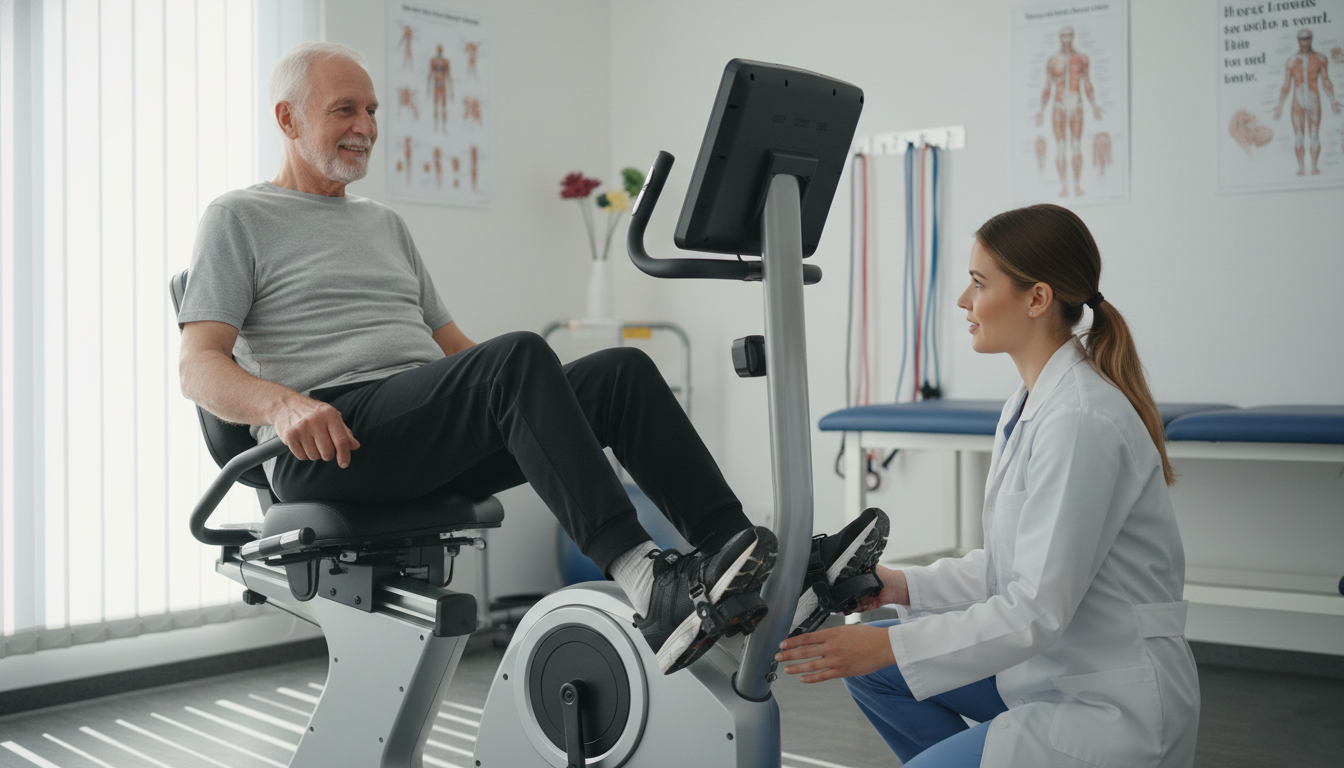
Physical therapy for POTS follows proven exercise progressions designed to safely rebuild strength, circulation, and autonomic control. Each stage focuses on improving blood return to the heart while preventing symptom flare-ups.
Graded Exercise Protocols
Therapists often use graded exercise models like the Dallas or Levine protocols. These programs begin with low-intensity recumbent exercises such as cycling, rowing, or swimming. The goal is to train the heart and leg muscles while avoiding the dizziness that can occur when standing too soon.
As the body adjusts, patients gradually move to upright activities like walking or light resistance training.
Recumbent and Low-Impact Training
Recumbent bikes and rowing machines are especially helpful early in recovery. They promote circulation without overloading the heart or joints. Swimming and water therapy also allow full-body movement while maintaining stable blood pressure.
These methods strengthen large muscle groups and improve oxygen delivery.
Strength and Breathing Work
Building leg and core strength supports better blood flow from the lower body to the heart. Diaphragmatic breathing and controlled pacing improve oxygen exchange and relaxation.
Together, these techniques restore physical capacity safely, giving patients a clear path toward normal activity without setbacks.
Safety and Monitoring During POTS Physical Therapy
Safety is central to every physical therapy program for POTS. Each session is carefully paced to prevent dizziness, fainting, or overexertion. Therapists monitor how the body reacts to position changes and adjust activity levels based on symptoms and vital signs.
Tracking Heart Rate and Blood Pressure
Therapists check heart rate and blood pressure throughout each session. This ensures the intensity stays within a safe range and helps identify early signs of fatigue.
Over time, these readings guide the gradual increase in exercise difficulty as the patient’s tolerance improves.
Recognizing and Managing Symptom Flare-ups
If dizziness, nausea, or heavy fatigue appear, the therapist immediately pauses the activity and provides recovery strategies such as reclining, hydration, or controlled breathing.
This careful monitoring helps build endurance safely and prevents major symptom setbacks during therapy.
What to Expect During Physical Therapy for POTS
Physical therapy for POTS focuses on rebuilding strength and confidence step by step. Sessions are designed to balance gentle cardiovascular exercise with rest and recovery so the body learns to regulate blood flow more effectively.
Initial Evaluation and Planning
Your first visit includes a full assessment of posture, muscle strength, blood pressure, and heart rate. Dr. Raj at HWY Physical Therapy also reviews symptom patterns, fatigue levels, and daily activity limits.
Based on these findings, a personalized treatment plan is created that outlines exercise intensity, hydration goals, and pacing strategies.
Ongoing Treatment Sessions
Each session begins in a reclined or seated position to minimize dizziness. As tolerance improves, you’ll progress to upright activities such as walking or light resistance training.
Education on hydration, compression garments, and postural transitions supports daily life beyond therapy.
Tracking Progress and Adjustments
Your therapist regularly records changes in endurance, heart rate recovery, and symptom frequency. Programs are modified as you gain stability.
This steady, monitored progression helps ensure consistent improvement without flare-ups or setbacks.
Adapting Therapy for Common POTS-Related Conditions

Every POTS patient presents unique challenges. Physical therapists modify exercises to address related health conditions such as joint hypermobility, Long-COVID, or chronic fatigue. These adjustments make therapy safer and more effective for long-term recovery.
POTS and Hypermobility
People with joint hypermobility often struggle with stability and pain during movement. Therapy focuses on controlled strengthening of the shoulders, hips, and core. Low-resistance exercises improve joint alignment and prevent overstretching. This builds muscle support without increasing discomfort or instability.
POTS and Long-COVID Recovery
Some patients develop POTS after viral infections, including COVID-19. These cases require slower pacing and strict energy management. Gentle recumbent activity and breathing control reduce post-exertional fatigue. Physical therapy restores circulation and strength while respecting the limits of post-viral recovery.
POTS with Anxiety or Chronic Fatigue
Emotional stress can worsen POTS symptoms. Breathing control, body awareness, and gradual exposure to upright activity help reduce anxiety and improve confidence. Therapists also emphasize pacing techniques that balance activity with rest to prevent symptom crashes.
Long-Term Management and Home Exercise Plan
Recovery from POTS continues after formal therapy ends. A consistent home program helps maintain circulation and endurance while preventing relapse. The goal is to stay active safely and gradually increase tolerance to daily tasks.
Building a Sustainable Routine
Home routines include recumbent cycling, light stretching, and short walks. Patients are encouraged to increase duration slowly while tracking heart rate and energy levels. Regular activity trains the body to manage posture changes without dizziness or rapid heartbeat.
Lifestyle Modifications for Symptom Control
Adequate hydration, balanced salt intake, and compression garments help regulate blood flow. Simple changes such as rising slowly from sitting, avoiding long periods of standing, and scheduling rest breaks make daily life easier. With consistency, these habits support lasting stability and reduce POTS flare-ups over time.
Why Choose HWY Physical Therapy in Salem, Oregon
HWY Physical Therapy provides personalized, evidence-based care for patients managing POTS and related conditions. Under the guidance of Dr. Raj, each session is tailored to your symptoms, fitness level, and daily routine. The clinic emphasizes safety, gradual progression, and patient education to ensure steady improvement.
Located in the Center 50+, Salem City Building at 2615 Portland Rd NE, HWY PT serves residents across Salem, Keizer, and Hayesville. Patients receive one-on-one care in a calm and supportive environment, helping them regain control, confidence, and lasting strength.
Frequently Asked Questions About Physical Therapy for POTS
Can physical therapy cure POTS?
Physical therapy does not cure POTS, but it helps manage symptoms and improve daily function. Many patients experience long-term relief with consistent training and home exercises.
How long does it take to see improvement?
Most people begin noticing better endurance and fewer dizzy spells after four to six weeks of regular therapy. Progress varies based on severity and individual response.
Is it safe to exercise when I feel dizzy?
Yes, under supervision. Therapists adjust exercises to avoid overexertion and keep heart rate within a safe range.
What should I bring to my first appointment?
Wear comfortable clothes, bring water, and list any medications or symptoms you track.
Topics to Read Further
Understanding Exercise Intolerance in POTS – Cleveland Clinic
Graded Exercise Training for Autonomic Disorders – Healthline
Contact HWY PT for Expert Advice and Support
If POTS symptoms limit your activity, professional care can help. Schedule an appointment with Dr. Raj at HWY Physical Therapy, Center 50+, Salem City Building, 2615 Portland Rd NE, Salem OR 97301.
Call 971-202-1979 to start your guided recovery and regain strength safely.
.png)