Staying active and independent can become harder with age. Stiff joints, muscle weakness, and balance issues often make daily life more challenging.
Physical therapy helps older adults move with confidence, reduce pain, and enjoy a better quality of life. By focusing on safe exercises and personalized care, it supports strength, flexibility, and balance.
Whether you want to prevent falls, recover from surgery, or simply stay active, the right therapy can make all the difference. In this guide, we’ll explore how physical therapy benefits seniors in Salem, Oregon, and how HWY Physical Therapy offers expert, senior-friendly care to help you live life to the fullest.
Understanding Physical Therapy for Elderly Adults
Learn what geriatric physical therapy is, why it matters, and how it supports healthy aging.
What Is Geriatric Physical Therapy?
Geriatric physical therapy focuses on helping older adults maintain or regain their strength, mobility, and independence. It uses exercises, balance training, and pain management techniques tailored to the needs of seniors. Unlike general PT, it addresses age-related changes in muscles, joints, and balance.
Why Seniors Need Specialized Care
As we age, muscle mass naturally decreases, joints become stiffer, and balance can be harder to maintain. Chronic conditions such as arthritis or osteoporosis can make movement even more difficult. Geriatric PT targets these challenges with safe, low-impact exercises that protect joints and improve overall function.
By combining targeted movement, education, and lifestyle strategies, physical therapy empowers seniors to stay active, prevent injuries, and maintain their independence for as long as possible.
Quick Facts About Senior Physical Therapy
An at-a-glance look at how PT can transform senior health.
-
Nearly 80% of seniors will benefit from some form of physical therapy in their lifetime.
-
Recovery from common issues like joint surgery can improve in as little as 6–8 weeks with consistent PT.
-
Regular sessions can lower fall risk by up to 40%.
-
Strength and balance gains are possible at any age.
-
Early intervention often leads to faster recovery and better long-term results.
Common Challenges Seniors Face with Mobility and Health
Understand the unique issues elderly adults face that physical therapy can help manage.
Mobility Limitations
Aging often leads to reduced flexibility and a smaller range of motion. This can make simple tasks like climbing stairs or bending down more difficult. Over time, inactivity can worsen these limitations.
Chronic Conditions
Arthritis, osteoporosis, Parkinson’s disease, and post-stroke complications are common in older adults. These conditions can cause pain, stiffness, and weakness, making movement harder and increasing the risk of injury.
Fall Risk Factors
Weak muscles, poor balance, and changes in vision all contribute to a higher fall risk in seniors. Falls can lead to serious injuries such as hip fractures, which can take months to heal. Physical therapy addresses these risks with targeted strength and balance training to help seniors move more safely.
Myths and Misunderstandings About Physical Therapy for Seniors
Clear up common misconceptions so seniors and families can make informed choices.
Myth: PT Is Only for Injury Recovery
Many seniors use physical therapy to stay strong, prevent falls, and manage chronic conditions—not just to heal from injuries.
Myth: PT Is Too Intense for Older Adults
Geriatric PT is tailored to your abilities, using gentle exercises that protect joints and muscles.
Myth: You Can’t Improve Strength After a Certain Age
Strength and balance gains are possible well into your 80s and beyond with the right guidance.
Truth: PT Adapts to You
A good physical therapist adjusts your program to match your health, comfort level, and goals, making it safe and effective at any age.
Key Benefits of Physical Therapy for Seniors in Salem, Oregon
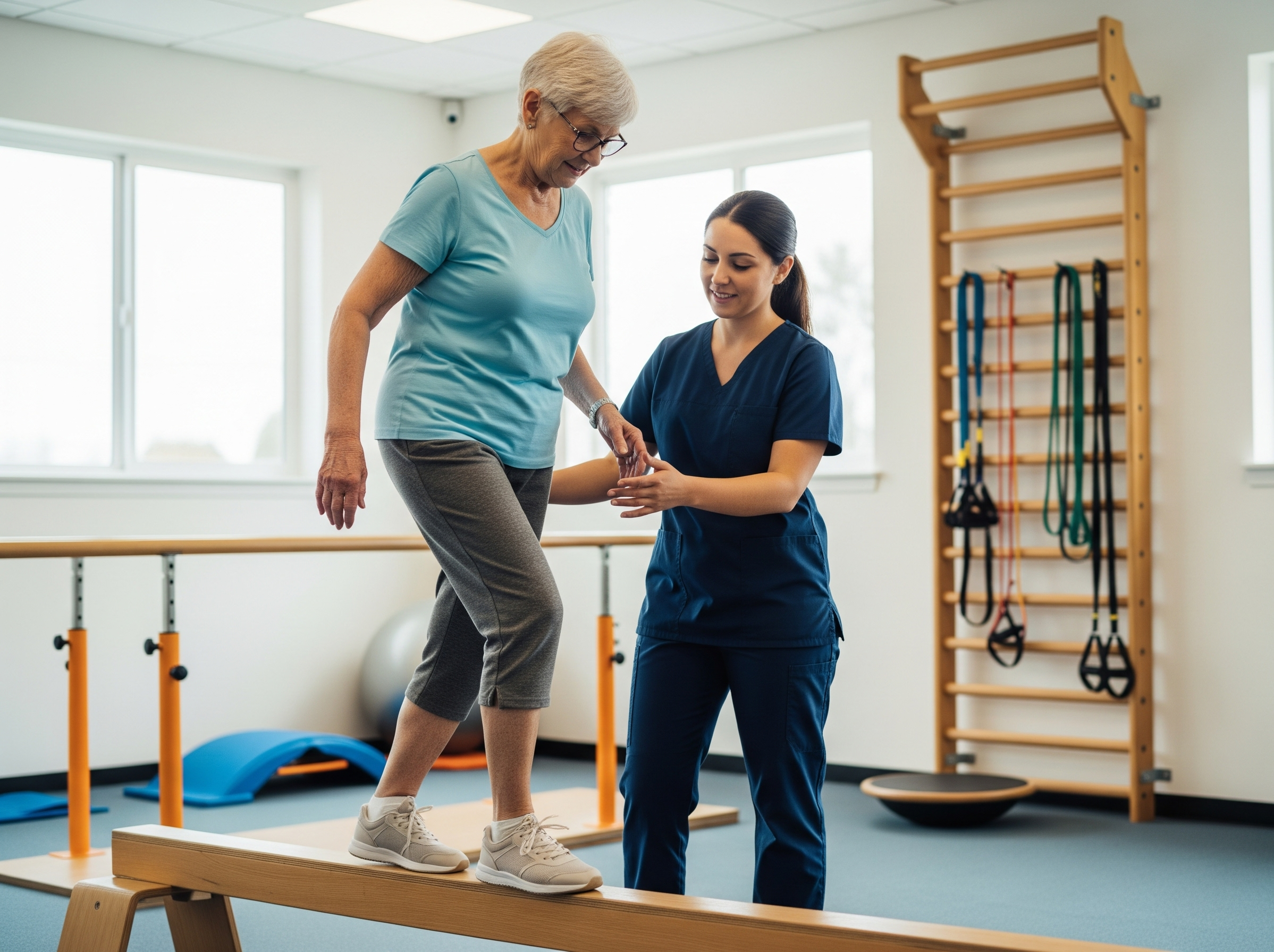
Discover how PT improves quality of life for older adults.
Improved Balance and Coordination
Balance exercises help prevent falls, one of the biggest risks for seniors. Training may include single-leg stands, heel-to-toe walking, and stability drills.
Increased Strength and Endurance
Gentle resistance training helps maintain muscle mass and supports daily activities like standing from a chair or carrying groceries. Improved endurance means seniors can stay active longer without fatigue.
Pain Reduction and Better Mobility
Physical therapy can ease pain from arthritis, back problems, and other chronic issues. Stretching, gentle strengthening, and mobility work help restore comfortable movement.
In Salem, HWY Physical Therapy specializes in programs that combine these benefits into a personalized plan. Seniors can improve confidence, maintain independence, and enjoy a higher quality of life with consistent therapy.
Types of Physical Therapy Services for the Elderly
Explore the therapy settings and programs designed for seniors.
Clinic-Based PT
This setting offers access to specialized equipment and hands-on supervision. Seniors can work with therapists directly to learn safe techniques and track progress. Clinic-based PT is ideal for structured programs and close monitoring.
Home-Based PT
For those with limited mobility or transportation challenges, in-home therapy provides comfort and convenience. Therapists bring the necessary equipment and adapt exercises to the home environment, reducing travel stress.
Specialized Programs
Fall prevention classes, balance workshops, and holistic senior care programs like PACE address the unique needs of older adults. These programs often combine strength, flexibility, and coordination training to reduce injury risk and improve daily function.
Choosing the right service depends on a senior’s health, mobility, and personal preferences, with safety and comfort as top priorities.
Assessment and Personalized Care Planning for Seniors
How therapists design safe, effective programs for older adults.
Comprehensive Health Assessment
Therapists review medical history, medications, and current health conditions to understand limitations and risks. This ensures the program is safe and tailored to the individual.
Functional Testing
Evaluations check balance, flexibility, and strength to determine starting points and track progress over time. These tests also help identify areas that need the most improvement.
Individualized Exercise Plans
Programs are adapted for chronic conditions, joint concerns, or recent surgeries. Exercises are chosen to build strength, improve balance, and maintain independence without causing strain.
By starting with a detailed assessment, seniors receive care that matches their abilities and goals, making therapy more effective and enjoyable.
Safe and Effective Exercises for Elderly Adults

Therapist-approved movements to build strength, balance, and mobility.
Balance and Stability Training
-
Single-Leg Stands: Stand near a sturdy surface and lift one foot off the ground for a few seconds.
-
Heel-to-Toe Walking: Walk in a straight line, placing one foot directly in front of the other to improve coordination.
Gentle Strength Training
Flexibility and Mobility Workouts
-
Chair Stretches: Gently stretch hamstrings, shoulders, and back while seated.
-
Seated Trunk Rotations: Rotate the upper body side to side to improve spinal mobility.
These exercises should be done slowly and with control. Use support when needed and stop if you feel sharp pain. A physical therapist can adapt each movement to your comfort and abilities, ensuring safety while maximizing results.
The Role of Movement and Caregiver Support
Why consistency and encouragement make all the difference in PT success.
Encouraging Daily Movement
Short walks, light stretching, and gentle strengthening help maintain progress between therapy sessions. Keeping activity consistent prevents stiffness and muscle loss, even on rest days.
Caregiver Involvement
Caregivers can help seniors stay on track by assisting with exercises, offering reminders, and providing encouragement. Their presence can also improve safety during balance or mobility drills.
When seniors and caregivers work together, therapy becomes more effective. This partnership builds confidence, supports independence, and helps seniors reach their recovery goals faster.
Special Considerations for Seniors with Chronic Conditions

How PT adapts for common health challenges in older adults.
Arthritis and Joint Care Strategies
Therapists use low-impact exercises to maintain joint movement while minimizing pain. Heat or gentle stretching may be added to improve comfort.
Osteoporosis-Safe Strength Training
Weight-bearing activities and light resistance work help maintain bone density without risking fractures. Proper technique is essential to protect fragile bones.
Parkinson’s-Specific Movement Therapies
Exercises focus on improving balance, coordination, and posture. Rhythmic movement and stretching can also help manage stiffness.
Post-Stroke Rehabilitation Techniques
Programs aim to restore mobility and function in affected limbs. Balance work and coordination drills help rebuild independence.
By adapting therapy to these conditions, seniors can stay active and safe while addressing their unique health needs.
When Physical Therapy May Need Supplementing
Knowing when to explore other treatments.
Signs PT Isn’t Enough
If mobility or strength continues to decline despite consistent therapy, it may be time to consider other options. Persistent pain that doesn’t improve should also be evaluated by a specialist.
Additional Interventions
Some seniors may benefit from surgery, occupational therapy, or assistive devices like walkers or canes. These tools and treatments can complement PT to improve independence and safety.
A physical therapist can guide you through the next steps and connect you with trusted local providers if more advanced care is needed.
Topics to Read Further
-
National Institute on Aging — Exercise and Physical Activity for Older Adults — Learn how regular activity supports health, mobility, and independence in seniors.
-
Mayo Clinic — Senior Fitness and Fall Prevention — Discover tips to reduce fall risk and improve balance.
-
APTA Geriatric Physical Therapy: Clinical Best Practices — Explore evidence‑based, person‑centered principles for senior physical therapy.
Contact HWY PT for Expert Senior Physical Therapy in Salem, Oregon
If you or a loved one wants to improve strength, balance, and mobility, the right time to start is now. Dr. Raj at HWY Physical Therapy offers personalized, senior-focused programs to reduce pain and restore independence.
Visit us at Center 50+, Salem City Building, 2615 Portland Rd NE, Salem, OR 97301 or call 971-202-1979 to schedule your appointment today.


.png)