Falls are one of the leading causes of injury in older adults, and many seniors begin noticing balance problems gradually over time. Simple activities like turning around, climbing stairs, or getting out of a chair may suddenly feel less stable than they once did.
For some seniors, the fear of falling becomes just as limiting as the physical balance problem itself. Many begin walking more cautiously, avoiding certain activities, or reducing movement altogether. Unfortunately, less movement often leads to weaker muscles, poorer coordination, and an even higher fall risk.
The good news is that targeted physical therapy exercises can help improve strength, balance, walking stability, and movement confidence. Fall prevention programs are designed to train the body to react more safely during everyday movements, especially during turning, stepping, and changing direction.
Physical therapists often focus on improving:
- lower-body strength
- reaction timing
- posture and walking mechanics
- vestibular balance control
- movement confidence during daily activities
Many seniors in Salem, Oregon use balance therapy and fall prevention exercises to stay active, independent, and safer at home. With consistent practice and the right guidance, older adults can often improve stability and reduce the risk of serious falls.
Why fall prevention becomes more important with age
As people get older, the body’s balance system naturally changes. Muscles may weaken, reaction time can slow down, and joints often become stiffer. Even small changes in strength or coordination can make everyday movement less stable.
This is one reason falls become more common with age, especially during turning, walking on uneven ground, or getting up too quickly.
How aging affects balance and coordination
Several body systems work together to maintain balance. Aging can affect all of them at the same time.
Common age-related changes include:
- weaker leg and core muscles
- slower balance correction
- reduced ankle stability
- vision changes
- inner ear balance decline
- decreased flexibility and posture control
These changes may seem minor individually, but together they can increase fall risk significantly.
Why many falls happen during everyday movements
Many senior falls happen during normal daily activities rather than major accidents.
Higher-risk situations often include:
- turning around quickly
- getting out of bed
- climbing stairs
- stepping onto curbs
- reaching for objects
- walking in dim lighting
These movements require quick coordination and balance adjustments that become harder with age.
The hidden impact of fear of falling
Fear of falling can quietly change the way seniors move. Many older adults begin taking shorter steps, walking stiffly, or avoiding activity altogether after a fall or near-fall.
Less movement usually causes further weakness and poorer balance over time. This creates a cycle where fear leads to reduced activity, and reduced activity increases fall risk even more.
How physical therapy helps prevent falls in seniors
Physical therapy helps seniors improve balance, walking stability, strength, and coordination in a safe and structured way. Many fall prevention programs focus on correcting the movement problems that commonly lead to falls during daily activities.
Instead of only treating symptoms, physical therapists work to improve the body’s ability to react safely during movement.
What happens during a fall-risk evaluation
A physical therapist first identifies the factors contributing to instability and fall risk. This helps create a treatment plan that matches the senior’s strength, mobility level, and medical history.
A fall-risk evaluation may include:
- walking and gait assessment
- balance testing
- posture evaluation
- leg strength testing
- vestibular screening
- turning and pivot analysis
These tests help determine where balance breakdowns are happening during movement.
How physical therapy improves balance and stability
Physical therapy exercises target the systems responsible for safe movement and balance control.
Treatment may focus on:
- strengthening weak leg and core muscles
- improving walking mechanics
- retraining turning movements
- increasing reaction speed
- improving posture and coordination
- reducing dizziness during movement
Therapists also help seniors practice safer movement strategies for real-world situations like stairs, curbs, and uneven surfaces.
Why personalized exercise programs matter
Not all seniors fall for the same reason. Some struggle with muscle weakness, while others experience dizziness, poor coordination, or vestibular problems.
Personalized exercise programs help ensure:
- exercises stay safe
- movements progress gradually
- medical conditions are considered
- balance goals match the individual’s needs
When seniors in Salem, Oregon should seek professional help
Seniors should consider professional balance therapy if they experience:
- repeated near-falls
- dizziness while walking
- difficulty turning safely
- loss of walking confidence
- worsening balance over time
Many older adults in Salem, Oregon use fall prevention therapy and vestibular rehabilitation to improve safety, mobility, and independence before a serious fall occurs.
Best balance exercises for fall prevention in seniors
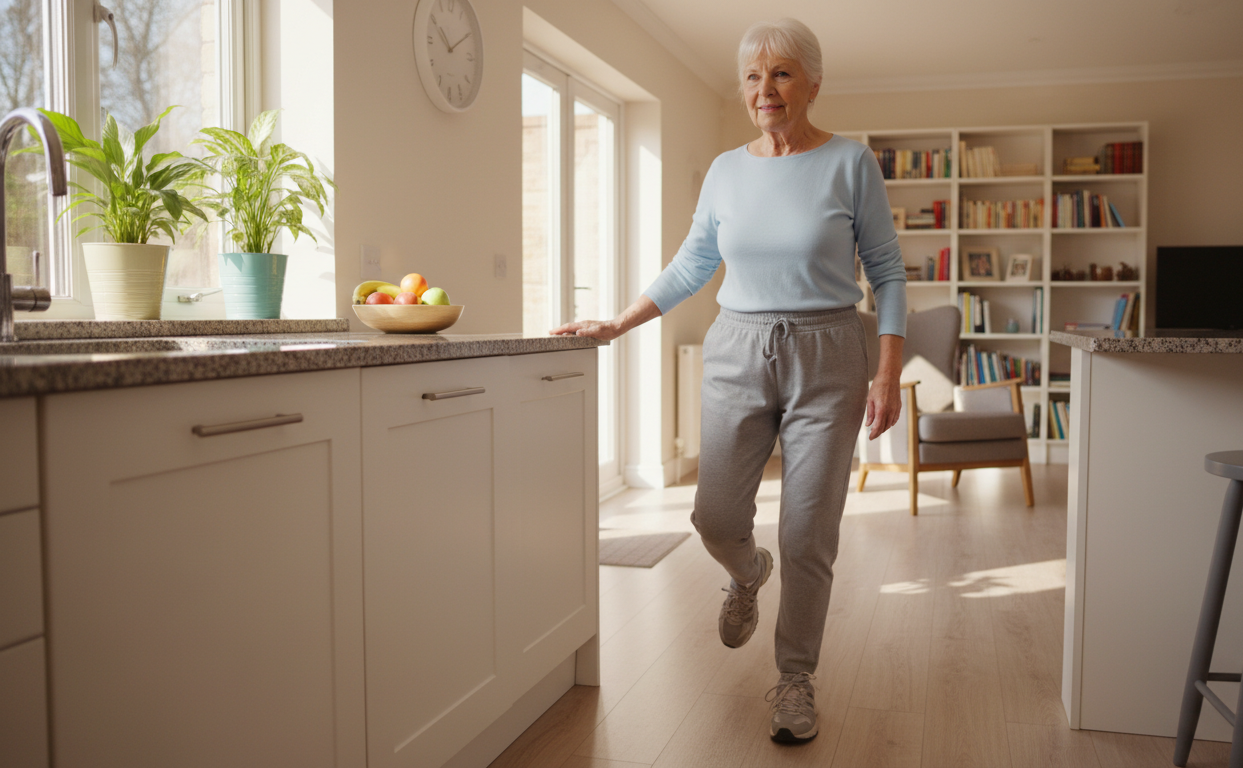
Balance exercises help seniors improve stability, coordination, and reaction control during everyday movement. Physical therapists often focus on exercises that challenge balance safely while training the body to recover more effectively from instability.
The goal is not just to stand still better. Fall prevention exercises also help seniors move more confidently while walking, turning, and changing direction.
Standing weight-shift exercises
Weight-shift exercises train the body to control movement while transferring weight from one leg to the other.
Common variations include:
- side-to-side shifting
- forward and backward shifting
- gentle diagonal weight transfers
These exercises help improve posture control and balance awareness during walking and turning movements.
Heel-to-toe walking exercises
Heel-to-toe walking helps improve coordination and walking control. Seniors practice placing one foot directly in front of the other while moving slowly and steadily.
This exercise may help:
- improve walking stability
- strengthen coordination
- increase body awareness
- reduce shuffling gait patterns
Many therapists recommend performing this exercise near a wall or countertop for support.
Single-leg balance exercises
Standing briefly on one leg helps improve ankle stability and balance recovery.
Most seniors begin with:
- light fingertip support
- short hold times
- stable surfaces nearby
As balance improves, the exercise can gradually become more challenging.
Clock-step balance drills
Clock-step drills train balance in multiple directions. Seniors step forward, sideways, and backward as if stepping toward different clock numbers.
These drills help improve:
- directional control
- turning stability
- stepping coordination
- reaction timing
This type of movement training is especially useful for preventing falls during unexpected movement changes.
Turning and pivot training exercises
Many falls happen while turning around. Physical therapists often include controlled turning exercises to improve coordination during directional changes.
Examples include:
- slow turning in place
- wide pivot practice
- stepping turns
- controlled directional changes
Rushing through turns usually increases instability. Slow and controlled movement often improves confidence and safety.
How seniors can safely progress balance exercises
Balance exercises should become more challenging gradually, not all at once.
Safe progression may include:
- starting with hand support
- reducing support over time
- increasing movement speed slowly
- adding turning movements
- practicing more dynamic balance activities
Consistency matters more than difficulty. Small improvements practiced regularly often lead to safer walking and better long-term stability.
Best lower-body strengthening exercises to reduce falls
Strong lower-body muscles help seniors recover balance more effectively during slips, stumbles, and sudden movement changes. Weak legs and poor core stability often make it harder to walk safely, climb stairs, or turn without losing balance.
Physical therapists commonly use strengthening exercises that improve real-world movement rather than focusing only on isolated muscle training.
Sit-to-stand chair exercises
Sit-to-stand exercises strengthen the legs, hips, and core while improving everyday movement safety.
Seniors practice:
- standing up slowly from a chair
- sitting down with control
- maintaining upright posture
- using less arm support over time
This exercise helps improve balance during transfers, which is a common time for falls.
Step-up exercises for stair stability
Step-up exercises help seniors build strength for stairs, curbs, and uneven surfaces.
Benefits include:
- stronger leg muscles
- improved coordination
- better stepping control
- increased movement confidence
Most therapists recommend starting with low steps and stable hand support nearby.
Heel raises and ankle strengthening
Ankle strength plays a major role in balance recovery. Weak ankles may reduce the body’s ability to correct small losses of balance quickly.
Heel raises help improve:
- calf strength
- ankle stability
- walking control
- push-off strength during walking
These exercises are often performed while holding onto a countertop or sturdy chair.
Core strengthening exercises for seniors
Core muscles help stabilize posture and support safer movement during walking and turning.
Simple core-focused exercises may include:
- seated posture holds
- gentle marching movements
- standing abdominal bracing
- controlled reaching exercises
Improving core stability often helps seniors move more confidently and maintain better balance throughout daily activities.
Vestibular exercises for seniors with dizziness and imbalance

Some seniors experience dizziness, motion sensitivity, or unsteadiness because the vestibular system inside the inner ear is not processing movement correctly. Vestibular exercises are designed to help the brain and body respond more effectively to movement and position changes.
These exercises are commonly used in physical therapy programs for seniors with dizziness-related balance problems.
Gaze stabilization exercises
Gaze stabilization exercises train the eyes and inner ear to work together during head movement.
A common example involves:
- focusing on a stationary object
- slowly turning the head side to side
- keeping vision clear during movement
These exercises may help reduce dizziness while walking, turning, or changing direction.
Head movement coordination drills
Many seniors feel unstable when moving their head quickly. Head movement drills gradually retrain the balance system to tolerate movement more comfortably.
Exercises may include:
- slow head turns while seated
- looking up and down carefully
- controlled turning movements during standing
- combining head movement with walking practice
Movements should remain slow and controlled to avoid overwhelming the balance system.
Walking with head turns
Walking while turning the head challenges both balance and coordination at the same time. This type of training helps seniors practice maintaining stability during real-world movement.
Therapists may guide seniors through:
- walking while looking side to side
- turning the head while walking forward
- changing visual focus during movement
These drills help improve dynamic balance and walking confidence.
Why vestibular therapy matters for fall prevention
Vestibular dysfunction can increase fall risk significantly, especially during turning and quick movement changes. Seniors with dizziness often become more cautious and reduce movement over time.
Vestibular rehabilitation helps retrain movement coordination, improve balance reactions, and reduce motion sensitivity. Many older adults in Salem, Oregon use vestibular therapy as part of a larger fall prevention and balance rehabilitation program.
Walking and gait exercises that improve senior stability
Walking safely requires much more than leg strength alone. Seniors also need good posture, coordination, balance reactions, and movement control during turning and directional changes.
Gait exercises help improve the way seniors move during everyday activities while reducing the risk of falls.
Improving stride length and posture
Many seniors develop shorter steps and a forward-leaning posture after experiencing instability or near-falls. These changes may feel safer at first, but they can actually reduce walking efficiency and balance control.
Gait training often focuses on:
- taking smoother and longer steps
- maintaining upright posture
- improving foot clearance
- reducing shuffling movement
- keeping steady walking rhythm
Better posture and stride control often improve confidence during movement.
Side-stepping and directional walking drills
Falls frequently happen when seniors move sideways or change direction quickly. Side-stepping drills help improve lateral stability and hip strength.
Common exercises include:
- side-stepping along a hallway
- diagonal stepping patterns
- backward stepping practice
- controlled directional changes
These drills help train the body to respond more safely during unexpected movement situations.
Reaction-time exercises for fall prevention
Reaction-time exercises help seniors recover balance more quickly after a stumble or sudden movement shift.
Physical therapists may use:
- quick stepping drills
- directional response exercises
- obstacle navigation
- controlled balance recovery practice
These activities help train faster movement correction during real-world situations.
Why reaction time matters for fall prevention
Many falls happen because the body reacts too slowly to instability. Even a small delay in foot placement or posture correction can increase fall risk.
Improving reaction timing may help seniors:
- recover balance faster
- avoid stumble progression
- improve stepping accuracy
- respond more safely during movement
Dual-task walking exercises
Daily movement often involves multitasking. Seniors may walk while talking, carrying objects, or looking around the environment at the same time.
Dual-task walking exercises train the brain and body to manage movement and attention together more safely. This type of practice can improve coordination and reduce fall risk during real-world activities.
Why multitasking and turning increase fall risk in seniors
Many senior falls happen during situations that require the body to manage several tasks at once. Turning while walking, carrying objects, or looking around can place extra stress on balance coordination and reaction timing.
These movements may feel automatic when people are younger, but aging can make multitasking during movement more difficult and less stable.
Why turning while walking is harder than walking straight
Walking straight follows a steady movement pattern. Turning requires the body to shift weight, rotate the head, reposition the feet, and maintain posture all at the same time.
This can become challenging for seniors with:
- slower reaction time
- weaker muscles
- dizziness during head movement
- reduced coordination
- poor balance recovery
Quick turns often increase instability even more.
How distractions increase fall risk
Distractions can reduce the brain’s ability to focus on balance and movement control. Seniors may become less aware of foot placement or posture while multitasking.
Common examples include:
- talking while walking
- looking at objects while moving
- navigating crowded areas
- responding to sudden sounds
- rushing during daily tasks
Even small distractions may increase fall risk when balance is already reduced.
Why carrying objects affects balance control
Carrying groceries, laundry, or other items changes body posture and limits natural arm movement. This can reduce balance correction and make turning more difficult.
Holding objects may also block vision of the floor or obstacles nearby.
How physical therapy improves movement coordination
Physical therapists often train seniors using real-world movement situations rather than only basic exercises. Therapy may include turning drills, multitasking walking practice, and balance challenges designed to improve movement coordination safely.
These exercises help seniors feel more stable during everyday activities where falls commonly happen.
Functional movement exercises seniors use every day
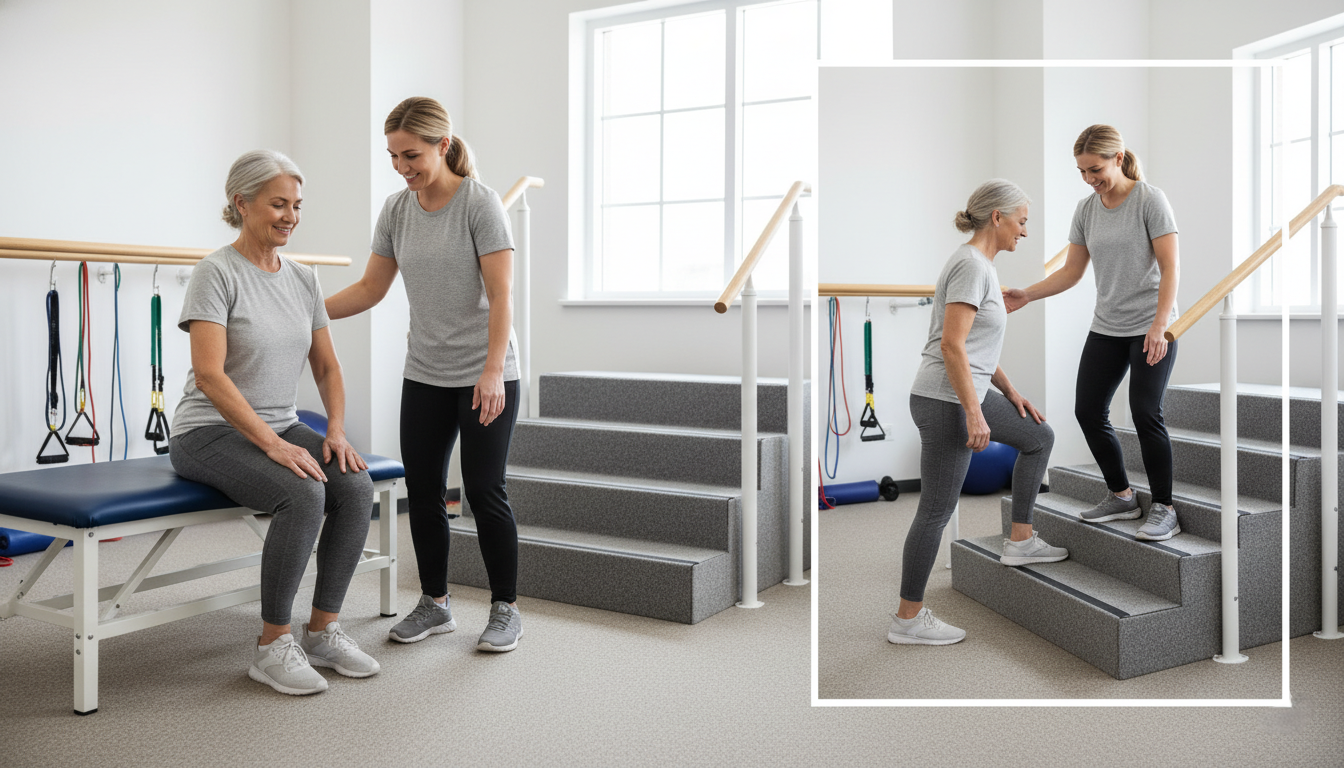
Fall prevention exercises work best when they improve movements seniors actually perform throughout the day. Functional movement training focuses on safer walking, standing, reaching, turning, and carrying activities used in daily life.
These exercises help older adults move more confidently both inside and outside the home.
Safe sit-to-stand training
Standing up from a chair is one of the most common daily movements linked to falls. Poor leg strength or rushing during transfers can increase instability.
Physical therapists often teach seniors to:
- position the feet correctly
- lean forward safely
- stand with controlled movement
- maintain posture after standing
Improving transfer mechanics may reduce fall risk during everyday activities.
Reaching and bending safely
Many seniors lose balance while reaching overhead or bending toward the floor. Functional training helps improve body control during these movements.
Therapy exercises may include:
- controlled reaching drills
- safe bending mechanics
- posture training during lifting
- balance practice during movement transitions
Learning safer movement patterns often reduces unnecessary strain and instability.
Carrying objects while maintaining balance
Carrying groceries, laundry, or household items changes posture and balance control. Functional movement exercises help seniors practice walking safely while holding objects.
Training may focus on:
- maintaining upright posture
- controlling walking speed
- turning safely while carrying items
- improving coordination during movement
These exercises help prepare seniors for real-world situations where falls commonly occur.
Stair and curb training exercises
Stairs and curbs require strength, coordination, and balance timing. Seniors with instability may hesitate during stepping movements or lose confidence outdoors.
Therapists often use step training exercises to improve:
- stepping control
- balance during elevation changes
- leg strength
- movement confidence on uneven surfaces
Practicing these movements safely may help seniors remain more independent during daily activities.
Safety tips before seniors begin balance exercises
Balance exercises can improve stability and confidence, but safety should always come first. Seniors should begin slowly and avoid exercises that feel overwhelming or unsafe.
A safe setup helps reduce the risk of falls while allowing exercises to be performed more comfortably and consistently.
Creating a safe exercise environment
Exercise areas should be open, stable, and free of tripping hazards.
Helpful safety steps include:
- using a sturdy chair or countertop for support
- removing loose rugs and clutter
- exercising in well-lit areas
- keeping pets and obstacles out of walking paths
- allowing enough room for turning and stepping movements
Many seniors feel more confident exercising near a wall or stable surface.
When seniors should avoid exercising alone
Some older adults may need supervision during balance training, especially if they have severe instability or recent falls.
Seniors should consider assistance if they experience:
- frequent dizziness
- repeated near-falls
- severe weakness
- poor walking control
- difficulty recovering balance
Working with a physical therapist may provide a safer starting point for higher-risk individuals.
Proper footwear and mobility support
Footwear can affect balance more than many seniors realize. Slippery socks, loose sandals, or unstable shoes may increase fall risk during exercise.
Safer options usually include:
- supportive non-slip shoes
- properly fitted walkers or canes
- comfortable clothing that allows free movement
Mobility devices should always be adjusted correctly for safety and posture.
Signs an exercise may be too difficult
Exercises should feel challenging but still manageable. Severe instability or exhaustion may increase injury risk.
Warning signs include:
- excessive wobbling
- sharp pain
- sudden dizziness
- loss of balance
- extreme fatigue during movement
Stopping early and progressing gradually is usually safer and more effective than pushing too hard.
How often seniors should do fall prevention exercises
Consistency is one of the most important parts of improving balance and reducing fall risk. Small amounts of regular exercise are usually more effective than occasional intense workouts.
Many physical therapists recommend balance and strengthening exercises several times per week based on the senior’s mobility level and overall health.
Recommended weekly balance training frequency
Most seniors benefit from:
- balance exercises 2–5 times per week
- strength training several days weekly
- short daily walking practice when safe
- gradual progression over time
Exercise sessions do not need to be long. Even shorter sessions performed consistently may improve stability and movement confidence.
Why consistency matters more than intensity
The body improves balance through repetition and practice. Regular movement helps train muscles, coordination, posture control, and reaction timing more effectively over time.
Doing exercises too aggressively may increase fatigue or discourage long-term participation. Steady progress is usually safer and more sustainable.
How long improvement may take
Some seniors notice small improvements within a few weeks, especially in walking confidence and movement control. More significant balance changes often take longer depending on strength, coordination, and medical conditions.
Progress is usually gradual rather than immediate.
Common early improvements seniors notice
Many older adults first notice:
- improved walking confidence
- easier turning movements
- less hesitation during movement
- better posture
- reduced fear of falling
These early changes often encourage continued progress with therapy and exercise.
Common mistakes seniors make during fall prevention exercises
Fall prevention exercises work best when they are performed safely and consistently. Many seniors unknowingly develop habits that reduce exercise effectiveness or increase instability during training.
Avoiding these common mistakes may help improve results while lowering injury risk.
Moving too quickly during exercises
Rushing through exercises can reduce balance control and increase wobbling. Fast movement often makes it harder for the body to maintain posture and coordination.
Slow, controlled movement usually helps seniors:
- improve body awareness
- maintain better posture
- strengthen movement control
- practice safer balance correction
Quality of movement matters more than speed.
Exercising too close to fatigue
Excessive fatigue may reduce coordination and increase fall risk during exercise sessions. Seniors sometimes continue exercising even when posture and stability begin to decline.
Warning signs of overexertion may include:
- shaky movement
- poor posture control
- delayed reactions
- heavy leg fatigue
- increased instability
Rest breaks are an important part of safe balance training.
Avoiding head movement exercises
Some seniors avoid turning or head movement drills because they fear dizziness or instability. Unfortunately, avoiding these movements completely may reduce balance confidence over time.
Gradual vestibular and turning exercises often help the body adapt more safely to movement.
Skipping warmups and posture control
Beginning exercises too abruptly may increase stiffness and reduce movement quality. Simple warmups help prepare muscles and joints for balance training.
Maintaining upright posture during exercises also helps improve walking mechanics and stability.
Ignoring dizziness or instability symptoms
Mild challenge during exercise is normal, but severe dizziness or repeated loss of balance should not be ignored.
Seniors should stop exercising and seek professional guidance if symptoms become unsafe or continue worsening during movement practice.
Building confidence during fall prevention therapy
Confidence plays a major role in how safely seniors move during everyday activities. After a fall or near-fall, many older adults begin walking more cautiously or avoiding movement altogether.
While this may feel protective at first, reduced movement often leads to weaker muscles, poorer balance, and greater instability over time.
Why small improvements matter
Balance recovery usually happens gradually. Small changes often create the foundation for larger long-term improvements.
Many seniors first notice:
- steadier walking
- smoother turning movements
- less hesitation during movement
- improved posture
- reduced fear during daily activities
Even small gains can improve independence and quality of life significantly.
How confidence improves walking safety
Confident movement often improves posture, stride length, and coordination. Seniors who feel safer walking are usually more willing to stay active and continue practicing balance exercises.
Better movement confidence may also reduce stiff or overly cautious walking patterns that sometimes increase fall risk.
Why consistency creates long-term balance gains
Balance improvement depends heavily on regular practice. Repeating exercises consistently helps train the muscles, brain, and vestibular system to respond more effectively during movement.
Over time, many seniors develop better movement control, faster balance correction, and greater confidence during walking, turning, and everyday activities.
What caregivers can do to support senior fall prevention
Caregivers often notice balance changes before seniors fully recognize how much their movement has changed. Support from family members can play an important role in helping older adults stay active, safe, and confident.
The goal is not to create fear around movement, but to encourage safer daily habits and early intervention when needed.
Encouraging safe daily activity
Regular movement helps maintain strength, coordination, and walking confidence. Caregivers can encourage activity by:
- supporting short daily walks
- helping create consistent exercise routines
- encouraging safe movement instead of prolonged sitting
- reminding seniors to move at a comfortable pace
Even small amounts of regular activity may help reduce long-term fall risk.
Making the home safer for movement
Simple home adjustments can improve safety significantly.
Helpful changes may include:
- removing clutter and loose rugs
- improving lighting
- adding grab bars in bathrooms
- keeping pathways clear
- arranging commonly used items within easy reach
These changes may reduce unnecessary balance challenges during daily activities.
Recognizing worsening balance symptoms
Caregivers should watch for signs such as:
- increased furniture grabbing
- slower walking
- hesitation during turning
- repeated stumbling
- growing fear of movement
These changes may signal worsening instability or increased fall risk.
Supporting confidence after a fall
Many seniors become anxious after falling. Encouragement, patience, and gradual return to movement often help rebuild confidence more effectively than avoiding activity completely.
Professional balance therapy may also help seniors regain trust in their movement safely.
Can physical therapy really reduce fall risk in seniors?
Physical therapy can play a major role in reducing fall risk for many older adults. While no program can eliminate every fall completely, targeted balance and strength training often improves stability, walking confidence, and movement safety significantly.
The earlier balance problems are addressed, the better the chances of maintaining long-term mobility and independence.
How balance training improves confidence
Many seniors become less active after a fall or near-fall because they no longer trust their balance. Physical therapy helps rebuild confidence through gradual and structured movement practice.
As balance improves, seniors often feel:
- steadier while walking
- safer during turning movements
- more comfortable using stairs
- less fearful during daily activities
Confidence itself can improve movement quality and reduce overly cautious walking patterns.
Why stronger muscles help prevent falls
Leg and core muscles help the body recover from slips, stumbles, and sudden movement changes. Weak muscles may slow balance correction and reduce stability.
Strengthening exercises often improve:
- walking control
- posture
- stepping accuracy
- reaction timing
- turning stability
These improvements may lower fall risk during everyday movement.
How therapy improves walking safety
Physical therapists often focus on real-world movement situations rather than isolated exercises alone. Gait training, turning drills, vestibular rehabilitation, and reaction-time exercises help seniors move more safely during daily activities.
Many older adults notice improved coordination and smoother movement after consistent therapy.
The importance of early intervention
Waiting until multiple falls occur can make recovery more difficult. Early therapy may help seniors maintain strength, confidence, and independence before balance problems become severe.
Many seniors in Salem, Oregon use fall prevention therapy and vestibular rehabilitation to stay active and reduce the risk of serious injuries from falling.
Frequently asked questions about fall prevention exercises for seniors
What are the best exercises for fall prevention in seniors?
Some of the most effective fall prevention exercises include:
- balance training
- sit-to-stand exercises
- heel-to-toe walking
- single-leg balance practice
- step-up exercises
- turning and pivot drills
Exercises that improve leg strength, coordination, and walking stability are usually the most helpful for reducing fall risk.
Can physical therapy prevent falls in elderly adults?
Physical therapy can help reduce fall risk by improving strength, balance, posture, reaction timing, and walking mechanics. Many seniors also benefit from vestibular rehabilitation if dizziness or motion sensitivity contributes to instability.
Therapy programs are often personalized based on mobility level and medical conditions.
How often should seniors practice balance exercises?
Many physical therapists recommend balance exercises several times per week. Short, consistent sessions are usually safer and more effective than occasional intense workouts.
Exercise frequency may vary depending on:
- overall health
- fall risk level
- strength
- endurance
- medical history
Are chair exercises effective for seniors?
Yes, chair exercises can be very helpful for seniors with limited mobility or poor balance. Sit-to-stand movements, seated marching, posture exercises, and seated leg strengthening may improve stability and movement confidence safely.
What causes poor balance in older adults?
Balance problems may develop from several causes, including:
- muscle weakness
- vestibular dysfunction
- vision changes
- neurological conditions
- medication side effects
- reduced reaction timing
Many seniors experience a combination of these factors.
Does vestibular therapy help prevent falls?
Vestibular therapy often helps seniors who experience dizziness, motion sensitivity, or instability during movement. Exercises focus on retraining the inner ear and brain to process movement more effectively.
Many older adults in Salem, Oregon use vestibular rehabilitation alongside fall prevention therapy to improve walking safety and reduce dizziness-related falls.
Topics to read further
- How vestibular rehabilitation improves balance and walking stability
- Why leg strength matters for preventing senior falls
- Safe home modifications that reduce fall risk in elderly adults
- Why turning and multitasking increase balance problems in seniors
Contact HWY PT for expert advice and support
Falls can have a major impact on independence, confidence, and overall quality of life. The good news is that many seniors improve balance, walking stability, and movement confidence with the right therapy and exercise program.
At HWY Physical Therapy Clinic, Dr Raj provides personalized fall prevention therapy and vestibular rehabilitation for older adults in Salem, Oregon. Treatment plans focus on improving balance, strengthening walking mechanics, reducing dizziness, and helping seniors move more safely during everyday activities.
Seniors experiencing:
- repeated near-falls
- walking instability
- dizziness during movement
- reduced confidence while walking
- difficulty turning safely
may benefit from a professional balance evaluation before symptoms become more serious.
HWY Physical Therapy Clinic
Center 50+
2615 Portland Rd NE
Salem, OR 97301
Call: 971-202-1979
Early balance therapy may help seniors stay active, independent, and safer at home and in the community.
.png)