Learn how outpatient physical therapy for neuropathy improves balance, mobility, and confidence. NEUBIE therapy available at HWY PT.
Neuropathy can affect much more than sensation in your hands or feet. For many people, it changes the way they walk, balance, and move through daily life.
Symptoms such as numbness, tingling, burning sensations, and weakness can make simple activities feel more challenging. Walking across a parking lot, climbing stairs, or standing for long periods may require more effort than before.
Over time, these symptoms can affect confidence and independence. Some people begin avoiding activities because they worry about falling or losing their balance.
The good news is that neuropathy does not always mean giving up the activities you enjoy. Outpatient physical therapy can help many people improve strength, stability, mobility, and overall function. Through targeted exercises, balance training, gait retraining, and individualized treatment plans, physical therapy focuses on helping patients move more safely and confidently.
Whether neuropathy is related to diabetes, chemotherapy, injury, or another cause, early intervention can make a meaningful difference. The right treatment approach can help reduce fall risk, improve walking ability, and support a more active lifestyle.
In this guide, you'll learn how outpatient physical therapy helps people with neuropathy, what treatment may involve, and how advanced rehabilitation approaches can support long-term mobility and independence.
What Is Peripheral Neuropathy and How Does It Affect the Body?
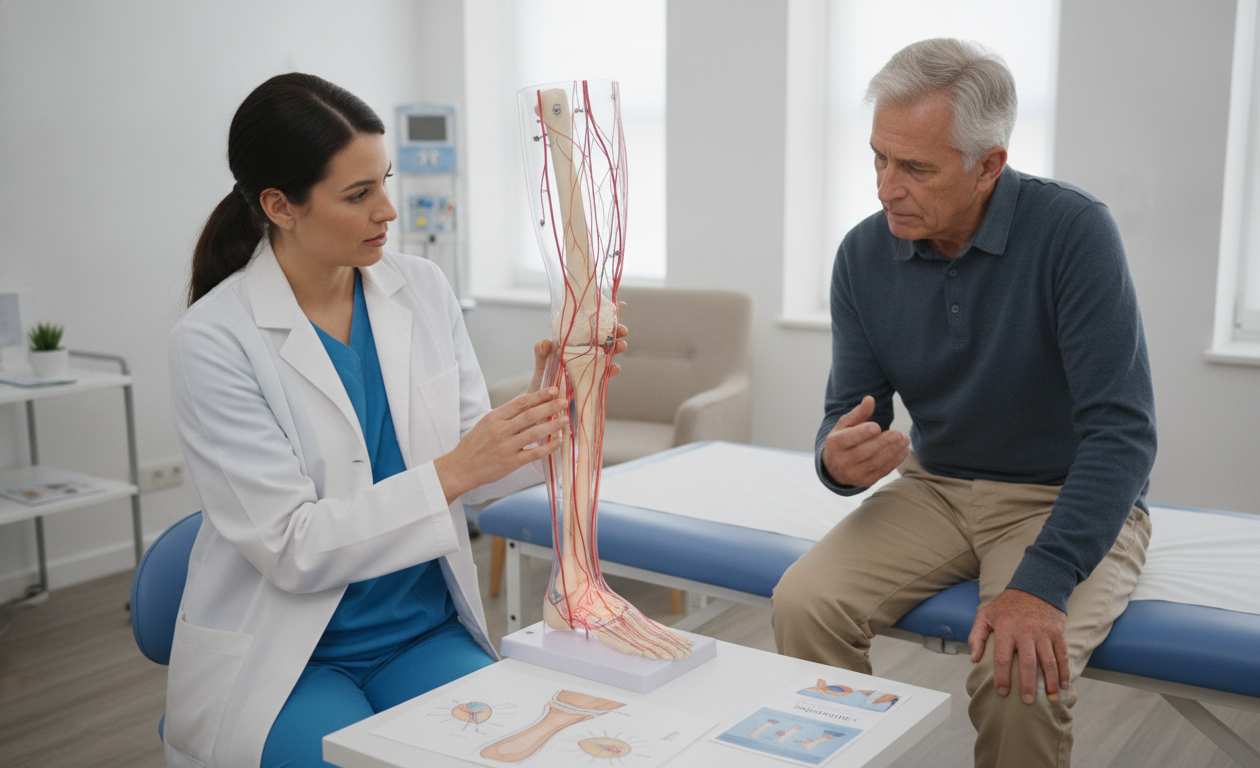
Understanding neuropathy is the first step toward finding the right treatment and improving daily function.
Understanding Peripheral Neuropathy
Peripheral neuropathy occurs when nerves outside the brain and spinal cord become damaged or stop functioning properly. These nerves help carry messages between the body and the nervous system.
When nerve signals are disrupted, a variety of symptoms can develop. The location and severity of symptoms often depend on which nerves are affected.
Common causes of peripheral neuropathy include:
- Diabetes
- Chemotherapy treatments
- Certain medications
- Injuries
- Autoimmune conditions
- Vitamin deficiencies
- Unknown causes (idiopathic neuropathy)
Symptoms may develop gradually or appear more suddenly depending on the underlying cause.
Common Symptoms of Neuropathy
Neuropathy can affect sensation, movement, and coordination.
Many people experience:
- Numbness in the feet or hands
- Tingling sensations
- Burning pain
- Sharp or shooting discomfort
- Muscle weakness
- Reduced coordination
- Difficulty sensing foot position
Symptoms often begin in the feet and gradually progress upward.
Because the feet play such an important role in balance and walking, even mild sensory changes can affect mobility.
Types of Neuropathy Seen in Physical Therapy
Physical therapists commonly work with individuals experiencing different forms of neuropathy.
These may include:
- Diabetic neuropathy
- Chemotherapy-induced neuropathy
- Idiopathic neuropathy
- Compression-related nerve injuries
- Neurological conditions affecting peripheral nerves
Although the causes vary, many patients face similar challenges involving walking, balance, strength, and daily activities.
Physical therapy focuses on addressing these functional limitations while helping patients maintain as much independence as possible.
How Neuropathy Affects Mobility and Daily Life
Neuropathy impacts much more than sensation. It can affect how you walk, balance, and perform everyday activities.
Walking Difficulties Caused by Neuropathy
Walking requires constant communication between your nerves, muscles, joints, and brain. When neuropathy affects the nerves in the feet and legs, that communication can become less reliable.
Many people describe feeling like they are walking on cushions, sand, or uneven ground. Others have difficulty sensing exactly where their feet are during movement.
Common walking challenges include:
- Shorter stride length
- Slower walking speed
- Difficulty walking on uneven surfaces
- Trouble navigating curbs and stairs
- Increased fatigue while walking
As these symptoms progress, many people become less active because movement feels uncertain or uncomfortable.
Balance Problems and Instability
The nerves in your feet provide important information about your body's position and movement. When sensation decreases, balance often becomes more difficult.
Many neuropathy patients notice:
- Feeling unsteady while standing
- Swaying when walking
- Difficulty walking in low-light conditions
- Increased reliance on handrails
- Fear of losing balance
These challenges can occur even when muscle strength remains relatively good.
Balance problems are one of the main reasons people with neuropathy experience a higher risk of falls. Addressing these issues early can help maintain mobility and confidence.
How Neuropathy Affects Independence
The effects of neuropathy often extend beyond physical symptoms. Everyday tasks that once felt routine may begin to require more planning and effort.
Activities that may become more challenging include:
- Grocery shopping
- Driving long distances
- Household chores
- Walking through crowded areas
- Attending social events
- Participating in hobbies
Over time, some individuals begin limiting activities because they worry about falling or losing their balance.
This reduction in activity can create a cycle where strength, endurance, and mobility gradually decline. Physical therapy helps interrupt that cycle by building the skills needed to move more safely and confidently.
Improving mobility is not only about walking better. It is about preserving independence and maintaining the freedom to participate in the activities that make life enjoyable.
Can Physical Therapy Help Neuropathy?
Many people are surprised to learn that physical therapy can play an important role in managing neuropathy symptoms.
Improving Strength and Stability
Neuropathy often leads to reduced activity because walking and movement feel less predictable. As activity levels decrease, muscles can become weaker, which places even more stress on the body during everyday tasks.
Physical therapy focuses on strengthening the muscles that support balance, walking, and overall mobility.
Treatment may target:
- Leg strength
- Hip stability
- Core strength
- Ankle control
- Functional movement skills
Stronger muscles help compensate for some of the sensory changes caused by neuropathy. They also improve the body's ability to react when balance is challenged.
Many patients notice greater confidence during activities such as walking, climbing stairs, and getting up from chairs.
Enhancing Balance and Coordination
One of the primary goals of neuropathy rehabilitation is improving balance.
When the feet cannot accurately sense the ground, the body must learn to rely more effectively on vision, muscle control, and other sensory systems.
Physical therapists use specific exercises to help retrain balance and coordination. These exercises are progressed gradually based on each patient's abilities and goals.
Balance training may include:
- Weight-shifting exercises
- Single-leg stability drills
- Walking activities
- Functional reaching exercises
- Dynamic balance challenges
Improving balance can help reduce fall risk and make daily activities feel safer.
Improving Walking Mechanics
Many people with neuropathy develop walking patterns that are less efficient because they are trying to compensate for numbness, weakness, or instability.
Physical therapists evaluate how a person walks and identify areas that may be contributing to difficulty or increasing fall risk.
Treatment may focus on:
- Improving step length
- Increasing foot clearance
- Enhancing posture during walking
- Improving turning and directional changes
- Building walking endurance
Small improvements in walking mechanics can make a significant difference in everyday life.
The goal of physical therapy is not simply to manage symptoms. The goal is to help people move more confidently, stay active, and maintain their independence despite neuropathy.
How Outpatient Physical Therapy for Neuropathy Works
Learn what happens during treatment and how therapists create individualized plans for each patient.
Comprehensive Physical Therapy Evaluation
Every neuropathy treatment program starts with a detailed evaluation. The goal is to understand how neuropathy is affecting your movement, balance, strength, and daily activities.
During the initial assessment, a physical therapist may evaluate:
- Walking ability
- Balance and stability
- Muscle strength
- Flexibility
- Coordination
- Fall risk
- Functional mobility
The therapist will also discuss your symptoms, medical history, activity level, and personal goals.
Some patients want to walk more confidently. Others want to reduce fall risk, return to exercise, or remain independent at home. Understanding these goals helps guide the treatment plan.
Creating a Personalized Treatment Plan
No two people experience neuropathy the same way. The location of symptoms, severity of nerve damage, overall health, and lifestyle can all influence treatment needs.
A personalized treatment plan may include:
- Strengthening exercises
- Balance training
- Gait retraining
- Mobility exercises
- Functional movement practice
- Fall prevention strategies
The focus is on addressing the challenges that have the biggest impact on daily life.
As patients improve, exercises and activities are adjusted to continue building strength, stability, and confidence.
Home Exercise Programs and Ongoing Support
Progress does not happen only during clinic visits. Consistent practice at home plays a major role in improving mobility and maintaining results.
A physical therapist will often provide a customized home exercise program designed around your abilities and goals.
These exercises may help:
- Improve balance
- Maintain strength
- Increase walking confidence
- Support long-term mobility
Regular follow-up visits allow therapists to monitor progress, make adjustments, and address new challenges as they arise.
The combination of in-clinic treatment and home exercise often produces the best results. Over time, many patients notice meaningful improvements in how they move, walk, and participate in everyday activities.
What to Expect During Your First Neuropathy Physical Therapy Visit
Knowing what happens during your first appointment can help you feel more confident about starting treatment.
Initial Evaluation and Testing
Your first visit is focused on understanding how neuropathy is affecting your daily life. The physical therapist will take time to learn about your symptoms, medical history, and mobility challenges.
You may be asked questions such as:
- When did your symptoms begin?
- Where do you experience numbness or tingling?
- Have you noticed changes in balance?
- Have you experienced any falls?
- Which activities have become more difficult?
This conversation helps identify the areas that need the most attention during treatment.
Balance, Strength, and Walking Assessments
After discussing your symptoms, the therapist will perform a series of movement assessments.
These tests may include:
- Walking evaluation
- Balance testing
- Strength measurements
- Functional movement assessments
- Fall-risk screening
The therapist may observe how you walk, turn, climb steps, or transition from sitting to standing.
These assessments provide valuable information about how neuropathy is affecting your movement and where treatment can have the greatest impact.
Setting Realistic Goals for Recovery
One of the most important parts of the first visit is establishing clear and realistic goals.
Your goals may include:
- Walking with greater confidence
- Improving balance
- Reducing fall risk
- Returning to exercise
- Staying independent at home
- Participating in hobbies and community activities
The therapist will use these goals to create a personalized treatment plan that fits your needs and lifestyle.
Many patients leave their first appointment with a better understanding of their condition and a clear roadmap for improving mobility, safety, and quality of life.
Physical Therapy Exercises for Peripheral Neuropathy
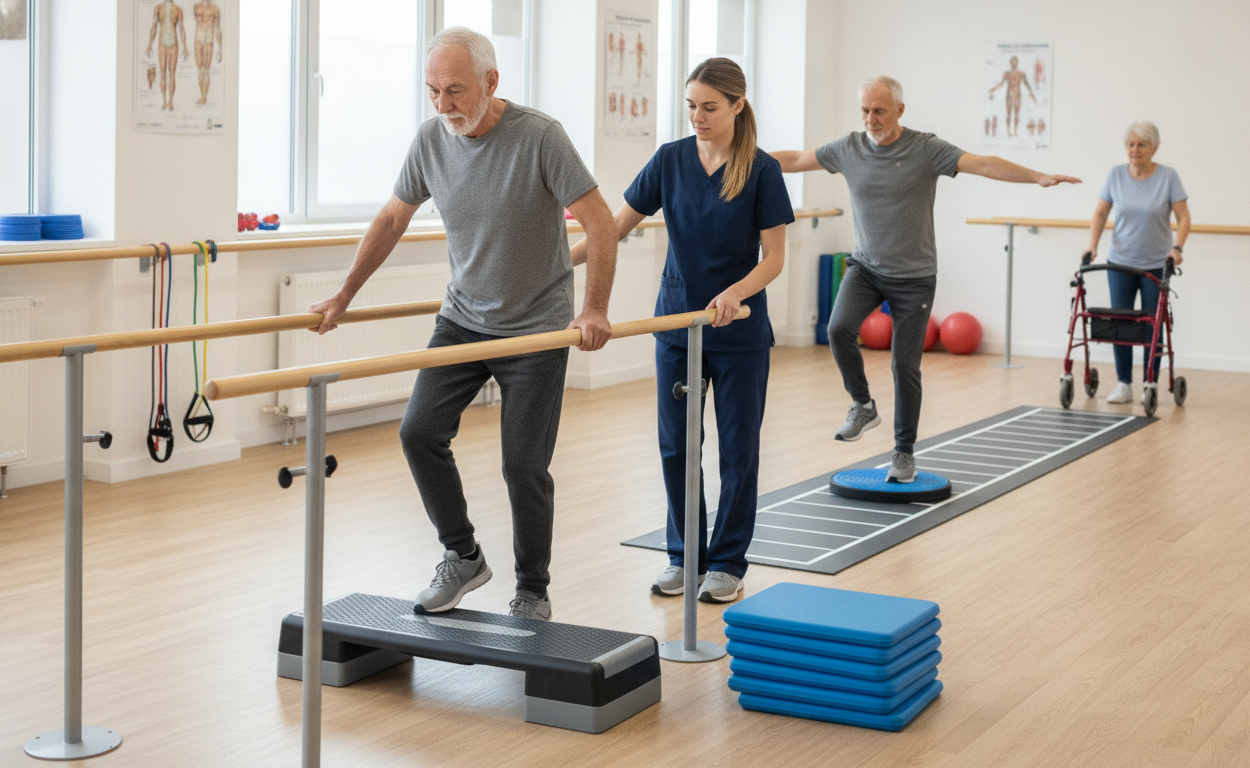
Specific exercises can help improve strength, balance, and mobility despite nerve-related symptoms.
Strengthening Exercises for Neuropathy
Neuropathy can make muscles weaker over time, especially when numbness or balance problems lead to reduced activity. Strengthening exercises help support the legs, hips, and core muscles that play a major role in walking and stability.
A physical therapist may recommend exercises such as:
- Sit-to-stand repetitions
- Step-ups
- Heel raises
- Straight leg raises
- Resistance band exercises
- Core strengthening movements
These exercises are designed to improve functional strength rather than simply building muscle. The goal is to make everyday activities easier and safer.
As strength improves, many patients notice greater confidence when walking, climbing stairs, and moving around their homes.
Balance Exercises for Neuropathy Patients
Balance training is one of the most important parts of neuropathy rehabilitation.
When the nerves in the feet cannot provide accurate information about the ground, the body must learn to rely more effectively on other systems to maintain stability.
Common balance exercises include:
- Standing with feet together
- Single-leg balance practice
- Heel-to-toe walking
- Weight-shifting drills
- Reaching exercises while standing
- Dynamic balance activities
These exercises are progressed gradually based on a person's ability and safety level.
Improved balance can help reduce fall risk and make daily movement feel less stressful.
Mobility and Walking Exercises
Walking often becomes more difficult when neuropathy affects sensation, coordination, and balance.
Physical therapists use mobility and gait-training exercises to improve movement quality and efficiency.
Examples may include:
- Walking drills
- Obstacle navigation practice
- Step-pattern training
- Direction-change exercises
- Endurance walking programs
These activities help patients develop safer and more consistent walking patterns.
The combination of strengthening, balance training, and mobility exercises often produces the greatest improvements. While neuropathy symptoms may not disappear completely, many people can improve their function, confidence, and ability to participate in everyday activities through a structured exercise program.
Neuropathy, Balance Problems, and Fall Prevention
Reducing fall risk is one of the most important goals of neuropathy rehabilitation.
Why Neuropathy Increases Fall Risk
Your feet constantly send information to your brain about the surface beneath you, your body position, and how you are moving. Neuropathy can interfere with these signals.
When sensation decreases, it becomes harder to detect uneven ground, changes in direction, or obstacles in your path.
Several factors contribute to increased fall risk:
- Reduced sensation in the feet
- Muscle weakness
- Slower reaction times
- Difficulty judging foot placement
- Balance deficits
- Changes in walking patterns
Many people with neuropathy begin taking shorter steps and moving more cautiously. While this may feel safer, it can sometimes create less efficient movement patterns that further affect stability.
Warning Signs Your Balance Is Being Affected
Balance problems often develop gradually. Recognizing the warning signs early can help prevent falls and injuries.
Common signs include:
- Feeling unsteady while walking
- Holding onto furniture for support
- Difficulty walking in dim lighting
- Trouble navigating curbs or stairs
- Frequent stumbling
- Increased fear of falling
- Avoiding activities because of balance concerns
Even if you have not experienced a fall, these signs may indicate that your balance system is being affected by neuropathy.
Strategies to Improve Safety and Stability
The good news is that balance can often be improved through targeted rehabilitation and smart safety habits.
Physical therapy programs frequently include:
- Balance retraining exercises
- Strengthening programs
- Walking and gait training
- Fall prevention education
- Functional movement practice
Simple home modifications may also improve safety:
- Remove loose rugs and tripping hazards
- Improve lighting throughout the home
- Install grab bars where appropriate
- Keep frequently used items within easy reach
- Wear supportive footwear
The goal is not simply to avoid falls. The goal is to help you move confidently and maintain your independence.
Addressing balance problems early can help you stay active, participate in daily activities, and reduce the likelihood of future injuries.
Advanced Neuropathy Treatment with the NEUBIE Device
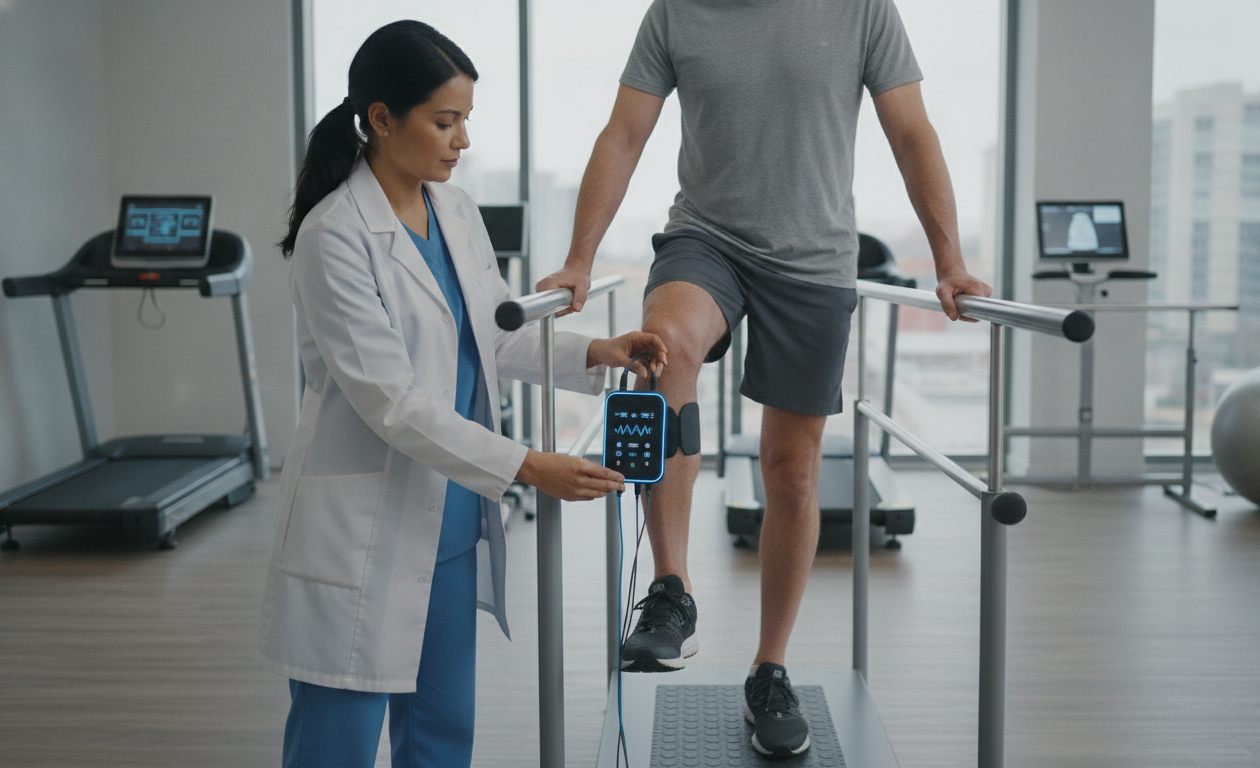
Modern rehabilitation technology may offer additional ways to support movement, nerve function, and recovery.
What Is the NEUBIE Machine?
The NEUBIE (Neuro-Bio-Electric Stimulator) is an FDA-cleared neuromuscular electrical stimulation device used in rehabilitation settings. Unlike traditional electrical stimulation devices, the NEUBIE uses direct current to help activate muscles and support movement-based therapy.
The device is designed to work alongside functional exercises rather than replace them. During treatment, patients perform guided movements while the device delivers stimulation to targeted areas.
Physical therapists may use the NEUBIE as part of a broader rehabilitation program focused on improving strength, mobility, and movement quality.
How the NEUBIE Device May Support Neuropathy Rehabilitation
Neuropathy can affect the communication between nerves and muscles. This disruption may contribute to weakness, balance problems, altered movement patterns, and reduced confidence while walking.
When appropriate, the NEUBIE may be incorporated into a treatment program to support:
- Neuromuscular re-education
- Movement training
- Muscle activation
- Functional exercise progression
- Balance and stability exercises
The device is typically used as part of an active therapy session where patients perform specific movements under the supervision of a physical therapist.
Because every neuropathy case is different, treatment plans should always be individualized based on symptoms, goals, and overall health.
NEUBIE Therapy Available at HWY Physical Therapy
At HWY Physical Therapy in Salem, Oregon, the NEUBIE device is available as part of comprehensive outpatient rehabilitation programs.
For appropriate patients, Dr. Raj may incorporate the NEUBIE into a personalized treatment plan designed to address:
- Balance deficits
- Walking difficulties
- Muscle weakness
- Functional mobility limitations
- Confidence with movement
The NEUBIE is not intended to be a standalone solution. It is one tool that can be combined with strength training, balance exercises, gait training, and functional movement practice to support rehabilitation goals.
Treatment recommendations are always based on an individual's needs, symptoms, and response to therapy.
Learning More About Neuromuscular Stimulation for Neuropathy
Interest in neuromuscular stimulation for neuropathy rehabilitation has grown in recent years as clinicians continue exploring ways to support movement and function.
For readers who would like to learn more about this approach, NEUFIT provides educational information about neuropathy and neuromuscular stimulation on their neuropathy resource page:
https://www.neu.fit/neuropathy/
This resource explains how neuromuscular stimulation is being used in rehabilitation settings and offers additional information about neuropathy-focused treatment approaches.
While technology can be a valuable addition to rehabilitation, the strongest results typically come from a comprehensive program that combines exercise, movement training, education, and individualized care.
Daily Activities That Become Easier When Neuropathy Improves
Small improvements in strength, balance, and sensation can make a meaningful difference in everyday life.
Walking Longer Distances with Confidence
Many people with neuropathy begin limiting how far they walk because of numbness, instability, or fear of falling.
As strength, balance, and walking mechanics improve, longer walks often become more manageable. Patients frequently report feeling more secure on different surfaces and less anxious about losing their balance.
Improved walking ability can help with:
- Neighborhood walks
- Visits with family and friends
- Community events
- Exercise routines
- Everyday errands
Even modest improvements in walking confidence can have a positive impact on overall quality of life.
Shopping and Community Activities
Shopping centers, grocery stores, and public spaces often present challenges for people with neuropathy. Long distances, crowded areas, and uneven surfaces can make mobility feel stressful.
When balance and endurance improve, many patients find it easier to:
- Shop independently
- Attend community events
- Visit local parks
- Participate in social activities
- Travel more comfortably
Being able to move confidently in public settings often helps people feel more connected to their community.
Household Tasks and Daily Responsibilities
Neuropathy can make routine household activities more difficult than many people expect.
Tasks such as:
- Carrying groceries
- Standing while preparing meals
- Doing laundry
- Cleaning
- Moving around the home safely
all require a combination of strength, balance, and coordination.
As these abilities improve through physical therapy, many people find daily responsibilities become less physically demanding and less frustrating.
Staying Active and Independent
One of the biggest goals of neuropathy rehabilitation is maintaining independence.
Improved mobility often allows people to continue participating in the activities that matter most to them. Whether that means gardening, exercising, attending social gatherings, or simply moving around the house with greater confidence, these gains can have a lasting effect on daily life.
Physical therapy is not just about improving symptoms. It is about helping people remain active, engaged, and independent for as long as possible.
Physical Therapy for Diabetic Neuropathy
Diabetic neuropathy is one of the most common forms of nerve damage treated in outpatient physical therapy.
How Diabetes Affects Nerve Function
Over time, high blood sugar levels can damage nerves throughout the body. This damage most often affects the feet and lower legs, which is why many people with diabetes first notice numbness, tingling, or burning sensations in their feet.
As nerve function declines, it can become harder to:
- Feel the ground beneath your feet
- Detect changes in surface height
- Maintain balance
- Walk with confidence
- React quickly to obstacles
These changes may develop gradually, making them easy to overlook in the early stages.
Rehabilitation Goals for Diabetic Neuropathy
Physical therapy focuses on improving function rather than simply managing symptoms.
Common rehabilitation goals include:
- Improving balance and stability
- Increasing lower-body strength
- Enhancing walking mechanics
- Reducing fall risk
- Maintaining independence
- Supporting long-term mobility
Treatment plans are tailored to each person's symptoms, fitness level, and daily activity goals.
A combination of strengthening exercises, balance training, gait retraining, and functional movement practice is often used to help patients move more safely and efficiently.
The Importance of Early Intervention
Many people wait until symptoms become severe before seeking treatment. Unfortunately, waiting can make mobility challenges more difficult to overcome.
Early intervention may help:
- Preserve mobility
- Improve walking confidence
- Reduce fall risk
- Maintain strength and endurance
- Support participation in daily activities
The sooner balance problems, weakness, or walking difficulties are addressed, the greater the opportunity to maintain independence.
While diabetic neuropathy cannot always be reversed, many people can improve their function and quality of life through consistent therapy, exercise, and proactive management.
When Should You Seek Treatment for Neuropathy?
Recognizing symptoms early can help you take steps to protect mobility and independence.
Signs That Should Not Be Ignored
Neuropathy symptoms often develop gradually, which makes them easy to dismiss at first. What starts as occasional numbness or tingling can eventually affect balance, walking, and daily activities.
Consider seeking treatment if you notice:
- Increasing numbness in your feet or legs
- Frequent tingling or burning sensations
- Difficulty maintaining balance
- Changes in the way you walk
- Muscle weakness
- Frequent stumbling
- Fear of falling
- Difficulty completing everyday tasks
These symptoms may indicate that neuropathy is beginning to affect your mobility and overall function.
Benefits of Starting Physical Therapy Early
Early intervention can help address mobility issues before they become more severe.
Starting treatment sooner may help you:
- Improve balance and stability
- Maintain muscle strength
- Reduce fall risk
- Improve walking confidence
- Stay active longer
- Preserve independence
Many people wait until symptoms significantly impact their lives before seeking help. Taking action earlier often provides more opportunities to maintain function and prevent further decline.
The goal is not simply to manage symptoms. The goal is to help you continue living the lifestyle you enjoy with greater confidence and safety.
Frequently Asked Questions About Neuropathy Physical Therapy
Get answers to some of the most common questions about neuropathy rehabilitation and treatment options.
Can Physical Therapy Help Neuropathy?
Yes. Physical therapy cannot always reverse nerve damage, but it can help improve how you function despite neuropathy symptoms.
Treatment often focuses on:
- Improving balance
- Increasing strength
- Enhancing walking ability
- Reducing fall risk
- Improving confidence during movement
Many patients notice meaningful improvements in mobility and daily activities after following a structured rehabilitation program.
Can Neuropathy Symptoms Improve?
The answer depends on the cause and severity of the neuropathy.
In some cases, symptoms may improve when the underlying cause is addressed. In other cases, the focus is on managing symptoms and improving function.
Even when numbness or tingling remains, many people can improve:
- Balance
- Walking ability
- Strength
- Endurance
- Overall quality of life
This is why early intervention is often recommended.
What Exercises Help Peripheral Neuropathy?
The most effective exercises usually target strength, balance, and mobility.
Examples include:
- Sit-to-stand exercises
- Heel raises
- Balance drills
- Walking programs
- Step-up exercises
- Core strengthening exercises
A physical therapist can help determine which exercises are most appropriate based on your symptoms and abilities.
Does Neuropathy Increase Fall Risk?
Yes. Neuropathy can reduce sensation in the feet, making it harder to detect changes in terrain and maintain balance.
Fall risk may increase when neuropathy causes:
- Numbness
- Weakness
- Poor coordination
- Altered walking patterns
- Reduced confidence while moving
Balance training and gait retraining are often important parts of treatment.
What Is the NEUBIE Machine?
The NEUBIE is an FDA-cleared neuromuscular electrical stimulation device used in some rehabilitation settings.
It combines electrical stimulation with guided movement and exercise. At HWY Physical Therapy, the NEUBIE machine is available as part of individualized treatment plans when appropriate.
Its role is to complement a comprehensive therapy program that may also include strengthening, balance training, gait retraining, and functional movement exercises.
Can Physical Therapy Reduce Numbness and Tingling?
Results vary from person to person.
Some patients report improvements in symptoms, while others notice the biggest benefits in balance, strength, walking ability, and overall function.
Physical therapy focuses on helping people move more safely and confidently while maximizing their physical abilities.
Even when symptoms persist, improvements in mobility and independence can have a significant impact on daily life.
Neuropathy Treatment in Salem, Oregon
Local residents can benefit from personalized care focused on improving mobility, balance, and confidence.
Common Neuropathy Challenges Seen in Salem Adults and Seniors
Neuropathy can affect people in different ways, but many adults and seniors in Salem experience similar challenges.
Common concerns include:
- Numbness in the feet
- Tingling or burning sensations
- Difficulty walking safely
- Poor balance
- Increased fear of falling
- Reduced participation in daily activities
- Loss of confidence during movement
These symptoms can gradually make it harder to enjoy hobbies, stay active, and maintain independence.
Many people assume they simply need to live with these changes. In reality, targeted rehabilitation can often help improve function and quality of life.
Personalized Outpatient Physical Therapy Programs
Successful neuropathy treatment starts with understanding how symptoms affect each individual.
At HWY Physical Therapy, treatment plans are built around the patient's goals, abilities, and challenges. No two rehabilitation programs are exactly alike.
A personalized program may include:
- Strength training
- Balance retraining
- Gait training
- Mobility exercises
- Fall prevention strategies
- Functional movement practice
For appropriate patients, advanced rehabilitation technologies such as the NEUBIE device may also be incorporated into treatment to support movement training and neuromuscular re-education.
The goal is to improve function while helping patients feel more confident in their daily activities.
Supporting Long-Term Mobility and Independence
Mobility plays a major role in maintaining independence as we age.
Whether your goal is walking more confidently, participating in community activities, traveling, exercising, or simply moving around your home more safely, physical therapy can help create a plan that supports those goals.
At HWY Physical Therapy, Dr. Raj works with adults and seniors throughout Salem to improve balance, mobility, and overall function through individualized care plans designed around each patient's unique needs.
Topics to Read Further
- Understanding Peripheral Neuropathy: Causes, Symptoms, and Treatment Options
- Balance Training Exercises That Help Prevent Falls
- How Neuromuscular Electrical Stimulation Is Used in Modern Rehabilitation
Contact HWY PT for Expert Advice and Support
Living with neuropathy can make walking, balancing, and daily activities more challenging, but you do not have to face those challenges alone.
If numbness, tingling, weakness, or balance problems are affecting your quality of life, a personalized rehabilitation program may help you move more safely and confidently.
HWY Physical Therapy
Center 50+ Building
2615 Portland Rd NE
Salem, OR 97301
Phone: 971-202-1979
Dr. Raj works with adults and seniors to improve strength, balance, mobility, and independence through individualized outpatient physical therapy programs. For appropriate patients, advanced rehabilitation tools such as the NEUBIE machine may be incorporated into treatment plans alongside exercise, gait training, and balance rehabilitation.
Whether your goal is walking with greater confidence, reducing fall risk, or staying active in the Salem community, the right treatment plan can help you move toward a safer and more independent future.
.png)