Loss of sensation in feet? Learn causes, treatments, and neuropathy solutions. Get expert care at HWY Physical Therapy Clinic in Salem.
Loss of sensation in your feet can feel strange at first. It may start as mild tingling or numbness, but over time it can affect how you walk and move.
Many people ignore these early signs. They assume it’s temporary or not serious.
The reality is different. Loss of feeling in the feet often points to nerve or circulation issues that need attention.
When sensation decreases, your body loses an important feedback system. Your feet help your brain understand balance, pressure, and movement.
Without that feedback, simple activities become harder. Walking may feel unstable, and the risk of falls increases.
The good news is that this condition can often be managed and improved. The right combination of exercises, lifestyle changes, and therapy can help restore function.
In this guide, you’ll learn:
- What causes loss of sensation in the feet
- Simple tests you can do at home
- Practical ways to improve nerve health
- Advanced treatment options, including modern therapies
If you’re in Salem, Oregon, you’ll also discover how specialized physical therapy can help you recover faster and move with confidence again.
Let’s begin by understanding what this condition really means and why it matters.
What Does Loss of Sensation in Feet Mean
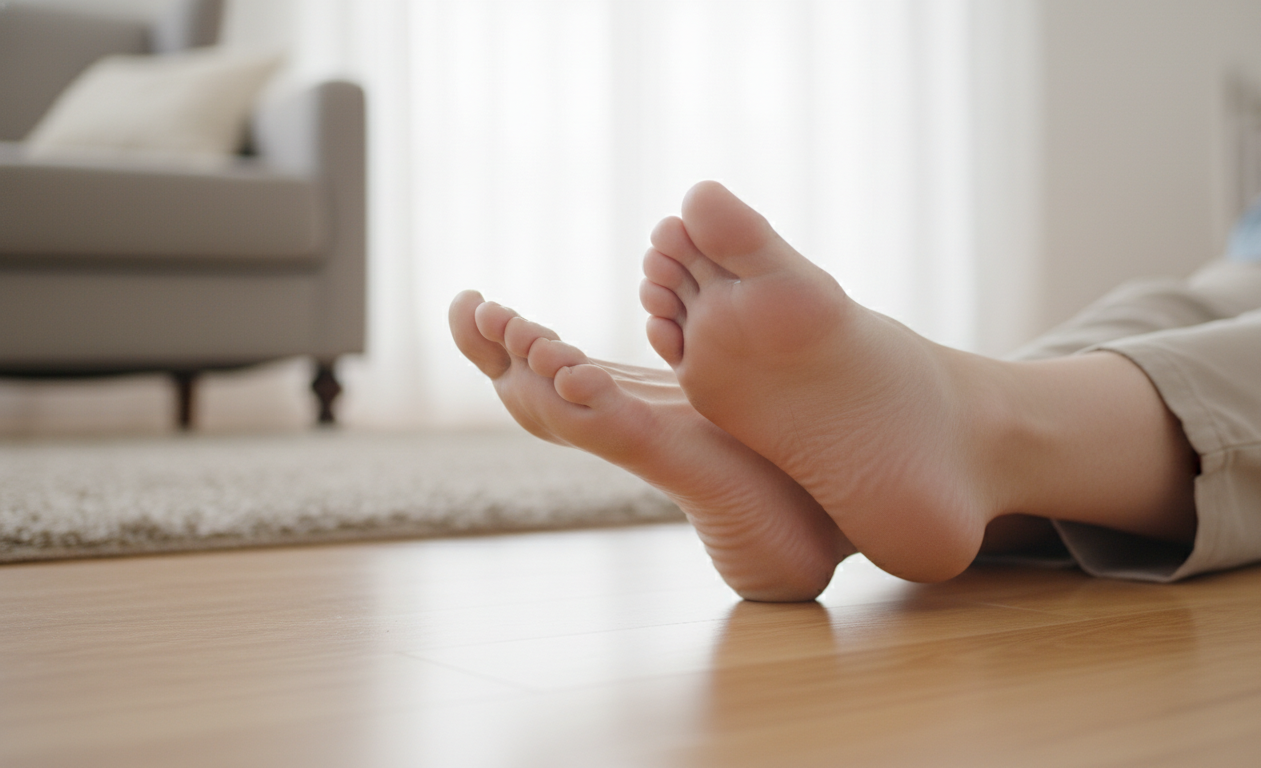
Loss of sensation in the feet means your nerves are not sending signals properly. This can reduce your ability to feel touch, temperature, or pressure.
It may feel like numbness, tingling, or a “pins and needles” sensation. In some cases, your feet may feel completely dull or disconnected.
Common Symptoms of Numb Feet
The symptoms can vary from mild to severe. Some people notice it occasionally, while others feel it constantly.
Common signs include:
- Tingling or burning sensations
- Reduced ability to feel touch
- Difficulty sensing hot or cold
- Feeling like you’re walking on a cushion or soft surface
These symptoms often start gradually. Over time, they can become more noticeable and affect daily movement.
Why Early Signs Matter
Early symptoms are easy to ignore. Many people wait until the numbness starts affecting their balance or walking.
That delay can make the condition harder to manage. Nerve-related issues tend to progress if left untreated.
Loss of sensation also increases the risk of unnoticed injuries. You may not feel cuts, pressure, or irritation in your feet.
Addressing the problem early gives you a better chance of improvement. It also helps prevent complications like falls or long-term nerve damage.
The sooner you act, the easier it is to regain control and protect your mobility.
Simple At-Home Sensation Test for Your Feet
You don’t need special equipment to check sensation in your feet. These simple tests can help you understand if your nerve response is normal.
Make sure you’re seated in a safe and comfortable position. If anything feels painful or unusual, stop immediately.
Light Touch Test
Use your fingers or a soft object like a cotton ball. Gently touch different areas of your foot, including the toes, sole, and heel.
Try this on both feet and compare how each side feels. Pay attention to whether the sensation is equal.
Signs to watch for:
- One foot feels less sensitive than the other
- You barely notice the touch
- Delayed response to touch
These may indicate reduced nerve function.
Temperature Awareness Test
Use two objects, one slightly warm and one cool. Carefully touch your foot with each and see if you can tell the difference.
Do not use extreme temperatures. Keep it safe and mild.
Notice if:
- You can clearly feel warm vs cool
- One foot responds differently
- Sensation feels dull or unclear
Difficulty detecting temperature can be an early sign of nerve issues.
When Your Results May Be a Concern
Small differences may not be serious. Clear or consistent changes should not be ignored.
Be cautious if you notice:
- Uneven sensation between feet
- Very weak or no response
- Slow reaction to touch or temperature
These signs suggest it’s time to take action. Early steps can help prevent the condition from getting worse.
What Causes Loss of Sensation in Feet
Loss of sensation in the feet usually comes from nerve or circulation problems. In most cases, it develops gradually and gets worse if the root cause is not addressed.
Understanding the cause helps you choose the right treatment.
Peripheral Neuropathy and Nerve Damage
Peripheral neuropathy is one of the most common reasons for numb feet. It happens when the nerves that carry signals between your feet and brain are damaged.
When these nerves don’t work properly, sensation becomes dull or distorted. You may feel tingling, burning, or complete numbness.
Common causes of nerve damage include:
- Long-term pressure on nerves
- Injuries
- Chronic health conditions
As nerve damage progresses, your ability to feel and respond to movement decreases.
Diabetes and Circulation Issues
Diabetes is a leading cause of nerve damage in the feet. High blood sugar levels over time can harm the nerves and reduce sensation.
Poor circulation can also contribute to numbness. When blood flow is limited, nerves don’t get enough oxygen and nutrients.
Signs of circulation-related issues include:
- Cold feet
- Slow healing wounds
- Cramping while walking
Both nerve damage and circulation problems often occur together, making symptoms more noticeable.
Vitamin Deficiencies and Other Causes
Certain vitamin deficiencies can affect nerve health. Vitamin B12 is especially important for proper nerve function.
Low levels can lead to:
- Tingling or numbness
- Weakness
- Balance problems
Other possible causes include medications, alcohol use, and underlying medical conditions.
The key is to identify what’s triggering your symptoms. Once you know the cause, it becomes much easier to take the right steps toward improvement.
How Loss of Sensation in Feet Affects Balance and Daily Life

Your feet play a key role in keeping you balanced. They constantly send signals to your brain about pressure, position, and movement.
When sensation is reduced, that communication weakens. This makes even simple movements feel less stable.
Connection Between Sensation and Balance
Every step you take depends on feedback from your feet. This feedback helps your body adjust and stay upright.
When sensation is lost:
- You can’t feel the ground properly
- Your brain gets delayed or unclear signals
- Your body reacts slower to changes in position
This can make walking feel uncertain or uneven. You may notice yourself moving more cautiously or looking down while walking.
Increased Risk of Falls in Seniors
Loss of sensation increases the risk of tripping or losing balance. Small obstacles become harder to detect.
Common challenges include:
- Difficulty walking on uneven surfaces
- Trouble maintaining balance in low light
- Slower reaction if you stumble
This can lead to a fear of falling. Over time, that fear may cause you to limit movement, which further weakens strength and balance.
Numbness doesn’t just affect comfort. It directly impacts your safety and independence.
Improving sensation and strength together is key. Addressing the problem early helps you stay active and confident in your daily life.
How to Treat Loss of Sensation in Feet Naturally and Safely

Improving sensation in your feet starts with simple, consistent actions. The goal is to support nerve health, improve circulation, and keep your feet active.
These steps are safe to begin at home and can make a real difference over time.
Exercises to Improve Circulation in Feet
Movement helps increase blood flow and keeps nerves active. Even small exercises can stimulate sensation.
Try these daily:
- Ankle pumps
Sit or lie down and move your feet up and down slowly. This improves circulation in the lower legs and feet. - Toe curls
Curl your toes inward and then stretch them out. This helps activate small muscles and nerves in the feet. - Walking routines
Short walks, even for 5–10 minutes, can boost circulation. Walk on safe, even surfaces and wear supportive shoes.
Keep movements slow and controlled. Consistency matters more than intensity.
Lifestyle Changes That Support Nerve Health
Your daily habits have a big impact on nerve function. Small adjustments can support recovery.
Focus on:
- Keeping blood sugar levels stable if you have diabetes
- Eating foods rich in vitamin B12 and other nutrients
- Staying hydrated to support circulation
Avoid long periods of sitting without movement. Regular activity helps keep your nerves responsive.
Foot Care Tips for Numb Feet
When sensation is reduced, it’s easier to miss injuries. Proper foot care helps prevent complications.
Make it a habit to:
- Check your feet daily for cuts, redness, or swelling
- Wear well-fitting, supportive shoes
- Avoid walking barefoot, especially on hard or uneven surfaces
Taking care of your feet protects them while you work on improving sensation.
These natural steps are a strong starting point. If symptoms continue, adding targeted therapy can help you progress further.
Can You Regain Sensation in Your Feet
In many cases, yes, you can improve sensation in your feet. The outcome depends on the cause and how early you take action.
Nerves have the ability to recover, but they need the right environment and consistent support.
When Nerve Damage Can Improve
Mild to moderate nerve issues often respond well to treatment. If the damage is not severe, nerves can start functioning better over time.
Improvement is more likely when:
- The cause is identified early
- Blood flow is improved
- Nerves are regularly stimulated through movement or therapy
Even if full sensation doesn’t return, partial improvement can still make a big difference in balance and comfort.
How Long Recovery May Take
Nerve recovery is usually slow. It can take weeks or even months to notice steady progress.
Some people begin to feel changes like:
- Reduced tingling
- Slight return of sensation
- Better control while walking
Progress may feel gradual, but consistency is key. Regular exercise, proper care, and the right therapy approach can speed things up.
The important thing is not to wait too long. Early action gives your nerves the best chance to recover and function better.
Advanced Treatments for Neuropathy and Numb Feet

If home remedies are not enough, advanced treatments can help improve nerve function more effectively. These approaches focus on stimulating nerves and improving how your body responds to movement.
They are often used when symptoms persist or start affecting daily life.
Electrical Stimulation Therapy for Nerve Recovery
Electrical stimulation is a technique used to activate nerves and muscles. It sends gentle signals to areas that are not responding well.
This can help:
- Improve communication between nerves and muscles
- Increase blood flow to affected areas
- Support better movement and control
Over time, this type of therapy can help “wake up” underactive nerves. It is often used as part of a structured rehabilitation plan.
Neubie Therapy for Neuropathy Treatment
The Neubie is a newer form of electrical stimulation used in physical therapy. It works differently from traditional methods by targeting the nervous system more directly.
This allows for:
- More precise activation of weak or damaged areas
- Faster feedback to the brain
- Improved muscle and nerve coordination
Many patients find this approach more effective because it focuses on restoring proper movement patterns, not just muscle strength.
Evidence-Based Neuropathy Solutions
There is growing interest in advanced therapies that combine technology with rehabilitation. These approaches aim to improve nerve function in a more targeted way.
For a deeper look at modern neuropathy treatments, you can explore innovative methods like those explained here:
https://www.neu.fit/neuropathy/
These treatments are most effective when combined with exercise and proper care. A guided approach ensures you get the best results safely.
Common Mistakes People Make with Numb Feet
When dealing with numbness or loss of sensation, small mistakes can make the problem worse over time. Avoiding these can help protect your nerves and improve recovery.
Ignoring Early Symptoms
Many people dismiss mild tingling or numbness. They wait until it starts affecting walking or balance.
This delay can allow nerve damage to progress. Early action gives you a better chance of improvement.
Walking Without Proper Support
Wearing loose or unsupportive footwear increases your risk of injury. With reduced sensation, it’s harder to feel uneven surfaces.
This can lead to:
- Trips and falls
- Pressure points or sores
- Strain on joints
Supportive shoes help protect your feet and improve stability.
Relying Only on Medication
Medication may reduce symptoms, but it doesn’t address the root cause. Without movement and therapy, nerve function may not improve.
A complete approach works better:
- Exercise to stimulate nerves
- Proper foot care
- Targeted therapy
Ignoring these steps can slow recovery.
Small changes in daily habits can make a big difference. Protecting your feet and staying active helps prevent further damage.
Physical Therapy for Loss of Sensation in Feet in Salem, Oregon
If numbness in your feet is not improving, physical therapy can help you move in the right direction. A structured approach focuses on restoring nerve function, improving balance, and reducing fall risk.
This is especially important when sensation loss starts affecting daily life.
How Physical Therapy Helps Restore Sensation
Physical therapy begins with understanding your specific condition. This includes checking strength, balance, and how your nerves are responding.
Your plan may include:
- Targeted exercises to stimulate nerves
- Balance training to improve stability
- Gait training to help you walk safely
These methods help your brain reconnect with your feet. Over time, this can improve both sensation and movement.
Neubie Machine Available at HWY Physical Therapy
At HWY Physical Therapy, advanced tools like the Neubie machine are available. This technology focuses on activating the nervous system in a more direct and controlled way.
It can help:
- Stimulate weak or damaged nerves
- Improve muscle activation
- Enhance coordination and control
This approach is useful when traditional exercises are not enough on their own.
Why Choose Dr Raj at HWY Physical Therapy
Dr Raj provides one-on-one care tailored to your needs. The focus is on helping you regain function safely and steadily.
The clinic is located at Center 50+, Salem City Building, making it accessible for seniors in the community.
If you want a guided and effective way to improve sensation and balance, working with a professional can make a real difference.
When to Seek Help for Numbness in Feet
Not all numbness needs urgent care, but some signs should not be ignored. Knowing when to seek help can prevent serious complications.
Warning Signs You Should Not Ignore
Some symptoms may point to more serious nerve or circulation problems. Getting help early can make treatment more effective.
Watch for:
- Sudden loss of sensation in one or both feet
- Weakness or difficulty moving your foot
- Sharp pain along with numbness
- Loss of balance or frequent falls
These signs may indicate worsening nerve damage or another underlying issue.
When Home Remedies Are Not Enough
Simple exercises and lifestyle changes can help in early stages. If symptoms don’t improve, it’s time to take the next step.
Seek professional help if:
- Numbness continues for several weeks
- Symptoms are getting worse instead of better
- You notice reduced ability to walk or stand steadily
Delaying care can make recovery more difficult. A proper evaluation helps identify the cause and guide the right treatment plan.
Taking action at the right time can protect your mobility and prevent long-term complications.
Tips to Prevent Further Nerve Damage in Feet
Once you start noticing numbness, protecting your nerves becomes very important. Small daily habits can slow down or even prevent further damage.
Consistency matters more than doing everything perfectly.
Stay Active and Improve Circulation
Movement helps keep your nerves and blood flow healthy. Sitting for long periods can make symptoms worse.
Try to:
- Walk daily, even for short distances
- Move your feet and ankles regularly
- Avoid staying in one position for too long
Regular movement keeps your nerves active and responsive.
Manage Chronic Conditions
Conditions like diabetes and high blood pressure can affect nerve health. Keeping them under control is key.
Focus on:
- Maintaining stable blood sugar levels
- Following your treatment plan
- Regular health check-ups
Better control of these conditions helps protect your nerves over time.
Protect Your Feet Daily
Reduced sensation means you may not notice injuries right away. Taking care of your feet can prevent serious problems.
Make it a habit to:
- Wear well-fitting, supportive shoes
- Avoid walking barefoot
- Check your feet daily for cuts, redness, or swelling
Simple precautions can go a long way in preventing complications.
Protecting your feet and staying active helps maintain your mobility. Over time, these habits support better nerve health and overall function.
Topics to Read Further
- Best exercises for peripheral neuropathy in feet
- How to improve circulation in feet naturally
- Early signs of nerve damage you should not ignore
Contact HWY PT for Expert Advice and Support
If you’re dealing with numbness or loss of sensation in your feet, getting the right help early can make a big difference. A guided approach can improve your balance, movement, and overall confidence.
At HWY Physical Therapy, Dr Raj works closely with you to understand the cause of your symptoms and create a plan that fits your needs. You also have access to advanced options like the Neubie machine, which helps stimulate nerves and improve function more effectively.
Visit: Center 50+, Salem City Building, 2615 Portland Rd NE, Salem, OR
Call: 971-202-1979
Take the first step toward improving sensation and moving with confidence again.
.png)