Losing strength in your legs as you age? Learn causes, exercises, and fall prevention tips from HWY Physical Therapy Clinic in Salem, Oregon.
Have you noticed that getting out of a chair takes more effort than it used to? Maybe climbing stairs leaves your legs feeling tired, or you feel less steady when walking around the neighborhood. These changes can be frustrating, especially if you've always been active and independent.
The good news is that losing some leg strength with age is common, but it doesn't mean you have to accept ongoing weakness. In many cases, older adults can improve their strength, balance, and mobility with the right combination of exercise, nutrition, and daily habits.
One of the biggest reasons for weaker legs is age-related muscle loss, often called sarcopenia. Starting around age 30, adults gradually lose muscle mass. The process tends to speed up after age 60, especially when physical activity levels decline. The muscles in the legs are often affected first because they play such a large role in standing, walking, climbing stairs, and maintaining balance.
Leg weakness can do more than make daily activities harder. It can increase the risk of falls, reduce confidence, and make people avoid activities they once enjoyed. Many older adults begin limiting outings, exercise, or social events because they worry about their stability.
The encouraging part is that the body can still respond to strength training and movement well into later life. Even small improvements in leg strength can make everyday tasks feel easier and help you stay independent for longer.
In this guide, you'll learn why leg strength declines with age, what warning signs to watch for, and practical steps you can take to build stronger legs, improve balance, and continue doing the activities that matter most.
Losing Strength in Your Legs as You Age: Is It Normal?
Many people assume weaker legs are simply part of getting older. While some loss of muscle strength is expected with age, significant weakness is not something you should ignore.
Understanding the difference can help you take action before mobility becomes a bigger challenge.
How Aging Affects Muscle Mass and Strength
As we age, the body naturally loses muscle mass and muscle fibers. This process, known as sarcopenia, often begins gradually and becomes more noticeable after age 60.
Muscles also become less efficient at producing force. As a result, activities that once felt easy may require more effort.
Walking long distances, climbing stairs, carrying groceries, or standing for extended periods may become harder than they were years ago.
What Changes Are Considered Normal?
Some age-related changes are expected, including:
- Slightly reduced muscle strength
- Slower recovery after physical activity
- Decreased endurance
- Mild reductions in balance and coordination
These changes usually happen gradually over many years. Most people can continue living active, independent lives when they stay physically active and maintain healthy habits.
When Leg Weakness Is Not Normal?
Leg weakness deserves attention when it starts affecting daily activities or progresses quickly.
Warning signs include:
- Difficulty standing up from a chair
- Trouble climbing stairs
- Frequent stumbling or near-falls
- Sudden loss of strength
- Needing support while walking
- Rapid declines in mobility
These symptoms may indicate more than normal aging. They can be linked to muscle loss, nerve problems, joint conditions, balance disorders, or other health concerns.
The earlier you address leg weakness, the easier it is to improve strength and maintain independence. Waiting until mobility becomes severely limited often makes recovery more challenging.
What Causes Leg Weakness in Older Adults?

Leg weakness can happen for several reasons. In many cases, it's not caused by just one issue. A combination of aging, reduced activity, nutrition, and underlying health conditions often contributes to declining strength.
Understanding the cause is important because the right solution depends on what's driving the weakness.
Age-Related Muscle Loss (Sarcopenia)
One of the most common causes of weak legs in older adults is sarcopenia. This is the gradual loss of muscle mass and strength that occurs with age.
The body naturally becomes less efficient at building and maintaining muscle over time. If muscles aren't challenged regularly through movement and exercise, the loss can happen faster.
The muscles in the thighs, hips, and calves are often affected first. These muscles are responsible for standing, walking, climbing stairs, and maintaining balance. As they weaken, everyday activities start to feel more difficult.
Physical Inactivity and Sedentary Habits
Many adults become less active as they get older. Retirement, chronic pain, busy schedules, or fear of falling can lead to spending more time sitting.
The problem is that muscles respond quickly to inactivity. Even a few weeks of reduced movement can lead to noticeable strength loss.
This creates a cycle. Weakness makes movement harder, which leads to less activity, causing even more weakness over time.
Regular movement helps break this cycle and keeps muscles working the way they should.
Medical Conditions That Can Affect Leg Strength
Certain health conditions can contribute to weak legs.
Arthritis may make movement painful, causing people to avoid activity. Nerve-related conditions can affect how muscles receive signals from the brain. Circulation problems may reduce blood flow to the legs, leading to fatigue and reduced endurance.
In some cases, medication side effects, diabetes, or neurological conditions may also play a role.
Poor Nutrition and Protein Deficiency
Muscles need the right nutrients to stay strong. Many older adults do not consume enough protein to support muscle maintenance and repair.
Without adequate protein, the body has a harder time preserving muscle mass. Low vitamin D levels and poor overall nutrition can also affect strength, balance, and energy levels.
When strength training is combined with proper nutrition, older adults often see much better results than exercise alone.
Why Your Legs Feel Heavy, Tired, or Shaky as You Get Older
Many older adults describe their legs as feeling heavy, tired, or shaky, especially after walking, standing for long periods, or getting up from a chair. These sensations can be frustrating and may leave you wondering if something is wrong.
In many cases, these symptoms are linked to changes in muscle strength, balance, and overall physical conditioning.
Common Reasons for Heavy Legs
Weak muscles have to work harder to perform everyday tasks. When the muscles in your thighs, hips, and calves lose strength, activities such as walking or climbing stairs can feel more demanding.
Reduced activity levels can make the problem worse. Muscles become less efficient when they aren't used regularly, which can create a feeling of heaviness or fatigue during movement.
Circulation changes may also contribute to tired or heavy legs. Poor blood flow can reduce the amount of oxygen reaching the muscles, making them feel sluggish during activity.
Why Legs May Feel Shaky
Shaky legs are often a sign that muscles are working near their limit. This can happen when standing for long periods, climbing stairs, or performing movements that require strength and balance.
In some cases, shaky legs develop because the muscles have become deconditioned from inactivity. The body may also struggle to maintain stability if balance and coordination have declined over time.
When These Symptoms Need Evaluation
Occasional fatigue after a busy day is usually not a cause for concern. However, symptoms that appear suddenly, worsen quickly, or interfere with daily activities deserve attention.
If your legs frequently feel weak, shaky, or unsteady, it may be time to identify the underlying cause and take steps to improve your strength and mobility before the problem progresses.
Warning Signs Your Weak Legs Should Not Be Ignored
Leg weakness often develops gradually, making it easy to dismiss as a normal part of aging. The problem is that small changes in strength can eventually affect your mobility, balance, and independence.
Recognizing the warning signs early gives you a better chance to address the problem before it leads to falls or significant limitations.
Difficulty Standing Up From a Chair
One of the earliest signs of lower-body weakness is struggling to stand up from a chair.
The movement requires strength from the thighs, hips, and core muscles. When these muscles become weaker, getting up can feel noticeably harder than it used to.
You may find yourself rocking back and forth to gain momentum or needing multiple attempts before standing fully upright.
Using Your Arms to Push Yourself Up From a Chair
Many people don't realize this is a warning sign because it often develops slowly.
If you routinely push off the armrests, grab nearby furniture, or use your hands on your thighs to stand up, your legs may not be generating enough strength on their own.
Occasionally using your arms isn't unusual. Relying on them every time may indicate declining lower-body strength.
Trouble Climbing Stairs
Stair climbing places greater demands on the legs than walking on flat ground.
If you find yourself pulling on railings, taking stairs one step at a time, or avoiding stairs altogether, it may be a sign that your leg muscles need attention.
Feeling Unsteady While Walking
Weak legs can make it harder to maintain balance during everyday activities.
You may notice yourself walking more slowly, taking shorter steps, or looking for something to hold onto when moving around unfamiliar places.
These changes often increase the risk of falls.
Frequent Near-Falls or Falls
Many older adults brush off a stumble or near-fall as bad luck. In reality, these incidents are often early warnings that strength, balance, or coordination have declined.
Even if you haven't experienced a serious fall, repeated near-falls should be taken seriously. They may signal that your body is struggling to react quickly enough to maintain stability.
Paying attention to these warning signs now can help you stay active, confident, and independent in the years ahead.
How to Regain Leg Strength After 60
Many people believe that once leg strength is lost, there's no way to get it back. That's simply not true.
The body continues to respond to exercise and physical activity well into later life. Studies have shown that adults in their 60s, 70s, and even 80s can improve muscle strength, balance, and mobility when they follow a consistent exercise program.
Why Strength Can Improve at Any Age
Muscles adapt when they are challenged. When you perform strength-building exercises, your muscles receive a signal to become stronger and more efficient.
The process may take a little longer than it did when you were younger, but improvement is still possible. Many older adults are surprised by how much stronger and more confident they feel after just a few weeks of regular activity.
The key is to focus on progress rather than perfection.
The Importance of Consistency
One workout won't change much, but small efforts repeated over time can produce impressive results.
A short walk every day, a few strength exercises several times a week, and regular balance practice can gradually rebuild strength and endurance.
Consistency matters far more than intensity. It's better to exercise regularly at a manageable level than to push too hard and stop altogether.
Creating a Safe Strength-Building Plan
The safest approach is to start where you are and increase activity gradually.
Focus on exercises that mimic everyday movements, such as standing up from a chair, climbing steps, and maintaining balance while walking. As your strength improves, you can slowly add more repetitions or resistance.
If you have existing health conditions, balance concerns, or significant weakness, a personalized plan can help you progress safely and avoid setbacks.
The sooner you start, the sooner you'll begin rebuilding the strength needed to stay active, independent, and confident in your daily life.
Best Exercises for Weak Legs in Older Adults

Exercise is one of the most effective ways to rebuild leg strength as you age. The goal isn't to become a bodybuilder. It's to make everyday activities easier, improve balance, and reduce the risk of falls.
Start with exercises that match your current ability level. Focus on proper form and controlled movements rather than speed.
Sit-to-Stand Exercises
This exercise strengthens the muscles used to get out of a chair, climb stairs, and walk with confidence.
Sit in a sturdy chair with your feet flat on the floor. Lean forward slightly and stand up without using your hands if possible. Slowly lower yourself back down and repeat.
Start with 5 to 10 repetitions and increase gradually as your strength improves.
Supported Squats
Squats help strengthen the thighs, hips, and glutes, which are some of the most important muscles for mobility.
Stand behind a countertop or sturdy chair for support. Bend your knees slightly as if you're about to sit down, then return to a standing position.
You don't need to squat deeply. Even small movements can help build strength when performed consistently.
Step-Ups for Stair Confidence
Step-ups mimic the movement of climbing stairs and help improve both strength and coordination.
Using a low step, place one foot on the step and push through that leg to lift yourself up. Step back down slowly and repeat before switching sides.
This exercise can make everyday stair climbing feel easier over time.
Heel Raises and Calf Strengthening
Strong calf muscles play an important role in walking, balance, and stability.
Stand near a wall or countertop for support. Slowly rise onto your toes, hold for a second, and lower your heels back to the floor.
Perform the movement slowly to challenge both strength and balance.
Resistance Band Leg Exercises
Resistance bands provide a safe way to add strength training without heavy weights.
Simple exercises such as seated leg extensions, side leg raises, and standing leg presses can help strengthen key muscle groups throughout the lower body.
As the exercises become easier, you can increase the resistance gradually.
Tips for Success
Try to perform strength exercises two to three times per week. Allow your muscles time to recover between sessions.
Don't worry about doing everything perfectly. Consistent effort over time is what produces results. A few simple exercises performed regularly can make a noticeable difference in how you walk, move, and feel each day.
How Balance Training Helps Prevent Falls and Improves Mobility
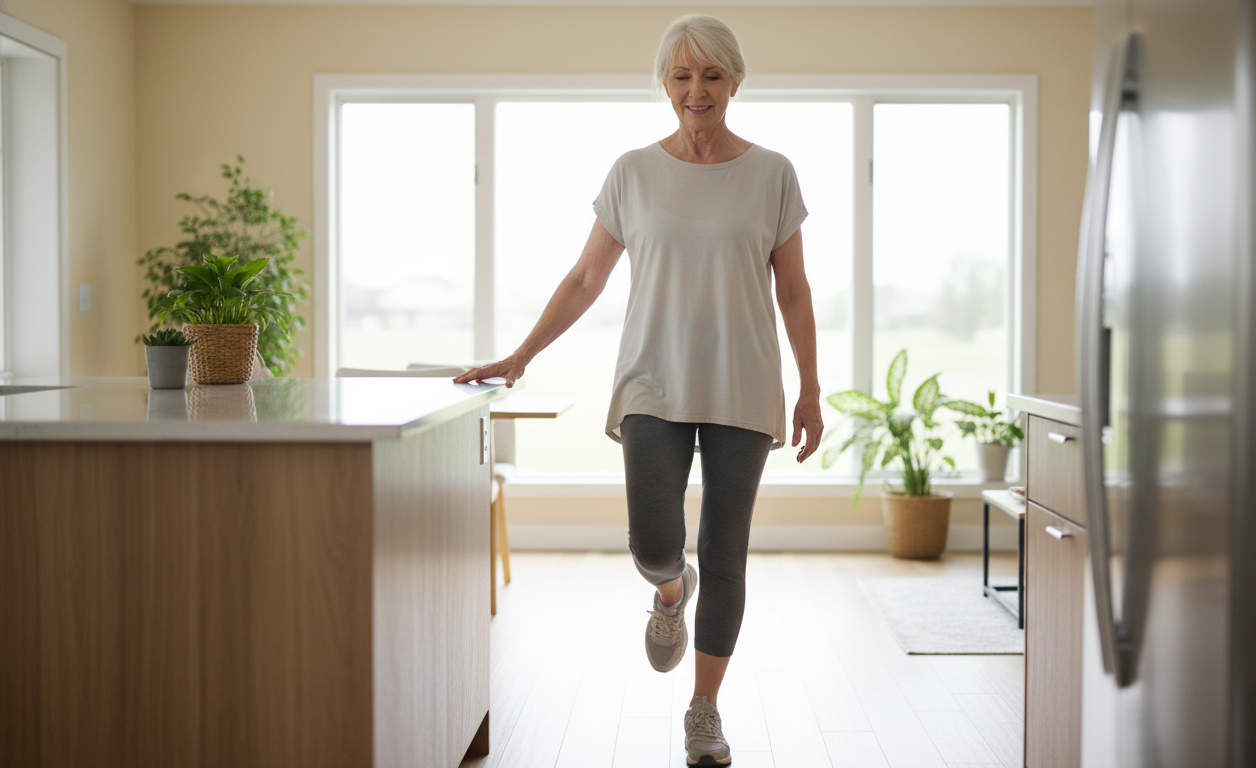
Strong legs are important, but strength alone isn't enough. Balance plays a major role in helping you move safely and confidently throughout the day.
As people age, changes in muscle strength, vision, reaction time, and coordination can affect balance. This is one reason falls become more common in older adults.
The good news is that balance can improve with practice, just like strength.
Why Balance Declines With Age
Your body relies on several systems working together to keep you steady. These include your muscles, joints, vision, and inner ear.
When one or more of these systems becomes less effective, maintaining balance becomes more challenging. You may notice yourself feeling less stable when turning quickly, walking on uneven surfaces, or getting up after sitting for a long time.
Weak leg muscles can make these balance issues even more noticeable.
Simple Balance Exercises for Seniors
Balance exercises don't have to be complicated.
Standing on one foot while holding a countertop can help improve stability. Walking heel-to-toe in a straight line is another simple exercise that challenges balance and coordination.
You can also practice shifting your weight from one leg to the other while standing. These small movements help train your body to react more effectively when you lose your balance.
Always perform balance exercises near a sturdy surface for safety.
Reducing Fall Risk at Home
Balance training works best when combined with a safer home environment.
Keep walkways clear of clutter, secure loose rugs, and make sure frequently used areas are well lit. Wearing supportive shoes can also improve stability and reduce the risk of slipping.
Better balance doesn't just lower your fall risk. It can also help you feel more confident when walking, exercising, shopping, or participating in activities you enjoy.
Nutrition Tips to Support Muscle Strength and Healthy Aging
Exercise is essential for building stronger legs, but your muscles also need the right nutrients to repair and grow. Without proper nutrition, it becomes much harder to maintain strength and recover from physical activity.
A few simple dietary changes can help support muscle health and improve your results.
Why Protein Matters for Aging Muscles
Protein provides the building blocks your muscles need to stay strong.
As people get older, the body becomes less efficient at using protein. This means older adults often need more protein than they did when they were younger.
Good protein sources include:
- Lean meats
- Fish
- Eggs
- Greek yogurt
- Cottage cheese
- Beans and lentils
- Tofu and other soy products
Try to include a source of protein with each meal rather than consuming most of it at one time.
Vitamin D and Muscle Function
Vitamin D supports muscle function, bone health, and balance.
Low vitamin D levels are common in older adults and may contribute to weakness and an increased risk of falls. Spending time outdoors, eating vitamin D-rich foods, and following your healthcare provider's recommendations can help maintain healthy levels.
Hydration and Recovery
Dehydration can affect muscle performance and energy levels.
Even mild dehydration may leave you feeling tired, weak, or less steady on your feet. Make it a habit to drink water throughout the day, especially if you're exercising or spending time outdoors.
Focus on Consistent Habits
You don't need a perfect diet to support stronger legs.
Eating enough protein, staying hydrated, and choosing nutrient-rich foods most of the time can help your body respond better to exercise and maintain muscle strength as you age.
Can Physical Therapy Help Weak Legs and Balance Problems?
If you're struggling with weak legs, poor balance, or reduced mobility, physical therapy can help identify what's causing the problem and provide a plan to address it.
Many people assume weakness is simply part of aging. In reality, there are often specific factors contributing to the decline, and many of them can be improved with the right approach.
How Physical Therapists Evaluate Leg Weakness
A physical therapy evaluation looks beyond the symptoms to uncover the underlying causes.
Your therapist may assess:
- Leg strength
- Walking pattern
- Balance and stability
- Range of motion
- Ability to perform everyday tasks
Simple activities such as standing from a chair, walking, and climbing steps can provide valuable information about your current mobility level.
Personalized Strength and Mobility Programs
No two people experience leg weakness in exactly the same way.
A personalized program is designed around your current abilities, goals, and health history. Exercises are selected to improve the movements that matter most in your daily life.
For some people, the focus may be building strength. Others may need to improve balance, flexibility, endurance, or walking mechanics.
The program progresses gradually so you can continue improving without feeling overwhelmed.
Fall Prevention and Confidence Building
One of the biggest benefits of physical therapy is reducing the risk of falls.
Improving leg strength and balance can help you move more confidently at home and in the community. Many people find they become less fearful of walking, using stairs, or participating in activities they previously avoided.
For older adults in Salem, Oregon, addressing weakness early can help maintain independence and prevent small mobility issues from becoming larger problems in the future.
How Long Does It Take to Regain Leg Strength?
One of the most common questions older adults ask is how quickly they can expect results. The answer depends on factors such as your starting strength, activity level, overall health, and how consistently you follow your exercise program.
The encouraging news is that many people begin noticing small improvements within a few weeks.
Early Improvements You May Notice
During the first few weeks, you may find that daily activities feel a little easier.
Getting out of a chair may require less effort. Walking longer distances may become more comfortable. Some people also notice better balance and increased confidence when moving around.
These early improvements often provide the motivation needed to stay consistent.
Typical Strength Recovery Timelines
Most older adults begin noticing measurable improvements in strength within four to six weeks of regular exercise.
More significant gains often occur after eight to twelve weeks of consistent strength and balance training. Progress usually continues beyond this point as long as you remain active.
The goal isn't just short-term improvement. Maintaining strength over time is what helps preserve mobility and independence.
Factors That Influence Recovery
Several factors affect how quickly you regain strength.
Regular exercise, proper nutrition, adequate sleep, and staying active throughout the day all support better results. Existing medical conditions and long periods of inactivity may slow progress, but improvement is still possible for many older adults.
The most important thing is to keep moving. Small, steady improvements often lead to meaningful changes in how you feel and function each day.
A Simple Action Plan if You're Losing Strength in Your Legs
If you're not sure where to start, keep it simple. You don't need an intense workout program to begin rebuilding strength.
The goal is to create steady progress that you can maintain over time.
Week 1: Move More Every Day
Start by increasing your daily movement.
Take a short walk around your neighborhood, through a local park, or even around your home if outdoor walking isn't practical.
Try to avoid sitting for long periods. Standing up and moving for a few minutes every hour can help wake up muscles that have become inactive.
Week 2: Add Basic Strength Exercises
Once daily movement feels comfortable, add a few simple strengthening exercises.
Focus on:
- Sit-to-stand exercises
- Heel raises
- Supported squats
Aim for two to three sessions during the week. Start with a small number of repetitions and increase gradually.
Week 3: Improve Your Balance
Balance training helps your body react more effectively when you lose your footing.
Practice standing on one foot while holding a countertop for support. You can also try walking heel-to-toe along a hallway.
Just a few minutes of balance practice each day can make a difference.
Week 4 and Beyond: Build Momentum
As your strength improves, continue challenging yourself safely.
You may choose to walk a little farther, perform more repetitions, or add light resistance using exercise bands.
Remember that progress doesn't happen overnight. The people who see the best results are usually the ones who stay consistent.
Even small improvements can make everyday tasks easier and help you maintain your independence for years to come.
When to Seek Professional Help for Leg Weakness
While some loss of strength can occur with age, certain symptoms should never be ignored.
Seeking help early can prevent a minor issue from becoming a major limitation.
Sudden Changes in Strength
A sudden loss of leg strength is not a normal part of aging.
If you notice weakness that develops quickly, affects one side of the body, or makes it difficult to walk, seek medical attention right away.
Persistent Mobility Problems
If leg weakness continues to worsen despite staying active, it's important to determine the underlying cause.
Difficulty getting out of a chair, walking short distances, or climbing stairs may indicate that your muscles, joints, nerves, or balance systems need further evaluation.
Repeated Falls or Balance Concerns
A fall should never be dismissed as bad luck.
Frequent stumbles, near-falls, or a growing fear of falling often signal that your strength and balance need attention. Addressing these issues early can help reduce the risk of serious injuries and preserve your independence.
If you're concerned about ongoing weakness, balance problems, or changes in mobility, a professional evaluation can help identify the cause and create a plan for improvement.
Physical Therapy for Leg Weakness in Salem, Oregon
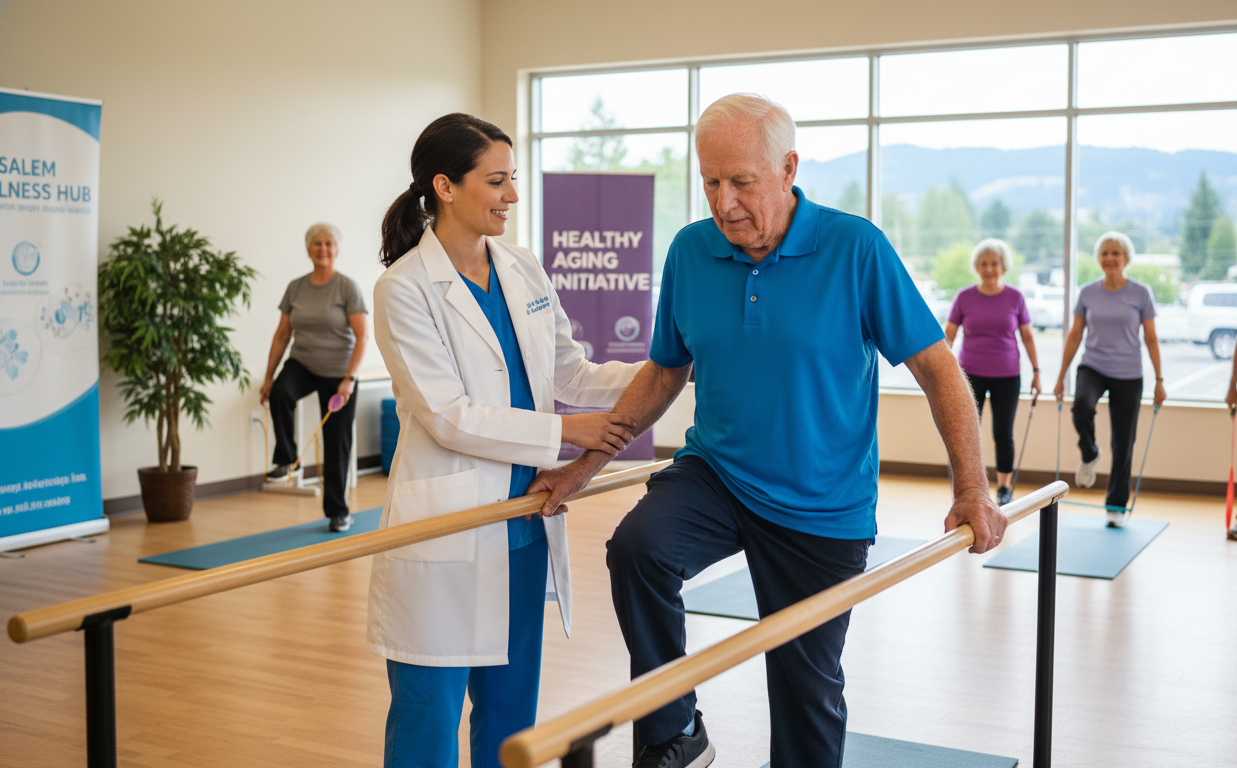
If you've noticed that your legs feel weaker than they used to, you're not alone. Many adults in Salem experience changes in strength, balance, and mobility as they get older.
The good news is that these issues can often improve with the right guidance and a personalized plan.
How Physical Therapy Can Support Healthy Aging
Physical therapy focuses on improving the movements you use every day.
A personalized program may help you:
- Build leg strength
- Improve balance and stability
- Walk with greater confidence
- Reduce your risk of falls
- Stay active and independent
Rather than following a one-size-fits-all approach, treatment is tailored to your specific needs and goals.
Personalized Care for Older Adults in Salem
At HWY Physical Therapy, older adults receive individualized care designed to address weakness, mobility limitations, and balance concerns.
Dr. Raj works with patients to identify the factors contributing to leg weakness and develop practical strategies to improve strength and function.
Whether you're having difficulty climbing stairs, getting out of a chair, or feeling steady while walking, early intervention can help you stay active and continue doing the things you enjoy.
HWY Physical Therapy
Center 50+
2615 Portland Rd NE
Salem, OR 97301
Call: 971-202-1979
Frequently Asked Questions
Is It Normal to Lose Strength in Your Legs as You Age?
Some loss of muscle strength is a normal part of aging. Muscle mass gradually decreases over time, especially after age 60.
However, significant weakness that affects your ability to walk, climb stairs, stand up from a chair, or maintain your balance should not be ignored. Many causes of leg weakness can be improved with exercise, proper nutrition, and targeted treatment.
Can Seniors Regain Lost Muscle Strength?
Yes. Research has shown that older adults can improve muscle strength, balance, and mobility through regular exercise.
It's never too late to start. Even adults in their 70s and 80s can make meaningful improvements when they follow a consistent strength and balance program.
What Is the Best Exercise for Weak Legs in Older Adults?
There isn't a single best exercise for everyone.
Sit-to-stand exercises are often one of the most effective because they mimic a movement people perform every day. Supported squats, step-ups, heel raises, and resistance band exercises can also help strengthen the muscles needed for walking and maintaining independence.
What Causes Leg Weakness in Seniors?
Leg weakness can result from several factors.
Common causes include age-related muscle loss, physical inactivity, arthritis, nerve problems, poor nutrition, chronic health conditions, and balance disorders. In many cases, more than one factor contributes to the problem.
At What Age Does Leg Strength Start Declining?
Muscle loss can begin as early as your 30s, but most people don't notice significant changes until later in life.
The decline often becomes more noticeable after age 60, particularly in adults who are not physically active. Regular exercise can slow this process and help preserve strength for many years.
Can Physical Therapy Improve Leg Strength and Balance?
Yes. Physical therapy can help identify the underlying causes of weakness and create a personalized plan to improve strength, balance, and mobility.
Many people also benefit from learning exercises that reduce fall risk and improve confidence during daily activities.
How Can I Prevent Falls as I Get Older?
The best way to reduce fall risk is to stay active and maintain both strength and balance.
Regular exercise, supportive footwear, adequate lighting, and keeping walkways free of clutter can all help. Addressing leg weakness early is one of the most effective ways to stay safe and independent.
Topics to Read Further
If you'd like to learn more about maintaining strength and mobility as you age, these topics are worth exploring:
- Sarcopenia: Understanding Age-Related Muscle Loss
- Fall Prevention Strategies for Older Adults
- Strength Training Benefits for Adults Over 60
Contact HWY PT for Expert Advice and Support
Losing strength in your legs doesn't mean you have to give up the activities you enjoy. In many cases, the right combination of exercise, balance training, and professional guidance can help you move better and feel more confident.
If you're experiencing leg weakness, difficulty walking, trouble climbing stairs, or concerns about falling, addressing the problem early can make a big difference.
At HWY Physical Therapy, Dr. Raj works with older adults to improve strength, balance, mobility, and independence through personalized treatment plans tailored to each individual's needs and goals.
HWY Physical Therapy
Center 50+
2615 Portland Rd NE
Salem, OR 97301
Phone: 971-202-1979
Whether your goal is to stay active, prevent falls, or regain confidence in your movement, HWY Physical Therapy can help you take the next step toward stronger, healthier legs.
.png)