Living with peripheral neuropathy can make everyday activities feel more challenging than they once did. Simple tasks like walking across the room, climbing stairs, or standing for long periods may become difficult when numbness, tingling, burning sensations, or weakness affect your feet and legs.
Although peripheral neuropathy can change how you move, it doesn't have to take away your independence. Learning how to stay safe, protect your feet, improve your balance, and maintain an active lifestyle can significantly reduce your risk of falls and help you continue doing the things you enjoy.
Physical therapy is one of the most effective ways to improve mobility, build strength, and increase confidence for people living with peripheral neuropathy. A personalized treatment plan can help you move more safely, improve your balance, and adapt to changes in sensation while supporting your long-term health.
If you're looking for practical advice on living safely with peripheral neuropathy, this guide will walk you through everything you need to know. You'll learn why neuropathy affects balance, discover simple safety strategies for home and community living, explore exercises that support mobility, and understand how physical therapy and advanced rehabilitation technologies may help improve your quality of life.
For residents of Salem, Oregon, Dr. Raj at HWY Physical Therapy provides individualized care designed to help people with peripheral neuropathy stay active, reduce their fall risk, and maintain their independence through evidence-based rehabilitation and compassionate one-on-one treatment.
Understanding Peripheral Neuropathy
Peripheral neuropathy is a condition that occurs when the peripheral nerves become damaged. These nerves carry messages between your brain, spinal cord, muscles, skin, and internal organs. When they're not working properly, communication is disrupted, which can affect how you feel, move, and maintain your balance.
Many people first notice changes in their feet. What starts as occasional tingling or numbness may gradually become more noticeable and begin to interfere with everyday activities. Recognizing these changes early can help you take steps to protect your mobility and reduce the risk of falls.
What Is Peripheral Neuropathy?
The peripheral nervous system controls sensation, muscle movement, and many automatic body functions. When these nerves are damaged, they may send incorrect signals—or stop sending signals altogether.
Depending on which nerves are affected, peripheral neuropathy can cause:
- Numbness in the feet or hands
- Tingling or "pins and needles" sensations
- Burning or sharp nerve pain
- Muscle weakness
- Reduced coordination
- Difficulty sensing the ground while walking
- Problems with balance
Symptoms often begin gradually and may worsen over time if the underlying cause isn't addressed.
Common Causes of Peripheral Neuropathy
Peripheral neuropathy can develop for many different reasons. Understanding the cause helps guide treatment and long-term management.
Some of the most common causes include:
- Diabetes
- Vitamin deficiencies, particularly B vitamins
- Certain medications, including some chemotherapy drugs
- Alcohol misuse
- Autoimmune diseases
- Infections
- Injuries that damage nerves
- Kidney disease
- Thyroid disorders
- Age-related nerve changes
In some cases, the exact cause cannot be identified. This is known as idiopathic peripheral neuropathy.
Common Symptoms to Watch For
Symptoms vary from person to person, but many people experience changes that affect both comfort and mobility.
You may notice:
- Numbness that starts in the toes or feet
- Burning, stabbing, or electric-like pain
- Tingling sensations
- Increased sensitivity to touch
- Muscle weakness in the legs or feet
- Difficulty maintaining balance
- Feeling as though you're walking on cushions or soft surfaces
- Trouble noticing uneven ground
These symptoms can make everyday activities more challenging and increase the likelihood of trips and falls.
How Peripheral Neuropathy Affects Daily Life
Peripheral neuropathy doesn't just affect your nerves. It can influence nearly every aspect of daily living.
As sensation decreases, you may become less aware of where your feet are while walking. This can make it harder to react quickly if you stumble or step on an uneven surface.
Many people also begin avoiding activities they once enjoyed because they're worried about falling or losing their balance. Over time, reduced activity can lead to weaker muscles, decreased endurance, and even greater mobility challenges.
The good news is that many of these issues can be addressed through proactive care. Physical therapy, balance training, strength exercises, and healthy daily habits can help improve mobility, reduce fall risk, and support a more active lifestyle.
Understanding how peripheral neuropathy affects your body is the first step toward managing it with confidence and protecting your independence.
Why Peripheral Neuropathy Increases Your Risk of Falls
One of the biggest concerns for people living with peripheral neuropathy is an increased risk of falling. While a fall may seem like a simple accident, it often results from changes in sensation, muscle strength, and balance caused by nerve damage.
Understanding why falls happen is the first step toward preventing them. With the right strategies and physical therapy, many people can improve their stability and continue living active, independent lives.
Reduced Sensation Makes Walking More Difficult
Healthy nerves constantly send information to your brain about the position of your feet and the surface beneath you. Peripheral neuropathy disrupts these signals, making it harder to feel where your feet are when you walk.
As a result, you may:
- Miss uneven sidewalks or curbs
- Trip over small obstacles
- Have difficulty walking in dim lighting
- Feel unsteady on grass, gravel, or other uneven surfaces
- Struggle to react quickly if you lose your balance
Without accurate feedback from your feet, even familiar environments can become more challenging to navigate safely.
Balance and Coordination Can Decline
Your balance depends on several systems working together, including your vision, inner ear, muscles, joints, and nerves. When peripheral neuropathy affects the nerves in your feet and legs, your body has less information to help maintain stability.
You may notice that you:
- Sway while standing still
- Need to hold onto furniture when walking
- Feel less confident on stairs
- Take shorter or slower steps
- Avoid walking outdoors because of fear of falling
These changes often happen gradually, making them easy to overlook until they begin affecting your daily routine.
Muscle Weakness Can Affect Stability
Some types of peripheral neuropathy can also weaken the muscles that support your ankles, feet, and legs.
This weakness may make it harder to:
- Lift your feet while walking
- Climb stairs safely
- Stand up from a chair
- Recover your balance after a stumble
Over time, muscle weakness and reduced activity can create a cycle where balance continues to decline unless it's addressed through targeted rehabilitation.
Fear of Falling Can Lead to Less Movement
After a near fall or an actual fall, many people naturally become more cautious. While being careful is important, avoiding activity altogether can actually make the problem worse.
Reduced movement can lead to:
- Further muscle weakness
- Increased joint stiffness
- Poor endurance
- Lower confidence
- Greater dependence on others
Staying active through safe, guided movement helps maintain strength and supports better balance over time.
Fall Prevention Starts Before a Fall Happens
You don't need to wait until you've fallen to take action. If you've noticed numbness, tingling, changes in your walking, or increased difficulty with balance, these are signs that it's time to focus on prevention.
At HWY Physical Therapy, Dr. Raj performs detailed balance and mobility assessments to identify factors that may increase your fall risk. From there, he develops a personalized treatment plan that may include balance training, gait retraining, strengthening exercises, and functional movement practice to help you move with greater confidence.
Taking steps to improve your balance today can help you avoid injuries tomorrow and continue enjoying the activities that matter most.
Living Safely with Peripheral Neuropathy Every Day
Living with peripheral neuropathy doesn't mean giving up your independence. With a few practical adjustments and healthy daily habits, you can reduce your risk of injury while continuing to enjoy many of the activities you love.
The goal isn't to avoid movement. It's to move more safely and confidently by understanding your body's limitations and making smart choices throughout the day.
Walk Safely Around Your Home
Your home should be the safest place to move around, yet it's where many falls occur. Small changes can make a big difference.
Try these simple safety tips:
- Keep walkways free of clutter.
- Remove loose rugs or secure them with non-slip backing.
- Use night lights in hallways, bedrooms, and bathrooms.
- Wear supportive, non-slip shoes instead of socks on smooth floors.
- Keep frequently used items within easy reach to avoid unnecessary climbing or stretching.
- Move slowly when standing up after sitting or lying down.
If you feel unsteady, pause for a few seconds before taking your first step.
Stay Safe When Walking Outdoors
Outdoor surfaces are less predictable than the floors inside your home. Uneven sidewalks, wet pavement, gravel, and curbs can become tripping hazards when sensation in your feet is reduced.
To improve safety outdoors:
- Wear supportive walking shoes with good traction.
- Stay on well-maintained sidewalks whenever possible.
- Watch the ground several steps ahead.
- Avoid walking in poorly lit areas after dark.
- Use handrails on ramps and stairs.
- Consider using a walking stick or cane if recommended by your physical therapist.
Taking your time is far safer than rushing.
Use Extra Caution on Stairs
Stairs require good balance, strength, and coordination. If neuropathy affects your feet or legs, take extra precautions.
When using stairs:
- Always hold the handrail.
- Make sure each foot is fully placed on the step.
- Avoid carrying large items that block your view.
- Keep stairways well lit.
- Ask for help if you're carrying heavy objects.
Never hesitate to use both handrails if they're available.
Drive Only When You Feel Safe
Peripheral neuropathy can reduce your ability to feel the pedals, which may affect reaction time.
Talk with your healthcare provider or physical therapist if you notice:
- Difficulty feeling the brake or accelerator
- Slower reactions while driving
- Increased foot weakness
- Pain or numbness that affects vehicle control
If driving has become uncomfortable or unsafe, consider asking family members for assistance or using local transportation services until your mobility improves.
Shop and Run Errands with Confidence
Shopping often involves long periods of walking and standing, which can become tiring if you have peripheral neuropathy.
These tips can help:
- Shop during less crowded hours.
- Wear supportive footwear.
- Use a shopping cart for added stability if needed.
- Take breaks when you begin to feel fatigued.
- Avoid carrying heavy bags over long distances.
Planning shorter shopping trips may also help you conserve energy.
Stay Active Without Overdoing It
Many people reduce their activity because they're afraid of falling. While that concern is understandable, avoiding movement completely can lead to weaker muscles, poorer balance, and even greater mobility challenges.
Instead, focus on safe, regular activity such as:
- Short daily walks
- Gentle stretching
- Balance exercises recommended by your physical therapist
- Light strength training
- Low-impact activities that match your ability level
Consistency is more important than intensity. Staying active helps maintain muscle strength, joint flexibility, and overall mobility.
Listen to Your Body
Peripheral neuropathy affects everyone differently. Pay attention to changes in your balance, walking, or foot sensation.
If you notice increasing numbness, frequent stumbling, difficulty walking, or a growing fear of falling, don't ignore these signs. Early intervention can help prevent injuries and keep you moving safely.
At HWY Physical Therapy, Dr. Raj works with people living with peripheral neuropathy to develop practical strategies that fit their daily routines. Through personalized balance training, gait retraining, strengthening exercises, and education, patients gain the skills and confidence needed to remain active while reducing their risk of falls.
Living safely with peripheral neuropathy isn't about limiting your life. It's about making informed choices that help you stay independent, confident, and engaged in the activities you enjoy.
Protecting Your Feet Every Day
Healthy feet are essential for maintaining your mobility and independence, especially if you have peripheral neuropathy. Because nerve damage can reduce sensation, you may not immediately notice cuts, blisters, burns, or pressure sores. Small injuries can become more serious if they're left untreated.
Making foot care part of your daily routine can help you prevent complications and continue moving safely.
Check Your Feet Every Day
A daily foot inspection is one of the simplest and most effective ways to protect yourself.
Take a few minutes each day to look for:
- Cuts or scrapes
- Blisters
- Redness or swelling
- Bruises
- Cracked or dry skin
- Changes in skin color
- Areas of pressure from shoes
- Signs of infection, such as warmth or drainage
If it's difficult to see the bottom of your feet, use a handheld mirror or ask a family member to help.
Choose Supportive Footwear
The shoes you wear play an important role in protecting your feet and improving your balance.
Look for shoes that:
- Fit properly without being too tight or too loose
- Have a wide toe box to reduce pressure
- Provide good arch support
- Feature non-slip soles for better traction
- Cushion your feet without reducing stability
- Have a secure heel to prevent slipping
Avoid walking barefoot, even inside your home. Shoes or supportive slippers can help protect your feet from injuries you may not immediately feel.
Protect Your Feet from Injury
Reduced sensation makes it easier to overlook everyday hazards.
To help prevent injuries:
- Test bath water with your hand or elbow before stepping in.
- Wear socks with shoes to reduce friction.
- Trim toenails carefully or seek professional assistance if needed.
- Avoid using heating pads or hot water bottles directly on your feet.
- Shake out your shoes before putting them on to remove small objects.
- Moisturize dry skin, but avoid applying lotion between your toes, where excess moisture can increase the risk of skin problems.
Small preventive habits can make a big difference over time.
Know When to Seek Professional Help
Don't ignore changes in your feet, even if they don't seem painful.
Contact a healthcare professional if you notice:
- A wound that isn't healing
- Increased redness or swelling
- Drainage or signs of infection
- New areas of numbness or weakness
- Sudden changes in balance or walking ability
Early treatment can help prevent complications and keep you safely on your feet.
At HWY Physical Therapy, Dr. Raj incorporates foot awareness, balance training, and gait assessment into personalized treatment plans for people living with peripheral neuropathy. Combined with good daily foot care, these strategies can help reduce your risk of injury, improve mobility, and support a safer, more active lifestyle.
Fall Prevention Strategies for People with Peripheral Neuropathy
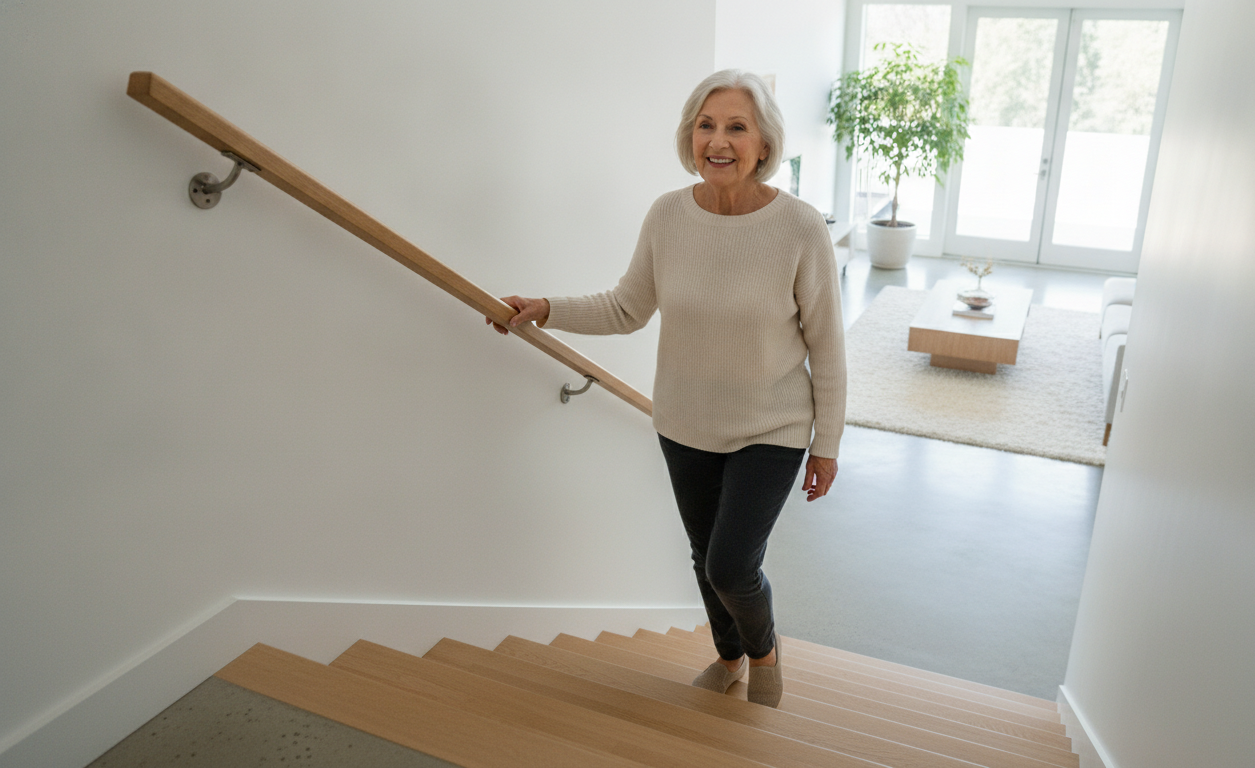
Peripheral neuropathy can affect your ability to feel the ground beneath your feet, making slips, trips, and falls more likely. While this can be concerning, there are many practical steps you can take to create a safer environment and move with greater confidence.
Fall prevention isn't about limiting your activities. It's about making smart adjustments that help you stay active while reducing unnecessary risks.
Make Your Home Safer
Many falls happen at home during everyday activities. A few simple modifications can make your living space much safer.
Consider these improvements:
- Remove loose rugs or secure them with non-slip backing.
- Keep walkways free of cords, shoes, and clutter.
- Arrange furniture to create clear walking paths.
- Clean up spills immediately.
- Install grab bars near toilets and inside showers.
- Place non-slip mats in bathrooms and kitchens.
- Ensure stair railings are sturdy and easy to grip.
These changes can significantly reduce common trip hazards.
Improve Lighting Throughout Your Home
Good lighting becomes even more important when you have reduced sensation in your feet.
To improve visibility:
- Install night lights in bedrooms, hallways, and bathrooms.
- Use brighter bulbs in frequently used rooms.
- Turn on lights before walking into a dark area.
- Keep flashlights within easy reach during power outages.
Being able to clearly see obstacles gives you more time to react safely.
Use Assistive Devices When Needed
Many people hesitate to use a cane or walker because they worry it means they're losing their independence. In reality, the right mobility aid can help you stay active and confident while reducing your risk of falling.
If recommended by your physical therapist, an assistive device can:
- Improve balance
- Increase stability on uneven surfaces
- Reduce fatigue during longer walks
- Help you navigate stairs and curbs more safely
Using the correct device at the proper height is important. Your physical therapist can ensure it fits you correctly and teach you how to use it safely.
Build Safer Daily Habits
Small habits practiced every day can make a meaningful difference.
Try to:
- Stand up slowly after sitting or lying down.
- Pause for a few seconds before walking.
- Wear supportive shoes with non-slip soles.
- Avoid walking in socks on hardwood or tile floors.
- Keep frequently used items within easy reach.
- Stay physically active to maintain strength and balance.
These simple routines become even more valuable as neuropathy progresses.
Don't Ignore Changes in Your Balance
If you notice that you're stumbling more often, avoiding certain activities, or relying on furniture for support, don't assume it's just part of getting older.
These changes may indicate that your balance and walking mechanics need attention. Addressing them early can help prevent a serious fall and preserve your independence.
At HWY Physical Therapy, Dr. Raj performs comprehensive balance and gait evaluations to identify factors contributing to fall risk. Through personalized treatment that includes balance training, strength exercises, functional movement practice, and walking retraining, patients learn safer movement strategies that fit their daily lives.
Preventing falls isn't about being fearful—it's about being prepared. With the right environment, healthy habits, and expert guidance, you can continue moving confidently while protecting your health and independence.
Exercises That Help Improve Strength, Balance, and Mobility

Exercise is one of the most effective ways to maintain mobility and improve confidence when living with peripheral neuropathy. While exercise won't repair damaged nerves, it can help strengthen the muscles that support your joints, improve balance, and make everyday movements safer and easier.
The key is choosing exercises that match your current abilities. A personalized program is always safer and more effective than trying random exercises you find online.
Balance Exercises
Peripheral neuropathy often affects your ability to sense where your feet are, making balance one of the first areas to decline. Balance exercises help train your body to react more effectively and improve stability during everyday activities.
A physical therapist may recommend exercises such as:
- Standing with your feet hip-width apart while maintaining good posture
- Shifting your weight from one foot to the other
- Standing on one leg with support nearby
- Heel-to-toe walking
- Practicing controlled turns while walking
These exercises are progressed gradually as your confidence and stability improve.
Strength Training
Strong muscles help compensate for reduced sensation and provide better support for your ankles, knees, and hips.
A strengthening program may focus on:
- Leg muscles
- Hip muscles
- Core stability
- Ankle strength
- Gluteal muscles
Examples include:
- Sit-to-stand exercises from a chair
- Mini squats using a countertop for support
- Step-ups on a low platform
- Heel raises
- Seated leg extensions
Improving strength makes everyday activities such as climbing stairs, carrying groceries, and getting out of a chair much easier.
Walking and Gait Training
Many people with peripheral neuropathy change the way they walk without realizing it. Shorter steps, slower walking speeds, and looking down constantly at the ground can all become habits that reduce efficiency and confidence.
Gait training helps improve:
- Walking posture
- Step length
- Foot placement
- Walking speed
- Coordination
- Confidence on different surfaces
Learning safer walking mechanics can reduce your risk of stumbling and make community activities more enjoyable.
Flexibility Exercises
Stiff muscles and joints can make balance even more difficult. Gentle stretching helps improve mobility and allows your body to move more naturally.
Common areas that benefit from stretching include:
- Calves
- Hamstrings
- Hip flexors
- Lower back
- Ankles
Better flexibility also improves your ability to reach, bend, and change directions safely.
Functional Movement Training
One of the most valuable parts of physical therapy is practicing movements you perform every day.
Instead of focusing only on traditional exercises, functional training helps you become more confident with activities such as:
- Getting in and out of bed
- Standing from a chair
- Climbing stairs
- Picking up objects safely
- Reaching overhead
- Walking on different surfaces
These practical movements directly support your independence at home and in the community.
Exercise Safely
Safety should always come first.
When exercising:
- Wear supportive shoes with good traction.
- Exercise in a well-lit area.
- Keep a sturdy chair or countertop nearby for support.
- Stay hydrated.
- Stop if you experience severe pain, dizziness, or feel unsteady.
Because peripheral neuropathy affects everyone differently, your exercise program should be individualized and adjusted as your abilities improve.
At HWY Physical Therapy, Dr. Raj develops customized exercise programs that address each patient's balance, strength, mobility, and walking challenges. Every exercise is selected to help you move more safely, reduce your fall risk, and support your long-term independence.
With consistent practice and professional guidance, exercise can become one of the most powerful tools for living safely and confidently with peripheral neuropathy.
How Physical Therapy Helps People with Peripheral Neuropathy
Living with peripheral neuropathy can affect much more than your feet. Changes in sensation, balance, strength, and coordination can make everyday activities more difficult and increase your risk of falling. Physical therapy is designed to address these challenges by helping you move more safely, improve your confidence, and maintain your independence.
Rather than focusing only on symptoms, physical therapy identifies the underlying movement problems caused by neuropathy and develops a personalized plan to improve your overall function.
At HWY Physical Therapy, Dr. Raj takes a one-on-one approach to care, creating individualized treatment plans that reflect each patient's symptoms, lifestyle, and personal goals.
Comprehensive Movement Evaluation
Every rehabilitation program begins with a detailed evaluation. This helps identify how peripheral neuropathy is affecting your movement and where treatment should focus.
During your initial evaluation, your physical therapist may assess:
- Your medical history
- Current symptoms and their impact on daily life
- Walking pattern (gait)
- Balance and coordination
- Muscle strength
- Joint flexibility
- Foot and ankle mobility
- Fall risk
- Functional movements such as standing, sitting, and climbing stairs
This assessment provides a clear starting point and allows your therapist to measure your progress throughout treatment.
Individualized Treatment Plans
No two people experience peripheral neuropathy in exactly the same way. Some patients struggle primarily with numbness, while others have burning pain, weakness, or significant balance problems.
Your treatment plan may include:
- Balance training
- Strengthening exercises
- Gait retraining
- Flexibility exercises
- Functional movement training
- Fall prevention education
- Home exercise recommendations
As your mobility improves, your therapy program is adjusted to continue challenging you safely while helping you reach your goals.
Improving Balance and Walking
One of the primary goals of physical therapy is helping you walk with greater confidence.
Treatment focuses on improving:
- Walking mechanics
- Step length
- Foot placement
- Stability during movement
- Confidence on uneven surfaces
- Safe turning and direction changes
These improvements help reduce the likelihood of falls while making everyday activities feel less demanding.
Building Strength for Everyday Activities
Weakness in the legs and core can make even simple movements difficult. Physical therapy targets the muscles that support your balance and mobility, making daily tasks safer and easier.
As your strength improves, you may notice it's easier to:
- Stand from a chair
- Climb stairs
- Walk longer distances
- Carry groceries
- Get in and out of the car
- Stay active throughout the day
The focus is always on improving movements that matter in your daily life.
Education That Supports Long-Term Success
Physical therapy isn't limited to what happens during your appointments. You'll also learn practical strategies to help manage peripheral neuropathy at home.
Your therapist may provide guidance on:
- Safe walking techniques
- Choosing supportive footwear
- Home safety modifications
- Daily foot protection
- Energy conservation
- Exercises to continue between visits
These recommendations help reinforce your progress and reduce the risk of future injuries.
A Partnership Focused on Independence
Successful rehabilitation is a team effort. Regular therapy sessions, home exercises, and open communication all contribute to better outcomes.
At HWY Physical Therapy, Dr. Raj works closely with every patient to monitor progress, adjust treatment as needed, and provide ongoing support throughout the rehabilitation process. The goal is not simply to manage symptoms but to help you move more confidently, stay active, and maintain your independence for years to come.
Advanced Technology That May Support Neuropathy Rehabilitation
Physical therapy remains one of the most effective ways to improve strength, balance, and mobility for people living with peripheral neuropathy. In some cases, advanced rehabilitation technology may also be incorporated into a treatment plan to help support movement, muscle activation, and functional recovery.
At HWY Physical Therapy, Dr. Raj combines evidence-based physical therapy with advanced treatment options when they're appropriate for a patient's condition and goals.
What Is the Neubie® Machine?
The Neubie® (Neuro-Bio-Electric Stimulator) is an FDA-cleared neuromuscular electrical stimulation device that uses direct current to stimulate muscles and nerves during movement.
Unlike traditional electrical stimulation that may be used primarily for pain relief, the Neubie is designed to be used while performing guided movements and therapeutic exercises. This allows your physical therapist to evaluate movement patterns while helping activate muscles that may not be working efficiently.
For people with peripheral neuropathy, the Neubie may be incorporated into a broader rehabilitation program that focuses on improving movement quality, strength, balance, and overall function.
How the Neubie May Support Rehabilitation
Because every case of peripheral neuropathy is different, treatment is always individualized. Depending on your evaluation and goals, the Neubie may be used alongside traditional physical therapy techniques to support rehabilitation.
Potential benefits may include:
- Improving muscle activation
- Supporting balance and coordination training
- Enhancing movement during therapeutic exercise
- Helping patients perform functional activities more effectively
- Complementing a personalized rehabilitation program
The Neubie is not a stand-alone treatment or a cure for peripheral neuropathy. Instead, it's one of many tools that may be used as part of a comprehensive physical therapy plan.
Is the Neubie Right for Everyone?
Not every patient with peripheral neuropathy is an ideal candidate for Neubie therapy.
During your initial evaluation, Dr. Raj will assess your:
- Medical history
- Symptoms
- Balance and mobility
- Functional limitations
- Rehabilitation goals
Based on this assessment, he'll determine whether the Neubie is an appropriate addition to your treatment plan or whether other evidence-based therapies are better suited to your needs.
Neubie Therapy Available at HWY Physical Therapy
HWY Physical Therapy is proud to offer the Neubie® machine as part of its commitment to providing advanced rehabilitation options for patients in Salem, Oregon.
Treatment is always personalized, combining hands-on physical therapy, balance training, gait retraining, strengthening exercises, functional movement practice, and advanced technology when appropriate. This individualized approach helps patients improve mobility, reduce fall risk, and work toward greater independence.
If you'd like to learn more about the science behind the Neubie and its role in peripheral neuropathy rehabilitation, Neufit provides an excellent educational resource here:
https://www.neu.fit/neuropathy/.
Whether the Neubie is part of your treatment plan or not, the primary goal remains the same: helping you move with greater confidence, improve your quality of life, and safely return to the activities that matter most.
Daily Peripheral Neuropathy Safety Checklist
Living safely with peripheral neuropathy starts with consistent daily habits. Use this checklist as a quick reminder to help protect your feet, improve your balance, and reduce your risk of falls.
Morning Checklist
☐ Inspect both feet for cuts, blisters, redness, swelling, or other changes.
☐ Put on clean, well-fitting socks and supportive shoes before walking.
☐ Make sure your walkways are clear of clutter, cords, or loose rugs.
☐ Turn on lights before walking through darker areas of your home.
Throughout the Day
☐ Stay physically active with the exercises recommended by your physical therapist.
☐ Walk at a comfortable pace and avoid rushing.
☐ Use handrails when using stairs.
☐ Take short breaks if your legs become tired or your balance feels less steady.
☐ Stay hydrated throughout the day.
☐ Be mindful of uneven sidewalks, curbs, and slippery surfaces when outdoors.
Evening Checklist
☐ Check your feet again for any new cuts, blisters, or areas of irritation.
☐ Moisturize dry skin, avoiding the area between your toes.
☐ Place frequently used items within easy reach before going to bed.
☐ Keep a night light on in your bedroom, hallway, and bathroom.
Weekly Checklist
☐ Review your home for new trip hazards.
☐ Clean the soles of your shoes and check them for excessive wear.
☐ Complete your home exercise program as instructed.
☐ Monitor any changes in numbness, tingling, pain, or balance.
☐ Keep your scheduled physical therapy appointments and discuss any new concerns with your therapist.
These simple habits can help reduce your risk of injury while supporting your mobility and independence. If you notice worsening balance, increased numbness, frequent stumbling, or changes in your walking, don't ignore them. Early intervention can make a meaningful difference.
At HWY Physical Therapy, Dr. Raj helps people living with peripheral neuropathy build safer daily routines through personalized treatment, education, and practical strategies that support long-term mobility and confidence.
Tips for Family Members and Caregivers
Supporting someone with peripheral neuropathy involves more than helping them get from one place to another. The right encouragement, home environment, and daily routines can help your loved one stay active, reduce their risk of falls, and maintain their independence for as long as possible.
Your role isn't to do everything for them. It's to provide the support they need while encouraging safe, independent movement whenever possible.
Recognize Changes Early
Peripheral neuropathy often progresses gradually, making small changes easy to overlook.
Watch for signs such as:
- Walking more slowly than usual
- Holding onto furniture while walking
- Difficulty climbing stairs
- Frequent stumbling or tripping
- Complaints of numbness, burning, or tingling
- Reduced participation in favorite activities
- Fear of leaving the house because of balance concerns
Recognizing these changes early allows you to seek help before a fall or injury occurs.
Help Create a Safer Home
Simple home modifications can significantly reduce fall risks.
Consider:
- Removing loose rugs and clutter
- Improving lighting in hallways and stairways
- Installing grab bars in bathrooms
- Adding non-slip mats in wet areas
- Keeping commonly used items within easy reach
- Making sure stairs have secure handrails
These improvements benefit everyone in the home, not just the person living with neuropathy.
Encourage Safe Activity
Many people with peripheral neuropathy become less active because they're afraid of falling. While that fear is understandable, avoiding movement often leads to weaker muscles, poorer balance, and greater difficulty with everyday activities.
Encourage your loved one to:
- Take short daily walks if appropriate
- Complete their prescribed home exercises
- Stay involved in hobbies they enjoy
- Rest when needed without becoming inactive
- Celebrate progress, even when improvements seem small
Positive encouragement helps build confidence and supports long-term success.
Support Healthy Daily Habits
Daily routines play an important role in managing peripheral neuropathy.
You can help by reminding your loved one to:
- Check their feet every day
- Wear supportive footwear
- Stay hydrated
- Follow their exercise program
- Attend scheduled physical therapy appointments
- Report any new symptoms or changes in balance
Consistency is often one of the biggest factors in maintaining mobility and preventing complications.
Stay Connected With the Physical Therapist
Caregivers are an important part of the rehabilitation team.
Ask your physical therapist about:
- The safest ways to assist with walking
- Activities that should be encouraged or avoided
- Home exercise recommendations
- Signs that indicate progress
- Changes that should be reported immediately
At HWY Physical Therapy, Dr. Raj works closely with both patients and caregivers to develop realistic strategies that fit everyday life. By keeping everyone informed and involved, it's easier to create a safe environment that supports recovery, improves confidence, and helps maintain independence.
With the right guidance, encouragement, and teamwork, people living with peripheral neuropathy can continue enjoying an active and fulfilling lifestyle while reducing their risk of falls and injuries.
Myths About Peripheral Neuropathy
There's a lot of misinformation about peripheral neuropathy, and believing these myths can delay treatment or increase the risk of falls and injuries. Understanding the facts can help you make informed decisions and take positive steps to protect your health.
Let's look at some of the most common misconceptions.
Myth #1: There's Nothing You Can Do for Peripheral Neuropathy
Many people believe they simply have to live with the condition.
The truth: While some types of nerve damage may not be reversible, there are many ways to manage symptoms and improve your quality of life. Physical therapy, balance training, strength exercises, healthy lifestyle habits, and personalized rehabilitation can help improve mobility, reduce fall risk, and increase confidence.
Myth #2: I Should Avoid Walking Because My Feet Are Numb
It may seem safer to avoid activity, but prolonged inactivity often leads to weaker muscles and poorer balance.
The truth: Safe, guided movement is usually one of the best ways to maintain strength, flexibility, and mobility. Your physical therapist can recommend exercises and walking strategies that match your abilities and help you stay active without increasing your risk of injury.
Myth #3: Falls Are Just a Normal Part of Aging
Many older adults assume falls are unavoidable.
The truth: While the risk of falling increases with age, many falls can be prevented. Improving balance, strengthening your muscles, removing hazards at home, and practicing safe walking techniques can significantly reduce your fall risk.
Myth #4: Better Shoes Will Solve the Problem
Supportive footwear is important, but shoes alone can't correct the balance and movement changes caused by peripheral neuropathy.
The truth: The best results usually come from combining proper footwear with balance training, strength exercises, gait retraining, and other physical therapy interventions.
Myth #5: Physical Therapy Is Only Helpful After a Fall
Some people wait until they've already been injured before seeking help.
The truth: Physical therapy is often most effective before a fall occurs. Addressing balance problems, muscle weakness, and walking difficulties early may help prevent injuries and preserve your independence.
Myth #6: Numbness Is the Only Symptom That Matters
Peripheral neuropathy affects more than sensation.
The truth: It can also influence muscle strength, coordination, walking mechanics, endurance, and confidence. Looking at the whole picture allows your physical therapist to create a treatment plan that addresses the challenges affecting your daily life.
Myth #7: Everyone With Peripheral Neuropathy Needs the Same Treatment
No two people experience peripheral neuropathy in the same way.
The truth: The most effective rehabilitation programs are personalized. Factors such as your symptoms, overall health, balance, activity level, and goals all influence the type of treatment that's right for you.
At HWY Physical Therapy, Dr. Raj takes the time to understand each patient's unique needs before creating an individualized rehabilitation plan. By focusing on evidence-based treatment and practical strategies for everyday living, patients can improve their mobility, build confidence, and continue leading active, independent lives.
Believing the facts instead of the myths can help you take control of your condition and make choices that support your long-term health and safety.
Foods and Lifestyle Habits That Support Nerve Health
While physical therapy plays an important role in managing peripheral neuropathy, your daily habits also influence how you feel and function. A healthy lifestyle won't cure nerve damage, but it can support your overall health, improve your energy levels, and complement your rehabilitation program.
Small, consistent changes often have the greatest impact over time.
Eat a Well-Balanced Diet
Your nerves, muscles, and immune system all depend on good nutrition to function properly.
Focus on eating a variety of nutrient-rich foods, including:
- Colorful fruits and vegetables
- Whole grains
- Lean proteins such as fish, poultry, beans, and eggs
- Healthy fats from nuts, seeds, avocados, and olive oil
- Low-fat dairy products or other calcium-rich foods
A balanced diet also helps support muscle strength and overall wellness, making it easier to stay active.
Get Enough Vitamins and Nutrients
Certain vitamin deficiencies, particularly B vitamins, can contribute to nerve problems in some people.
Before taking supplements, talk with your healthcare provider. They can determine whether testing or supplementation is appropriate based on your individual needs.
Rather than self-treating with high-dose supplements, aim to get most of your nutrients from a healthy, balanced diet whenever possible.
Stay Hydrated
Hydration supports normal muscle function, circulation, and overall health.
Simple ways to stay hydrated include:
- Drinking water regularly throughout the day
- Limiting sugary beverages
- Increasing fluids during hot weather or physical activity
- Watching for signs of dehydration, such as dark urine or dizziness
Good hydration also supports your participation in exercise and physical therapy.
Stay Physically Active
Regular movement is one of the best ways to maintain mobility, strength, and balance.
Choose activities that are appropriate for your ability level, such as:
- Walking
- Stretching
- Balance exercises
- Strength training
- Your prescribed home exercise program
If you're unsure where to start, your physical therapist can design a safe program that's tailored to your needs.
Prioritize Quality Sleep
Your body performs much of its repair and recovery while you sleep.
Aim for consistent sleep habits by:
- Going to bed and waking up at the same time each day
- Creating a quiet, comfortable sleeping environment
- Limiting caffeine later in the day
- Avoiding screen time immediately before bed
Better sleep often leads to improved energy, concentration, and participation in your daily activities.
Avoid Tobacco and Limit Alcohol
Smoking can reduce blood flow throughout the body, including to the nerves, while excessive alcohol use can contribute to certain types of peripheral neuropathy.
If you smoke, talk with your healthcare provider about resources that can help you quit. If you drink alcohol, do so in moderation or follow the recommendations of your healthcare team.
Manage Underlying Health Conditions
For many people, peripheral neuropathy is related to another medical condition, such as diabetes.
Managing underlying conditions by following your healthcare provider's recommendations can play an important role in protecting your overall health and may help reduce further nerve damage.
Healthy Habits Work Best Together
There isn't a single food, supplement, or exercise that can manage peripheral neuropathy on its own. The greatest benefits often come from combining healthy lifestyle habits with personalized physical therapy and regular medical care.
At HWY Physical Therapy, Dr. Raj encourages a whole-person approach to rehabilitation. Along with balance training, strength exercises, and mobility improvement, patients receive practical guidance that supports healthier daily habits and long-term independence.
Making small, positive choices every day can help you stay active, protect your mobility, and continue living life with greater confidence.
Traveling Safely with Peripheral Neuropathy
Peripheral neuropathy doesn't have to keep you from visiting family, taking vacations, or enjoying day trips. With a little planning, you can travel more comfortably while reducing your risk of falls, fatigue, and foot injuries.
Whether you're driving across town or flying to a new destination, a few simple precautions can help make your trip safer and more enjoyable.
Plan Ahead Before You Leave
Preparing in advance can help you avoid unnecessary stress during your trip.
Before traveling:
- Pack supportive walking shoes and comfortable socks.
- Bring any medications you'll need for the entire trip.
- Keep a small first-aid kit for minor foot injuries.
- Pack a reusable water bottle to stay hydrated.
- If you use a cane or walker, make sure it's in good condition before you leave.
A little preparation goes a long way toward helping you travel with confidence.
Take Regular Movement Breaks
Sitting for long periods can lead to stiffness, swelling, and muscle fatigue.
If you're traveling by car:
- Stop every one to two hours.
- Get out and walk for a few minutes.
- Stretch your calves, ankles, and legs before getting back in the vehicle.
If you're flying:
- Stand up and walk the aisle when it's safe to do so.
- Perform gentle ankle pumps and leg movements while seated.
- Change positions regularly during the flight.
These simple movements help improve circulation and reduce stiffness.
Be Careful in Unfamiliar Places
New environments often present unexpected challenges.
When arriving at your destination:
- Walk carefully on unfamiliar surfaces.
- Watch for uneven sidewalks and curbs.
- Use handrails whenever they're available.
- Make sure hotel rooms and vacation rentals have adequate lighting.
- Turn on a bedside lamp or night light before walking around after dark.
Taking a few extra moments to assess your surroundings can help prevent falls.
Don't Ignore Fatigue
Travel can be physically demanding, especially if you're managing peripheral neuropathy.
Listen to your body and:
- Schedule time to rest during the day.
- Avoid trying to do too much in one outing.
- Stay hydrated and eat regular meals.
- Ask for assistance when needed, especially in airports or large public spaces.
There's nothing wrong with slowing down to protect your safety and enjoy your trip.
Keep Moving with Confidence
Travel should be enjoyable, not stressful. By planning ahead, wearing supportive footwear, staying active during long trips, and paying attention to your surroundings, you can continue exploring new places while protecting your mobility and independence.
At HWY Physical Therapy, Dr. Raj helps patients develop practical movement and safety strategies that extend beyond the clinic. Whether you're navigating your neighborhood or preparing for your next vacation, improving your balance, strength, and walking confidence can help you stay active wherever life takes you.
What Improvement Can You Expect?
One of the most common questions people ask after being diagnosed with peripheral neuropathy is, "Will I get better?" The answer depends on the cause of your neuropathy, how long you've had symptoms, and your overall health.
While nerve damage isn't always reversible, that doesn't mean improvement isn't possible. Many people experience meaningful gains in their strength, balance, mobility, and confidence through a combination of physical therapy, healthy lifestyle habits, and consistent self-care.
The goal of rehabilitation is to help you function better, move more safely, and continue living an active, independent life.
Better Balance and Stability
Balance is often one of the first areas to improve with a structured rehabilitation program.
As your treatment progresses, you may notice:
- Greater confidence while walking
- Improved stability when standing
- Better control when changing directions
- Less reliance on furniture or walls for support
- Increased confidence on uneven surfaces
These improvements can significantly reduce your risk of falling.
Stronger Walking Ability
Many people with peripheral neuropathy change the way they walk without realizing it. Through gait training and strengthening exercises, you can often develop safer and more efficient walking patterns.
You may find it easier to:
- Walk longer distances
- Climb stairs more comfortably
- Navigate curbs and sidewalks
- Keep up with family and friends
- Participate in community activities
Even small improvements in walking mechanics can make everyday life feel much easier.
Greater Strength for Daily Activities
As your muscles become stronger, everyday tasks often require less effort.
Many patients report improvements in activities such as:
- Standing up from a chair
- Getting in and out of bed
- Carrying groceries
- Completing household chores
- Walking around the home without feeling as fatigued
Building strength also supports better posture and overall mobility.
More Confidence and Independence
One of the greatest benefits of rehabilitation isn't something you can measure with a test. It's the confidence that comes from knowing you can move more safely.
As your mobility improves, you may feel more comfortable:
- Going for walks
- Visiting family and friends
- Shopping independently
- Traveling
- Returning to hobbies and recreational activities
Regaining confidence often encourages people to become more active, which further supports their long-term health.
Progress Takes Time
Recovery from peripheral neuropathy is usually gradual. Some people notice improvements within a few weeks, while others require more time depending on the severity of their symptoms and the underlying cause.
The most successful outcomes typically come from:
- Attending physical therapy consistently
- Completing your home exercise program
- Staying physically active
- Protecting your feet
- Following healthy daily habits
- Addressing changes early rather than waiting for symptoms to worsen
Small improvements made consistently can lead to meaningful long-term results.
At HWY Physical Therapy, Dr. Raj helps patients focus on realistic, measurable goals that improve everyday life. Whether it's walking more confidently, reducing your risk of falls, or returning to activities you enjoy, every treatment plan is designed to help you achieve steady progress and maintain your independence.
Rather than focusing on what peripheral neuropathy has taken away, focus on what you can continue to build. With the right support, consistent effort, and a personalized rehabilitation plan, many people discover they can remain active, capable, and confident for years to come.
When Should You See a Physical Therapist?
Many people assume numbness, tingling, or balance problems are simply part of getting older. While these symptoms are common with peripheral neuropathy, they shouldn't be ignored. Early treatment can help improve your mobility, reduce your risk of falling, and make everyday activities safer and more comfortable.
The sooner movement and balance problems are addressed, the better your chances of maintaining your independence.
Warning Signs You Shouldn't Ignore
If you've noticed any of the following, it may be time to schedule a physical therapy evaluation:
- Frequent stumbling or tripping
- Feeling unsteady while walking
- Difficulty climbing stairs
- Needing to hold onto furniture for balance
- Numbness that's spreading or becoming more noticeable
- Burning or tingling sensations that interfere with daily activities
- Muscle weakness in your feet or legs
- Avoiding activities because you're afraid of falling
- Changes in the way you walk
- Difficulty getting in and out of a chair
Even if these symptoms seem mild, they can gradually affect your confidence and increase your fall risk.
Self-Assessment Checklist
Ask yourself these questions:
- ☐ Do I feel less steady than I did six months ago?
- ☐ Have I nearly fallen or experienced a recent fall?
- ☐ Do I avoid walking outside because of balance concerns?
- ☐ Do my feet feel numb or less sensitive than they used to?
- ☐ Is it becoming harder to walk longer distances?
- ☐ Do I have trouble feeling uneven surfaces beneath my feet?
- ☐ Have I stopped participating in activities I once enjoyed because of my symptoms?
If you answered "Yes" to one or two questions, it's worth discussing your symptoms with a physical therapist before they become more limiting.
If you answered "Yes" to three or more questions, a comprehensive movement evaluation may help identify the causes of your balance and mobility challenges and provide a plan to address them.
Why Early Treatment Matters
Waiting until after a fall or injury often makes recovery more difficult. Beginning physical therapy early gives you the opportunity to improve your strength, balance, and walking mechanics before a serious accident occurs.
Early intervention may help you:
- Improve balance and stability
- Build lower-body strength
- Develop safer walking patterns
- Reduce your risk of falls
- Increase confidence during everyday activities
- Maintain your independence longer
The goal isn't simply to manage symptoms. It's to help you continue living the active lifestyle you enjoy.
Personalized Care at HWY Physical Therapy
At HWY Physical Therapy, Dr. Raj provides one-on-one evaluations for people living with peripheral neuropathy. Your assessment includes a detailed review of your balance, walking pattern, strength, flexibility, functional mobility, and fall risk.
Based on your individual needs, Dr. Raj develops a personalized rehabilitation plan that may include balance training, gait retraining, strengthening exercises, functional movement practice, home exercises, and advanced rehabilitation technology, such as the Neubie®, when appropriate.
If peripheral neuropathy is making everyday activities more difficult or causing you to worry about falling, don't wait until your symptoms become more severe. Seeking help early can make a meaningful difference in your mobility, confidence, and quality of life.
Frequently Asked Questions About Peripheral Neuropathy
Can physical therapy help peripheral neuropathy?
Yes. While physical therapy can't cure every type of peripheral neuropathy, it can help improve the way you move and function. Treatment focuses on improving balance, strength, flexibility, walking mechanics, and coordination so you can move more safely and confidently.
Many people also notice greater confidence with everyday activities and a reduced risk of falls after following a personalized rehabilitation program.
Can peripheral neuropathy be reversed?
It depends on the underlying cause.
Some forms of peripheral neuropathy may improve if the underlying condition is treated early, such as certain vitamin deficiencies or medication-related nerve problems. In other cases, nerve damage may be permanent.
Even when nerve damage cannot be reversed, physical therapy can help improve mobility, balance, strength, and overall function, allowing many people to maintain an active and independent lifestyle.
Is walking good for peripheral neuropathy?
For many people, yes.
Walking is an excellent low-impact activity that can help maintain strength, improve circulation, and support overall mobility. However, walking should always be appropriate for your current balance and fitness level.
If you're experiencing frequent stumbling or poor balance, a physical therapist can evaluate your walking pattern and recommend strategies or exercises to help you walk more safely.
What exercises are best for peripheral neuropathy?
The best exercises depend on your symptoms and physical abilities.
A rehabilitation program may include:
- Balance exercises
- Strength training
- Walking practice
- Flexibility exercises
- Functional movement training
- Core stability exercises
Your physical therapist will customize your program based on your balance, strength, mobility, and personal goals.
What shoes are best for people with peripheral neuropathy?
Supportive footwear plays an important role in protecting your feet and improving stability.
Choose shoes that:
- Fit properly without squeezing your feet
- Have non-slip soles
- Provide good arch support
- Offer a secure heel
- Include a wide toe box if needed
- Cushion your feet while maintaining stability
Avoid walking barefoot, even inside your home, since reduced sensation may make it difficult to notice injuries.
Can peripheral neuropathy increase my risk of falling?
Yes.
Peripheral neuropathy can reduce sensation in your feet, making it harder to detect changes in the ground beneath you. It may also affect muscle strength, coordination, and walking mechanics.
These changes can increase your risk of:
- Tripping
- Losing your balance
- Slipping on uneven surfaces
- Falling during everyday activities
Balance training, strengthening exercises, and home safety improvements can all help lower this risk.
What is the Neubie® machine?
The Neubie® (Neuro-Bio-Electric Stimulator) is an FDA-cleared neuromuscular electrical stimulation device used by trained rehabilitation professionals.
At HWY Physical Therapy, Dr. Raj may incorporate the Neubie into a personalized treatment plan when it's appropriate for a patient's condition and goals. The device is used alongside therapeutic exercise and movement training to support rehabilitation—it is not a stand-alone treatment or a cure for peripheral neuropathy.
Does Medicare cover physical therapy for peripheral neuropathy?
Many physical therapy services are covered by Medicare when they're considered medically necessary and meet Medicare's coverage requirements.
Coverage can vary depending on your individual plan and circumstances. Before beginning treatment, it's a good idea to verify your benefits with your insurance provider or ask the clinic for assistance in understanding your coverage.
When should I see a physical therapist for peripheral neuropathy?
It's a good idea to schedule an evaluation if you notice:
- Increasing numbness or tingling
- Difficulty walking
- Poor balance
- Frequent stumbling
- Muscle weakness
- A recent fall
- Fear of falling
- Difficulty completing everyday activities
Seeking care early can often help prevent future injuries and support better long-term mobility.
Why choose HWY Physical Therapy for peripheral neuropathy treatment in Salem?
Peripheral neuropathy affects everyone differently, which is why personalized care is so important.
At HWY Physical Therapy, Dr. Raj develops individualized treatment plans based on your symptoms, balance, walking ability, strength, and daily goals. Treatment may include balance rehabilitation, gait retraining, strengthening exercises, functional movement training, home exercise programs, and advanced rehabilitation technology such as the Neubie® when appropriate.
Located inside Center 50+ in Salem, HWY Physical Therapy is committed to helping people with peripheral neuropathy improve their mobility, reduce their fall risk, and maintain their independence through compassionate, one-on-one care.
Living Safely and Confidently with Peripheral Neuropathy
Living with peripheral neuropathy can present daily challenges, but it doesn't have to prevent you from enjoying an active and independent life. By understanding your condition, protecting your feet, improving your balance, and making smart safety choices, you can reduce your risk of falls and continue participating in the activities that matter most.
Small changes often lead to meaningful results. Wearing supportive footwear, staying physically active, completing your prescribed exercises, and creating a safer home environment can all contribute to greater confidence and mobility over time.
If you've noticed increasing numbness, tingling, burning sensations, muscle weakness, or difficulty walking, don't wait until a fall or injury occurs. Seeking help early can make a significant difference in your long-term health and independence.
At HWY Physical Therapy, Dr. Raj provides personalized care for people living with peripheral neuropathy in Salem. Through comprehensive evaluations, one-on-one rehabilitation, balance training, gait retraining, strength development, and advanced treatment options such as the Neubie® when appropriate, patients receive the support they need to move more safely and confidently.
Every step you take toward improving your balance, strength, and mobility is an investment in your future. With the right guidance and a personalized rehabilitation plan, you can continue living with confidence, maintain your independence, and enjoy the activities that bring meaning to your life.
Topics to Read Further
- How Balance Training Helps Reduce Fall Risk in Older Adults
- Understanding Diabetic Peripheral Neuropathy and Foot Care
- Choosing Supportive Walking Shoes for Better Stability and Mobility
Contact HWY PT for Expert Advice and Support
If numbness, tingling, burning sensations, or balance problems are making everyday activities more difficult, professional guidance can help you move more safely and confidently.
At HWY Physical Therapy, Dr. Raj provides personalized rehabilitation programs for people living with peripheral neuropathy. Treatment plans are tailored to your unique needs and may include balance training, gait retraining, strengthening exercises, functional movement therapy, home exercise programs, and the Neubie® neuromuscular electrical stimulation device when appropriate.
Whether your goal is to improve your balance, reduce your risk of falling, or stay independent, we're here to help you every step of the way.
HWY Physical Therapy
Center 50+
2615 Portland Rd NE
Salem, OR 97301
Call 971-202-1979 today to schedule your personalized evaluation with Dr. Raj and take the next step toward safer movement, better balance, and greater independence.
.png)