Improve balance after 60 with simple exercises and fall prevention tips. Get expert help at HWY Physical Therapy Clinic in Salem.
Balance issues often show up quietly after 60.
One small wobble turns into a fear of falling, and that fear can limit daily life.
Many seniors start avoiding simple activities like walking outdoors or climbing stairs.
That loss of confidence can reduce independence over time.
The good news is this: balance can improve at any age.
With the right exercises and habits, you can feel steady and strong again.
Balance is not just about your legs.
It depends on your muscles, joints, vision, and even your inner ear working together.
When one part weakens, your stability takes a hit.
That’s why a complete approach works better than random exercises.
In this guide, you’ll learn:
- Simple balance tests you can try at home
- Easy exercises designed for seniors over 60
- A daily routine that builds strength and stability
- Practical tips to prevent falls
If you live in Salem, Oregon, you’ll also discover how expert physical therapy can speed up your progress.
Let’s start by understanding why balance declines in the first place.
Why Balance Declines After 60 and What You Can Do About It
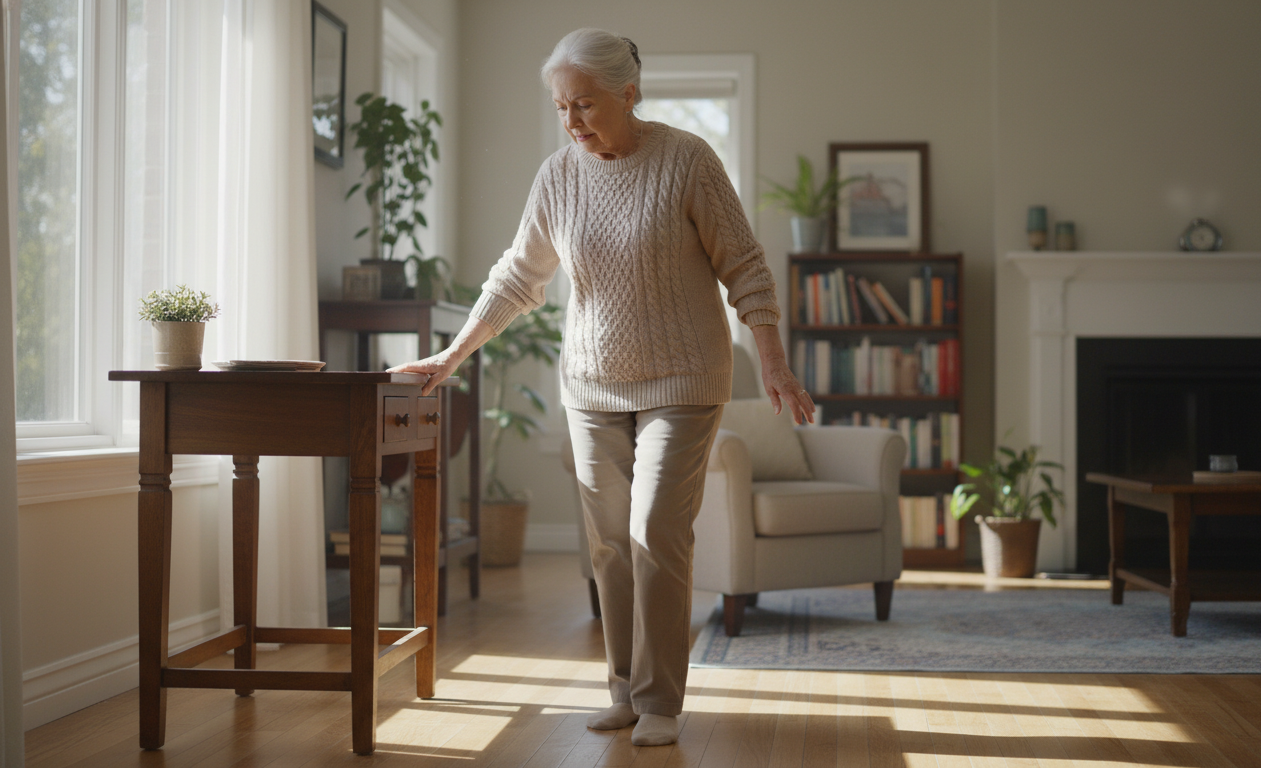
Balance doesn’t suddenly disappear after 60.
It slowly weakens as different systems in your body change with age.
Understanding why this happens makes it much easier to fix.
Muscle Loss and Weak Core Strength
As you age, your body naturally loses muscle mass.
This is called sarcopenia, and it affects strength and stability.
Weak leg muscles make it harder to stand, walk, or recover from a stumble.
A weak core also reduces your ability to stay upright.
Simple strength exercises can rebuild this support over time.
Changes in Inner Ear and Vision
Your inner ear plays a big role in balance.
It sends signals to your brain about movement and position.
With age, this system becomes less sensitive.
That can lead to dizziness or unsteadiness.
Vision also declines over time.
Poor eyesight makes it harder to judge distance and avoid obstacles.
Reduced Proprioception and Joint Stability
Proprioception is your body’s ability to sense where it is in space.
It helps you walk without looking at your feet.
This sense weakens with age.
That’s why you may feel less confident on uneven ground.
Joint stiffness also adds to the problem.
Tight ankles, knees, or hips limit smooth movement.
The key takeaway is simple: balance problems are not caused by just one issue.
They come from a mix of muscle weakness, sensory changes, and joint stiffness.
The good part is that all of these can improve with the right training.
Simple Balance Test at Home for Seniors Over 60
You don’t need special equipment to check your balance. These simple tests can give you a clear idea of where you stand.
Make sure you have a chair or wall nearby for safety. If you feel unsteady, stop right away.
One-Leg Stand Test
Stand next to a sturdy chair or countertop. Lift one foot off the ground and hold your balance.
Try to hold this position for as long as you can. Switch legs and repeat.
Here’s a simple guide to your results:
- 10 seconds or more → good balance
- 5–10 seconds → average balance
- Less than 5 seconds → higher fall risk
Heel-to-Toe Walk Test
Stand straight and place one foot directly in front of the other. Your heel should touch the toes of the opposite foot.
Walk forward in a straight line for about 10 steps. Keep your eyes forward, not down.
Watch for these signs:
- Stepping off the line
- Needing support
- Feeling unsteady
These may point to balance issues.
When to Be Concerned About Your Results
If you struggle with both tests, don’t ignore it. Frequent wobbling or near-falls are warning signs.
You should also pay attention if you:
- Feel dizzy often
- Avoid walking due to fear
- Have had a recent fall
Improving balance early can prevent serious injuries later. The next step is to start the right exercises.
Best Balance Exercises for Seniors Over 60 to Try at Home
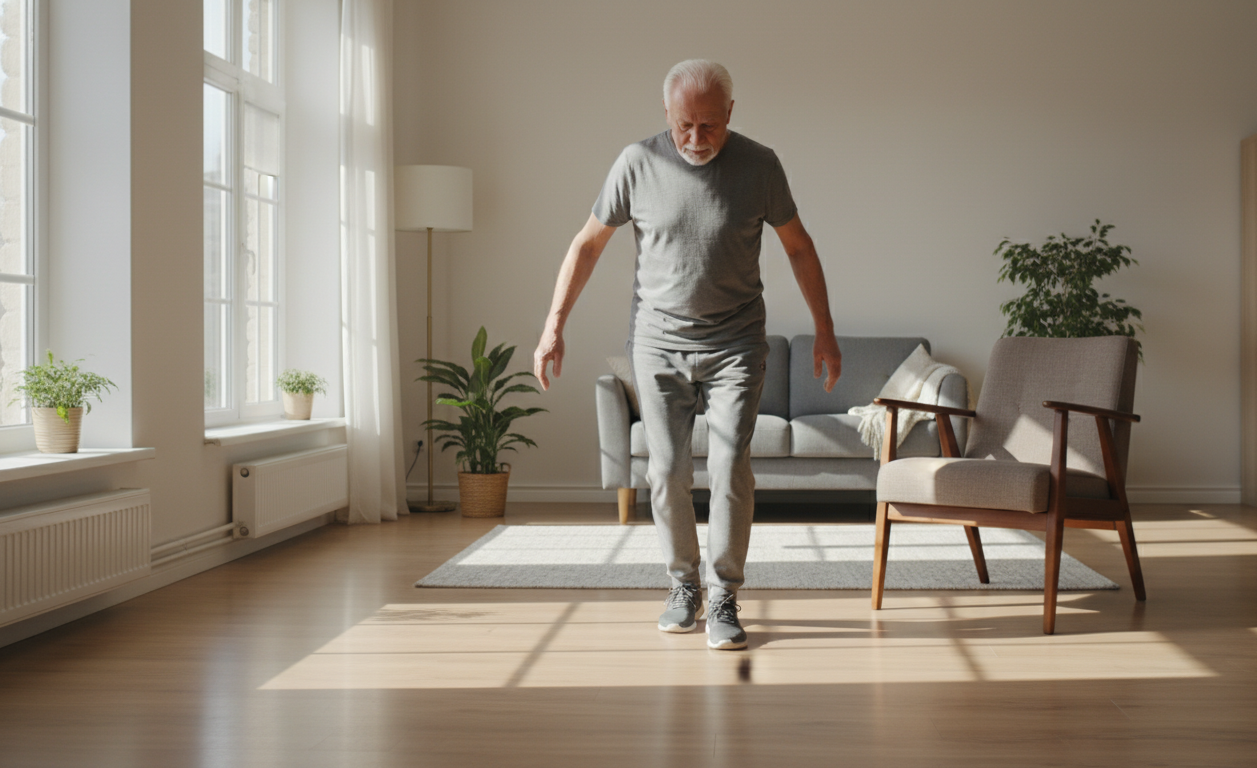
You don’t need a gym or fancy equipment to improve your balance. These simple exercises can be done at home and work well when practiced regularly.
Start slow and use a chair or wall for support when needed. As your confidence improves, you can reduce support gradually.
Beginner Balance Exercises for Seniors
These exercises are perfect if you’re just starting out. They help build confidence and basic stability.
- Standing on one foot
Stand behind a chair and hold it lightly. Lift one foot and balance for a few seconds, then switch sides. - Heel-to-toe walk
Walk in a straight line by placing one foot directly in front of the other. Keep your steps slow and controlled. - Chair-supported balance
Stand with both feet together and hold a chair. Try shifting your weight from side to side without lifting your feet.
Strength and Balance Training for Seniors
Stronger muscles make balance easier and safer. These movements target key areas like legs and core.
- Sit-to-stand
Sit in a chair and stand up without using your hands if possible. Slowly sit back down and repeat. - Leg raises
Hold a chair and lift one leg to the side or back. Keep your movements slow and controlled. - Mini squats
Stand with feet shoulder-width apart and bend your knees slightly. Keep your back straight and return to standing.
Proprioception Exercises for Better Stability
These exercises train your body to react better to movement and uneven surfaces.
- Balance with eyes closed
Stand near support and close your eyes for a few seconds. This challenges your body to rely on other senses. - Slow controlled movements
Move from sitting to standing very slowly. Focus on control instead of speed. - Use uneven surfaces (if safe)
Try standing on a folded towel or soft surface. This improves joint awareness and stability.
Consistency matters more than intensity. Doing these exercises daily can lead to steady improvement over time.
Easy Daily Balance Routine for Seniors to Prevent Falls
Doing random exercises won’t give you the best results. A simple daily routine helps your body improve faster and builds confidence over time.
This routine takes about 10 minutes and can be done at home. Stay near a chair or wall so you feel safe while practicing.
10-Minute Daily Balance Routine for Seniors
Follow this easy structure:
Warm-up (2 minutes)
- March in place slowly
- Roll your shoulders and ankles
- Take deep breaths to relax your body
Balance exercises (5 minutes)
- Stand on one foot for 10–15 seconds on each side
- Do heel-to-toe walking for 5–10 steps
- Shift your weight side to side while standing
Strength exercises (3 minutes)
- Do 8–10 sit-to-stands
- Try 8–10 mini squats
- Add a few leg raises on each side
Move slowly and stay in control. If something feels unsafe, stop and reset.
Weekly Progression Plan for Better Results
Start with support like a chair or wall. As you improve, try using less support.
You can increase difficulty by:
- Holding balance positions longer
- Closing your eyes briefly
- Adding more repetitions
Track your progress each week. Small improvements mean your balance is getting better.
How Long It Takes to Improve Balance After 60
Most people start noticing changes within a few weeks. Consistency matters more than intensity.
Look for these signs of progress:
- Standing longer without support
- Walking with more confidence
- Feeling less fear of falling
Stick with the routine daily. Over time, these small efforts add up to big improvements in stability.
Common Mistakes Seniors Make While Doing Balance Exercises
Balance exercises are simple, but small mistakes can slow progress or even increase your risk of falling. Fixing these early makes your routine much more effective.
Skipping Warm-Ups
Many people jump straight into exercises. Cold muscles don’t respond well and can lead to strain or loss of balance.
A quick warm-up prepares your body. It improves blood flow and helps you move with better control.
Holding Breath During Exercises
It’s common to hold your breath without noticing. This can make you feel dizzy and less stable.
Focus on steady breathing. Exhale during effort and keep your body relaxed.
Progressing Too Fast or Too Slow
Trying to do advanced exercises too soon can increase your risk of falling. Staying at the same level for too long can also slow improvement.
Increase difficulty gradually. Challenge yourself, but stay within a safe limit.
Not Having Support Nearby
Some seniors try to balance without any support. This can be risky, especially in the beginning.
Always keep a chair, wall, or countertop within reach. It gives you confidence and prevents accidents.
Small corrections can make a big difference. Safe practice leads to steady and long-lasting results.
How to Prevent Falls in Older Adults at Home
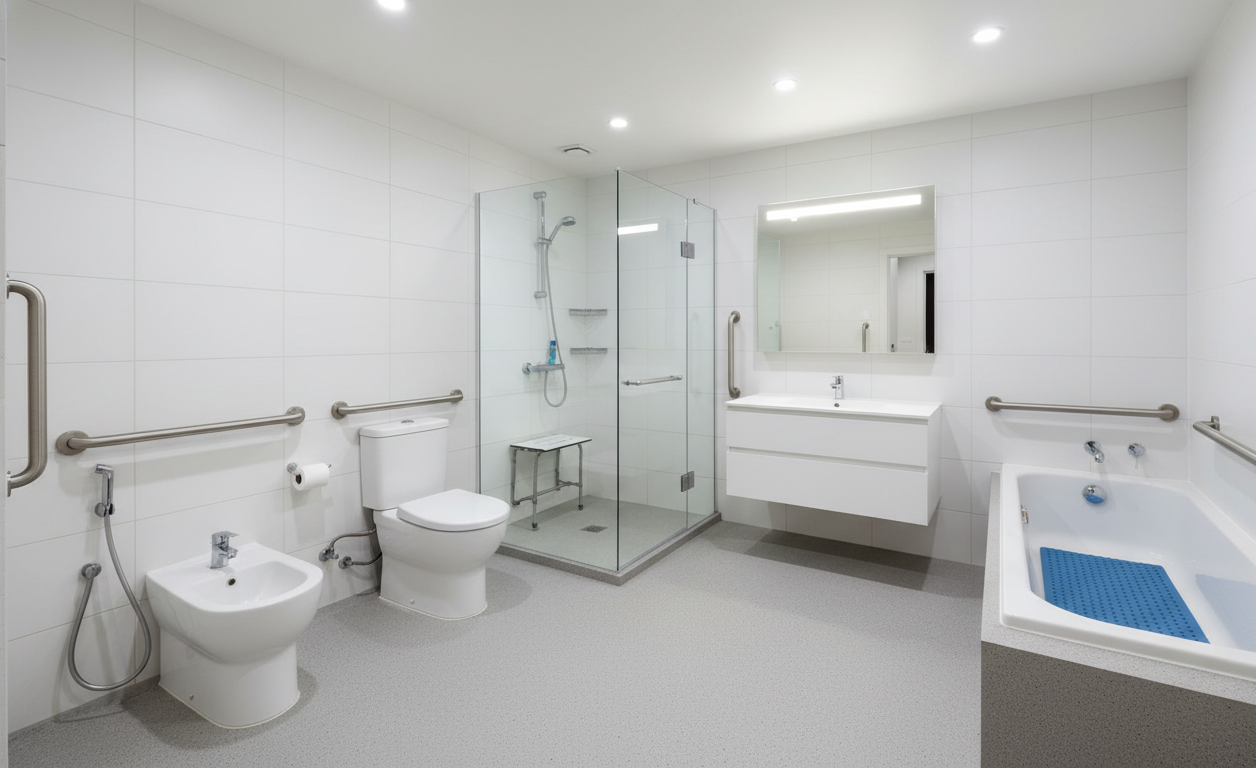
Improving balance is important, but making your home safer is just as critical. Small changes in your environment can greatly reduce your risk of falls.
Most falls happen at home during everyday activities. A few simple adjustments can make a big difference.
Home Safety Tips for Seniors
Start by removing anything that could cause you to trip. Clear walkways make movement safer and easier.
Focus on these quick fixes:
- Remove loose rugs or secure them with non-slip backing
- Keep floors free of clutter like wires or small objects
- Improve lighting in hallways, stairs, and bathrooms
- Install grab bars in bathrooms and near toilets
- Use non-slip mats in the shower or bathtub
These changes take little time but offer strong protection.
Footwear and Assistive Devices
What you wear on your feet matters more than most people think. Slippery or loose footwear can increase your fall risk.
Choose shoes that:
- Have a good grip
- Fit well and feel secure
- Provide proper support
If needed, use assistive devices like a cane or walker. These tools can improve stability and give you more confidence while moving.
When Dizziness and Balance Problems Need Attention
Occasional imbalance can happen, but frequent issues should not be ignored. They may point to an underlying problem.
Watch for these warning signs:
- Frequent dizziness or lightheadedness
- Trouble walking in a straight line
- Feeling unsteady even while standing still
- Recent falls or near-falls
If you notice these, getting the right guidance can prevent serious injuries. Early action helps you stay independent and safe.
Physical Therapy for Balance Problems in Salem, Oregon
Sometimes, exercises at home are not enough. If your balance issues are persistent or getting worse, professional guidance can speed up your recovery.
A targeted approach helps you improve faster and stay safe during the process.
How Physical Therapy Helps Improve Balance After 60
Physical therapy starts with a detailed assessment. This helps identify the exact cause of your balance problem.
Your plan may include:
- Strength training for weak muscles
- Balance and coordination exercises
- Gait training to improve walking
- Vestibular exercises if dizziness is involved
Each program is tailored to your needs. This makes your progress more effective and reduces fall risk.
Fall Prevention Programs in Salem OR
Working with a professional gives you a structured path forward. You also get real-time feedback to correct mistakes.
Benefits of supervised therapy include:
- Safer exercise progression
- Better confidence while moving
- Reduced fear of falling
- Faster improvement compared to doing it alone
This kind of support can make a big difference, especially after a fall or injury.
Why Choose Dr Raj at HWY Physical Therapy
Dr Raj focuses on helping seniors stay active and independent. You get one-on-one attention and a plan designed just for you.
The clinic is located at Center 50+, Salem City Building. It’s a convenient and trusted place for seniors in the community.
If you’re serious about improving your balance, getting expert help can save you time and prevent future injuries.
Tips to Improve Stability and Confidence in Daily Life After 60
Improving balance is not just about exercise. Small daily habits can make you feel more stable and confident throughout the day.
These simple changes can support your progress and help you stay active.
Stay Active with Safe Movement
Regular movement keeps your muscles strong and your body responsive. Staying active also helps your balance improve naturally over time.
You can try:
- Daily walking, even for 10–15 minutes
- Light activities like gardening
- Low-impact exercises like tai chi or gentle yoga
The goal is to keep moving without pushing too hard.
Nutrition and Hydration for Balance
Your body needs the right nutrients to stay strong. Poor nutrition can lead to weakness and increase your risk of falls.
Focus on:
- Calcium and vitamin D for bone strength
- Protein to maintain muscle mass
- Drinking enough water to avoid dizziness
Even mild dehydration can make you feel unsteady.
Building Confidence After a Fall
After a fall, fear can hold you back more than the injury itself. Avoiding movement can actually make balance worse.
Start small and build confidence step by step. Practice simple movements in a safe space.
Remind yourself that improvement takes time. With consistent effort, your confidence will return.
Topics to Read Further
- Vestibular rehabilitation exercises for seniors
- Best strength training exercises for older adults
- Home safety checklist for fall prevention in elderly
Contact HWY PT for Expert Advice and Support
Struggling with balance or worried about falling? You don’t have to figure it out alone. The right guidance can help you feel steady, confident, and independent again.
At HWY Physical Therapy, Dr Raj works closely with seniors to improve balance, reduce fall risk, and build strength safely. Each plan is tailored to your needs so you can see real progress without feeling overwhelmed.
Visit: Center 50+, Salem City Building, 2615 Portland Rd NE, Salem, OR
Call: 971-202-1979
Take the first step today and get the support you need to move with confidence again.
.png)