older adults
Knee Pain When Standing Up From a Chair in Seniors
Knee pain when standing up? Learn causes, easy fixes, and exercises. Get expert help at HWY Physical Therapy Clinic in Salem, Oregon.
Gentle arthritis exercises for seniors to reduce pain and stiffness. Get expert help at HWY Physical Therapy Clinic in Salem Oregon.
Arthritis can make even simple movements feel difficult. Stiff joints, pain, and reduced flexibility can slowly affect your daily routine.
Many seniors start avoiding movement because it hurts. This often makes stiffness worse and limits independence over time.
The good news is that the right kind of movement can help. Gentle physical therapy exercises are designed to reduce pain, improve mobility, and support your joints safely.
You don’t need intense workouts or long sessions. Simple, low-impact exercises done regularly can make a noticeable difference.
If you live in Salem, Oregon, you also have access to local support that can guide you through safe movement and recovery.
This guide will show you how to move your body in a safe and controlled way. You’ll learn a simple daily routine, how to handle pain, and how to stay consistent without feeling overwhelmed.
Arthritis affects how your joints move and feel. It often leads to stiffness, swelling, and pain that can make daily activities harder.
Osteoarthritis is the most common type. It happens when joint cartilage wears down over time.
Rheumatoid arthritis is different. It involves inflammation that can affect multiple joints.
Both types can cause stiffness, especially after rest. This is why movement may feel harder in the morning or after sitting.
Over time, joints may lose flexibility. Muscles around them can also weaken if they are not used regularly.
It may feel natural to rest when joints hurt. But too much rest can actually increase stiffness.
When you stop moving, joints become tighter. Muscles weaken and stop supporting the joints properly.
This puts more pressure on the affected areas. Pain and discomfort can increase as a result.
Staying gently active helps keep joints flexible. It also supports better movement and reduces long-term limitations.
The right kind of movement can actually reduce arthritis pain instead of making it worse. Gentle exercises keep your joints active without adding stress.
Low impact exercises are easier on your joints. They help you move without causing extra strain.
Regular movement improves blood flow. This helps reduce stiffness and keeps joints more flexible.
It also strengthens the muscles around your joints. Stronger muscles take pressure off painful areas.
Over time, simple exercises can make daily tasks easier. Walking, standing, and even getting up from a chair can feel more manageable.
Consistency matters more than intensity. Small efforts done daily can lead to steady improvement.
It’s important to understand the difference between safe discomfort and harmful pain.
Mild soreness during or after exercise is normal. This usually means your body is adjusting to movement.
Sharp or sudden pain is not normal. If something hurts in a strong or unusual way, stop that movement.
Swelling or lasting pain after exercise is also a warning sign. It means you may need to adjust your routine.
Move slowly and stay in control. Listening to your body helps you stay safe while making progress.
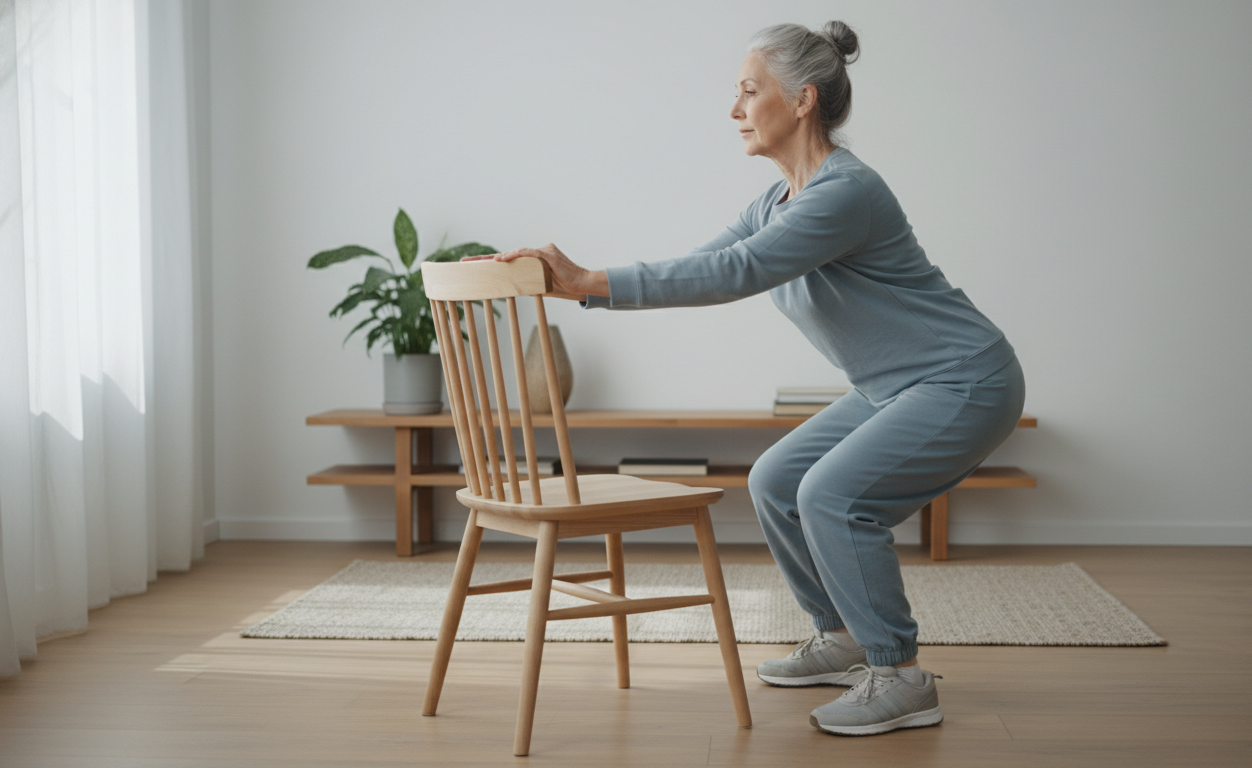
You don’t need a long workout to feel better. A short and simple routine done daily can help reduce stiffness and improve movement.
Start with a light warm-up to prepare your body. This helps reduce stiffness and lowers the risk of pain.
Try slow shoulder rolls while sitting or standing. Move in small circles and stay relaxed.
Rotate your ankles gently while seated. This improves circulation and loosens the joints.
You can also march in place slowly. Keep movements controlled and steady.
Spend about 3 to 5 minutes warming up. This makes the rest of the routine feel easier.
Mobility exercises help your joints move more freely. They are especially helpful for stiffness.
Raise your arms slowly and bring them back down. Do this within a comfortable range.
Try gentle knee bends while holding onto support. Do not go too low.
Move your fingers and wrists in slow, controlled motions. This helps with hand stiffness.
Repeat each movement a few times. Focus on smooth and steady motion.
Strength helps protect your joints. Even simple exercises can make a difference.
Practice chair squats by sitting and standing slowly. Use your hands for support if needed.
Do seated leg lifts to strengthen your thighs. Lift one leg at a time and hold briefly.
Wall push-ups are another safe option. Stand close to a wall and push gently.
Start with a few repetitions. Increase slowly as you feel comfortable.
Finish with a short cool down. This helps your body relax and recover.
Take slow deep breaths. Let your body settle after movement.
Do gentle stretches for your arms and legs. Avoid pushing into pain.
Move slowly and stay relaxed. This helps reduce soreness after exercise.

Mornings are often the hardest time for people with arthritis. Joints can feel tight and slow after hours of rest.
When you stay still for a long time, joints don’t get much movement. This leads to stiffness and reduced flexibility.
Fluid can also build up around the joints overnight. This makes them feel swollen or harder to move.
Muscles around the joints may feel tight as well. This adds to the discomfort when you first wake up.
That’s why gentle movement in the morning can help you start the day more comfortably.
Start slowly while still in bed or seated. There’s no need to rush.
Move your fingers and toes gently. Open and close your hands a few times.
Rotate your ankles and wrists in small circles. Keep the movement light and controlled.
Stretch your arms overhead if comfortable. Then relax them back down slowly.
Sit up and do a few slow marches in place. This helps wake up your lower body.
This short routine can make standing and walking feel easier.
Give yourself extra time in the morning. Rushing can increase discomfort.
Keep your movements slow and controlled. Avoid sudden actions.
A warm shower can help loosen stiff joints. Heat relaxes muscles and improves movement.
Starting your day gently can reduce pain and improve confidence.
Arthritis often affects certain joints more than others. Focusing on these areas can make daily movement easier and less painful.
Knee pain can make walking and standing difficult. Gentle exercises can help improve movement and reduce stiffness.
Try seated knee extensions. Sit on a chair and slowly straighten one leg, then bring it back down.
Heel slides are also helpful. While lying down, slide your heel toward your body and then extend it back.
You can also do supported standing. Hold onto a chair and gently bend your knees slightly.
Keep movements slow and controlled. Avoid going too deep into any position.
Hand stiffness can affect simple tasks like holding objects or opening jars. Regular movement helps maintain function.
Start with finger bends. Slowly make a fist and then open your hand fully.
Try gentle finger stretches. Spread your fingers apart and bring them back together.
You can also squeeze a soft ball lightly. This helps improve grip strength over time.
Move your wrists in small circles. Keep the motion smooth and pain-free.
Hip stiffness can affect balance and walking. Gentle exercises help improve flexibility and control.
Try seated marching. Lift one knee at a time while sitting.
Side leg raises are also useful. Hold onto support and lift your leg slightly to the side.
You can do gentle hip rotations while standing. Keep movements small and controlled.
Focus on comfort and stability. Stop if you feel sharp pain.

Starting is one thing. Staying consistent is what actually brings results.
Keep your routine short and easy to follow. Around 10 to 15 minutes is enough to start.
Pick a time that works best for you. Many people prefer mornings to reduce stiffness early.
Do your exercises at the same time each day. This builds a habit without much effort.
Keep a chair or support nearby. A safe setup makes it easier to stay regular.
You don’t need perfect conditions. Just showing up each day matters more.
Some days will feel harder than others. That’s normal with arthritis.
On bad days, reduce the intensity. Move slower and do fewer repetitions.
Focus more on gentle movements instead of strength exercises. This keeps joints active without strain.
Avoid stopping completely unless pain is severe. Light movement can still help reduce stiffness.
Listen to your body and adjust as needed. Staying flexible with your routine helps you stay consistent.
It’s easy to make small mistakes that slow progress or increase discomfort. Avoiding these can help you stay safe and see better results.
Many people feel motivated and try to do too much at once. This can lead to pain or flare-ups.
Start slow and build gradually. Your body needs time to adjust to new movements.
Doing a little every day is more effective than overdoing it once in a while.
Some people stop moving because of pain. This often makes stiffness worse over time.
Lack of movement weakens muscles. This adds more pressure on your joints.
Gentle movement, even in small amounts, helps keep joints flexible and functional.
Staying active is important, even on days when you feel stiff.
Not all pain should be pushed through. Ignoring warning signs can lead to injury.
Sharp or lasting pain is a signal to stop or adjust. Your body is telling you something is not right.
It’s better to modify exercises than to continue with discomfort.
Paying attention to your body helps you stay safe while making steady progress.
Sometimes, doing exercises on your own can feel confusing or slow. That’s where the right guidance can make a big difference.
Every person’s arthritis is different. Some joints may be more affected than others.
A physical therapist creates a plan based on your specific needs. This helps you focus on the right movements.
You get exercises that match your comfort level. This reduces the risk of pain or injury.
As your body improves, the plan is adjusted. This keeps your progress steady and safe.
It’s not just about what exercises to do. It’s also about how you do them.
A therapist helps you move correctly. This improves results and protects your joints.
You also learn how to manage pain during movement. This builds confidence and reduces fear.
Having guidance makes it easier to stay consistent. You know you are doing things the right way.
At HWY Physical Therapy in Salem, Dr Raj focuses on helping seniors move better with less pain.
You get one-on-one attention and a plan designed for your condition. The goal is to improve mobility and maintain independence.
Support is practical and easy to follow. This helps you stay active without feeling overwhelmed.
Getting the right help at the right time can make daily life much easier.
There are times when managing arthritis on your own becomes difficult. Knowing when to get help can prevent things from getting worse.
Severe stiffness that does not improve with movement is a clear sign. It may mean your joints need more support.
Pain that limits your daily activities should not be ignored. If simple tasks feel harder, it’s time to take action.
Swelling or reduced range of motion can also be warning signs. These can affect how your joints function over time.
Frequent discomfort during or after exercise may mean your routine needs adjustment.
Paying attention early can help you avoid long-term problems.
Getting help early can make recovery easier. It also helps prevent further joint damage.
You get a clear plan that matches your condition. This removes confusion and keeps you on track.
Guided exercises improve movement safely. This builds strength without increasing pain.
Early support can help you stay active and independent longer. It also improves your confidence in daily movement.
If arthritis pain is starting to limit your movement, getting the right help early can make daily life much easier. You don’t have to manage it alone.
At HWY Physical Therapy in Salem, Dr Raj focuses on helping seniors move with less pain and more confidence. The approach is simple, practical, and built around your needs.
You get one-on-one attention and a plan that fits your comfort level. The goal is to improve mobility, reduce stiffness, and help you stay active.
Whether you’re just starting to feel stiffness or dealing with ongoing pain, the right guidance can help you move better without fear.
Taking action now can help you stay independent and avoid bigger problems later.
Call 971-202-1979 to get started.
Knee pain when standing up? Learn causes, easy fixes, and exercises. Get expert help at HWY Physical Therapy Clinic in Salem, Oregon.
Discover how physical therapy for diastasis recti helps recovery in Portland, Salem, Eugene, Gresham, and Hillsboro. Get expert tips, exercises, and...
Knee pain from arthritis? Try safe, effective exercises for seniors. Get expert help at HWY Physical Therapy Clinic in Salem.
.png)
Whether you have questions about enhancing strength, increasing mobility, ensuring home safety, managing pain effectively, or preventing falls, I am here to provide expert guidance.
Limited Time Offer - $25 - Learn More