Neuropathy
How to Treat Neuropathy Without Surgery
Non-surgical neuropathy treatment in Salem Oregon using Neubie therapy. Get expert care at HWY Physical Therapy Clinic for nerve pain relief.
Learn why neuropathy causes falls and balance problems. Discover exercises, gait therapy, and Neubie rehabilitation at HWY Physical Therapy Clinic.
Peripheral neuropathy can affect much more than just sensation in the feet. Many people with neuropathy begin noticing balance problems, slower walking, instability during turning, or difficulty feeling the ground beneath them. Over time, these changes can increase the risk of falls, especially during everyday activities like walking outdoors, climbing stairs, or moving around at night.
For some seniors, the fear of falling becomes just as limiting as the nerve symptoms themselves. People often start walking more cautiously, taking shorter steps, or avoiding activity altogether because they no longer trust their balance. That loss of confidence can gradually lead to weaker muscles, poorer coordination, and even greater instability.
Neuropathy-related falls are common because the body depends heavily on sensation from the feet and legs to stay balanced during movement. When nerve signals become weaker or delayed, the brain has a harder time reacting quickly enough to prevent stumbles or loss of balance.
The good news is that physical therapy, gait retraining, balance exercises, and sensory rehabilitation may help improve walking safety and movement confidence. Many patients in Salem, Oregon also explore advanced rehabilitation options like the Neubie machine to support neuropathy recovery and balance training.
Peripheral neuropathy affects the nerves responsible for sensation, movement, and balance awareness. Many people first notice numbness, tingling, or burning in the feet, but the condition often affects walking stability long before a major fall happens.
As sensation decreases, the body has a harder time detecting movement changes and reacting quickly enough to stay balanced.
Neuropathy commonly affects the longest nerves in the body first, which is why symptoms often begin in the feet and lower legs.
Common symptoms include:
These symptoms may make walking feel less natural or less predictable over time.
The feet constantly send information to the brain about pressure, movement, and ground contact. This feedback helps the body stay upright while walking, turning, or changing direction.
When sensation becomes reduced:
Many people with neuropathy rely more heavily on vision because they can no longer fully feel where their feet are during movement.
Turning requires fast balance adjustments and precise foot control. Neuropathy can slow those corrections, especially when walking on uneven sidewalks, stairs, grass, or curbs.
Falls often happen during:
After a stumble or near-fall, many people begin walking more cautiously. Some reduce activity altogether because they no longer trust their balance.
Unfortunately, less movement often leads to weaker muscles, slower reactions, and worsening stability over time.
Numbness in the feet can make walking feel uncertain and less controlled. Many people with neuropathy describe it as walking on foam, thick socks, or uneven ground even when the surface is flat.
The body depends on foot sensation to guide balance and movement safely. When that feedback becomes weaker, the risk of stumbling and falling increases.
Healthy nerves help the brain understand exactly where the feet are during movement. Neuropathy reduces that awareness, which can make stepping less precise.
People may begin:
These problems often become more noticeable during turning or walking on uneven surfaces.
Small balance corrections happen automatically during walking. Neuropathy can slow those reactions because the brain receives weaker signals from the feet and ankles.
This may lead to:
Even a slight delay can increase fall risk significantly.
Stairs, curbs, and uneven sidewalks require precise foot placement and timing. Reduced sensation may make it harder to judge height, pressure, and foot position accurately.
Many neuropathy-related falls happen while:
Physical therapy often focuses on improving stepping accuracy, walking mechanics, and balance reactions. Exercises may help patients develop safer movement habits and better awareness during walking.
Many neuropathy rehabilitation programs also include gait retraining, turning drills, and sensory balance exercises to reduce fall risk during daily activities.
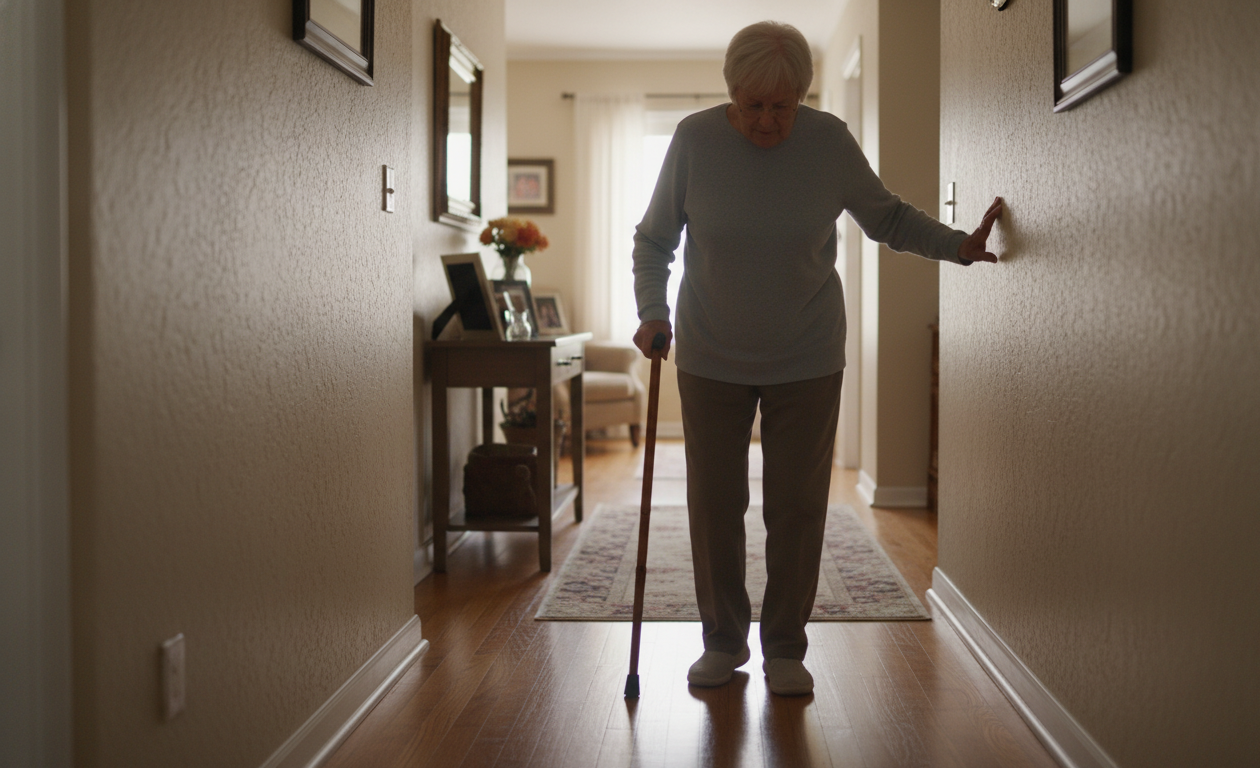
Neuropathy-related balance problems often develop gradually. Many people adjust their walking without realizing how much their movement patterns have changed over time.
Recognizing these warning signs early may help reduce fall risk and prevent worsening instability.
Many people with neuropathy begin taking smaller or slower steps because they feel less stable during movement. Walking may become stiff or cautious, especially during turning or walking outdoors.
Some people notice:
These changes may increase tripping risk over time.
Reduced sensation in the feet can make it harder to judge pressure and ground contact accurately. Some people feel disconnected from the floor while walking.
Common descriptions include:
This often becomes worse during barefoot walking or low-light conditions.
Many neuropathy patients rely heavily on vision for balance. When lighting becomes poor, stability often worsens because visual compensation becomes limited.
Nighttime walking may feel:
This is one reason nighttime falls are common with neuropathy.
Neuropathy can affect foot clearance and stepping accuracy. People may begin catching their toes on rugs, curbs, stairs, or uneven surfaces more often.
Repeated stumbling should not be ignored, especially if falls or near-falls are becoming more frequent.
Some people with neuropathy feel safer when visually monitoring every step. While this may temporarily improve confidence, constantly looking down can affect posture and reduce awareness of the surrounding environment.
Turning movements require quick balance correction and accurate foot placement. Neuropathy may make these adjustments slower and less coordinated.
Many people notice increased instability while:
Many people with neuropathy change the way they walk without realizing it. These movement patterns often develop as the body tries to compensate for numbness, weakness, or reduced balance awareness.
While some adjustments may feel safer at first, they can sometimes increase instability and fall risk over time.
Some people begin lifting their knees higher than normal while walking because they have trouble sensing where the feet are during movement. This is sometimes called a high-stepping gait pattern.
The body may do this to:
This walking pattern can become tiring and less efficient over time.
Other people respond to instability by taking very short and cautious steps. Walking may appear stiff or hesitant, especially on uneven surfaces or during turning movements.
Common signs include:
These changes often develop after repeated near-falls or loss of confidence.
Many neuropathy patients rely heavily on vision because they cannot fully feel where their feet are. Constantly looking down may temporarily improve stepping accuracy, but it can also affect posture and reduce awareness of surroundings.
This habit may increase difficulty navigating crowded or unfamiliar environments.
Some people naturally widen their stance while walking to feel more balanced. While this may improve short-term stability, it can also make turning and directional changes less smooth and more difficult.
Physical therapy often focuses on improving walking mechanics while helping patients feel safer and more confident during movement.
Neuropathy changes walking because the brain no longer receives clear information from the feet and legs. As sensation decreases, the body begins adjusting movement patterns to feel safer and more stable.
These changes often happen gradually, which is why many seniors do not notice how much their walking style has shifted over time.
Many seniors with neuropathy begin taking shorter steps because walking feels less predictable. Reduced sensation may also make it harder to lift the feet normally during movement.
This can lead to:
Shorter steps may feel safer initially, but they can reduce natural walking rhythm and movement efficiency.
The body constantly makes small balance corrections while walking. Neuropathy can slow those reactions because nerve signals travel less effectively between the feet, legs, and brain.
As reaction timing decreases:
Even minor delays can increase fall risk during daily activities.
When foot sensation decreases, many seniors depend more heavily on visual feedback to guide movement. They may constantly watch the ground or monitor each step carefully while walking.
This often becomes more noticeable:
Poor lighting can make walking feel especially unstable because visual compensation becomes limited.
Walking safely requires coordination between movement, balance, and attention. Neuropathy increases the mental effort needed for walking, which makes multitasking more difficult.
Activities like talking while walking, carrying groceries, or turning quickly may overload balance control and increase the risk of stumbling or falling.
Physical therapy helps people with neuropathy improve walking safety, balance control, and movement confidence. Since neuropathy affects sensation, coordination, and reaction timing, treatment often focuses on retraining the body to move more safely during everyday activities.
The goal is not just to strengthen muscles. Therapy also helps improve foot awareness, stepping accuracy, posture, and balance reactions.
A physical therapist first identifies the specific movement problems contributing to instability and fall risk.
A neuropathy evaluation may include:
These tests help determine how neuropathy is affecting movement and balance control.
Gait retraining focuses on improving the way a person walks during daily activities. Many neuropathy patients develop compensations like shuffling, wider walking patterns, or reduced foot clearance.
Therapy may help improve:
Patients often practice real-world walking situations rather than only basic exercises.
Balance therapy commonly includes:
These exercises help train the body to respond more effectively during movement changes and unexpected balance challenges.
Neuropathy affects every person differently. Some people struggle more with numbness, while others experience weakness, dizziness, or severe walking instability.
Personalized therapy programs help ensure:
Many seniors in Salem, Oregon use neuropathy-focused physical therapy and fall prevention rehabilitation to improve mobility and reduce the risk of serious falls.
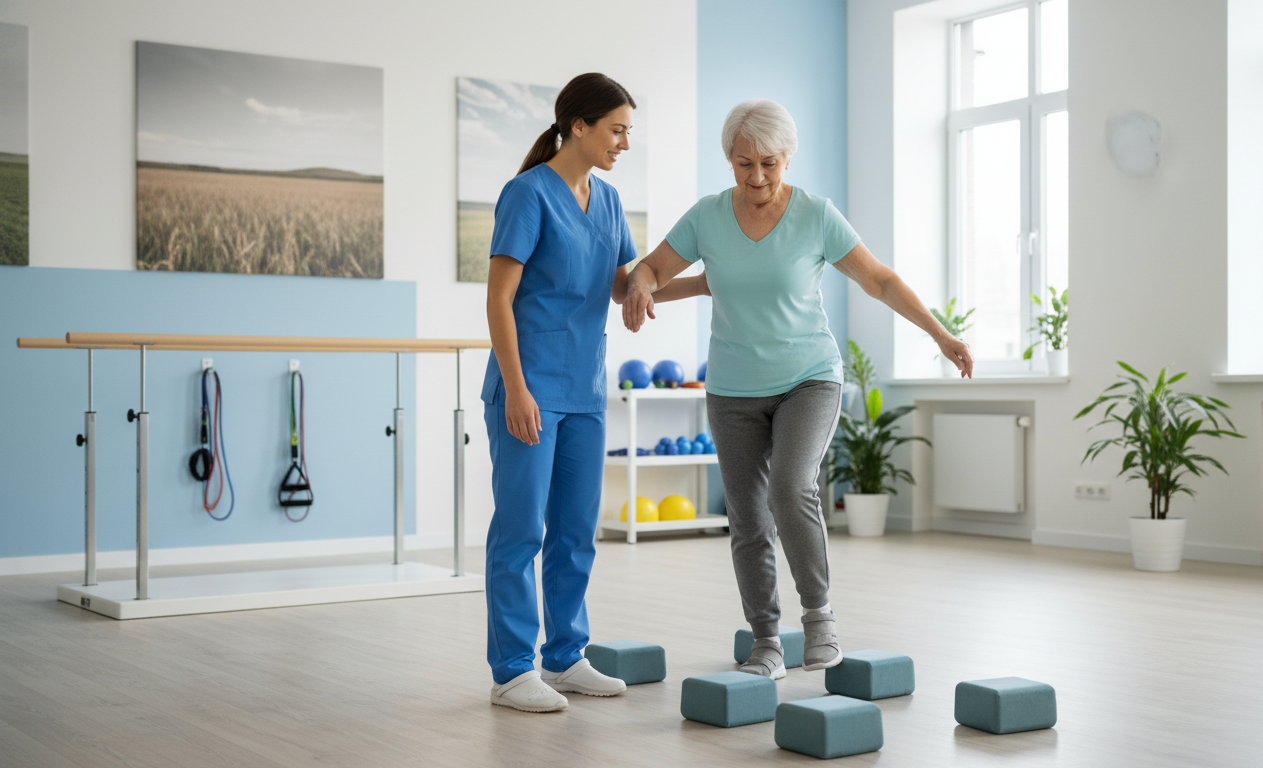
Balance exercises for neuropathy should focus on improving foot awareness, walking control, and reaction timing. Many physical therapists combine strength, coordination, and sensory retraining exercises to help reduce fall risk during daily movement.
Exercises should always begin at a safe difficulty level and progress gradually over time.
Heel-to-toe walking helps improve stepping control and walking coordination. The exercise involves placing one foot directly in front of the other while moving slowly and steadily.
This type of training may help:
Most people practice near a wall or countertop for safety.
Weight-shift exercises help retrain balance control while transferring body weight from one leg to the other.
Common drills include:
These exercises help improve stability during walking and turning movements.
Directional stepping exercises train the body to react more safely during movement changes.
Therapy may include:
These exercises often improve coordination and reduce hesitation during walking.
Many neuropathy-related falls happen during turning movements. Turning exercises help improve balance correction and foot control during directional changes.
Patients may practice:
Moving slowly and maintaining posture is usually more important than speed.
Ankle strength plays an important role in balance recovery. Weak ankles may reduce the body’s ability to correct small losses of balance quickly.
Exercises may include:
Improving ankle stability often supports safer walking and turning.
Some people with severe neuropathy or high fall risk begin with seated exercises before progressing to standing activities.
Seated exercises may focus on:
This allows patients to build movement confidence safely before advancing to more challenging balance exercises.
Proprioception is the body’s ability to sense position and movement during activity. People with neuropathy often lose part of this awareness because damaged nerves send weaker signals from the feet and legs to the brain.
Sensory and proprioception exercises help retrain movement awareness and improve balance control during walking.
Healthy proprioception helps people:
When proprioception becomes weaker, the body may struggle to detect uneven surfaces, turning movements, or sudden shifts in balance.
This is one reason neuropathy increases fall risk.
Some therapy programs use carefully supervised barefoot exercises to improve sensory awareness and foot control. These exercises help patients focus more closely on pressure, movement, and ground contact.
Examples may include:
Barefoot training should only be performed in safe environments and under professional guidance when needed.
Changing surfaces challenges the balance system and improves movement adaptation.
Physical therapists may use:
These exercises help train the body to react more effectively during real-world walking situations.
Obstacle training improves stepping accuracy and reaction timing. Patients practice lifting the feet carefully while navigating controlled movement challenges.
Exercises may include:
These movements help improve coordination and reduce hesitation during walking.
Neuropathy often slows balance correction during sudden movement changes. Reaction-time exercises help train faster stepping and safer recovery during instability.
Therapy may include:
Improving reaction timing may help reduce stumbling and increase walking confidence during daily activities.
Many people with neuropathy notice that walking and balance become harder later in the day. Movements that feel manageable in the morning may feel slower, less stable, or more exhausting after long periods of standing or activity.
Fatigue can affect both the muscles and the nervous system, which may increase fall risk during everyday movement.
Neuropathy already reduces the body’s ability to react quickly during walking and turning. When muscles become tired, those balance corrections may slow down even more.
Fatigue may lead to:
Even mild exhaustion can make movement feel less controlled.
Long shopping trips, standing for extended periods, or busy days often increase instability in people with neuropathy. As the body tires, walking mechanics may become less efficient.
Many people notice:
These changes may increase the risk of late-day falls.
Fatigue can reduce concentration and movement awareness. Neuropathy patients already rely heavily on visual attention and careful stepping during walking.
As mental and physical energy decline:
Pacing activities throughout the day may help reduce exhaustion-related instability.
Helpful strategies include:
Managing fatigue often helps people maintain safer and more confident movement throughout the day.
Many people with neuropathy feel less stable at night, even inside familiar environments like their own home. Walking that feels manageable during the day may suddenly feel uncertain in low-light conditions.
Nighttime falls are especially common because people with neuropathy often depend heavily on vision to compensate for reduced sensation in the feet.
During the day, the eyes help guide foot placement and movement. At night, that visual support becomes weaker, especially in dark hallways or dim bedrooms.
Without clear visual feedback, people may struggle to:
This can make nighttime walking feel slower and less controlled.
Neuropathy already reduces awareness of pressure and ground contact. In dark environments, the body loses both sensory and visual feedback at the same time.
This combination may increase:
Many people notice increased unsteadiness when getting out of bed quickly.
Bathrooms and hallways are common locations for nighttime falls.
Higher-risk situations include:
Fatigue and grogginess may also slow reaction timing during nighttime movement.
Small home adjustments can help reduce nighttime fall risk.
Helpful strategies include:
These changes may improve walking confidence and reduce unexpected balance challenges during nighttime movement.
Outdoor walking often feels more challenging than walking inside the home for people with neuropathy. Sidewalks, curbs, uneven terrain, and unexpected obstacles require fast balance correction and accurate foot placement.
When sensation and reaction timing become reduced, outdoor movement may feel unpredictable and mentally exhausting.
Small surface changes that once felt routine can become difficult with neuropathy. Cracks in sidewalks, uneven pavement, and curb transitions require precise stepping control.
Many people struggle with:
Falls often happen when movement adjustments occur too slowly.
Outdoor environments constantly change. People may need to react quickly to pedestrians, obstacles, pets, bicycles, or shifting terrain.
Neuropathy can slow:
This may increase hesitation and reduce confidence during community walking.
Soft or uneven surfaces create additional balance challenges because the feet receive inconsistent pressure and movement feedback.
Walking on:
may feel especially unstable for people with reduced foot sensation.
Physical therapy often includes movement training designed for real-world situations. Patients may practice directional changes, stepping drills, obstacle navigation, and balance recovery exercises that improve walking safety outside the home.
Many neuropathy rehabilitation programs also focus on helping patients feel more confident walking in busy or unpredictable environments. Over time, this can improve mobility, independence, and willingness to stay active outdoors.
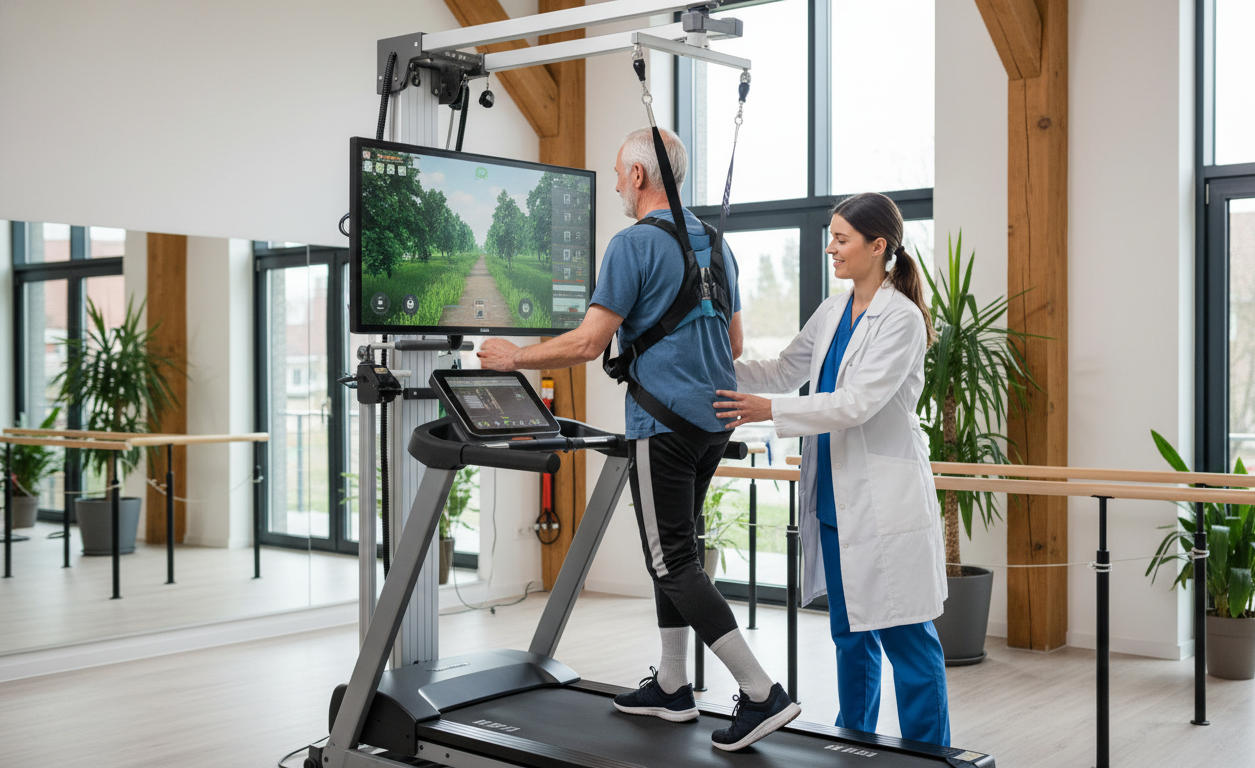
Traditional balance and strengthening exercises remain an important part of neuropathy rehabilitation, but some patients also benefit from newer treatment approaches that focus on neuromuscular retraining and movement coordination.
Advanced rehabilitation technologies are increasingly being used to help improve walking mechanics, balance awareness, and muscle activation in people with neuropathy-related instability.
Neuromuscular stimulation uses electrical signals to help activate muscles and improve communication between the nervous system and movement patterns.
In physical therapy, this type of treatment may help support:
These therapies are often combined with exercise and functional movement training rather than used alone.
Neuro-reeducation focuses on retraining the brain and body to work together more efficiently during movement. Since neuropathy changes sensation and balance feedback, the body may develop unsafe walking compensations over time.
Therapy often works on:
Repeated movement practice helps reinforce more stable walking patterns during daily activities.
The Neubie machine is a neuromuscular electrical stimulation device used in some rehabilitation programs to support muscle activation and movement retraining. It is often incorporated into exercise-based therapy sessions rather than passive treatment alone.
Some therapists use Neubie-assisted rehabilitation to help patients improve:
The Neubie device is commonly paired with guided movement exercises to help reinforce safer and more efficient movement patterns. This may be especially helpful for people whose walking mechanics have changed because of neuropathy-related weakness or instability.
Advanced neuromuscular stimulation therapies like the Neubie device are increasingly used to support neuropathy rehabilitation and movement retraining. Learn more about neuropathy-focused Neubie therapy at Neufit: https://www.neu.fit/neuropathy/
At HWY Physical Therapy Clinic in Salem, Oregon, the Neubie machine is available as part of personalized neuropathy rehabilitation and fall prevention programs. Treatment plans may combine gait retraining, balance therapy, strengthening exercises, and movement-based neuromuscular rehabilitation to help improve walking safety and confidence.
Walking safely requires the brain, muscles, eyes, and nerves to work together constantly. Neuropathy makes this process harder because the body receives weaker sensory feedback from the feet and legs.
As a result, activities that combine movement with attention or quick direction changes may feel much more difficult and unstable.
Turning is one of the most demanding balance movements the body performs. The feet must reposition quickly while the body shifts weight and changes direction at the same time.
Neuropathy can make turning harder because:
Many people feel most unstable while pivoting or turning quickly in tight spaces.
Carrying groceries, laundry, or household items changes posture and limits natural arm movement. This can reduce balance correction and make walking feel less controlled.
Holding objects may also:
These challenges become more noticeable on uneven surfaces or stairs.
People with neuropathy often need more concentration to walk safely. Distractions can reduce attention available for balance and foot placement.
Common examples include:
Even small distractions may increase stumbling risk when sensation and reaction timing are already reduced.
Multitasking forces the brain to split attention between movement and another task. Neuropathy patients may struggle more with divided attention because walking already requires extra focus.
Physical therapy often includes movement drills that improve coordination during real-world walking situations, including turning, obstacle navigation, and multitasking activities.
Small safety changes can make a major difference for people living with neuropathy. Since reduced sensation and slower balance correction increase fall risk, creating safer movement habits at home and outdoors becomes especially important.
Many falls happen during routine activities, not major accidents.
Supportive footwear helps improve stability and protect the feet during walking. Shoes should fit securely and provide steady contact with the ground.
Helpful footwear features include:
Many people feel safer wearing supportive shoes even inside the home rather than walking barefoot or in socks.
Some footwear choices may reduce balance awareness or increase instability.
Common problems include:
Shoes that shift during walking can make stepping feel even less predictable for people with neuropathy.
Simple home adjustments often improve walking safety significantly.
Helpful changes may include:
These changes may reduce unnecessary balance challenges during daily movement.
Good lighting is especially important because many neuropathy patients rely heavily on vision for balance.
Helpful lighting changes include:
Improved visibility may reduce nighttime falls and hesitation during movement.
Canes and walkers may improve stability for some people with neuropathy, but they should fit properly and match the person’s walking needs.
Poorly adjusted mobility aids can sometimes create additional balance problems.
Some people with severe instability or repeated falls may need supervision during outdoor walking or busy activities.
This is especially important if they experience:
Early support and therapy may help reduce long-term fall risk and improve confidence during movement.
Neuropathy-related balance problems often progress gradually, which makes changes easy to overlook at first. Many people slowly adapt their walking habits without realizing how much stability has declined over time.
Recognizing worsening symptoms early may help reduce fall risk and prevent more serious mobility problems later.
Occasional tripping can happen to anyone, but repeated stumbling may signal worsening balance control or reduced foot awareness.
Warning signs include:
Frequent stumbling should not be ignored, especially if confidence during movement is decreasing.
Many people with neuropathy feel more unsteady at night because they rely heavily on vision for balance. If nighttime walking suddenly feels harder or more dangerous, balance problems may be progressing.
Some people notice:
Turning movements require fast balance correction and accurate foot placement. Worsening neuropathy may make turning feel slower, less controlled, or mentally exhausting.
Many people begin:
Using walls, countertops, or furniture for support more frequently may indicate declining balance control.
This often happens because the body no longer feels stable enough during unsupported walking.
Some people begin avoiding sidewalks, stores, parking lots, or uneven outdoor surfaces because they no longer trust their balance.
Reduced activity may lead to weaker muscles and worsening mobility over time. Early balance rehabilitation and gait training may help improve walking safety before falls become more serious.
Caregivers often notice balance and walking changes before the person with neuropathy fully recognizes how much movement has become more difficult. Paying attention to these early signs may help prevent serious falls and encourage earlier treatment.
Small changes in walking confidence can sometimes signal worsening instability.
Many people with worsening balance problems begin using walls, countertops, or furniture for support while moving around the house.
Caregivers may notice:
These behaviors often indicate reduced confidence in balance control.
Neuropathy patients may start moving more slowly or cautiously during everyday activities.
Common examples include:
This cautious movement pattern may develop after repeated near-falls or increasing instability.
Outdoor environments often feel more unpredictable for people with neuropathy. Uneven sidewalks, curbs, parking lots, and crowded spaces may increase anxiety during walking.
Some people begin:
Reduced activity may gradually weaken strength and balance even further.
A noticeable change in posture, walking speed, or willingness to move can signal worsening balance problems.
Caregivers should pay attention if someone suddenly:
Near-falls are often warning signs before a serious fall occurs. Repeated stumbling, toe catching, or difficulty recovering balance should not be dismissed as normal aging.
Early physical therapy and fall prevention training may help improve walking safety and reduce long-term injury risk.
Many people with neuropathy wonder if balance and walking problems can actually get better. While recovery depends on the cause and severity of the nerve damage, many patients improve movement safety, stability, and confidence with consistent treatment and exercise.
The earlier balance problems are addressed, the better the chances of preventing serious falls and long-term mobility decline.
Waiting until repeated falls occur often makes recovery more difficult. Early intervention may help slow the progression of unsafe walking patterns and improve movement control before instability becomes severe.
Physical therapy can help identify:
Addressing these issues early may reduce future fall risk.
Many people with neuropathy begin walking more cautiously because they no longer trust their balance. Therapy helps rebuild confidence through gradual movement practice and safer walking strategies.
Patients often notice:
Even small improvements can make daily activities feel more manageable.
Balance recovery usually happens gradually rather than all at once.
Early improvements may include:
These changes often encourage people to stay more active and consistent with therapy.
Balance retraining depends heavily on repetition and regular movement practice. The body learns safer movement patterns over time through consistent exercise, walking practice, and coordination training.
Many people experience the best long-term improvements when therapy focuses on both strength and real-world movement control during everyday activities.
Yes. Neuropathy can increase fall risk because it affects sensation, balance awareness, muscle control, and reaction timing. Many people with neuropathy have difficulty feeling the ground beneath their feet, which can make walking and turning less stable.
Falls often happen during:
The feet constantly send movement and pressure information to the brain. Neuropathy weakens those signals, which makes it harder for the body to detect balance changes and react quickly enough during walking.
Reduced sensation may lead to:
Many people rely more heavily on vision because they cannot fully feel foot position during movement.
Physical therapy exercises often focus on improving walking safety, foot awareness, coordination, and balance control.
Common exercises include:
Programs should progress gradually based on the individual’s mobility and fall risk.
Yes. Physical therapy may help improve gait mechanics, posture, balance reactions, and movement confidence. Many neuropathy rehabilitation programs include gait retraining, sensory balance exercises, and fall prevention training designed for real-world walking situations.
The Neubie machine is a neuromuscular electrical stimulation device used in some physical therapy programs to support movement retraining and muscle activation. It is often combined with guided exercise and balance rehabilitation for patients with walking instability or neuropathy-related movement changes.
Neuropathy progression depends on the underlying cause, but untreated balance problems and reduced activity may lead to worsening weakness, instability, and fall risk over time.
Early treatment, movement training, and fall prevention therapy may help people maintain safer mobility and independence longer.
Neuropathy-related balance problems can make everyday movement feel frustrating, exhausting, and unpredictable. Many people begin avoiding activity because they no longer trust their walking stability or reaction timing. The good news is that targeted rehabilitation may help improve balance, movement confidence, and fall prevention.
At HWY Physical Therapy Clinic, Dr Raj provides personalized neuropathy rehabilitation and fall prevention therapy for patients in Salem, Oregon. Treatment programs include:
The Neubie machine is available at HWY PT as part of individualized therapy programs focused on improving walking mechanics, muscle activation, and movement coordination.
HWY Physical Therapy Clinic
Center 50+
2615 Portland Rd NE
Salem, OR 97301
Call: 971-202-1979
Early treatment may help reduce fall risk, improve mobility, and support safer movement both inside and outside the home.
Non-surgical neuropathy treatment in Salem Oregon using Neubie therapy. Get expert care at HWY Physical Therapy Clinic for nerve pain relief.
Burning foot pain can signal neuropathy, nerve irritation, or circulation issues. Learn causes, treatments, and how HWY Physical Therapy Clinic can...
Learn how outpatient physical therapy for neuropathy improves balance, mobility, and confidence. NEUBIE therapy available at HWY PT.
.png)
Whether you have questions about enhancing strength, increasing mobility, ensuring home safety, managing pain effectively, or preventing falls, I am here to provide expert guidance.
Limited Time Offer - $25 - Learn More