Home-based care allows people to receive support and treatment in the comfort of their own homes. Exercise plays a major role in helping individuals stay mobile, safe, and independent in this setting.
Exercise prescription goes beyond general movement or activity. It involves selecting specific exercises that match a person’s abilities, goals, and home environment.
When exercises are properly prescribed, they can improve strength, balance, and confidence with daily tasks. Poorly chosen or generic exercises may increase risk or limit progress.
This article explains the role of exercise prescription in home-based care. It also shows how personalized exercise plans support recovery, independence, and long-term health.
What exercise prescription means in home-based care
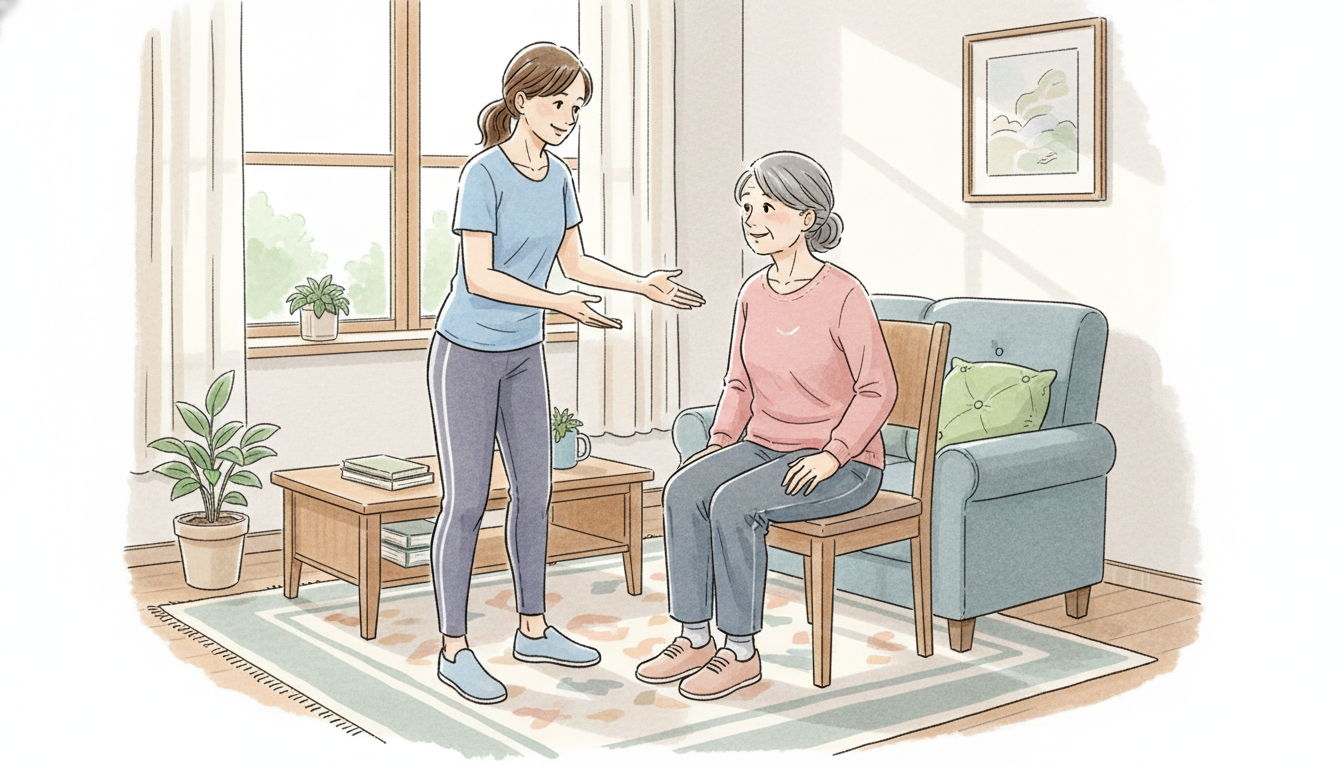
Exercise prescription refers to the intentional selection of exercises based on a person’s needs and abilities. It is designed to improve movement, safety, and function in daily life.
In home-based care, exercise prescription must account for real living conditions. Space, furniture, flooring, and daily routines all influence what exercises are appropriate.
What exercise prescription actually is
Exercise prescription is not a generic list of movements. It is a structured plan created to address specific limitations and goals.
Each exercise is chosen for a clear purpose. The plan also considers how often and how safely exercises should be performed.
Prescribed exercises are adjusted as progress occurs. This helps ensure continued improvement without unnecessary strain.
How home-based care changes the approach
Home-based care requires exercises that fit naturally into daily routines. Movements often mirror tasks like standing up, walking, or reaching.
Limited equipment means exercises rely on body weight and simple tools. This makes proper selection and progression even more important.
Safety is a primary concern in the home. Exercises must reduce fall risk while still challenging strength and balance.
Why individualized exercise prescription matters more at home
Home-based care places unique demands on the body and environment. Exercises must match both physical ability and the realities of daily living.
Generic exercise plans often fail in home settings. They may ignore safety risks or functional needs.
The difference between generic exercises and prescribed programs
Generic exercises are usually designed for broad audiences. They do not account for specific limitations, injuries, or living conditions.
Prescribed exercise programs are customized. Each movement supports a specific goal like balance, strength, or safe mobility.
Individualized plans also adjust over time. Progression helps prevent plateaus and reduces injury risk.
Safety considerations in a home environment
Homes present fall risks such as stairs, rugs, and tight spaces. Exercise prescription must account for these hazards.
People with limited mobility or balance issues benefit most from customization. Seniors, post-surgical patients, and those with chronic pain often need tailored guidance.
Proper exercise selection improves confidence. This helps people move more safely and consistently at home.
The role of physical therapists in home-based exercise prescription
Physical therapists play a key role in designing safe and effective home exercise programs. Their training allows them to match exercises to individual needs and limitations.
In home-based care, therapists consider how a person moves in their own environment. This helps ensure exercises support real-life activities.
Assessment and movement evaluation
Physical therapists begin with a detailed movement assessment. Strength, balance, flexibility, and coordination are carefully evaluated.
They also observe how daily tasks are performed. This includes walking, standing up, and navigating the home.
Understanding these patterns helps identify risks. It also guides exercise selection.
Creating and adjusting a home exercise plan
Therapists design exercises that fit the home setting. Each movement has a specific purpose tied to function.
Exercise plans are adjusted as progress occurs. This ensures continued improvement without unnecessary strain.
Ongoing reassessment is important. It helps keep exercises challenging but safe.
Exercise prescription for seniors receiving home-based care

Seniors often face changes in strength, balance, and mobility that affect daily safety. Exercise prescription helps address these changes in a controlled and supportive way.
Home-based care allows exercises to be tailored to real daily tasks. This makes movement training more relevant and effective.
Addressing strength, balance, and mobility decline
Prescribed exercises focus on maintaining lower body strength. Stronger muscles support safer walking and transfers.
Balance training helps improve stability during standing and movement. This reduces fear and risk of falling.
Mobility exercises support joint movement and flexibility. These movements help seniors stay comfortable and active.
Reducing fall risk through targeted exercise
Falls are a major concern for older adults at home. Exercise prescription targets balance, reaction time, and coordination.
Practicing safe movement builds confidence. This encourages consistent participation in daily activity.
How exercise prescription supports recovery and long-term independence
Exercise prescription plays an important role in recovery when care is delivered at home. Targeted movement helps people regain function while staying safe in their own environment.
Personalized exercises support gradual improvement. This approach reduces setbacks and encourages steady progress.
Post-injury and post-surgery recovery at home
After injury or surgery, movement must be carefully reintroduced. Prescribed exercises help restore strength and mobility without overloading the body.
Home-based recovery allows exercises to align with real daily tasks. This makes progress more meaningful and practical.
Consistent exercise supports healing. It also helps prevent stiffness and weakness during recovery.
Managing chronic conditions with home exercise
Chronic conditions often require long-term movement strategies. Exercise prescription helps manage pain and maintain function.
Regular, tailored exercise supports joint health and endurance. This helps people stay active and engaged in daily life.
Over time, consistent movement builds confidence. This supports independence and long-term well-being.
The importance of progression and monitoring in home exercise programs
Exercise programs must change as the body adapts. Without progression, improvement can slow or stop.
Monitoring ensures exercises remain safe and effective. This is especially important in home-based care.
Why exercise progression is critical
As strength and balance improve, exercises need to be adjusted. Progression helps the body continue to adapt and improve.
Doing the same exercises for too long can limit results. Gradual increases in challenge support continued gains.
Progression also reduces injury risk. Exercises that are too easy or too hard can both cause problems.
Monitoring progress outside the clinic
Monitoring helps identify how the body responds to exercise. Changes in pain, balance, or fatigue provide important feedback.
Regular check-ins allow exercises to be modified as needed. This keeps the program aligned with recovery and safety goals.
Observation is especially important in home settings. Small issues can be addressed before they become setbacks.
The role of caregivers in home-based exercise prescription

Caregivers often help support consistency and safety during home-based care. Their involvement can improve follow-through with prescribed exercises.
Clear guidance helps caregivers feel confident. Exercise prescription provides structure without placing medical responsibility on them.
How caregivers can support consistency and safety
Caregivers can help remind patients to complete exercises. They can also ensure the home environment is safe during movement.
Watching for changes in balance or discomfort is helpful. Noticing small changes can prevent setbacks.
Common mistakes caregivers should avoid
Pushing someone to exercise through pain can increase injury risk. Discomfort should always be reported to a professional.
Skipping exercises or changing them without guidance can limit progress. Consistency and communication are key.
Common mistakes with home exercise programs
Home exercise programs can lose effectiveness when they are not followed correctly. Small mistakes can slow progress or increase risk.
Doing too much or too little
Doing too many exercises or pushing too hard can cause fatigue or injury. This may lead to pain or reduced motivation.
Doing too little can also limit progress. Inconsistent effort makes it harder to see improvement.
Poor form and lack of progression
Poor form reduces the benefits of exercise. It can also place stress on the wrong muscles or joints.
Lack of progression can stall results. Exercises need to change as strength and ability improve.
Exercise prescription FAQs for home-based care
How often should home exercises be done
Exercise frequency depends on the individual and their condition. Most home programs balance regular practice with adequate rest.
A physical therapist provides guidance on how often exercises should be performed. Following the recommended schedule helps avoid overuse or setbacks.
Can home exercises replace in-clinic therapy
Home exercises can be effective for many people. Some conditions still benefit from in-clinic care or periodic check-ins.
Home-based care works best when exercises are properly prescribed and monitored. Professional guidance helps ensure progress continues.
What if exercises cause discomfort
Mild muscle soreness can be normal when starting or progressing exercises. Sharp or worsening pain is not expected.
Any concerning symptoms should be reported to a physical therapist. Adjustments can be made to keep exercises safe and effective.
Topics to Read Further
Contact HWY PT for Expert Advice and Support
Exercise prescription is most effective when it is tailored to the individual and their home environment. Professional guidance helps ensure exercises are safe, appropriate, and aligned with real-life needs.
HWY Physical Therapy provides personalized care focused on home-based exercise prescription and functional movement. The goal is to help patients improve mobility, safety, and independence.
Dr Raj works with patients at the Center 50+ in the Salem City Building. Care is one-on-one and designed around each person’s goals and abilities.
HWY Physical Therapy is located at 2615 Portland Rd NE, Salem, OR 97301. To schedule an appointment or ask questions, call 971-202-1979.
.png)