Cognitive screenings during home health visits give older adults a comfortable way to check their memory, thinking and problem solving skills. Many seniors feel more relaxed at home, which helps create more accurate and natural results during testing.
These screenings help identify early changes that may affect safety, daily routines and long term independence. When cognitive concerns are noticed early, families and providers can take supportive steps that protect the senior’s well being.
This guide explains how screenings are performed at home, what tools are used and how results guide follow up care in Salem Oregon.
Understanding Cognitive Screenings for Older Adults

Cognitive screenings help check how well an older adult’s memory and thinking skills are working. These short assessments give a quick snapshot of brain function and help identify changes that may need follow up support.
Screenings are not stressful and can be completed during a normal home health visit. Older adults benefit from early awareness because small changes can grow over time if they are not recognized.
What Cognitive Screening Measures
Screenings look at memory by asking simple questions or giving short tasks. They also check attention, problem solving and communication.
Orientation is another important part of screening. This includes awareness of time, place and daily events.
Why Early Detection Matters in Older Adults
Early detection allows families and home health providers to make safety adjustments before problems grow. Small changes caught early can help maintain independence for a longer period of time.
These screenings also guide healthy routines that support brain function. Many older adults benefit from early planning and education about cognitive wellness.
Common Situations When Screening Is Needed
Screening is helpful when families notice new forgetfulness or confusion. It is also useful when an older adult struggles with daily tasks that used to be simple.
Changes in mood or behavior may also signal the need for screening. These moments give home health providers a chance to intervene early and support the senior in a positive way.
Why Cognitive Screenings Are Important During Home Health Visits
Cognitive screenings during home visits give a clearer picture of how an older adult functions in daily life. Many seniors feel more comfortable at home, which helps screenings reflect their true abilities.
Home based assessments also allow providers to observe real challenges that may not appear in a clinic. This creates a more complete understanding of how thinking and memory skills affect safety and independence.
Familiar Settings Improve Accuracy
Being in a familiar space helps reduce anxiety during screening. This comfort often leads to more natural responses.
Older adults show their genuine behavior at home. This makes it easier to identify small cognitive changes.
Observing Real World Function
Home visits allow providers to see how the senior manages daily tasks. These observations add valuable context to the screening results.
The provider can also assess how the home environment influences cognitive performance. This helps guide specific recommendations.
Building Trust With Older Adults and Family
Home visits create a relaxed atmosphere that supports open communication. Seniors often feel more willing to participate in screening.
Families also benefit from being involved. They gain a clearer understanding of what the provider sees and how to support their loved one.
Screening vs Diagnosis for Cognitive Changes in Older Adults
Many families feel unsure about what cognitive screening can reveal during a home health visit. Understanding the difference between a simple screening and a formal diagnosis helps set clear expectations.
Screenings are brief checks used to spot early signs of change. A diagnosis requires a full medical evaluation with more detailed testing.
Purpose of Screening
Screenings offer a quick look at memory, attention and problem solving. They help identify whether more evaluation is needed.
The goal is early awareness rather than labeling a condition. This supports planning and safety for the older adult.
When a Diagnosis Is Needed
A diagnosis is needed when screening results show clear concerns. Medical providers then perform longer and more detailed assessments.
These evaluations may include neurological testing or imaging. They help determine the cause of the cognitive changes.
Avoiding Misunderstandings
Screenings do not confirm dementia or other medical conditions. They simply point out whether thinking skills appear different from what is typical.
Clear communication helps prevent confusion. Families understand that screening results guide the next steps rather than provide a final answer.
How Home Health Professionals Assess Cognitive Changes in Older Adults

Home health professionals use structured steps to understand how an older adult thinks, remembers and solves problems in their daily environment. These visits provide a clear picture of how cognitive skills affect real tasks at home.
The process is gentle and respectful. It focuses on comfort, clarity and accurate observations.
Preparing the Home Environment for Screening
A quiet and calm space helps the older adult stay focused during the assessment. Providers often turn off background noise and choose a comfortable seating area.
Good lighting supports attention and reading tasks. These small adjustments improve accuracy and reduce frustration.
Step by Step Screening Process
The visit often begins with a short conversation about recent changes or concerns. This gives the provider context before completing the screening tools.
Standardized tests follow, such as memory recall, drawing tasks or simple questions. These tools give measurable information about thinking skills.
Providers also watch how the older adult responds to instructions. Any difficulty with attention or problem solving is noted.
Screenings remain relaxed and supportive. The goal is understanding, not pressure.
Functional Cognitive Checks During Daily Activities
Home health professionals observe how the senior manages basic routines. This includes remembering steps for simple tasks or handling everyday decisions.
Real life tasks show whether the person has trouble organizing materials or following a sequence. These details add depth to the screening results.
Cognition Observed During Mobility and Movement Tasks
Movement tasks reveal how thinking and safety decisions connect. Providers watch for hesitation, misjudged steps or unsafe movement choices.
Small cognitive lapses often appear during walking or transferring. These observations help identify fall risks linked to cognitive change.
Common Cognitive Screening Tools for Older Adults in Home Health Care
Home health professionals use reliable tools that fit naturally into a home visit. These tools are designed to be simple, quick and accurate for older adults.
Each tool highlights different thinking skills. Together they provide a balanced view of cognitive function.
Mini Cog
The Mini Cog is a short screening that checks memory and basic thinking skills. It combines a brief recall task with a drawing activity.
It is easy to use during home visits and requires only a few minutes. Many providers choose it as a starting point for older adults.
The Mini Cog helps identify early changes that may need more detailed testing. It also works well for seniors with limited stamina.
MoCA or SLUMS
The MoCA and SLUMS tests offer a deeper look at memory, attention and reasoning. These tools are helpful when early signs of mild cognitive impairment are suspected.
They include tasks such as number sequencing, word recall and problem solving. Results give a clearer picture of thinking skills.
These assessments take longer but give more information. Providers choose them when they need a thorough look at cognitive function.
Clock Drawing Test
The Clock Drawing Test checks planning skills and visual understanding. The older adult draws a clock and places the hands at a specific time.
This simple task reveals how well someone organizes information. It is quick, easy and very useful during home visits.
How Often Older Adults Should Receive Cognitive Screenings
Regular cognitive screenings help track changes that may appear slowly over time. Many older adults benefit from having a consistent schedule for these checks.
Screenings during home health visits offer a practical way to monitor thinking skills. They also give families early insight if concerns begin to develop.
Annual Screening Recommendations
Most older adults do well with a yearly cognitive screening. This interval helps detect gradual changes that may not be obvious in daily life.
Annual screenings also provide a stable record of cognitive performance. Providers can compare results from year to year to notice subtle shifts.
When More Frequent Screening Is Needed
Some seniors may need screenings every few months, especially if family members notice new forgetfulness or confusion. More frequent checks help track faster changes.
Changes in medication, recent hospitalizations or new health issues also increase the need for closer monitoring. Home health professionals adjust the schedule based on the senior’s needs.
What Home Health Providers Look For During Screening
Home health providers focus on signs that reveal how well an older adult processes information and manages daily tasks. These observations help determine whether additional support or follow up evaluation is needed.
Screenings give a structured way to notice cognitive changes that may not be visible during a short conversation. Real life behavior plays an important role in the final interpretation.
Memory and Recall Challenges
Providers look for difficulty remembering recent events or instructions. Repeated questions may indicate problems with short term memory.
Memory issues often appear during simple recall tasks. These findings help guide next steps.
Confusion During Daily Routines
Providers watch for trouble following familiar steps. Losing track of tasks or skipping essential steps may signal cognitive changes.
Confusion during routine activities is an important marker. It shows how thinking skills affect daily functioning.
Safety Red Flags in the Home
Safety concerns such as medication errors or leaving items unattended may signal declining judgment. These red flags help determine how urgently follow up care is needed.
Fall risks also become more noticeable when cognitive processing slows. Providers use these observations to create safer home recommendations.
How Cognitive Changes Affect Home Safety and Independence
Cognitive changes can influence how safely an older adult completes daily tasks. Even small shifts in memory or judgment may increase risks around the home.
Understanding these effects helps families and home health providers support safer living. It also guides adjustments that protect independence.
Impact on Daily Function
Cognitive changes can make it difficult to manage appointments or follow multi step tasks. Older adults may become overwhelmed by routines that once felt simple.
These difficulties can affect confidence and daily participation. Early support helps reduce frustration.
Impact on Mobility and Fall Risk
Thinking and movement are closely connected. Slower decision making can lead to unsafe steps or hesitation during walking.
Trouble recognizing hazards increases the chance of falls. Home health professionals watch for these signs during visits.
Impact on Medication and Health Tasks
Confusion with medication timing or dosing can affect overall health. Missed or duplicated doses may lead to serious concerns.
Difficulty following written or verbal instructions can complicate chronic condition management. Clear guidance and simple routines help support success.
How Results Guide Next Steps for Older Adults in Salem Oregon
Cognitive screening results help home health providers decide what type of support an older adult may need. These results guide choices that protect safety, maintain independence and ensure timely follow up care.
Families also gain clarity about what changes are normal and what needs attention. This shared understanding helps everyone plan more confidently.
When Results Are Normal
Normal results show that the older adult is thinking and remembering as expected for their age. Providers may still offer tips that support long term brain health.
Families are encouraged to watch for new changes. Annual screenings help maintain a clear record of cognitive wellness.
When Mild Cognitive Impairment Is Detected
Some seniors show mild changes that affect daily tasks but do not meet criteria for dementia. These findings often benefit from simple routines and environmental adjustments.
Home health providers may suggest organizing medication areas, improving lighting or creating written reminders. These steps support independence and reduce frustration.
When Advanced Evaluation Is Needed
More concerning results may require follow up with a primary care provider. These evaluations look more deeply at possible medical causes.
Medical providers may request lab testing or specialist referrals. Early action helps guide appropriate treatment.
What to Do if Sudden Cognitive Changes Occur
Sudden memory loss or confusion requires prompt medical contact. These changes may signal an acute health issue.
Families should ensure the older adult is safe while reaching out for help. Home health providers offer guidance on who to contact and what information to share.
Challenges During Home Based Cognitive Screenings
Home based cognitive screenings offer many benefits, but they also present unique challenges. Understanding these challenges helps providers create a smoother and more accurate screening experience.
Older adults often feel more relaxed at home, yet the home environment can still introduce barriers. Providers adjust their approach to ensure reliable results.
Sensory Limitations in Older Adults
Hearing or vision changes can affect how well a senior follows instructions. Providers slow down, speak clearly and offer written cues when needed.
Lighting adjustments also help support accuracy. Simple changes make tasks easier to understand.
Anxiety or Fear of Screening
Some older adults worry about what screening results might mean. Gentle explanations help ease this concern.
A calm tone and unhurried pacing make the process feel safe. This encourages cooperation and honest participation.
Environmental Distractions
Household noise or frequent interruptions can affect focus. Providers may suggest moving to a quieter area or limiting distractions.
Even small changes improve attention. This helps keep results reliable.
Respecting Cultural and Personal Backgrounds During Screening
Cultural expectations shape how older adults respond to questions or tasks. Providers choose respectful language and adapt their communication style.
Awareness of personal norms helps the senior feel understood. This respect supports better engagement and accurate responses.
Role of Family and Caregivers During Home Health Cognitive Screening
Family members play an important role in supporting cognitive screenings during home health visits. Their involvement helps create a clearer picture of how the older adult functions day to day.
Caregivers also help create a comfortable setting. This support encourages participation and reduces anxiety.
Providing Helpful Background Information
Family members can share observations about recent memory changes or behavior patterns. These details guide the provider’s focus during screening.
Real examples from daily life help clarify concerns. This information strengthens the accuracy of the assessment.
Supporting Comfort During the Visit
A calm and positive environment helps the older adult feel more at ease. Family members can help prepare the space and reduce distractions.
Their presence may offer reassurance. This helps the senior feel safe while completing tasks.
Understanding the Results and Care Plan
Families benefit from a clear explanation of the findings. Providers outline next steps based on what the screening shows.
Caregivers then help apply the recommendations. Their ongoing support ensures that changes at home are successful.
Patient Story Example in Salem Oregon
A patient story helps show how cognitive screenings work during a real home health visit. This example reflects a common experience for older adults in Salem Oregon.
The goal is to help families understand what the process looks like from start to finish.
Initial Concerns Observed During the Visit
A home health provider arrives after the family reports new forgetfulness and trouble following simple steps. The older adult has also been misplacing medications and missing routine appointments.
During casual conversation the provider notices mild confusion about recent events. These observations suggest that a cognitive screening may be helpful.
Screening Findings and Interpretation
The provider begins with the Mini Cog and notes difficulty with recall. The clock drawing task also shows signs of planning challenges.
Functional tasks reveal more concerns. The older adult struggles to organize items needed for a simple meal and forgets a step in a medication routine.
These results point toward mild cognitive impairment. The provider explains the findings to the family in a calm and supportive way.
Follow Up Plan and Home Based Support
The provider recommends follow up with a primary care doctor for additional evaluation. The family receives practical guidance on creating reminders and simplifying routines.
Environmental adjustments such as improved lighting and organized medication storage are suggested. These changes support safety and reduce confusion.
The home health team continues regular check ins. This ongoing support helps the older adult stay safe and confident at home.
Cognitive Health Tips for Older Adults in Salem Oregon
Healthy routines can support thinking skills and help older adults stay mentally active. Small daily habits make a meaningful difference in maintaining cognitive wellness.
Home health providers often encourage a mix of mental, physical and lifestyle strategies. These habits work together to support long term brain health.
Daily Mental Engagement Activities
Simple activities such as reading or solving puzzles help keep the mind active. These tasks challenge memory and problem solving in enjoyable ways.
Social interaction also strengthens cognitive skills. Conversations, group activities or phone calls help stimulate thinking.
Physical Activity and Mobility
Regular movement supports strong blood flow to the brain. Walking, stretching or light strengthening are safe options for most older adults.
Movement also supports balance and confidence. These benefits help protect overall independence.
Sleep, Hydration and Nutrition
Healthy sleep patterns support memory and focus. Good hydration also improves attention and energy.
Balanced meals with fruits, vegetables and whole grains help nourish the brain. These routines are simple ways to support overall wellness.
Local Salem Oregon Resources
Salem Oregon offers many opportunities for older adults to stay engaged. Senior centers provide classes, social events and memory friendly activities.
Local walking paths and parks offer safe places for regular movement. Community wellness programs also support healthy routines and social connection.
These resources help older adults stay active in mind and body. They provide supportive environments that encourage long term cognitive health.
How Physical Therapy Supports Older Adults After Cognitive Screening
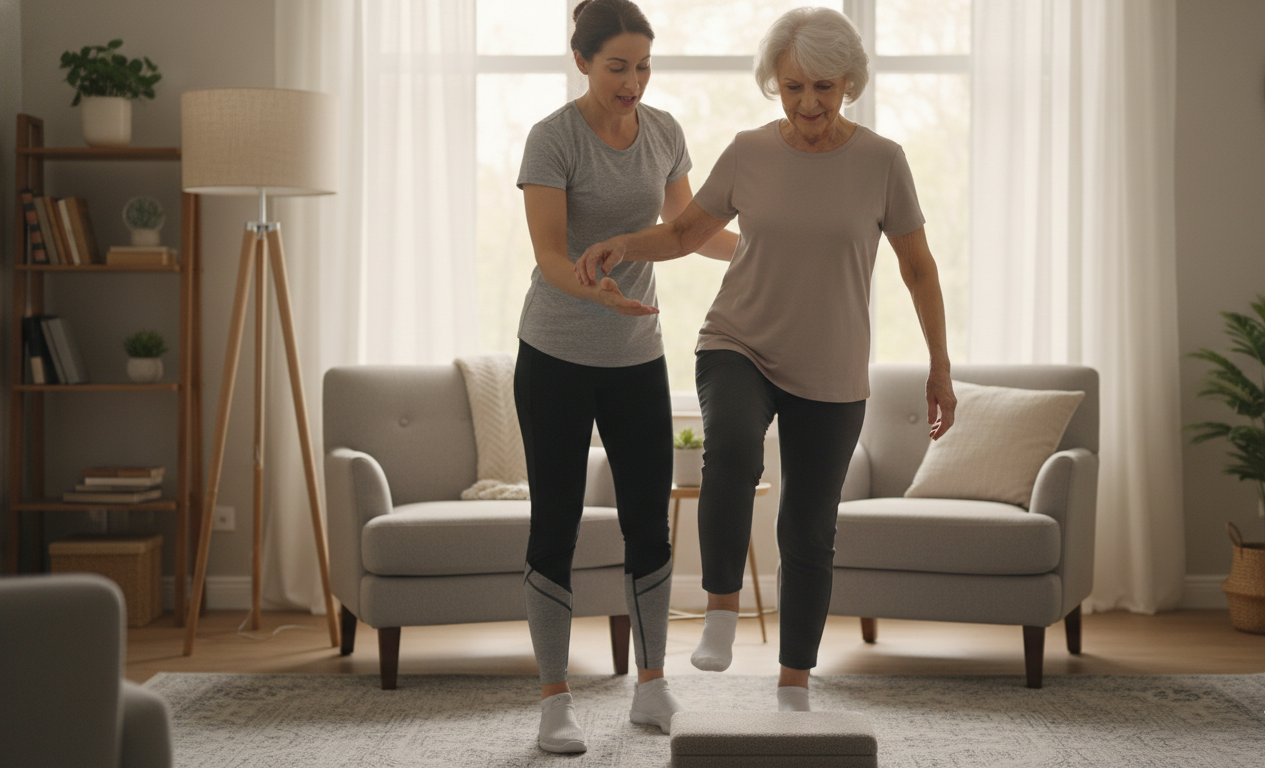
Physical therapy helps older adults stay safe and independent when cognitive changes affect movement or daily tasks. It supports the connection between thinking skills and physical function.
Therapists identify mobility risks linked to confusion, slowed reactions or difficulty following steps. This approach protects the older adult from preventable injuries.
Identifying Mobility Risks Linked to Cognitive Changes
Cognitive shifts can lead to hesitation, unsafe turns or misjudged steps. Therapists watch for these patterns during walking, transfers and balance tasks.
These observations guide targeted strengthening and balance work. They help reduce fall risk and improve confidence.
Improving Safe Movement and Daily Function
Therapists teach clear and simple movement strategies. These tools help the older adult perform daily tasks with better control.
Practice with step by step routines also improves safety. This support helps families feel more confident about home activity.
Topics to Read Further
These resources help older adults and families learn more about cognitive health, memory changes and home safety. They offer helpful background information for understanding screening results and next steps.
Contact HWY PT for Expert Advice and Support
Older adults and families in Salem Oregon can receive personalized support after cognitive screenings. HWY Physical Therapy provides focused care that helps improve movement, balance and daily safety.
Dr Raj offers guidance that matches each senior’s needs. His approach blends clear communication with targeted exercises that support confidence and independence.
HWY PT is located at Center 50+, Salem City Building, 2615 Portland Rd NE, Salem OR 97301. Call 971 202 1979 to schedule an appointment or ask questions about next steps.
.png)