Strength training after 60 can feel intimidating at first. Many seniors worry about injury, pain, or not knowing where to start.
The truth is, strength training is one of the most effective ways to stay independent as you age. It helps you move better, feel stronger, and handle daily tasks with more confidence.
You don’t need heavy weights or long workouts. What matters is using the right exercises in a safe and consistent way.
Physical therapists often recommend strength training because it focuses on real-life movement. It’s not about building big muscles, it’s about making everyday activities easier.
With the right approach, you can:
- Get up from a chair more easily
- Walk with better stability
- Reduce your risk of falls
- Feel more confident in your body
This guide will walk you through simple, safe strength training methods designed for seniors. You’ll also learn how to build a routine that fits your current level.
If you’re in Salem, Oregon, you’ll also see how expert guidance can help you progress faster and avoid common mistakes.
Let’s start by understanding why strength training matters so much after 60.
Why Strength Training Is Essential for Seniors Over 60

Strength naturally declines as you age. This is a normal process, but it can affect how easily you move and perform daily tasks.
The good news is that strength can be rebuilt at any age. With the right exercises, your body can regain power and stability over time.
Muscle Loss After 60 and How to Reverse It
After 60, your body starts losing muscle mass more quickly. This process is called sarcopenia.
Less muscle means less strength for simple movements like standing, climbing stairs, or carrying groceries. Over time, this can reduce independence.
Strength training helps rebuild muscle and slows down this loss. Even light resistance exercises can make a noticeable difference when done regularly.
How Strength Improves Balance and Prevents Falls
Weak muscles make it harder to stay steady. This increases the risk of trips and falls.
Stronger legs and core muscles improve your balance and reaction time. They help you recover quickly if you stumble.
Better strength also means better control over your movements. This makes everyday activities feel safer and more stable.
Benefits Beyond Muscles
Strength training does more than build muscle. It supports your joints and reduces strain during movement.
It also helps improve bone strength, which lowers the risk of fractures. This is especially important as bones become more fragile with age.
You may also notice better energy levels and confidence. When your body feels stronger, daily life becomes easier to manage.
Strength training is not just exercise. It’s a way to stay active, independent, and confident as you age.
What Makes Physical Therapist Recommended Strength Training Different
Not all strength training is the same. Exercises recommended by physical therapists focus on safety, control, and real-life movement.
This approach helps you build strength without increasing your risk of injury.
Focus on Safety and Proper Form
Physical therapists emphasize slow and controlled movements. This helps you use the right muscles and avoid strain.
Good form matters more than lifting heavy weights. Small, correct movements can be very effective.
You’re also guided on how to breathe and move properly. This reduces the chance of dizziness or imbalance.
Personalized Based on Your Condition
Everyone’s body is different, especially after 60. A routine that works for one person may not be safe for another.
Physical therapist guided exercises take into account:
- Joint pain or stiffness
- Past injuries or surgeries
- Balance or mobility issues
This makes your training safer and more effective.
Functional Strength for Daily Life
The goal is not just to get stronger, but to move better in daily life. Exercises are chosen to match real activities.
For example:
- Sit-to-stand helps you get out of a chair easily
- Step-ups help with stairs
- Carrying movements help with groceries
This kind of training improves independence. It prepares your body for the movements you do every day.
How Often Should Seniors Do Strength Training for Best Results
Doing too much too soon can lead to soreness or injury. Doing too little may not give you noticeable results.
Finding the right balance is key.
Recommended Weekly Strength Training Frequency
Most physical therapists recommend strength training 2 to 3 days per week. This gives your muscles enough time to recover between sessions.
You don’t need long workouts. Even 10 to 20 minutes per session can be effective when done consistently.
Rest days are just as important as exercise days. Muscles grow and rebuild during recovery, not during the workout itself.
Signs You Are Doing Too Much or Too Little
Your body gives clear signals if something is off. Paying attention to these helps you adjust safely.
Signs you may be doing too much:
- Ongoing soreness that doesn’t go away
- Feeling overly tired or weak
- Joint pain instead of muscle fatigue
Signs you may need to do more:
- No improvement in strength after a few weeks
- Exercises feel too easy
- No challenge during your routine
How to Balance Strength, Walking, and Rest
Strength training works best when combined with light daily movement. Walking is a great addition to your routine.
A simple weekly plan could look like:
- Strength training: 2–3 days
- Walking or light activity: most days
- Rest or recovery: at least 1–2 days
This balance helps your body stay active without feeling overworked. Over time, it builds strength in a safe and steady way.
Simple Strength Test for Seniors to Assess Your Starting Point
Before you begin any strength training routine, it helps to know your current level. These simple tests give you a clear starting point so you can exercise safely.
Make sure you’re in a safe space with a chair nearby. Stop if you feel pain or dizziness.
Sit-to-Stand Test
Sit on a sturdy chair with your feet flat on the floor. Cross your arms over your chest if possible.
Stand up and sit down as many times as you can in 30 seconds. Move at a steady and controlled pace.
Here’s how to understand your result:
- 10–15 reps → good lower body strength
- 6–10 reps → average strength
- Less than 6 → lower strength, start slow
This test shows how strong your legs are for daily movements.
Arm Strength Test (Using Light Weight)
Take a light weight like a water bottle or small dumbbell. Sit or stand comfortably.
Curl the weight up toward your shoulder and lower it slowly. Count how many times you can do this in 30 seconds.
Watch for:
- Difficulty lifting the weight
- Fast fatigue
- Poor control during movement
These can indicate reduced upper body strength.
When You Should Be Careful Before Starting
These tests are simple, but they can still highlight warning signs. Pay attention to how your body feels.
Be cautious if you:
- Feel pain during movement
- Get dizzy or lightheaded
- Struggle to maintain control
If any of these happen, it’s better to start with guided exercises. A safe approach helps you build strength without risk.
Best Strength Training Exercises for Seniors at Home (PT-Approved)
You don’t need a gym to get stronger. These exercises are simple, safe, and based on movements physical therapists commonly recommend.
Start with slow, controlled movements. Keep a chair or wall nearby for support.
Lower Body Strength Exercises
Strong legs make everyday movements easier. These exercises help with walking, standing, and climbing stairs.
- Sit-to-stand
Sit on a chair and stand up without using your hands if possible. Slowly sit back down with control.
- Mini squats
Stand with feet shoulder-width apart and bend your knees slightly. Keep your back straight and return to standing.
- Step-ups
Use a low step or sturdy platform. Step up with one foot, then bring the other up, and step back down slowly.
Upper Body Strength Exercises
Upper body strength helps with lifting, pushing, and carrying. These exercises are simple and effective.
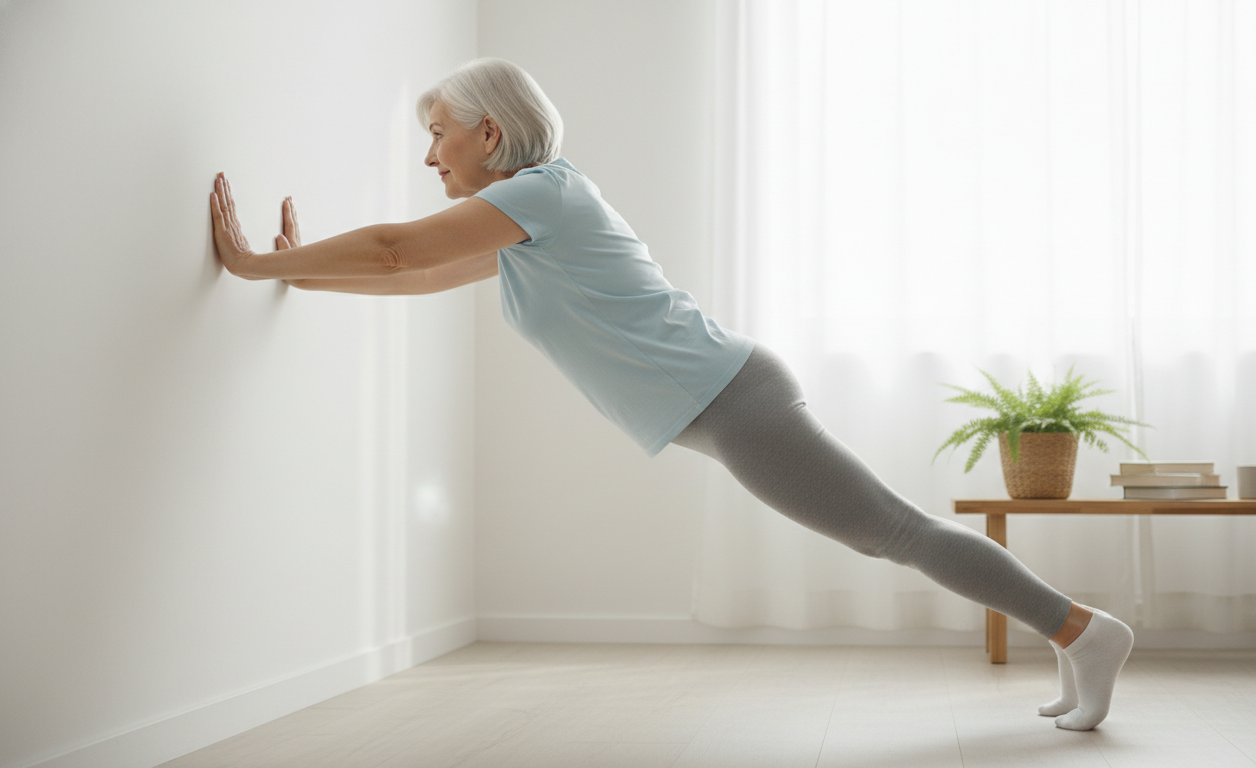
- Wall push-ups
Stand facing a wall and place your hands on it. Lower your body toward the wall and push back.
- Resistance band rows
Hold a resistance band and pull it toward your body. Keep your elbows close and move slowly.
- Light weight lifting
Use small dumbbells or water bottles. Perform simple movements like bicep curls or shoulder lifts.
Core Strength Exercises for Stability
Your core helps you stay balanced and stable. These exercises support better posture and control.
- Seated core engagement
Sit upright and tighten your stomach muscles for a few seconds. Relax and repeat.
- Standing core balance
Stand tall and shift your weight slightly while keeping your core tight. Focus on control.
- Slow marching in place
Lift one knee at a time while standing. Keep your movements steady and controlled.
Consistency matters more than intensity. Doing these exercises a few times a week can lead to steady improvement.
What Equipment Do Seniors Need for Strength Training at Home
You don’t need expensive equipment to start strength training. In fact, many effective exercises use just your body weight.
Start simple and only add equipment if you feel ready.
No Equipment Exercises That Still Work
Bodyweight exercises are a great starting point. They are safe, simple, and effective.
You can do:
- Sit-to-stand using a chair
- Wall push-ups
- Standing leg raises
- Marching in place
These movements build strength while keeping things low-risk.
Simple Equipment Options
If you want to add variety, a few basic tools can help. These are easy to use and widely recommended.
- Resistance bands
Lightweight and flexible, great for both upper and lower body exercises
- Light dumbbells
Start with small weights or even water bottles
- Stable chair
Useful for support and seated exercises
These tools allow you to gradually increase resistance as you get stronger.
What to Avoid as a Beginner
Some equipment can do more harm than good if used too early. It’s better to keep things simple in the beginning.
Avoid:
- Heavy weights that strain your joints
- Complex gym machines without guidance
- Fast or jerky movements
Focus on control and proper form. That’s what builds real strength safely.
Beginner Strength Training Routine for Seniors Over 60
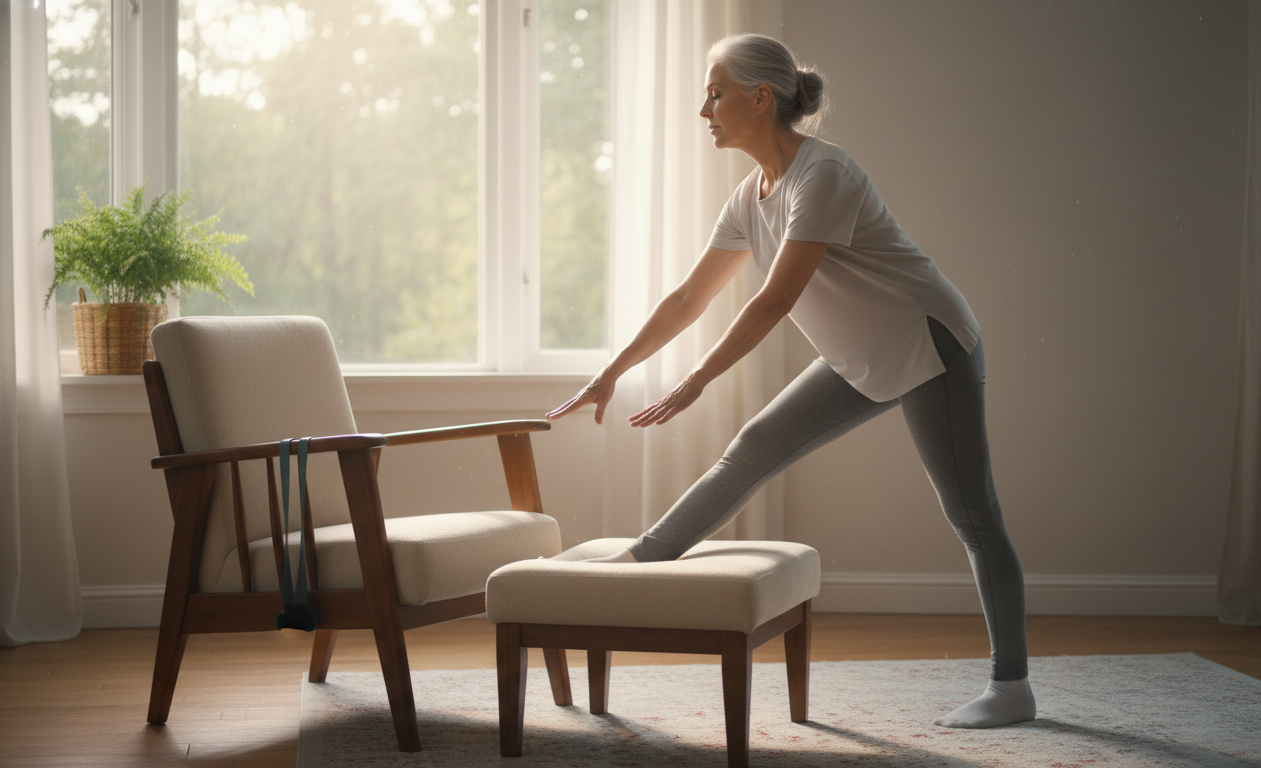
A simple routine makes it easier to stay consistent. You don’t need long workouts, just a clear plan you can follow each week.
This routine takes about 10 to 15 minutes and works well for beginners.
10–15 Minute Daily Strength Routine
Start with a short warm-up to prepare your body. This helps reduce stiffness and improves movement.
Warm-up (2–3 minutes)
- March in place slowly
- Roll your shoulders
- Move your arms and legs gently
Strength exercises (8–10 minutes)
- 8–10 sit-to-stands
- 8–10 wall push-ups
- 8–10 leg raises on each side
- 8–10 light weight curls
Move slowly and focus on control. Rest briefly between exercises if needed.
Cool down (2 minutes)
- Take deep breaths
- Stretch your arms and legs lightly
Weekly Strength Training Plan
You don’t need to do this every day. Give your body time to recover and rebuild.
A simple plan:
- Strength training: 2–3 days per week
- Light activity like walking: most days
- Rest days: at least 1–2 days
This balance helps you improve without overworking your body.
How to Progress Safely Over Time
As exercises start to feel easier, you can make small changes. This keeps your muscles challenged.
You can:
- Add a few more repetitions
- Hold movements a little longer
- Use light resistance like bands or weights
Progress slowly and listen to your body. Small improvements each week lead to strong, lasting results.
Common Mistakes Seniors Make While Strength Training
Strength training is simple, but small mistakes can slow your progress or increase your risk of injury. Fixing these early helps you get better results safely.
Using Too Much Weight Too Soon
Many seniors think heavier weights mean faster results. This often leads to strain or injury.
Start with light resistance and focus on control. Your strength will improve gradually with consistency.
Ignoring Pain Signals
It’s normal to feel some effort during exercise. Sharp or ongoing pain is not a good sign.
Learn to tell the difference:
- Muscle fatigue → normal
- Joint pain or sharp discomfort → stop
Listening to your body helps you stay safe.
Skipping Rest and Recovery
Exercise is only one part of getting stronger. Your muscles need time to recover and rebuild.
Training every day without rest can lead to fatigue. Rest days help you come back stronger.
Poor Form and Fast Movements
Rushing through exercises reduces their effectiveness. It also increases the chance of losing balance.
Move slowly and stay in control. Good form matters more than how many repetitions you do.
Small changes in how you train can make a big difference. Safe and steady progress always works better than rushing.
Strength Training Modifications for Seniors with Pain or Conditions
You can still build strength even if you have pain or limited mobility. The key is to adjust exercises so they feel safe and manageable.
Small changes can help you stay active without making symptoms worse.
Strength Training with Arthritis
Joint pain and stiffness can make movement uncomfortable. The goal is to keep joints moving without adding extra strain.
Try these adjustments:
- Use slow and controlled movements
- Avoid deep bends or heavy resistance
- Warm up longer to reduce stiffness
Stick to a comfortable range of motion. This helps protect your joints while still building strength.
After Surgery (Knee, Hip, etc.)
Recovery takes time, and pushing too hard can slow progress. It’s important to rebuild strength gradually.
Focus on:
- Gentle exercises that don’t cause pain
- Proper form over intensity
- Gradual increase in activity
Support from a professional can help you avoid setbacks and recover safely.
Low Mobility or Beginner Level Adjustments
If standing exercises feel difficult, start with seated options. These reduce the risk of falling while still building strength.
You can try:
- Seated leg lifts
- Chair-assisted sit-to-stand
- Seated arm exercises with light weights
As your strength improves, you can slowly add more standing movements.
The goal is not to push through pain. It’s to build strength in a way your body can handle.
Physical Therapy Guided Strength Training in Salem, Oregon

Sometimes, doing exercises on your own can only take you so far. If you want faster progress and better safety, guided strength training can make a big difference.
A physical therapist helps you train the right way from the start.
How Physical Therapy Improves Strength Safely
Physical therapy begins with understanding your body. This includes your strength level, balance, and any pain or limitations.
Based on this, you get a plan that may include:
- Targeted strength exercises for weak areas
- Balance and coordination training
- Safe progression based on your comfort level
This approach reduces guesswork and helps you improve with confidence.
Benefits of Supervised Strength Training
Having guidance during exercise can improve both safety and results. You get real-time feedback, which helps correct mistakes early.
Some key benefits include:
- Lower risk of injury
- Faster and more consistent progress
- Better form and movement control
- Increased confidence while exercising
This is especially helpful if you’ve had a fall, surgery, or ongoing pain.
Why Choose Dr Raj at HWY Physical Therapy
Dr Raj focuses on helping seniors build strength in a safe and practical way. You receive one-on-one attention and a plan tailored to your needs.
The clinic is located at Center 50+, Salem City Building, making it easily accessible for local seniors.
If you want a structured and safe way to get stronger, professional guidance can help you reach your goals faster.
Tips to Stay Consistent with Strength Training After 60
Starting is one thing, but staying consistent is what brings real results. A simple routine that fits your daily life is easier to maintain over time.
You don’t need perfection, just regular effort.
Set Realistic Goals
Trying to do too much too soon can lead to frustration. Small, achievable goals keep you motivated.
Start with simple targets like:
- Exercising 2–3 times per week
- Completing short 10–15 minute sessions
- Improving a few repetitions each week
Progress may feel slow at first, but it adds up quickly.
Make It Part of Your Daily Routine
Habits are easier to build when they fit into your day. Choose a time that works best for you.
You can:
- Exercise in the morning to start your day
- Do it after a walk
- Pair it with another daily habit
Keeping it consistent helps your body adapt and improve.
Stay Motivated and Track Progress
Tracking progress helps you see how far you’ve come. This builds confidence and keeps you going.
Simple ways to track:
- Count repetitions or sets
- Notice how movements feel easier
- Keep a small log or checklist
Celebrate small improvements. Feeling stronger, even in small ways, is a big win.
Consistency matters more than intensity. Keep showing up, and your strength will improve over time.
Topics to Read Further
Contact HWY PT for Expert Advice and Support
If you’re unsure where to start or want to train safely, getting the right guidance can make a big difference. Strength training works best when it’s tailored to your body and your needs.
At HWY Physical Therapy, Dr Raj works one-on-one with seniors to build strength, improve mobility, and reduce the risk of injury. You get a clear, structured plan that fits your level and helps you progress with confidence.
Visit: Center 50+, Salem City Building, 2615 Portland Rd NE, Salem, OR
Call: 971-202-1979
Take the first step toward getting stronger and staying independent.
.png)