Balance problems are common as people grow older. Many seniors notice they feel less steady when walking, standing, or turning quickly.
These changes can make everyday activities feel more difficult. Tasks such as climbing stairs, getting out of a chair, or walking on uneven ground may suddenly require more caution.
Balance rehabilitation exercises are designed to help seniors improve stability and reduce the risk of falls. These exercises train the muscles, joints, and nervous system to work together more effectively.
Regular balance training can strengthen the legs, improve coordination, and help the body respond better when it loses stability. Over time, many older adults notice greater confidence while moving around their home or community.
The goal of rehabilitation exercises is not only to prevent falls but also to help seniors maintain independence and mobility.
With consistent practice and the right guidance, balance can often improve at any age.
What are the best balance rehabilitation exercises for seniors?
Balance rehabilitation exercises help seniors improve stability, coordination, and confidence while walking. These exercises train the body to respond better to movement and reduce the risk of falls.
Many effective balance exercises focus on strengthening the legs and improving posture control. They also help the brain and muscles work together more efficiently during everyday movements.
Seniors often benefit from starting with simple exercises and gradually increasing difficulty as balance improves. Practicing these movements regularly can lead to better stability and safer mobility.
The most effective balance exercises for seniors include
- Heel-to-toe walking – Improves coordination and walking stability.
- Standing on one leg – Strengthens leg muscles and improves balance control.
- Sit-to-stand exercise – Builds leg strength needed for safe movement.
- Side-to-side weight shifting – Helps train posture and body awareness.
- Marching in place – Improves coordination and stability during movement.
These exercises form the foundation of many balance rehabilitation programs designed for older adults.
Why balance rehabilitation exercises are important for seniors
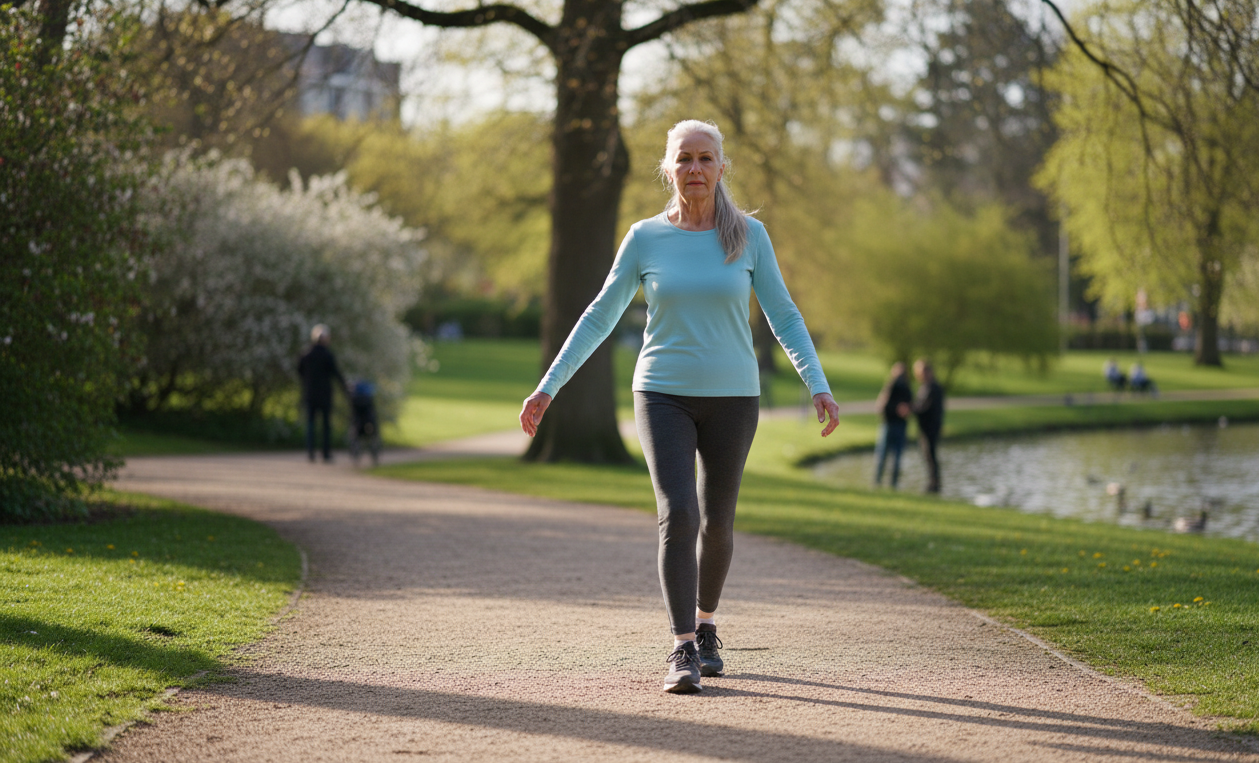
Balance rehabilitation exercises play an important role in helping seniors stay mobile and independent. As people age, natural changes in the body can make it harder to stay steady during everyday movements.
Muscle strength often decreases over time, especially in the legs and core. When these muscles become weaker, it becomes harder to maintain posture and recover from slips or trips.
Balance exercises help strengthen the muscles that support stability. They also train the body to react faster when balance is challenged.
How balance works in the body
Maintaining balance requires several systems in the body to work together. The brain constantly processes information from the eyes, inner ear, muscles, and joints.
The inner ear, also called the vestibular system, detects movement and head position. Vision helps the brain understand the body's position in space, while muscles and joints provide strength and feedback for posture control.
When these systems communicate effectively, the body can stay stable while walking, turning, or standing.
Why balance declines as we age
With aging, these systems may not function as efficiently as before. Muscles may weaken, reaction time may slow, and the inner ear may become less sensitive to movement.
Vision changes can also make it harder to detect obstacles or uneven surfaces. These combined changes increase the likelihood of losing balance.
Regular balance rehabilitation exercises help strengthen these systems and improve coordination, which can significantly reduce fall risk.
Benefits of balance rehabilitation exercises for seniors
Balance rehabilitation exercises provide several important benefits for older adults. Regular training helps improve stability, coordination, and confidence during everyday movements.
Many seniors notice better control while walking, standing, and changing direction. These improvements can make daily activities safer and easier.
Consistent balance training also helps strengthen muscles that support posture and stability. Stronger muscles allow the body to react more quickly when balance is challenged.
Improved walking stability
Balance exercises help the body maintain better control during movement. This can make walking feel smoother and more stable.
Improved coordination helps seniors adjust their posture quickly if they trip or step on an uneven surface.
Reduced fall risk
Falls are one of the most common causes of injury in older adults. Balance training helps improve reaction time and stability, which lowers the likelihood of falling.
Stronger muscles and better coordination allow the body to recover more easily from slips or sudden movements.
Increased confidence in daily movement
Many seniors feel hesitant when they worry about losing their balance. This fear can lead to reduced activity and weaker muscles over time.
Balance rehabilitation exercises help rebuild confidence in movement. As stability improves, seniors often feel safer walking outdoors, climbing stairs, and performing daily tasks.
Signs you may need balance rehabilitation exercises
Balance problems often develop gradually. Many seniors notice small changes in stability before serious falls occur.
Recognizing these signs early can help prevent injuries and improve mobility. Balance rehabilitation exercises can strengthen the body and improve coordination before the problem worsens.
Some symptoms may appear during everyday activities such as walking, standing, or climbing stairs. Paying attention to these warning signs can help determine when balance training may be beneficial.
Common signs include
- Feeling unsteady while walking – You may feel like you are drifting to one side or needing support while moving.
- Frequent stumbling or near falls – Tripping more often or catching your foot on small obstacles may signal reduced balance control.
- Dizziness when standing up – Feeling lightheaded when rising from a chair or bed may affect stability.
- Difficulty walking on uneven surfaces – Surfaces such as grass, gravel, or slopes may feel harder to navigate safely.
- Needing support when standing – Holding onto furniture or walls to stay steady can indicate weakened balance.
Balance rehabilitation exercises can help strengthen the muscles and coordination needed to improve stability and reduce fall risk.
Beginner balance rehabilitation exercises for seniors
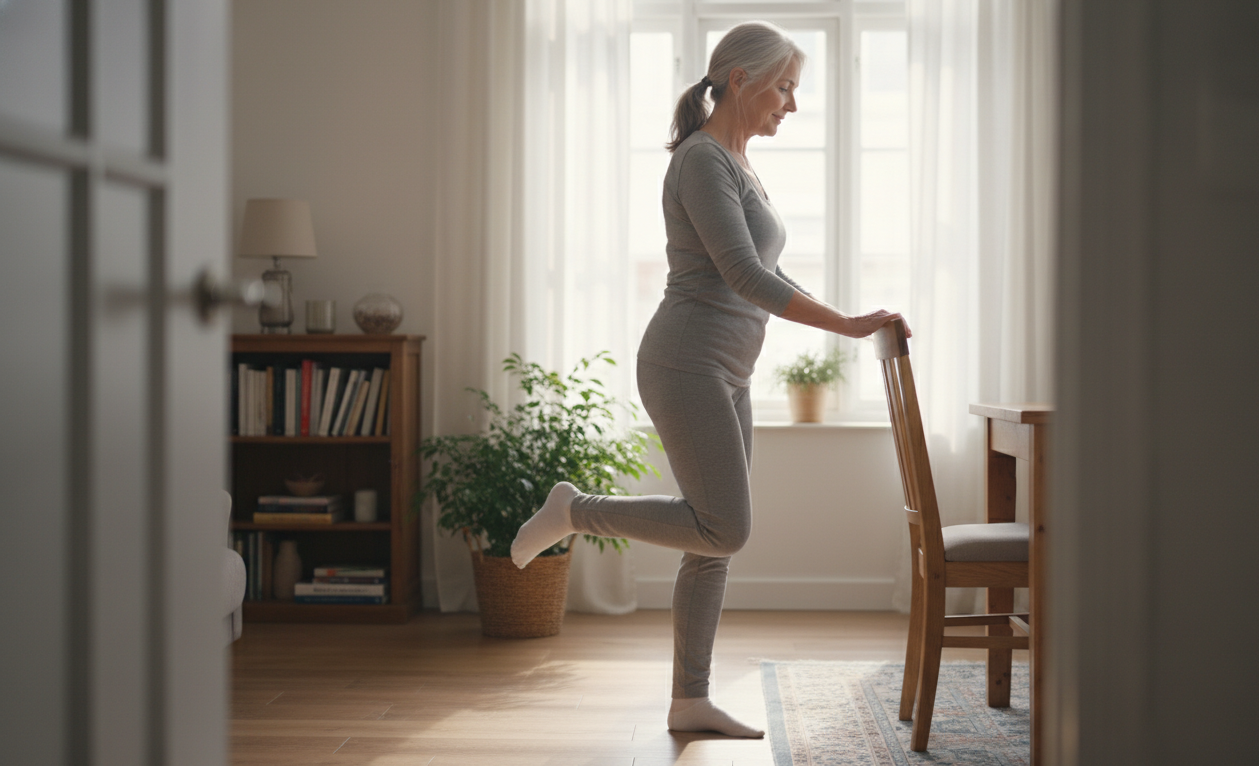
Beginner balance exercises help seniors build a safe foundation for stability and coordination. These exercises focus on improving posture control and strengthening the muscles that support balance.
Starting with simple movements allows the body to adapt gradually. Over time, consistent practice helps improve confidence and stability during daily activities.
Most beginners should perform these exercises near a chair, wall, or countertop for support. Practicing in a safe and well-lit space helps reduce the risk of falls.
Heel-to-toe walking exercise
Heel-to-toe walking improves coordination and walking stability. This exercise helps train the body to maintain balance while moving forward.
To perform this exercise:
- Stand upright near a wall or counter for support.
- Place the heel of one foot directly in front of the toes of the other foot.
- Walk forward slowly in a straight line.
- Continue for about 10–15 steps while maintaining control.
This exercise helps improve walking balance and coordination.
Standing on one leg with support
Standing on one leg strengthens the muscles that stabilize the body. It also improves balance awareness and posture control.
To try this exercise:
- Stand behind a sturdy chair and hold the back for support.
- Slowly lift one foot slightly off the floor.
- Hold the position for about 10–15 seconds.
- Lower your foot and switch legs.
Repeat the exercise several times on each side.
Side-to-side weight shifting
This exercise helps train the body to control movement and maintain posture during weight changes.
To perform this exercise:
- Stand with your feet shoulder-width apart.
- Slowly shift your body weight to one foot.
- Hold the position for a few seconds.
- Shift your weight to the other side.
Repeat this movement 10–15 times to improve balance control.
Intermediate balance training exercises for older adults

Intermediate exercises help seniors build stronger balance reactions and coordination. These movements challenge the body slightly more than beginner exercises while still remaining safe.
At this stage, the goal is to improve stability during movement. These exercises help the body adjust to shifting weight, changing direction, and maintaining posture.
Seniors should continue using a stable surface nearby for support. Practicing these exercises regularly helps improve control during everyday activities such as walking, climbing stairs, and turning.
Sit-to-stand strengthening exercise
This exercise strengthens the legs and improves stability when getting up from a chair. It also helps train the body to control movement safely.
To perform this exercise:
- Sit in a sturdy chair with your feet flat on the floor.
- Lean slightly forward and stand up slowly.
- Try not to use your hands if possible.
- Sit back down slowly and repeat.
Perform this exercise 8–10 times.
Marching in place
Marching in place improves coordination and balance during movement. It also helps strengthen the muscles used while walking.
To try this exercise:
- Stand upright near a chair or countertop for support.
- Slowly lift one knee toward your chest.
- Lower the leg and lift the other knee.
- Continue alternating legs in a slow marching motion.
Repeat for 20–30 seconds.
Single-leg heel raises
This exercise strengthens the ankle and lower leg muscles that support balance. Strong ankles help the body stabilize during walking.
To perform this exercise:
- Stand behind a chair and hold it for support.
- Lift your heels slowly so you are standing on your toes.
- Hold for a few seconds.
- Lower your heels back down slowly.
Repeat the movement 10–12 times.
Advanced balance rehabilitation exercises for seniors
Advanced balance exercises help seniors improve stability during more complex movements. These exercises challenge coordination, posture control, and the body’s ability to respond to changes in position.
At this stage, the focus shifts from basic stability to maintaining balance during movement. These exercises can help improve confidence while walking, turning, and navigating uneven surfaces.
Seniors should still perform these exercises near a stable surface. A wall, chair, or countertop can provide support if needed.
Tandem standing balance exercise
Tandem standing improves posture control and challenges balance by narrowing the base of support.
To perform this exercise:
- Stand near a wall or sturdy chair.
- Place one foot directly in front of the other, heel touching the toes.
- Keep your body upright and hold the position for 10–20 seconds.
- Switch foot positions and repeat.
This exercise helps strengthen balance control during standing.
Step-over obstacle exercise
This exercise improves coordination and foot placement while walking. It also helps the body practice reacting to obstacles.
To try this exercise:
- Place a small object such as a rolled towel on the floor.
- Stand upright and slowly step over the object with one foot.
- Bring the other foot over the obstacle.
- Turn around and repeat the movement.
Practice stepping over the object slowly and with control.
Walking while turning the head
This exercise challenges the balance system by adding head movement while walking.
To perform this exercise:
- Walk forward slowly in a straight line.
- Turn your head to the left while continuing to walk.
- Turn your head to the right while maintaining your walking pace.
- Continue alternating head turns.
This movement helps improve coordination between the vestibular system and body movement.
Safety tips when doing balance exercises at home
Balance exercises can be very helpful, but safety should always come first. Seniors should take simple precautions to reduce the risk of slipping or falling while exercising.
Practicing in a safe environment allows the body to focus on improving stability without unnecessary risk.
Use stable support when needed
Always perform balance exercises near a sturdy surface. A chair, wall, or kitchen counter can provide support if you feel unsteady.
Holding onto support while learning new exercises helps build confidence and prevents falls.
Exercise in a clear and well-lit space
Choose an area that is free from clutter and trip hazards. Remove loose rugs, cords, or objects that could cause a fall.
Good lighting also helps improve visibility and body awareness during movement.
Stop if dizziness or pain occurs
Balance exercises should feel challenging but not painful. Stop exercising if you feel dizzy, lightheaded, or experience discomfort.
Rest for a moment and resume only when you feel stable again.
How physical therapy improves balance rehabilitation
Balance problems can sometimes persist even when seniors try exercises at home. Physical therapy provides structured training that targets the specific systems responsible for balance and stability.
A therapist evaluates walking patterns, muscle strength, posture, and coordination. This assessment helps identify the underlying causes of instability.
Based on the results, a personalized rehabilitation plan is created. These programs focus on improving strength, coordination, and balance reactions.
Balance retraining programs
Balance retraining exercises help the body respond more effectively to movement. These exercises train the brain and muscles to work together to maintain stability.
Activities may include coordination drills, posture training, and controlled weight shifting.
Vestibular rehabilitation therapy
Some balance problems come from the inner ear. Vestibular rehabilitation focuses on exercises that help the brain process balance signals more effectively.
These exercises may reduce dizziness and improve stability during head movement or walking.
Fall prevention therapy
Fall prevention programs strengthen the muscles needed for stability and improve walking patterns. These programs also teach safer movement strategies for daily activities.
Older adults experiencing balance problems in Salem can receive specialized treatment from Dr Raj at HWY Physical Therapy Clinic located at Center 50+, Salem City Building.
Targeted therapy programs can help seniors regain confidence and move more safely.
Daily habits that support balance improvement
Balance exercises work best when they are combined with healthy daily habits. Small lifestyle choices can help maintain muscle strength, coordination, and stability.
Staying active throughout the day keeps the muscles and joints working properly. Regular movement helps prevent stiffness and weakness that can affect balance.
Stay physically active
Daily activities such as walking or light stretching help maintain strength and mobility. Consistent movement supports better posture and coordination.
Even short walks or gentle exercise routines can help keep the body stable and responsive.
Wear supportive footwear
Proper footwear plays an important role in maintaining balance. Shoes with non-slip soles and good support help improve stability while walking.
Avoid loose slippers or worn-out shoes that may increase the risk of slipping.
Maintain muscle strength and mobility
Strong leg and core muscles help support posture and stability. Regular strengthening exercises help the body respond better to sudden movements.
Maintaining flexibility in the hips and ankles also helps improve walking balance.
Frequently asked questions about balance exercises for seniors
Many seniors have questions about how to practice balance exercises safely and effectively. Understanding how often to train and what results to expect can help maintain motivation and consistency.
How often should seniors do balance exercises?
Most seniors benefit from practicing balance exercises three to five times per week. Regular practice helps strengthen muscles and improve coordination.
Even short sessions of 10–15 minutes can help improve stability over time.
Can balance exercises prevent falls?
Balance exercises can significantly reduce the risk of falls. Training improves muscle strength, coordination, and reaction time.
These improvements help the body recover more easily if balance is challenged.
Are balance exercises safe for seniors with dizziness?
Many exercises are safe when performed with support such as a chair or wall. Seniors experiencing frequent dizziness may benefit from vestibular rehabilitation exercises guided by a professional.
How long does it take to improve balance?
Many people notice improvements in balance after four to eight weeks of consistent practice. Progress depends on regular training and individual health conditions.
Topics to Read Further
If you want to learn more about improving balance and preventing falls, these topics provide useful guidance:
Contact HWY PT for Expert Advice and Support
Balance problems can make everyday activities more challenging and increase the risk of falls. With the right guidance and training, many seniors can improve stability and move more confidently.
Dr Raj at HWY Physical Therapy Clinic provides specialized balance rehabilitation programs designed to help older adults improve strength, coordination, and walking stability.
The clinic is located at Center 50+, Salem City Building, 2615 Portland Rd NE, Salem, OR 97301. Seniors in the Salem area can receive personalized therapy programs focused on fall prevention and balance recovery.
If you or a loved one are experiencing balance problems, early treatment can help improve mobility and independence.
Call 971-202-1979 to schedule a balance assessment and learn how rehabilitation exercises can support better stability.
.png)