Living at home as you get older is something most people want. It means comfort, familiarity, and independence.
But when neuropathy becomes part of daily life, even simple things can start to feel uncertain.
You may notice numbness in your feet. A tingling sensation that doesn’t go away. Walking might feel less stable than it used to.
At first, it’s easy to ignore. Then slowly, it starts affecting how you move, how confident you feel, and how safe your home really is.
This is where many seniors begin to wonder:
Can I still live independently with neuropathy?
The answer is yes—but it requires the right approach.
Neuropathy doesn’t just affect nerves. It affects balance, movement, and awareness of your surroundings. Without proper support, it can increase the risk of falls and make everyday tasks harder.
The good news is that there are ways to stay safe, improve mobility, and continue living independently.
In this guide, you’ll learn how neuropathy affects daily life, what you can do to stay safe at home, and how treatments like physical therapy and advanced options such as the Neubie can help you move with more confidence again.
What Neuropathy Feels Like in Daily Life for Seniors
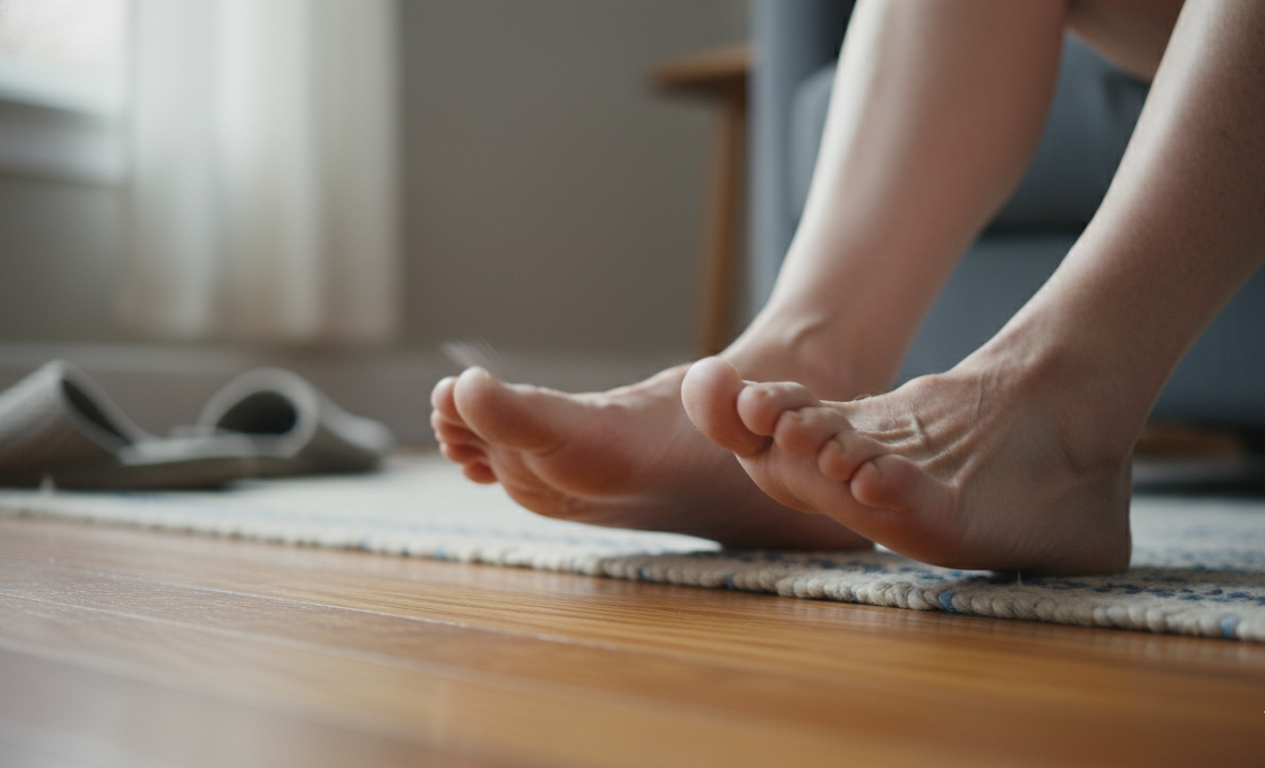
Neuropathy doesn’t always show up as sharp pain. For many seniors, it feels subtle at first. Then it slowly starts affecting everyday movement and confidence.
What makes it challenging is how unpredictable it can feel.
Numbness, Tingling, and Loss of Sensation
Many people describe neuropathy as a “numb” or “pins and needles” feeling in the feet.
At times, your feet may feel like they’re asleep. In other moments, there may be burning or tingling sensations that are hard to ignore.
The bigger issue is not just discomfort. It’s the loss of awareness.
When you can’t fully feel the ground under your feet, your body loses important feedback.
This makes it harder to judge:
- Where your foot is placed
- How much pressure you’re using
- Whether you’re standing evenly
That lack of sensation can make simple movements feel uncertain.
How Neuropathy Affects Walking and Balance
Walking becomes less automatic. You may find yourself watching your steps more carefully.
Uneven surfaces, stairs, or even turning around can feel risky.
Some common changes include:
- Slower walking speed
- Wider steps for stability
- Needing support from walls or furniture
Over time, this can affect confidence. You may start avoiding movement altogether, which can lead to more weakness and instability.
Why Neuropathy Makes Aging in Place More Challenging
Living at home feels comfortable when your body moves the way you expect. Neuropathy changes that.
It adds uncertainty to movements that once felt simple and automatic.
Simple Daily Tasks Become Difficult
Things you used to do without thinking can start to require more effort and attention.
Walking across a room may feel slower. Standing for long periods can feel uncomfortable. Even cooking or getting dressed may take more time.
You may notice:
- Needing to pause before moving
- Watching your feet while walking
- Feeling unsure on uneven surfaces
These small changes can add up. Over time, they can affect how confident you feel doing everyday tasks.
The Hidden Risk: Falls and Injuries
One of the biggest concerns with neuropathy is the increased risk of falls.
When sensation in your feet is reduced, your body has a harder time reacting quickly.
This makes it easier to lose balance, especially when:
- Turning suddenly
- Walking in low light
- Stepping on uneven ground
Even a small misstep can lead to a fall.
This is why neuropathy can quietly make living alone more risky if not managed properly.
The goal isn’t to avoid movement. It’s to move safely and with confidence.
Can Seniors Still Live Independently with Neuropathy?
Yes, many seniors can continue living independently with neuropathy. The key is how well the condition is managed and how safe the environment is.
Independence doesn’t mean doing everything the same way as before. It means adjusting how you move and live so you can stay safe and confident.
When Aging in Place Is Still Safe
Living at home can still work well when symptoms are manageable.
If you’re able to move around safely, stay aware of your surroundings, and make small adjustments at home, independence is very possible. Many seniors continue their daily routines with just a few changes to how they move or organize their space.
Simple habits, like taking your time when walking or using support when needed, can go a long way.
When Extra Support Is Needed
There are times when additional help becomes important.
If you feel unsteady most of the time, have had recent falls, or find yourself avoiding movement because it feels unsafe, it’s a sign that your body needs more support.
This doesn’t mean losing independence. In fact, getting help early often helps you keep it.
Support can be as simple as making your home safer or working with a physical therapist to improve your strength and balance. The goal is to stay in control of your daily life while reducing risk.
What Causes Neuropathy in Older Adults?
Neuropathy doesn’t happen without a reason. In most cases, it develops over time due to underlying health conditions or changes in the body.
Understanding the cause can help you manage it better and slow its progression.
Diabetes and Nerve Damage
One of the most common causes of neuropathy is diabetes.
High blood sugar levels over time can damage the nerves, especially in the feet and legs. This is often called diabetic neuropathy.
It usually starts gradually, with numbness or tingling, and can worsen if blood sugar is not well controlled.
That’s why managing diabetes plays a big role in reducing nerve damage.
Circulation and Aging Factors
As we age, blood flow to certain areas of the body can decrease.
Nerves depend on healthy circulation to function properly. When blood flow is reduced, nerves may not get the oxygen and nutrients they need.
This can lead to weakness, numbness, or slower nerve response.
Aging itself doesn’t directly cause neuropathy, but it can make the body more vulnerable to these changes.
Other Common Causes
There are several other factors that can lead to nerve damage.
These include vitamin deficiencies, certain medications, and past injuries. In some cases, the exact cause isn’t clear.
What’s important is recognizing the symptoms early and taking steps to manage them.
Even if the cause can’t be fully reversed, the effects can often be improved with the right approach.
Home Safety Tips for Aging in Place with Neuropathy
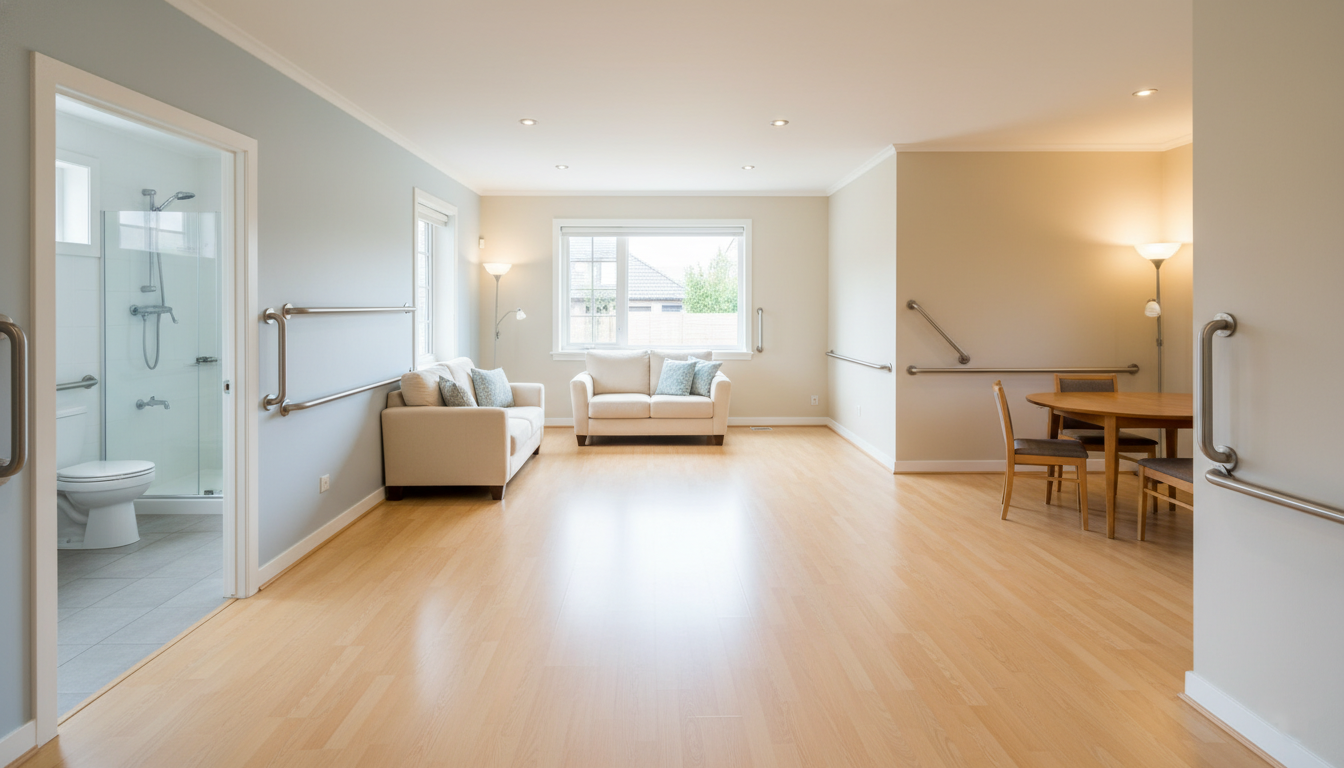
Your home should feel safe and comfortable. With neuropathy, a few small changes can make a big difference in how confidently you move around each day.
The goal isn’t to change everything. It’s to remove hidden risks and make movement easier.
Improving Lighting and Visibility
Good lighting helps you see where you’re stepping, especially when sensation in your feet is reduced.
Make sure hallways, bedrooms, and bathrooms are well lit. Night lights can help guide your way if you get up in the dark.
Shadows and dim areas can make it harder to judge distance or notice obstacles.
Removing Trip Hazards
Many falls happen because of small things that are easy to overlook.
Loose rugs, clutter on the floor, or uneven surfaces can quickly become dangerous when balance is affected.
Take a walk through your home and notice anything that might get in your way. Clearing pathways and keeping floors tidy can reduce risk right away.
Using Support Tools and Assistive Devices
Adding support in the right places can improve both safety and confidence.
Simple tools like grab bars in the bathroom or railings near steps can make daily movements easier.
Even something as basic as a sturdy chair nearby can give you a place to steady yourself when needed.
These changes don’t take away independence. They help you move more freely without fear.
Daily Routine Tips to Stay Safe and Mobile with Neuropathy
What you do each day has a big impact on how safe and steady you feel. A simple routine can help your body stay active and reduce the risk of sudden instability.
It doesn’t need to be complicated. Small, consistent habits make the biggest difference.
Morning Routine for Better Stability
Mornings can feel especially challenging because your body has been still for hours.
Instead of getting up quickly, give yourself a few moments to wake up your body. Sit at the edge of the bed, move your feet gently, and take a few breaths before standing.
This helps improve circulation and reduces the chance of dizziness or imbalance.
Safe Walking Techniques
Walking with neuropathy requires a bit more awareness.
Take your time and focus on each step, especially on uneven surfaces. Wearing supportive shoes and keeping your posture upright can help you stay more stable.
If needed, use a wall, railing, or assistive device for extra support. There’s no harm in being cautious when it keeps you safe.
Foot Care and Awareness
Since sensation in your feet may be reduced, it’s important to check them regularly.
Look for any cuts, redness, or irritation that you might not feel right away. Keeping your feet clean and protected helps prevent small issues from becoming bigger problems.
Paying attention to your feet each day helps you stay one step ahead and maintain your mobility.
Best Shoes for Seniors with Neuropathy
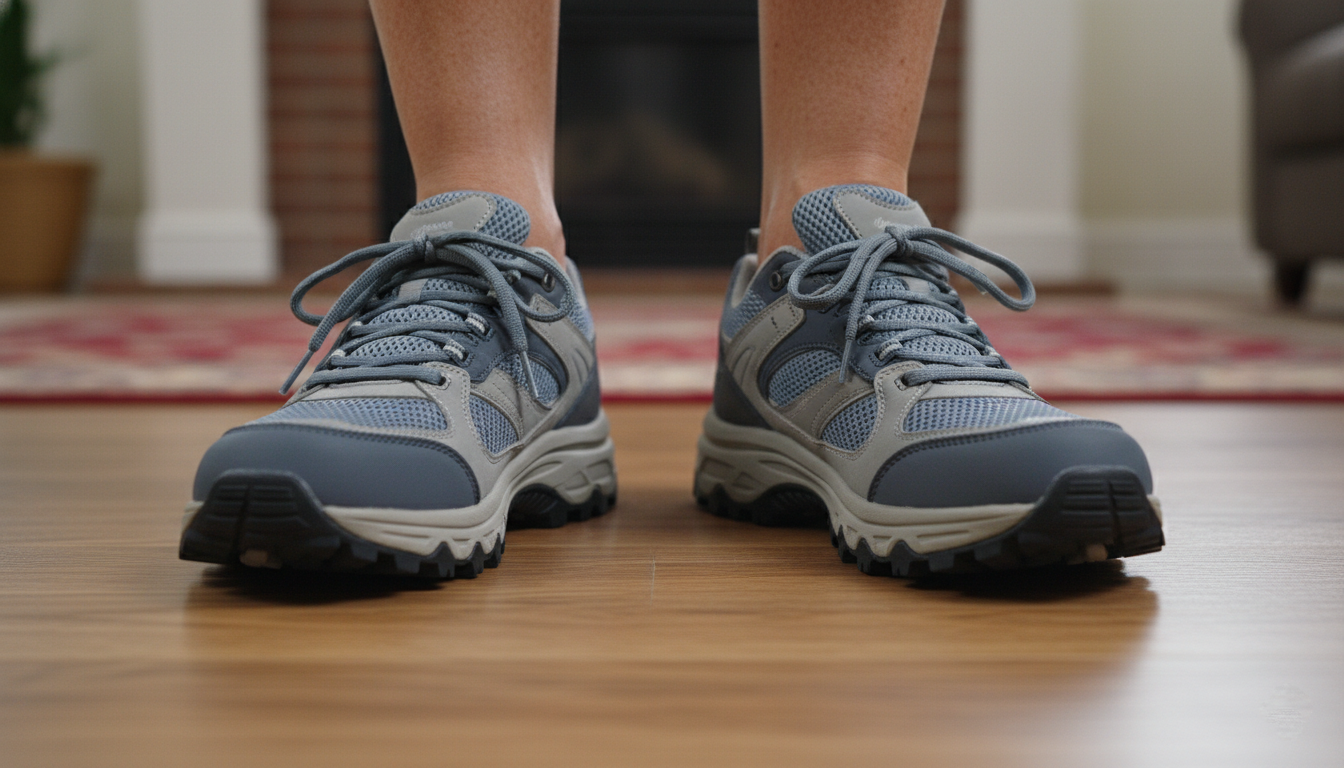
The right shoes can make a big difference when you have neuropathy. Since sensation in your feet is reduced, proper footwear helps improve stability and protect you from injury.
It’s not just about comfort. It’s about safety and confidence while walking.
Features to Look for in Supportive Shoes
Good shoes should feel stable and secure from the moment you put them on.
Look for shoes that provide a firm base and good grip. A non-slip sole helps reduce the risk of slipping, especially on smooth surfaces.
Cushioning is also important, but it should not be too soft. You want support, not instability. A snug fit helps keep your foot in place and prevents unnecessary movement inside the shoe.
Shoes with a wide toe box can also help reduce pressure and improve comfort.
What to Avoid in Footwear
Some types of shoes can increase the risk of falls without you realizing it.
Loose slippers, flip-flops, or worn-out shoes can make it harder to stay steady. High heels or shoes with uneven soles should also be avoided.
Even walking barefoot can be risky, especially if you can’t fully feel the ground.
How Proper Shoes Improve Stability
Supportive shoes help your body stay aligned and balanced.
They give you better contact with the ground and improve your confidence when walking. Over time, this can make everyday movement feel safer and more controlled.
How Neuropathy Affects Sleep and Night Safety
Neuropathy doesn’t just affect movement during the day. It can also make nights more uncomfortable and increase the risk of falls.
Many seniors don’t realize that nighttime is one of the most common times for accidents.
Nighttime Numbness and Discomfort
Neuropathy symptoms often feel stronger at night.
You may notice more tingling, burning, or discomfort when trying to fall asleep. This can make it harder to get restful sleep and may cause frequent waking.
Poor sleep can leave you feeling more tired and unsteady the next day.
Getting Up Safely at Night
Getting out of bed in the dark can be risky, especially when sensation in your feet is reduced.
It’s harder to feel the ground, and your body may take longer to adjust when you stand up.
Take a moment to sit before standing. Let your body wake up before you start walking.
Reducing Fall Risk in the Dark
Simple changes can make nighttime safer.
Keep a clear path from your bed to the bathroom. Use night lights so you can see where you’re going.
Wearing supportive footwear instead of walking barefoot can also help improve stability.
These small adjustments can prevent accidents and help you move more confidently at night.
How Physical Therapy Helps Neuropathy in Seniors
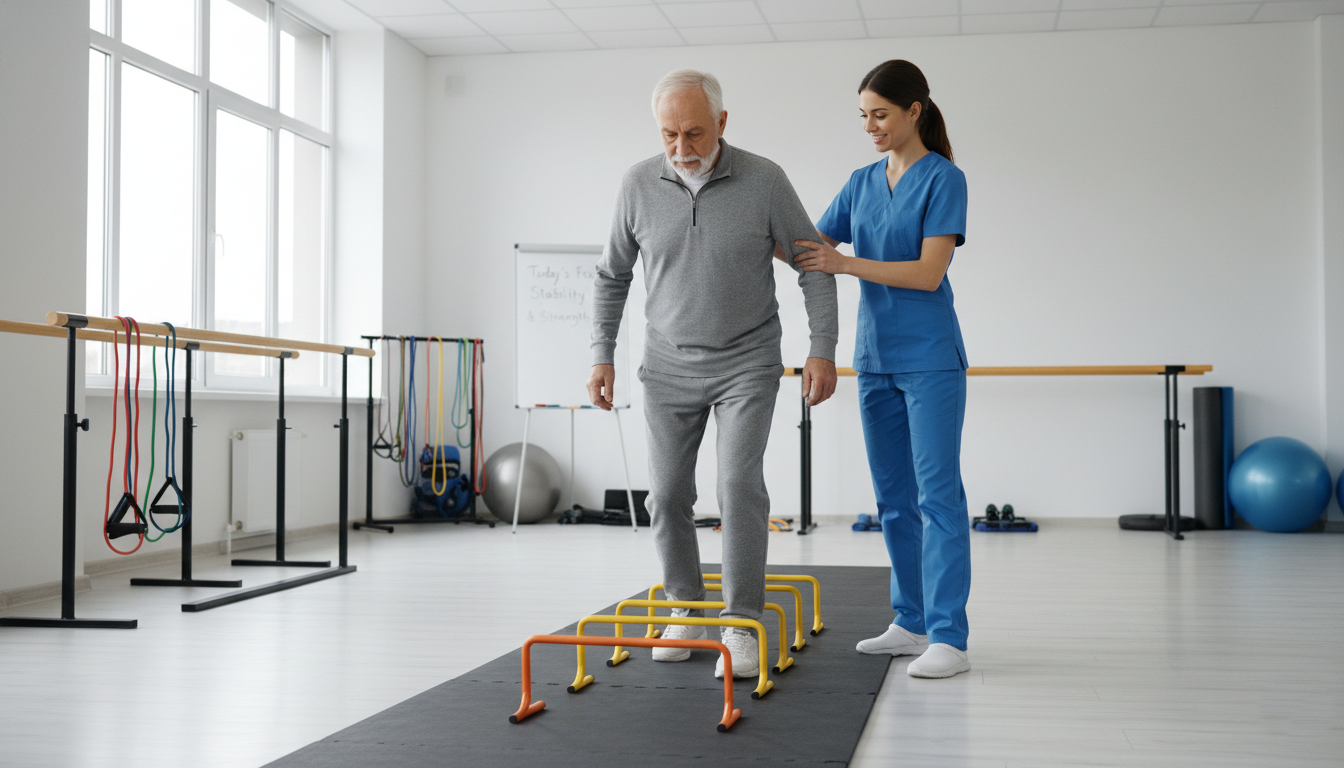
Neuropathy can make movement feel uncertain. Physical therapy helps restore control, improve stability, and make daily activities safer.
It focuses on how your body moves, not just how it feels.
Improving Strength and Balance
Weak muscles and poor balance often go hand in hand with neuropathy.
Physical therapy uses targeted exercises to build strength, especially in the legs and core. As strength improves, your body becomes more stable when standing and walking.
You may start to feel more confident taking steps without hesitation.
Retraining the Body to Move Safely
When nerve signals are affected, your body may not respond the way it used to.
Physical therapy helps retrain these movement patterns. Through guided exercises, your body learns how to adjust, react, and stay balanced.
This includes practicing controlled movements that improve coordination and awareness.
Reducing Fall Risk Through Guided Therapy
One of the main goals of therapy is to reduce the risk of falls.
You’ll learn how to move safely in real-life situations, like turning, stepping, or walking on different surfaces.
Therapists also teach you how to recover if you start to lose balance.
Over time, these skills become natural. Movement feels less risky, and you gain more confidence in your daily routine.
Advanced Treatment Option: Neubie Therapy for Neuropathy
While traditional treatments often focus on managing symptoms, newer approaches aim to improve how the body actually functions. This is where Neubie therapy stands out.
It focuses on helping your nerves and muscles work together more effectively.
What Is the Neubie Machine and How It Works
The Neubie is a device that uses gentle electrical stimulation to activate muscles and nerves.
It doesn’t just stimulate randomly. It works in a controlled way while you move, helping your body relearn proper movement patterns.
Think of it as guiding your muscles and nerves to “communicate” better again.
How Neubie Helps Improve Nerve Function
With neuropathy, the connection between your nerves and muscles becomes weaker or inconsistent.
Neubie therapy helps improve this connection by stimulating the nervous system during movement.
Over time, this can help:
- Improve muscle activation
- Increase awareness of movement
- Support better balance and coordination
Many patients notice that movements start to feel more controlled and natural.
Why It’s Different from Traditional Treatments
Most treatments focus on reducing pain or discomfort. While that can help, it doesn’t always improve how your body moves.
Neubie therapy takes a more active approach. It works on restoring function, not just managing symptoms.
Approaches like this are also supported by methods explained by Neufit (https://www.neu.fit/neuropathy/), which focus on helping the body relearn proper nerve and muscle function instead of only masking the problem.
This makes it a valuable option for seniors who want to stay independent and move with more confidence.
Can Neuropathy Be Improved or Reversed?
This is one of the most important questions people ask. The answer is not always simple, but there is good news.
Neuropathy can often be improved, even if it may not be completely reversed in every case.
What Improvement Looks Like
Improvement doesn’t mean everything goes back to normal overnight. It usually happens gradually.
Many seniors notice:
- Better balance while walking
- More control over their movements
- Reduced discomfort or sensitivity
Even small changes can make daily life feel much easier and safer.
Factors That Affect Recovery
Progress depends on a few key factors.
The cause of the neuropathy plays a big role. For example, managing blood sugar in diabetes can help slow or reduce nerve damage.
Consistency also matters. Regular movement, therapy, and healthy habits all support improvement over time.
The earlier you start addressing symptoms, the better your chances of seeing meaningful results.
Why Early Treatment Matters
Waiting too long can make symptoms harder to manage.
As balance and strength decline, the risk of falls increases. This can lead to more limitations and less independence.
Taking action early helps protect your mobility. It also gives your body a better chance to adapt and improve.
With the right support, many seniors are able to stay active, safe, and independent longer than they expect.
Warning Signs That Neuropathy Is Getting Worse
Neuropathy often progresses slowly, but there are signs that it may be getting worse. Recognizing these early can help you take action before it affects your safety and independence.
Ignoring these changes can increase the risk of falls and make daily activities harder over time.
Increased Numbness or Weakness
If numbness spreads or becomes more intense, it can affect how well you feel the ground when walking.
You may also notice more weakness in your legs or feet. This can make standing, walking, or climbing stairs feel more difficult than before.
These changes usually happen gradually but should not be ignored.
Frequent Trips or Near Falls
Stumbling more often is a clear warning sign.
Even if you haven’t fallen, frequent near falls mean your balance and coordination are being affected.
You might notice yourself catching your balance more often or needing support to stay steady.
Loss of Confidence in Movement
Sometimes the biggest change is how you feel.
If you start avoiding walking, going outside, or doing normal activities because you feel unsafe, it’s a sign your condition is impacting your daily life.
This can lead to less movement, which makes weakness and balance worse over time.
Quick Safety Checklist for Seniors with Neuropathy
Use this quick check to understand if your neuropathy may be affecting your safety at home.
Take a moment to think through each one honestly.
Do you feel numbness or reduced sensation in your feet when walking?
Do you feel unsteady, even on flat surfaces?
Have you had a recent fall or a moment where you almost lost your balance?
Do you find yourself holding onto walls or furniture for support?
Do you avoid walking or certain activities because you feel unsafe?
If any of these sound familiar, it’s a sign that your balance and mobility need attention.
Taking action early can help you stay independent and prevent more serious problems later.
A Real-Life Example: Living Independently with Neuropathy
It’s easier to understand the impact of neuropathy when you see how it affects daily life.
Take someone like Linda, a 74-year-old living at home.
Before Getting Help
Linda started noticing numbness in her feet a few years ago. At first, it didn’t seem like a big deal.
Over time, walking became less steady. She began slowing down, especially on uneven surfaces.
She found herself holding onto furniture more often. Trips to the kitchen or bathroom required more focus.
The biggest change wasn’t just physical. It was how she felt.
She started avoiding walks and limiting her movement because she didn’t feel safe. Her world slowly became smaller.
After Treatment and Support
After starting physical therapy and making a few changes at home, things began to improve.
She worked on simple exercises to build strength and improve balance. With guidance, she also learned safer ways to move throughout the day.
As her strength improved, she felt more stable. Walking became easier and less stressful.
Most importantly, her confidence came back. She started moving more freely again and felt comfortable staying in her home.
That’s the goal. Not perfection, but feeling safe, capable, and in control of your daily life.
Why Seniors in Salem Trust Dr. Raj at HWY Physical Therapy
When it comes to managing neuropathy, having the right guidance makes a big difference. Many seniors in Salem choose Dr. Raj because the focus is on real, practical results that improve daily life.
It’s not just about treatment. It’s about helping you stay independent and confident at home.
Personalized Neuropathy Treatment Plans
Neuropathy affects everyone differently. Some people deal with numbness, while others struggle more with balance or pain.
Dr. Raj takes the time to understand what you’re experiencing and how it’s affecting your daily routine.
From there, a plan is created that fits your needs, your comfort level, and your goals. This makes the process feel manageable and more effective over time.
Access to Advanced Technology Like Neubie
One of the key advantages at HWY Physical Therapy is access to advanced tools like the Neubie machine.
This allows for a more targeted approach to improving nerve and muscle function. Instead of only managing symptoms, the focus is on helping your body move better and feel more connected.
Focus on Independence and Safety
The goal is simple. Help you move safely and stay independent as long as possible.
That means improving balance, building strength, and giving you the confidence to move around your home without constant worry.
As progress builds, many seniors feel more in control of their daily lives again.
Small Daily Habits That Help You Stay Independent Longer
Staying independent with neuropathy isn’t about making big changes all at once. It’s about small, consistent habits that support your balance, strength, and safety over time.
These daily choices can make a noticeable difference in how confident you feel.
Staying Active Safely
Movement is one of the most important habits you can build.
Even light activity helps keep your muscles strong and your body responsive. Short walks, gentle stretching, or simple exercises can help maintain stability.
The key is to stay consistent without pushing too hard. Regular movement keeps your body from becoming weaker over time.
Monitoring Foot Health
With reduced sensation, it’s easy to miss small issues in your feet.
Take a moment each day to check for cuts, redness, or swelling. Wearing proper footwear and keeping your feet clean can prevent minor problems from becoming serious.
Paying attention to your feet helps you stay ahead of potential risks.
Staying Consistent with Therapy
If you’re working on exercises or following a therapy plan, consistency matters more than intensity.
Doing a little every day helps your body adapt and improve. Skipping too often can slow progress.
Over time, these small efforts add up and help you stay steady, mobile, and independent.
Topics to Read Further
Contact HWY PT for Expert Neuropathy Care and Support
Living with neuropathy can make daily life feel uncertain, especially when you’re trying to stay independent at home. But with the right support, things can get easier.
You don’t have to wait until symptoms get worse or a fall happens. Taking action early can help you stay safe and confident in your own space.
At HWY Physical Therapy, Dr. Raj works closely with seniors in Salem to improve mobility, reduce discomfort, and restore confidence in movement. With advanced treatments like the Neubie, the focus is on helping your body function better, not just managing symptoms.
If you want to stay independent and feel more stable at home, the right guidance can make all the difference.
Center 50+, Salem City Building
Call 971-202-1979 to get started
.png)